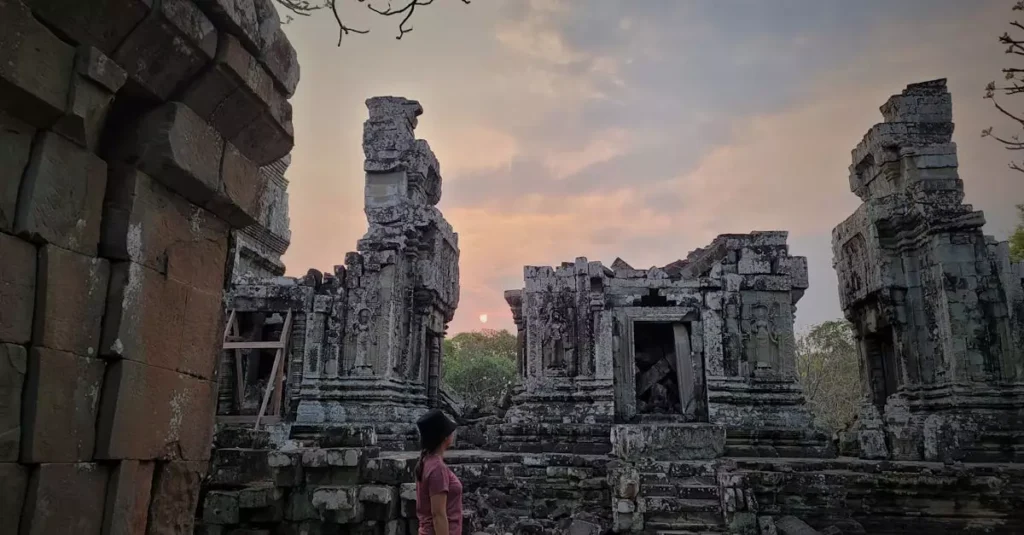
Watching the sun set behind the ancient temples of Angkor is a treasured experience for visitors in Siem Reap, Cambodia. Phnom Bakheng, a temple mountain rich in history, is one of the most popular vantage points for this spectacle. Knowing the phnom bakheng sunset ticket price helps you plan better, as many travelers wonder if theres a separate charge for enjoying this famous view.
Fortunately, you dont need to pay an extra fee specifically for sunset at Phnom Bakheng. Entry to this temple, like all others within the Angkor Archaeological Park, is included in the general Angkor Pass. This pass grants access to the entire park, so you can explore its temples freely, including the prime sunset spot at Phnom Bakheng.
This guide breaks down everything you need to know about the Angkor Pass, its pricing, and how it relates to your visit to Phnom Bakheng at sunset. Youll find helpful advice on when to go, how to handle crowds, and how to make your experience truly memorable. With this information, you can prepare to witness one of Asias most stunning sunsets without any surprise costs.
Phnom Bakheng: A Historic Sunset Sanctuary
Phnom Bakheng is a temple mountain with a history that stretches back over two centuries before Angkor Wat was built. Constructed in the late 9th century by King Yasovarman I, it served as the state temple for his newly established capital, Yasodharapura. Its elevated position on a natural hill provides sweeping views across the Angkor complex, making it an ideal spot to watch the sun sink below the horizon. The temples five platforms symbolize Mount Meru, the sacred mountain of Hindu mythology, and climbing its steep steps to reach the central sanctuaryonce home to a massive lingamis part of the adventure.
The pyramid-shaped temple showcases early Khmer architectural style, with numerous brick towers still standing despite the passage of time. Though much of its original grandeur has faded, the remnants reveal intricate carvings and detailed stonework that hint at its former glory. Visitors typically spend around an hour to an hour and a half exploring, including the climb up and back down. The path is well-used but can be strenuous, especially near the top. Beyond the sunset, the temple provides a deep connection to Cambodias rich cultural legacy, making it worth the effort even without the views.
Because of its popularity as a sunset destination, authorities limit the number of people allowed on the temples upper levels to 300 at any one time. This restriction helps protect the fragile ruins and ensures everyone has a better experience without overcrowding. To guarantee your place, arriving early is key, especially during the busy season. The mix of history, architectural beauty, and natural scenery creates a truly unique setting that reflects the brilliance of the Khmer Empire, making Phnom Bakheng a must-see in Siem Reap.
Understanding the Angkor Pass: Your Phnom Bakheng Entry Fee
There isnt a special phnom bakheng entry fee separate from the general park admission. Visitors must purchase an Angkor Pass to enter any temple within the Angkor Archaeological Park, including Angkor Wat, Bayon, Ta Prohm, and Phnom Bakheng. The pass comes in different durations to suit various travel plans, so you can pick one based on how many days you intend to explore. Tickets are sold exclusively at the official Angkor Enterprise booth, located a few kilometers outside Siem Reap city center, not at the temple gates themselves.
The options are simple: you can get a 1-day, 3-day, or 7-day pass. Each grants unlimited access to all park temples for the chosen timeframe. The 1-day pass is perfect for a brief visit to the main highlights, while the 3-day pass allows for a more relaxed itinerary covering more sites. For those wanting a thorough exploration or the chance to revisit favorites, the 7-day pass offers the most flexibility. Your pass will feature a photo taken at purchase and is non-transferable, so keep it safe and ready to show at checkpoints.
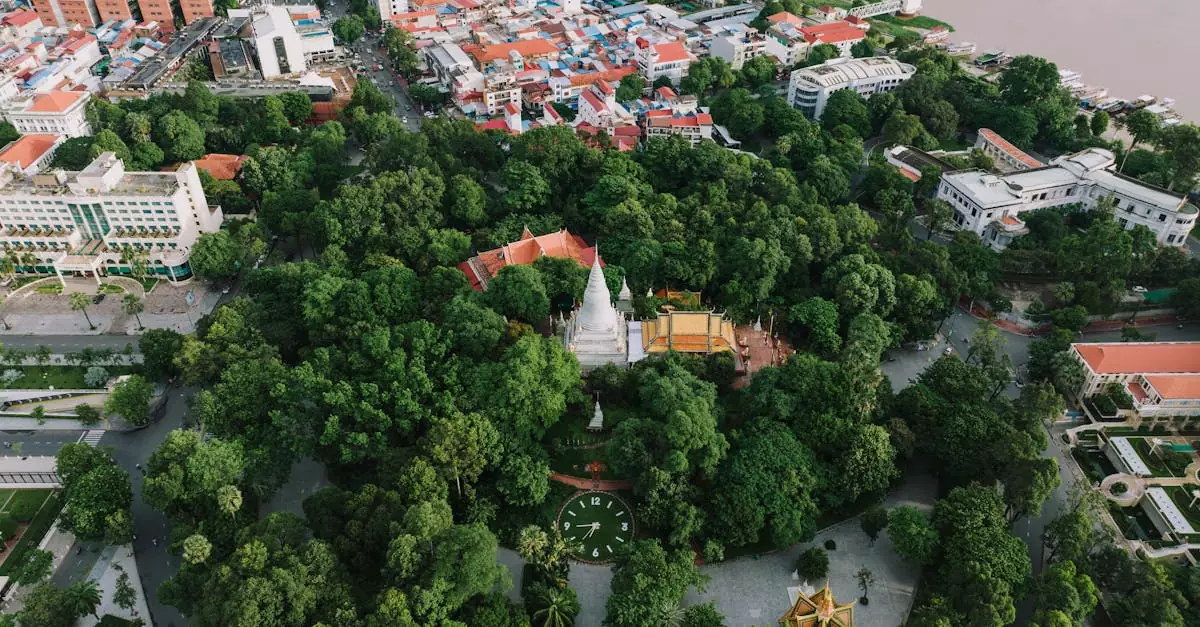
Buying your pass is straightforward. The ticket office opens early, usually from 4:30 AM until 5:30 PM. Its smart to buy your ticket the afternoon before your first full day of temple visits. If you purchase a 1-day pass after 5:00 PM, it activates the following day but still lets you enter the park that evening for sunset viewing. This approach is popular among visitors aiming to catch an early sunset at Phnom Bakheng or other spots. Keep your pass handy as rangers check it often. Funds from ticket sales go toward preserving and maintaining the Angkor ruins.
The True Phnom Bakheng Sunset Ticket Price: Angkor Pass Costs
The phnom bakheng sunset ticket price is bundled into the general Angkor Pass feetheres no additional charge just for sunset access. This means your pass covers all temple visits, including the unforgettable sunset experience at Phnom Bakheng. Knowing the ticket costs helps you plan your budget in advance. These prices are set by Angkor Enterprise, the official park authority, and while they occasionally change, they have been stable for some time.
Current prices for the Angkor Pass are as follows:
- 1-Day Pass: US$37
- 3-Day Pass: US$62 (valid for any 3 days within a 10-day span)
- 7-Day Pass: US$72 (valid for any 7 days within a month)
Prices are quoted in US dollars, the commonly accepted currency in Cambodia. Many travelers find the 3-day pass offers the best balance of value and flexibility, allowing ample time to explore without rushing. Be prepared to pay with cash or credit card at the ticket office; major cards are accepted, but carrying some US dollars in cash is wise, especially for other expenses inside the park.
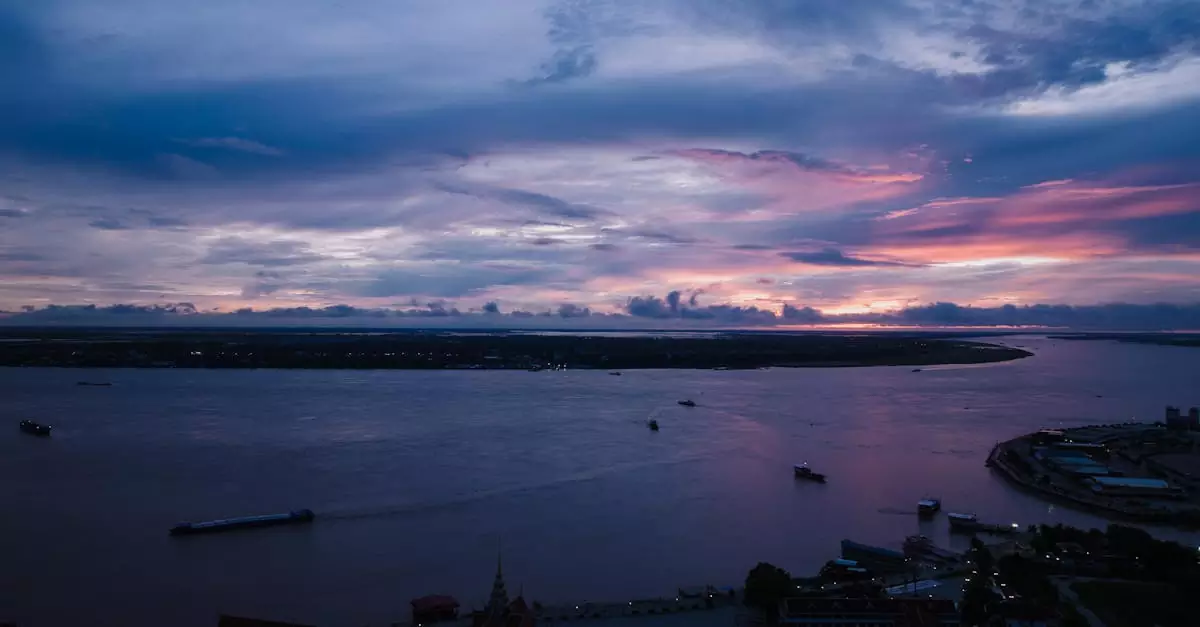
Children under 12 years enter free with a valid passport for age verification, making the park more accessible for families. Always keep your pass secure and visible when requested by officials. Losing it means having to buy a new one, which can be an unwelcome surprise. The Angkor Pass is a key part of your Siem Reap travel expenses but unlocks an incredible cultural and historical journey. For more details on visiting Cambodia, check the official Tourism Cambodia website.
Planning Your Sunset Experience at Phnom Bakheng
To enjoy a smooth sunset visit at Phnom Bakheng, some advance preparation is essential. Given its popularity, especially during peak months from November to February, crowds are to be expected. To secure one of the limited 300 spots on the upper terrace, its best to arrive well ahead of sunset. Most visitors aim to get to the hills base about 1.5 to 2 hours before the sun sets. This allows time for the 20 to 30-minute climb and any waiting at the top. The path up features a moderate incline followed by steep steps, so sturdy walking shoes are important.
Checking the exact sunset time for your visit dates is helpful, as it shifts throughout the year. For example, it may set around 5:30 PM in December but closer to 6:30 PM in June. Plan your arrival accordingly. Once at the summit, youll likely queue to reach the highest tier, as park staff control the number of visitors to keep within limits. The wait can be lengthy, but the panoramic views usually make it worthwhile. Bringing a bottle of water is a good idea to stay hydrated during the climb and wait.
Descending after dark can be challenging since the path isnt well lit. Flashlights or headlamps are highly recommended for safety. Many tour groups arrange for drivers to meet them at the bottom, easing the return trip. Hiring a tuk-tuk for the day is a convenient option, allowing your driver to wait for you. The atmosphere at the top is generally respectful, with visitors quietly anticipating the sunset and capturing photos. Remember to be considerate and avoid blocking others views. The scene of Angkor Wats silhouette against a fiery sky is a magical sight that captures the spirit of this ancient land.
Comparing Sunset Spots: Phnom Bakheng vs. Other Temples
Phnom Bakheng is renowned for its sunset views, yet its not the only spot worth considering within Angkor Park. Different temples offer distinct perspectives, crowd sizes, and levels of accessibility. Your choice depends on what matters most: sweeping views, tranquility, or ease of reach. Each location has its own appeal. For example, Pre Rup, another temple mountain, affords beautiful views over rice paddies and distant ruins, with fewer visitors than Phnom Bakheng, though the climb remains steep. Srei Temple, farther away, provides a quieter, more intimate sunset experience.
Heres a quick overview of popular sunset sites:
| Temple | View Type | Crowd Level | Accessibility | Pros | Cons |
|---|---|---|---|---|---|
| Phnom Bakheng | Wide panorama, distant Angkor Wat | High | Moderate climb, steep steps | Iconic view, rich history | Very crowded, strict limits, waits |
| Pre Rup | Panoramic, rice fields, temples | Medium | Moderate climb, steep steps | Less crowded, great photo ops | No close Angkor Wat view |
| Srei Temple | Ground-level, peaceful setting | Low | Easy walk from road | Quiet, unique architecture | No elevated panoramic views |
| Angkor Wat (West Gate) | Reflections in moats, close temple views | Medium-High | Easy walk | Classic shots, iconic | Crowded, limited elevation |
Each spot offers a different way to enjoy the Angkor sunset. If you want the classic iconic panorama, Phnom Bakheng remains the top choice despite the crowds. For a quieter or more relaxed moment, Pre Rup or a spot along the Angkor Wat causeway may suit you better. Visiting Phnom Bakheng on a day you already have your Angkor Pass allows flexibility, so you can adapt plans by weather or energy. To deepen your understanding of Cambodia’s history, Wikipedia provides a solid introduction.
Pros and Cons of a Phnom Bakheng Sunset
Choosing to experience sunset at Phnom Bakheng means balancing its special qualities against challenges. The view is breathtaking, but the visit requires some effort and patience. Knowing what to expect helps make the experience more enjoyable. Many agree the temples panoramic sunset is unmatched. Watching the sun sink behind the jungle canopy, with Angkor Wats silhouette far in the distance, leaves a lasting impression. This iconic scene draws tourists worldwide.
Pros:
- Iconic Views: Offers the quintessential panoramic sunset over the Angkor complex, including a distant view of Angkor Wat.
- Historical Significance: Witness sunset from a temple that predates Angkor Wat, adding historical depth.
- Atmosphere: Sharing the moment with fellow travelers creates a special communal feeling.
- Accessibility: Easy to reach from Siem Reap and often included in standard tuk-tuk routes.
Cons:
- Heavy Crowds: Its arguably the busiest sunset site, requiring early arrival and patience.
- Strict Capacity: Only 300 people allowed on the upper terrace at once, so latecomers may be turned away.
- Distance: Angkor Wat is visible but far, not providing a close-up view.
- Challenging Descent: Walking down in darkness with many others requires caution.
- Time-Consuming: The whole experience demands a significant time commitment for climbing, waiting, and returning.
Your choice depends on personal travel preferences. If you want a bucket-list moment and dont mind the crowds, Phnom Bakheng is essential. But if you prefer serenity and a more private experience, other sunset spots may be better. Its worth remembering that this is not a quiet, solitary eventexpect a lively atmosphere. Despite that, the effort often rewards visitors with stunning photos and a memorable sense of achievement.
Essential Tips for a Memorable Phnom Bakheng Sunset
To get the most from your Phnom Bakheng sunset, a bit of preparation goes a long way. Navigating crowds and securing a prime spot is easier with the right planning. Keep your focus on enjoying the moment rather than rushing. First, make sure to purchase your Angkor Pass the day before your sunset visit. This avoids long lines at the ticket office on the day itself. The office closes at 5:30 PM, and buying a 1-day pass after 5:00 PM activates it for the next day, yet still allows entry that evening for sunset.
- Arrive Early: Get to Phnom Bakhengs base at least 90 to 120 minutes before sunset to allow time for the climb and queuing.
- Wear Proper Footwear: The trek includes uneven surfaces and steep steps, so sturdy, comfortable shoes are essential.
- Stay Hydrated: Bring water to keep refreshed during the climb and wait, especially in the humid climate.
- Bring a Flashlight or Headlamp: Descending after dark demands a reliable light source for safety.
- Respect Visitor Limits: Adhere to the 300-person cap on the upper terrace; dont try to bypass rangers.
- Protect Yourself: Use sunscreen, wear a hat and sunglasses before sunset, and apply insect repellent afterward as mosquitoes become active.
- Keep Your Pass Ready: Youll need to show it at both the hills base and possibly at the summit.
- Arrange a Tuk-Tuk: Coordinate with your driver to wait at the bottom and confirm the meeting spot and time before climbing.
Note 1: Dont rely only on your phones flashlight for the descent; a dedicated flashlight or headlamp is safer and conserves your phone battery. Note 2: Patience is keycrowds and waiting are part of the Phnom Bakheng sunset ritual. Reality Check: The scene is beautiful but not quiet or romanticexpect a bustling environment with many fellow travelers.
Frequently Asked Questions About Phnom Bakheng
Is there a separate ticket for Phnom Bakheng sunset?
No, there isnt a separate ticket specifically for the sunset at Phnom Bakheng. Access is included with the general Angkor Pass, which covers all temples in the Angkor Archaeological Park.
What is the cost of the Angkor Pass?
The Angkor Pass is priced at US$37 for a 1-day pass, US$62 for a 3-day pass valid within a 10-day period, and US$72 for a 7-day pass valid within a month. Children under 12 enter free with a passport.
How early should I arrive for sunset at Phnom Bakheng?
Its best to arrive at least 1.5 to 2 hours before sunset at the base of Phnom Bakheng to allow time for the climb and waiting for limited spots on the upper terrace.
Are there limits to how many people can be on Phnom Bakheng?
Yes, the upper terrace has a strict limit of 300 visitors at any one time. This protects the temple and improves visitor safety and comfort.
What should I bring for a Phnom Bakheng sunset visit?
Bring your Angkor Pass, comfortable shoes, water, a flashlight or headlamp for after dark, insect repellent, and sun protection like a hat and sunscreen.
Conclusion: Is the Phnom Bakheng Sunset Worth the Effort?
Many travelers wonder if the Phnom Bakheng sunset justifies the effort involved. Although you must invest in an Angkor Pass, deal with crowds, and undertake a moderate climb, countless visitors find it absolutely worthwhile. The sweeping view from this ancient temple mountain, with dense jungle stretching to the horizon and Angkor Wats silhouette in the distance, is unforgettable. It perfectly captures the grandeur of the Khmer Empire in one breathtaking moment.
While there is no separate phnom bakheng sunset ticket price beyond the Angkor Pass, the experience is priceless. Its more than just the viewits the journey, the anticipation, and the shared excitement with other travelers. Planning ahead, arriving early, and preparing for the climb and crowds make all the difference. Dont forget your pass, water, and a light for the descent. These small details greatly enhance your visit.
A sunset at Phnom Bakheng offers a deep connection to Cambodias history and natural beauty. It stands as a powerful tribute to the architectural genius of the ancient Khmers and the timeless allure of this country. If a memorable, iconic experience in Siem Reap is on your list, then embracing the sunset climb at Phnom Bakheng should not be missed. Its a moment that will stay with you long after your journey through Asia ends.