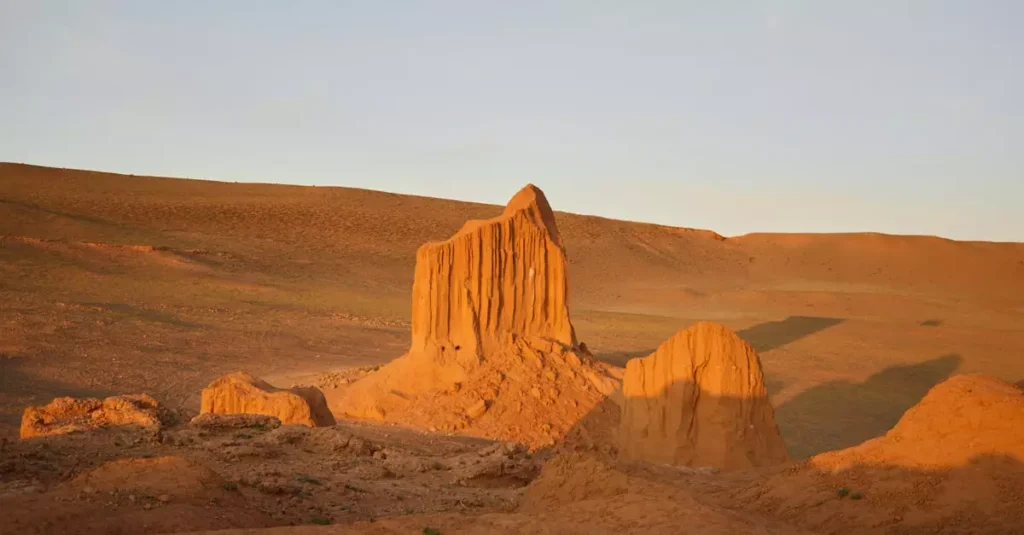
Planning a Mongolia trip cost from Europe requires careful consideration of multiple factors that can significantly impact your overall travel budget. European travelers looking to explore the vast steppes and nomadic culture of Mongolia will find that costs vary dramatically depending on their departure city, travel style, and season of travel. From major European hubs like London, Paris, or Frankfurt, reaching Ulaanbaatar typically involves at least one connection, with flight prices ranging from €600 to €1,500 depending on booking timing and airline choice.
The mongolia travel cost europe to mongolia guide encompasses far more than just airfare, as travelers must factor in accommodation ranging from budget hostels at €15-25 per night to luxury ger camps at €200-400 per night. Ground transportation within Mongolia presents unique challenges and opportunities, with domestic flights to remote regions costing €150-300 each way, while hiring a driver with a 4WD vehicle for multi-day excursions typically runs €80-120 per day including fuel. Food costs vary considerably between urban dining in Ulaanbaatar at €8-15 per meal versus traditional countryside meals with nomadic families at €5-10 per person.
Understanding the seasonal variations in pricing proves crucial for budget-conscious European travelers, as summer months from June to August command premium rates due to optimal weather conditions and peak tourist season. Winter travel, while offering unique experiences like ice festivals and winter nomad life, reduces accommodation and tour costs by 30-40% but requires additional investment in specialized cold-weather gear. The shoulder seasons of May and September often provide the best balance of reasonable weather, moderate crowds, and competitive pricing for flights and ground services.
Flight Costs from Major European Cities
European travelers have several routing options when flying to Mongolia, with most journeys requiring at least one connection through major Asian hubs. From London Heathrow, the most economical routes typically connect through Moscow with Aeroflot or through Istanbul with Turkish Airlines, with total journey times ranging from 12 to 18 hours. Economy class tickets from London generally cost between €700-1,200 in peak season, dropping to €500-900 during winter months. Premium economy options add approximately €300-500 to these base fares, while business class seats command €2,500-4,000 depending on the carrier and routing.
Frankfurt and Paris serve as other major departure points, often offering slightly better pricing due to increased competition among carriers. Lufthansa operates seasonal direct flights from Frankfurt to Ulaanbaatar during summer months, commanding premium pricing of €1,100-1,600 but saving considerable travel time. Air France passengers typically connect through Seoul or Beijing, with total costs ranging from €650-1,100 for economy class. The timing of booking significantly impacts pricing, with advance purchases of 2-3 months typically yielding savings of 20-30% compared to last-minute bookings.
Regional European cities like Amsterdam, Vienna, and Zurich offer competitive alternatives, particularly when factoring in positioning flight costs from smaller European cities. KLM’s Amsterdam hub provides excellent connections through Seoul, while Austrian Airlines offers reliable service through Vienna with connections in Beijing or Seoul. Budget-conscious travelers should consider positioning themselves to major hubs via budget carriers, potentially saving €200-400 on overall journey costs while accepting longer total travel times.
Accommodation Options and Pricing
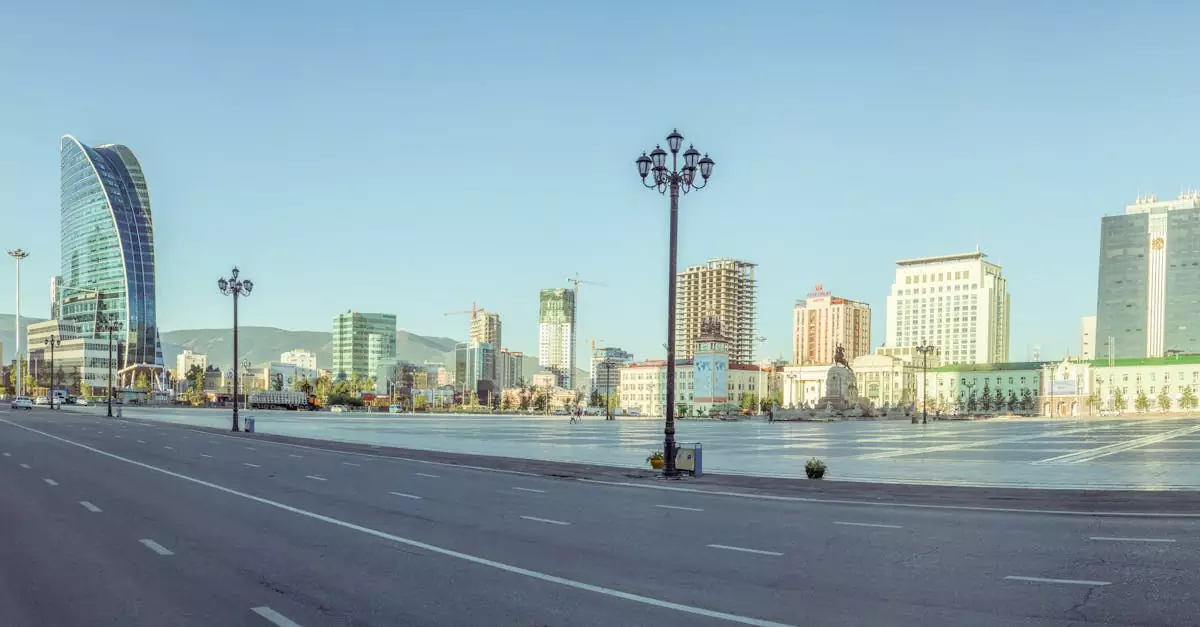
Mongolia’s accommodation landscape offers diverse options catering to various budget levels and travel preferences. In Ulaanbaatar, budget travelers can find dormitory beds in hostels for €12-20 per night, while private rooms in guesthouses typically cost €25-45 per night. Mid-range hotels in the capital city charge €60-120 per night for standard rooms with modern amenities, while luxury properties like the Shangri-La Ulaanbaatar command €180-300 per night during peak season. These urban accommodation costs align closely with Eastern European pricing, making them relatively affordable for most European travelers.
The unique appeal of Mongolia lies in its traditional ger camps, offering authentic nomadic experiences in stunning natural settings. Tourist ger camps near popular destinations like Terelj National Park or the Gobi Desert typically charge €80-150 per person per night including meals and basic amenities. Luxury ger camps, featuring private bathrooms, heating systems, and gourmet dining, command €200-400 per person per night. These camps often include guided activities, horseback riding, and cultural performances, providing excellent value for the comprehensive experience offered.
Remote wilderness camping represents the most economical accommodation option, requiring proper equipment and local guides for safety and navigation. Camping fees in national parks range from €3-8 per person per night, though travelers must invest in quality cold-weather camping gear suitable for Mongolia’s extreme temperature variations. Many European travelers opt for mixed accommodation strategies, combining urban hotels, ger camp experiences, and occasional camping to balance comfort, authenticity, and budget considerations throughout their journey.
Transportation Within Mongolia
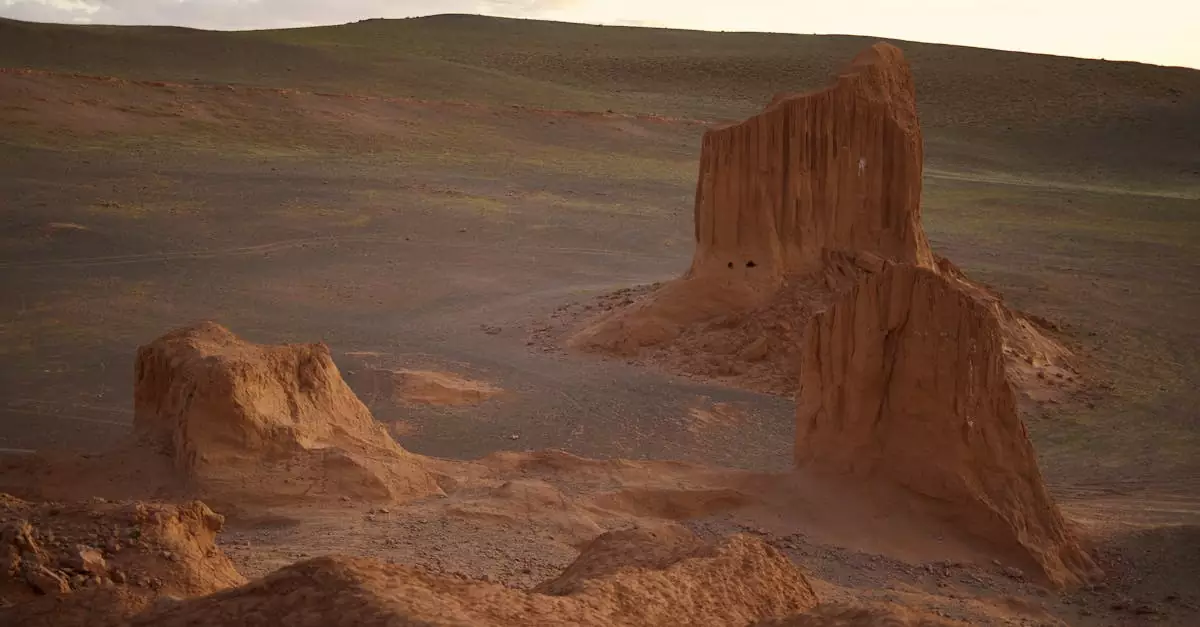
Ground transportation in Mongolia presents unique challenges due to vast distances, limited road infrastructure, and extreme weather conditions. Most European travelers rely on hired drivers with 4WD vehicles for exploring beyond Ulaanbaatar, with daily rates ranging from €80-120 including fuel and driver accommodation. These rates typically cover 200-300 kilometers of driving per day, though actual distances may vary significantly based on road conditions and weather. Multi-day excursions to destinations like the Gobi Desert or Khuvsgul Lake require 5-10 day commitments, with total transportation costs ranging from €400-1,200 depending on group size and itinerary complexity.
Domestic flights offer time-saving alternatives for reaching distant destinations, though options remain limited outside major tourist areas. MIAT Mongolian Airlines operates flights from Ulaanbaatar to destinations like Dalanzadgad (Gobi Desert gateway) for approximately €150-250 each way, while flights to Murun (Khuvsgul Lake access) cost similar amounts. These flights operate on smaller aircraft with weight restrictions, requiring careful luggage planning and advance booking during peak season. Flight schedules can be irregular and weather-dependent, necessitating flexible itineraries and backup transportation plans.
Public transportation within Mongolia remains limited and primarily serves local populations rather than international tourists. Long-distance buses connect major cities but operate on irregular schedules with basic comfort levels unsuitable for most European travelers’ expectations. Train service exists between Ulaanbaatar and the Russian border, offering an interesting cultural experience for €20-40 per journey, though coverage remains extremely limited. Most successful Mongolia itineraries combine multiple transportation modes, balancing cost efficiency with time constraints and comfort requirements.
Food and Dining Expenses
Mongolian cuisine offers European travelers an opportunity to experience traditional nomadic food culture while maintaining reasonable budget control. In Ulaanbaatar, restaurant meals range from €3-6 for local establishments serving traditional dishes like buuz (steamed dumplings) or mutton stew, while international cuisine restaurants charge €8-15 per meal. Western-style cafes and restaurants in the capital cater to international tastes but command premium pricing of €12-25 per meal, particularly for establishments serving European or American cuisine. Street food options provide economical alternatives at €1-3 per item, though European travelers should exercise caution regarding food safety and preparation standards.
Ger camp dining typically includes all meals in accommodation pricing, featuring traditional Mongolian cuisine alongside some international options. These meals emphasize dairy products, mutton, and hearty stews suitable for the harsh climate and nomadic lifestyle. Quality varies significantly between camps, with luxury establishments offering refined presentations of traditional dishes and international alternatives, while budget camps provide basic but filling traditional fare. European travelers with dietary restrictions should communicate requirements in advance, as vegetarian and vegan options remain limited in traditional Mongolian cuisine.
Self-catering options exist in Ulaanbaatar through modern supermarkets and local markets, allowing budget-conscious travelers to control food costs and dietary preferences. Imported European products command premium pricing, often 2-3 times European retail costs, while local products like dairy, meat, and basic grains remain affordable. Camping and trekking expeditions require careful meal planning and provisioning, with costs ranging from €8-15 per person per day for basic camping meals to €20-30 per day for premium outdoor cuisine options.
Activity and Tour Costs
Mongolia’s tourism industry offers diverse activity options ranging from budget-friendly independent exploration to luxury guided expeditions. Multi-day guided tours represent the most popular option for European travelers, providing cultural insights, safety, and logistical support for navigating Mongolia’s challenging terrain. Standard group tours lasting 7-10 days typically cost €800-1,500 per person, including accommodation, meals, transportation, and guide services. These tours often visit multiple regions, combining Gobi Desert experiences, nomadic family visits, and natural attractions like Khuvsgul Lake or Terelj National Park.
Specialized activities command additional fees beyond basic tour packages, with horseback riding expeditions costing €30-60 per day, camel trekking in the Gobi Desert at €40-80 per day, and fishing permits for pristine lakes at €15-25 per day. Cultural experiences like traditional archery lessons, felt-making workshops, or throat singing instruction typically cost €20-40 per session. Photography tours designed for capturing Mongolia’s stunning landscapes and wildlife command premium pricing of €150-300 per day due to specialized guides and optimal positioning for unique shots.
Independent travelers can significantly reduce activity costs by organizing their own experiences, though this requires substantial research, local contacts, and risk acceptance. National park entrance fees range from €3-10 per person, while hiring local guides for day excursions costs €25-50 per day. Equipment rental for activities like fishing, hiking, or winter sports typically costs €10-25 per day per item, though availability and quality can be inconsistent outside major tourist areas.
Seasonal Cost Variations
Mongolia’s extreme seasonal variations create dramatic pricing fluctuations that significantly impact overall travel costs for European visitors. Peak summer season from June through August commands premium pricing across all travel categories, with flights increasing 30-50% above shoulder season rates and accommodation costs rising similarly. This period offers optimal weather conditions, with temperatures reaching comfortable levels and minimal precipitation, making it ideal for outdoor activities and nomadic experiences. However, the popularity of summer travel creates booking challenges, requiring advance reservations and limiting last-minute deal opportunities.
Winter travel from December through February offers substantial cost savings, with flights dropping 25-40% below peak season pricing and accommodation rates falling even more dramatically. Many ger camps close during winter months, concentrating available options and sometimes creating unexpected premium pricing for specialized winter experiences. Winter travelers must invest significantly in cold-weather gear suitable for temperatures reaching -30°C or below, potentially offsetting accommodation savings. However, unique winter experiences like ice festivals, winter nomad life, and aurora viewing opportunities provide compelling reasons for cold-weather travel.
Shoulder seasons in May and September offer optimal balance between reasonable weather, moderate pricing, and good availability. Flight costs typically run 15-25% below peak season rates, while accommodation and tour operators offer competitive pricing to attract travelers during these transitional periods. Weather remains unpredictable during shoulder seasons, with potential for sudden temperature changes and precipitation, requiring flexible itineraries and appropriate gear for varying conditions.
Budget Planning and Money-Saving Tips
Effective budget planning for Mongolia requires understanding the country’s unique cost structure and implementing strategic approaches to manage expenses. European travelers should budget €100-150 per day for mid-range travel including accommodation, meals, transportation, and activities, while luxury travelers should expect €250-400 per day for premium experiences. Budget backpackers can manage on €40-70 per day by utilizing hostels, local transportation, and self-catering options, though this requires significant compromises in comfort and convenience.
Group travel offers substantial savings opportunities, particularly for transportation and guided tour costs. Organizing groups of 4-6 travelers can reduce per-person costs by 20-30% for vehicle hire and guide services, while sharing accommodation in ger camps or guesthouses provides additional savings. European travelers should consider joining existing tour groups or organizing travel parties through online forums and social media groups focused on Mongolia travel.
Advance booking strategies prove crucial for managing costs, particularly for flights and peak season accommodation. Mongolia’s tourism infrastructure remains limited, creating capacity constraints during popular travel periods. Currency considerations also impact budgeting, as the Mongolian tugrik fluctuates against European currencies, and cash remains the primary payment method outside major hotels and restaurants in Ulaanbaatar. European travelers should plan for carrying sufficient cash reserves while understanding current exchange rates and availability of ATM services in remote areas.
FAQs
What is the average total cost for a 10-day Mongolia trip from Europe?
A 10-day Mongolia trip from Europe typically costs €2,000-3,500 per person for mid-range travel, including flights (€700-1,200), accommodation (€600-1,200), meals (€200-400), transportation (€400-800), and activities (€300-600). Budget travelers can manage with €1,200-1,800, while luxury experiences may cost €4,000-6,000 or more depending on accommodation choices and activity preferences.
When is the cheapest time to fly from Europe to Mongolia?
The cheapest flights from Europe to Mongolia occur during winter months (December-February) and early spring (March-April), with savings of 25-40% compared to peak summer season. However, winter travel requires additional cold-weather gear investment and limits some activities and accommodation options. Booking 2-3 months in advance typically yields the best prices regardless of season.
Do I need a visa to travel from Europe to Mongolia?
Most European Union citizens can enter Mongolia visa-free for stays up to 30 days for tourism purposes. UK citizens and some other European nationalities may require visas depending on current bilateral agreements. Travelers should verify current visa requirements with Mongolian embassies or consulates, as policies can change and longer stays require appropriate visa applications.
Is it safe to travel independently in Mongolia as a European tourist?
Mongolia is generally safe for European tourists, with low crime rates and welcoming local populations. However, the challenging terrain, extreme weather, and limited infrastructure make guided tours advisable for first-time visitors. Independent travelers should have extensive outdoor experience, reliable communication devices, and detailed itinerary planning when venturing into remote areas.
What should I pack for a Mongolia trip from Europe?
Essential packing for Mongolia includes layered clothing systems for extreme temperature variations, sturdy hiking boots, sun protection, and cold-weather gear even during summer months. European travelers should pack universal power adapters, personal medications, and cash reserves as ATM access remains limited outside Ulaanbaatar. Quality outdoor gear proves essential for comfort and safety in Mongolia’s challenging environment.
Planning Your Mongolian Adventure
Successfully planning a Mongolia trip from Europe requires balancing multiple factors including budget constraints, travel preferences, and seasonal considerations. The total investment for a meaningful Mongolian experience typically ranges from €1,500-4,000 per person depending on travel style, duration, and activity choices. European travelers who invest time in thorough planning, advance booking, and flexible itinerary development will find Mongolia offers exceptional value for unique cultural and natural experiences unavailable elsewhere in Asia.
The key to managing Mongolia travel costs lies in understanding the country’s unique infrastructure limitations and planning accordingly. Transportation and accommodation represent the largest expense categories, requiring careful consideration of group travel opportunities, seasonal timing, and booking strategies. European travelers should prioritize experiences that justify the significant investment required to reach this remote destination, focusing on authentic cultural interactions, pristine natural environments, and adventure activities that showcase Mongolia’s distinctive character.
Mongolia rewards travelers who approach the destination with appropriate expectations, adequate preparation, and respect for local customs and environmental conditions. The investment required for European travelers to reach and explore Mongolia pays dividends through unforgettable experiences, cultural insights, and natural beauty that remain largely unchanged by mass tourism. Proper budget planning, strategic booking approaches, and flexible travel attitudes enable European travelers to experience one of Asia’s most authentic and challenging destinations while maintaining reasonable cost control throughout their journey.