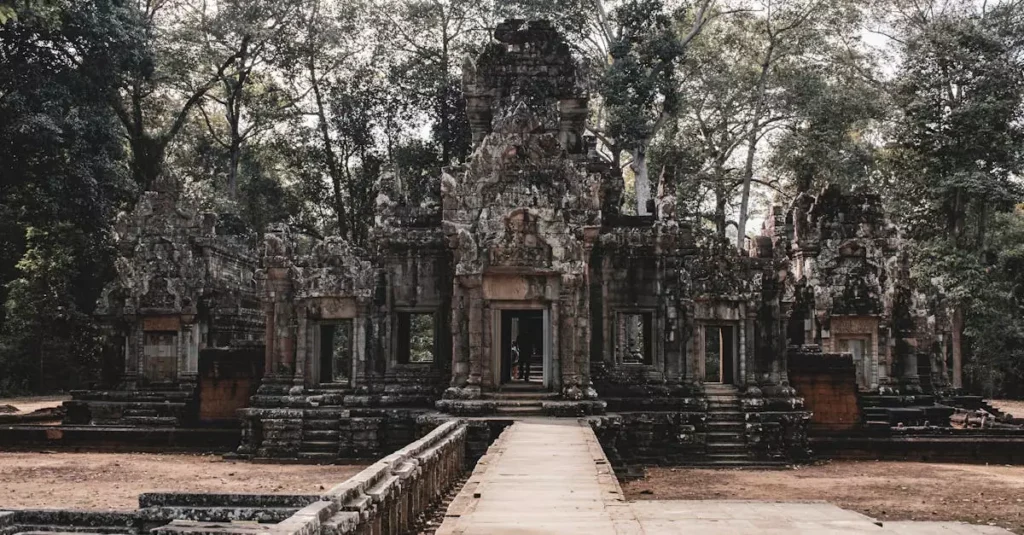
Siem Reap in Cambodia captivates solo travelers with its lively atmosphere and easy access to the historic Angkor Wat temples. Visitors flock here to immerse themselves in the regions extraordinary cultural heritage. Knowing the costs involved is essential to planning a hassle-free trip.
Having a clear budget in mind lets you enjoy your visit without worrying about overspending. Understanding the siem reap solo travel cost per day helps you choose accommodations, meals, and activities that suit your preferences. This overview outlines typical expenses catering to various budgets, making it easier to plan your adventure.
Whether youre backpacking on a tight budget or seeking a bit more comfort, Siem Reap welcomes solo travelers with open arms. The details below offer practical cost insights and real numbers, covering everything from temple tickets to local dining and getting around town. Its designed to help you prepare for an unforgettable journey.
Understanding Your Siem Reap Solo Travel Cost Per Day
The daily costs for solo travel in Siem Reap can vary greatly depending on your travel habits. Budget travelers often spend between $25 and $40 a day, covering basic lodging, street food, and a one-day Angkor pass. Those opting for mid-range comforts generally allocate $50 to $80 daily, which allows for nicer guesthouses, a mix of local and tourist dining, plus more activities. For travelers seeking luxury, $100 or more per day covers boutique hotels, upscale meals, and private tours. Many find a middle ground by mixing budget options with occasional indulgences, striking a balance that suits their style. Dont forget visa fees and international flights, which are separate from your daily spending. Its wise to invest in travel insurance to protect yourself against unexpected events during your trip.
Accommodation Options for Solo Travelers
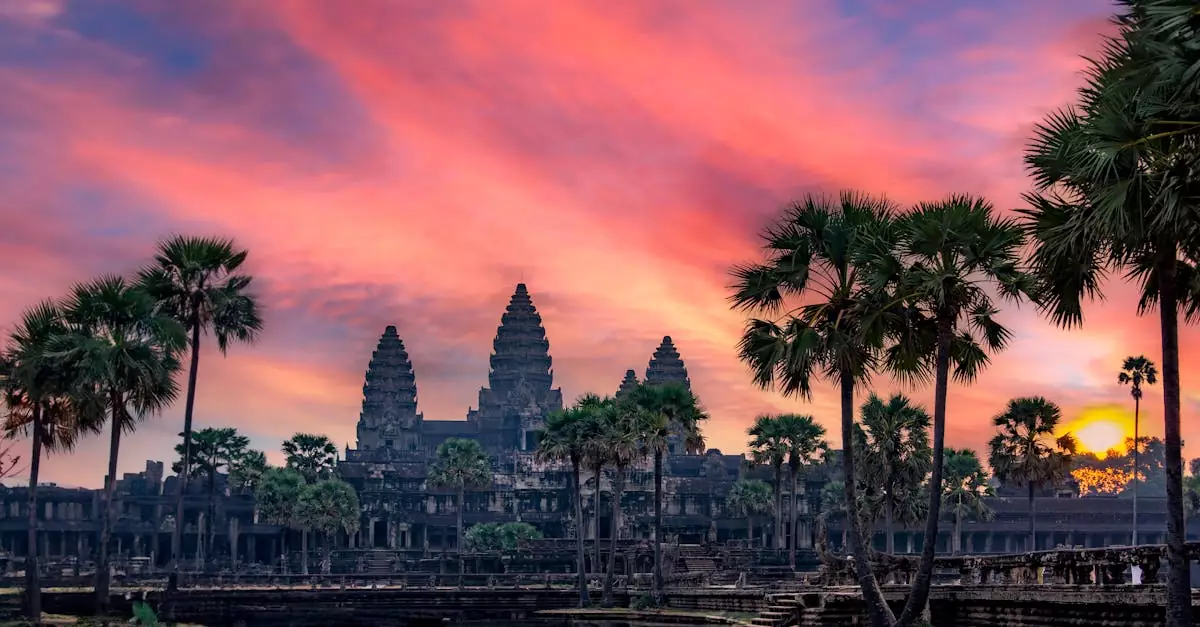
Siem Reap caters to solo travelers with a broad selection of lodging to fit any budget. Hostels are a hit with backpackers, where dorm beds usually cost between $5 and $10 a night. These places often foster a social vibe and organize tours, making it easy to meet fellow travelers. Private rooms in guesthouses typically run from $15 to $30, offering added privacy and often including air conditioning and private bathrooms. Mid-range hotels cost between $30 and $60 per night, frequently featuring pools, breakfast, and upgraded amenities. For those after luxury, boutique hotels and resorts start around $70 and up, delivering premium services and facilities. Location plays a big role in pricing; accommodations near Pub Street or the Old Market tend to be pricier, while spots a little further out offer better deals. Always check reviews to ensure safety and cleanliness. Booking ahead, especially in busy seasons, helps lock in the best rates. Many places also provide airport transfers for a modest fee, adding convenience when you arrive.
Exploring Angkor Wat: Fees and Logistics
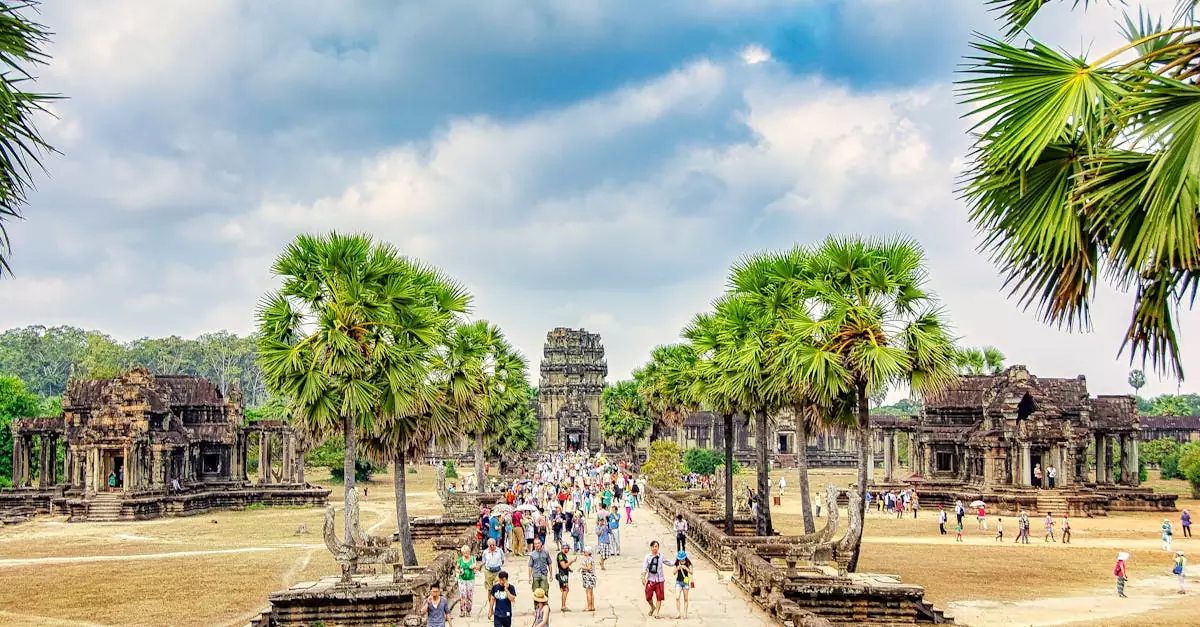
No visit to Siem Reap is complete without experiencing Angkor Wat. Access to the temple complex requires purchasing an entrance pass. A single-day pass costs $37, while a three-day pass, valid for 10 days, is $62. The seven-day pass, which you can use over a month, goes for $72. Most solo travelers opt for the one- or three-day options. Tickets are sold at the official Angkor Enterprise office, which opens early each morning. Exploring the main temples typically takes a full day, but having three days lets you explore at a slower pace and reach more distant ruins. Tuk-tuks are the usual mode of transport to the temples. Renting one for the small circuit is about $15 to $20 per day, which usually includes a sunrise trip. The grand circuit costs a bit more, around $20 to $25. Cycling is another way to get around, with bicycle rentals costing between $2 and $5 daily, though distances can be challenging. E-bikes or scooters rent for about $10 to $15 per day, offering a faster alternative. Always confirm and negotiate tuk-tuk prices before setting off, asking whether extras like water or multiple stops are included. The dry season from November to February is the best time to visit, offering cooler temperatures. Popular spots like the Angkor Wat sunrise get crowded, so starting early helps beat both the heat and the crowds.
Food and Drink: Eating Solo in Siem Reap
Food options in Siem Reap range from wallet-friendly to upscale, depending on where you choose to eat. Street vendors and local cafs serve tasty dishes for $2 to $5, with specialties like Amok, Lok Lak, and various noodle soups providing authentic flavors. Tourist-friendly restaurants usually charge $5 to $15 per meal, offering a broader menu including Western fare. Fine dining experiences start around $20 per person and can go higher. Many solo travelers appreciate the ease and affordability of street food, which allows fast and flavorful meals. Pub Street is packed with bars and eateries, often featuring happy hour specials. A local beer typically costs between $1 and $2, while soft drinks are about $1. Bottled water, which is essential to avoid stomach troubles, is under $1. For a culinary experience, cooking classes run from $25 to $35, including ingredients and a meal. These classes double as a social activity for solo visitors wanting to learn about Cambodian cuisine.
Transportation: Getting Around as a Solo Traveler
Getting around Siem Reap is straightforward and inexpensive for those traveling alone. Tuk-tuks dominate local transport, with short rides inside the city costing $1 to $3. Its important to agree on the fare before you start. For longer trips, many drivers offer day rates, especially for temple tours. Ride-hailing apps like Grab and PassApp are also available, providing fixed prices and an extra sense of security. Bikes can be rented for $2 to $5 daily, and since Siem Reap is fairly flat, cycling can be enjoyablethough heat and distance might limit longer rides. Motorbike taxis, known as moto-dops, are another option and often cheaper than tuk-tuks, but always wear a helmet if you choose this mode. Walking works well around the city center but isnt practical for visiting Angkor Wat, which is too far on foot. Tuk-tuk rides from the airport to town cost $5 to $7, while taxis run about $10 to $15. You can arrange transportation through your hotel or use an app. Public transit isnt common here, so private options are the norm.
Siem Reap Solo Budget: A Comparison Table
| Category | Budget Traveler (per day) | Mid-Range Traveler (per day) | Comfort Traveler (per day) |
|---|---|---|---|
| Accommodation | $5 – $10 (hostel dorm) | $20 – $40 (guesthouse/hotel) | $50 – $100+ (boutique hotel) |
| Food & Drink | $7 – $15 (local eateries/street food) | $15 – $30 (mix of local/tourist restaurants) | $30 – $60+ (fine dining/upscale) |
| Activities/Temples | $15 – $20 (1-day pass avg., shared tuk-tuk) | $20 – $30 (3-day pass avg., private tuk-tuk) | $30 – $50+ (private guide/car, longer pass) |
| Local Transport | $3 – $7 (bicycle/short tuk-tuk rides) | $7 – $15 (tuk-tuk for temples/city) | $15 – $25 (private tuk-tuk/car) |
| Miscellaneous | $3 – $5 (souvenirs, snacks) | $5 – $10 (massage, extra purchases) | $10 – $20+ (shopping, spa) |
| Total Estimated Daily Cost | $33 – $57 | $67 – $125 | $135 – $255+ |
Pros and Cons of Solo Travel in Siem Reap
Traveling solo in Siem Reap brings distinct perks. You have complete control over your schedule and can linger as long as you like at each temple. This freedom is a major draw for many visitors. Its often easier to meet locals and fellow backpackers when traveling alone, especially in hostels or on group tours. Solo travel can also be empowering, boosting confidence as you handle all decisions from budgeting to daily plans. Cambodias welcoming locals add to the positive experience.
That said, solo travel has its challenges. Safety is a concern at night, so staying vigilant and avoiding poorly lit areas is wise. Traveling alone can sometimes mean higher transportation costs, since sharing rides reduces expenses. Dining solo might feel less enjoyable to some, and accommodation costs arent shared like they are for groups. Loneliness may creep in, but Siem Reaps lively social scene often helps combat that. Tourist areas can attract scams, so staying alert and informed helps protect you. For many, however, the cultural richness and personal growth outweigh these downsides.
Practical Tips for a Solo Trip to Siem Reap
Some thoughtful preparation can make your solo journey easier and more enjoyable. Consider these key pointers:
- Book your accommodation early. Peak season from November to February is busy, so reserving rooms in advance secures better rates and availability. Many places offer free cancellation if plans change.
- Always negotiate tuk-tuk fares upfront. Agreeing on the price before the ride starts prevents confusion. Ride-hailing apps add transparency and safety.
- Stay well-hydrated. Cambodias heat is intense, so drink plenty of bottled water and carry a refillable bottle.
- Dress appropriately for temples. Cover shoulders and knees respectfully, regardless of gender. Lightweight, breathable fabrics keep you comfortable.
- Protect yourself from mosquitoes. Dengue fever is a risk, so use insect repellent, especially around dawn and dusk. Sleeping under a mosquito net is helpful.
- Learn a few basic Khmer phrases. Simple greetings like ‘sues-day’ (hello) and ‘arkun’ (thank you) are appreciated by locals.
- Keep valuables secure. Use a money belt or a secure pouch and avoid wearing flashy jewelry. Stay alert in crowded areas to prevent pickpocketing.
- Get a local SIM card. Affordable data and calls make navigation and communication easier. You can purchase one right at the airport.
- Dont overdo temple visits. Temple fatigue is realpace yourself, take breaks, and drink plenty of water.
- Be adventurous with food. Try street vendors with good reputations for tasty and inexpensive meals.
- Consider joining a tour. Small group tours of Angkor Wat can be budget-friendly and offer a chance to socialize.
Cambodias history and culture are fascinating. For more details, visit the official Cambodia Wikipedia page or check out the Tourism Cambodia website to help plan your trip.
FAQs About Solo Travel in Siem Reap
Is Siem Reap safe for solo female travelers?
Generally, Siem Reap is safe for solo female travelers. Using common sensesuch as avoiding poorly lit areas at night and keeping an eye on your belongingshelps ensure a smooth experience. Many women travel solo here without problems.
How many days do I need for a solo trip to Siem Reap?
A typical solo trip lasts between three and five days. This timeframe allows for thorough exploration of Angkor Wat, time to enjoy the town, and activities like cooking classes or market visits.
Can I use US dollars in Siem Reap?
Yes, US dollars are widely accepted and often preferred. The local currency is the Cambodian Riel, but prices are usually listed in USD. Youll receive change in Riel for smaller purchases.
What is the best way to get from Siem Reap airport to the city?
The most convenient options are tuk-tuks or taxis. Tuk-tuks cost around $5 to $7, while taxis run $10 to $15. You can pre-book through your hotel or use ride-hailing apps like Grab or PassApp for ease and safety.
Are there ATMs readily available in Siem Reap?
ATMs are plentiful, especially near the city center and tourist hotspots, dispensing US dollars. Check with your bank beforehand about any international fees.
Conclusion: Making Your Solo Siem Reap Adventure Affordable
Keeping track of the siem reap solo travel cost per day lets you tailor your trip to fit your budget, minimizing stress. Siem Reap welcomes travelers of all budgets, offering chances to explore ancient temples, lively markets, and savor flavorful cuisine. Being flexible with your spendingsaving on lodging and meals while splurging on special experiencesmakes the journey rewarding. Immerse yourself in local culture and enjoy the freedom that solo travel brings. With careful planning and smart choices, your adventure in Siem Reap will be both memorable and affordable.