The route from Kathmandu’s crowded streets to Pokhara’s tranquil lakeside is one of Nepal’s most travelled journeys. Most visitors want the cheapest sensible option, so understanding the kathmandu to pokhara bus price is a smart first step when planning a 2026 trip. This piece gathers the details you need to pick a bus that matches your budget and comfort level.
The distance between the two cities is roughly 200 kilometers, but mountain roads make the trip much longer than the map suggests. Buses are popular because they balance cost and the chance to watch the landscape change river valleys, terraced fields, and small settlements line the Prithvi Highway. Knowing typical nepal travel cost figures helps you budget for meals and extras while exploring.
By 2026, travelers will find a wider selection of bus services than in previous years, from simple local vans to high-end coaches equipped with AC and reclining seats. Each class comes with a different price tag and level of service. Below you’ll find the cost factors and options laid out so you can choose what fits your trip whether you are backpacking solo or traveling with family.
Overview of Kathmandu to Pokhara Transport Options
How you travel between Kathmandu and Pokhara will largely depend on how much time you have and how much you want to spend. The Prithvi Highway links the two cities and is a busy corridor filled with freight trucks, private vehicles, and many types of buses. Tourist departures typically start early from areas such as Sorhakhutte or Kalanki. Expect the journey to take roughly seven to ten hours, though traffic and roadworks can extend that. Ongoing improvements aim to shorten and smooth the trip in 2026.
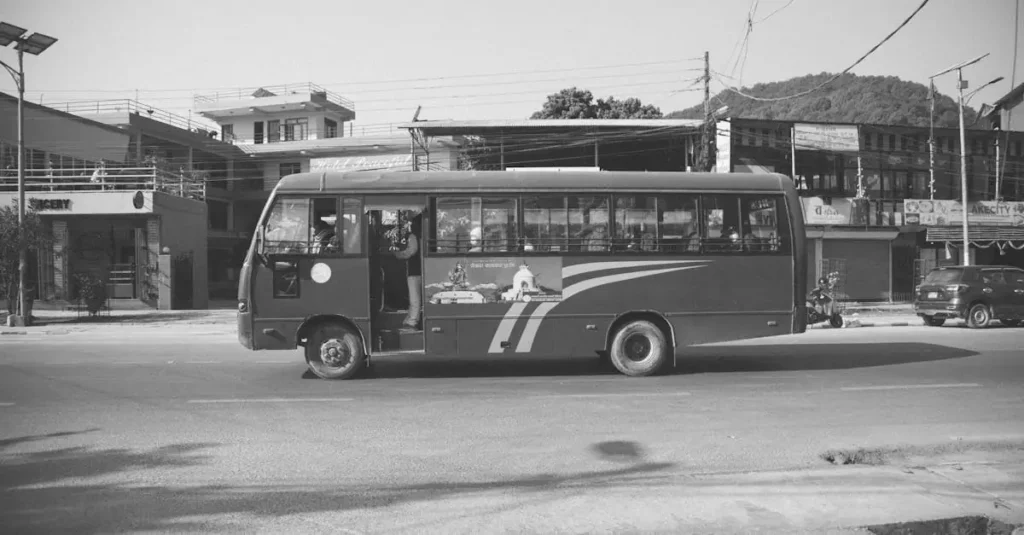
The kathmandu to pokhara bus price shifts according to comfort level. Local buses are the most economical option but can be cramped and stop often to pick up passengers. Tourist buses provide reserved seating and limit stops to a few designated breaks. At the top end are luxury sofa buses, which have wide reclining seats and sometimes include refreshments or a meal, offering a much more comfortable ride.
Transport choices also figure into recommended itineraries from the Nepal Tourism Board. Some travelers opt for private cars or domestic flights, but buses remain the preferred value option for many. Riding the road lets you see rivers like the Trishuli, local markets, and farming terraces up close scenes youd miss when flying making the bus a great way to experience Nepal beyond the cities.
Understanding the Kathmandu to Pokhara Bus Price Categories
Bus services on this route fall into four main price bands. The cheapest are Local Buses, used mainly by residents, which generally cost between 600 and 800 NPR; expect no air conditioning and a fairly rough ride. Standard Tourist Buses run from about 1,000 to 1,500 NPR and provide a guaranteed seat and more legroom, which many budget travelers find to be the best compromise between cost and comfort.
The next tier is the Deluxe or AC Tourist Bus, typically priced between 1,500 and 2,500 NPR. These coaches usually have better suspension and air conditioning, making them preferable in hot or dusty months. At the top are Luxury Sofa Buses the premium choice in 2026 with wide reclining seats and sometimes onboard toilets; fares for these generally fall between 2,500 and 4,000 NPR and may include a buffet lunch at a quality roadside restaurant.
When comparing the kathmandu to pokhara bus price, check carefully what each fare covers. Some operators add small perks like bottled water and blankets for early departures, while the highest-end services may include a full lunch. Booking via an agency often carries a modest service fee; buying directly at the station or online can shave off a few hundred rupees. Keep your ticket on you throughout the ride conductors or inspectors may request to see it.
Factors Affecting the Kathmandu Pokhara Transport Cost
Several elements determine the final ticket price. Fuel costs are a major driver; when diesel or petrol prices climb, bus operators tend to pass those increases on to passengers. Seasonality matters too during the spring and autumn trekking peaks demand rises and fares or availability can shift, so its wise to reserve seats ahead of your travel dates.
Where you board the bus can change the cost. Services leaving from tourist-heavy zones such as Thamel or Sorhakhutte sometimes charge more for convenience, while departures from Gongabu Bus Park may be cheaper. Factor in the taxi fare to reach a central station; sometimes paying a little extra for a pickup near your hotel saves time and hassle, particularly with early-morning departures around 7:00 AM.
Following advice from Nepal Tourism, safety and comfort should guide choices for international visitors. Higher-priced buses often operate with two drivers who alternate, improving safety on long mountain stretches. Those services also tend to have better upkeep. A low-cost local bus economizes money, but tourist buses usually deliver greater peace of mind through better seating, fewer stops, and more professional service.
2026 Comparison Table: Bus Types and Costs
To help with your decision, the table below lists average kathmandu to pokhara bus price ranges for 2026. Keep in mind local fluctuations can occur, and while most operators accept Nepalese Rupees, a few online platforms allow payment in USD or other currencies. Its handy to travel with local cash for snacks and incidentals on the way.
| Bus Type | Estimated Price (NPR) | Estimated Price (USD) | Key Features |
|---|---|---|---|
| Local Bus | 600 – 800 | $5 – $7 | Basic, crowded, frequent stops |
| Standard Tourist | 1,000 – 1,500 | $8 – $12 | Reserved seat, fan, no lunch |
| Deluxe AC Bus | 1,600 – 2,200 | $13 – $17 | Air conditioning, better seats |
| Luxury Sofa Bus | 2,500 – 4,000 | $20 – $32 | Reclining sofa seats, lunch included |
As the table shows, the kathmandu to pokhara bus price spans a wide spectrum. Luxury sofa buses cost the most but can be the best value if you want to arrive rested. Budget-conscious travelers will often choose the standard tourist bus, which offers a safer, more comfortable ride than local buses without a large price increase. Many people prefer Deluxe AC buses during the hot season from May to August for the cooling comfort.
Pros and Cons of Taking the Bus to Pokhara
There are clear advantages to traveling by road, particularly for those watching their wallets. The most obvious benefit is the lower kathmandu to pokhara bus price when compared to flying; airfares often range from $80 to $120 while bus fares are a fraction of that. A bus trip also delivers memorable scenery and more chances to interact with locals and fellow travelers.
- Pros: Cost-effective, scenic views, multiple departure locations, and a range of comfort options.
- Cons: Long durations on the road, possible traffic delays, dusty conditions, and limited legroom on cheaper services.
Still, buses have drawbacks. The ride can be long and tiring, road conditions change with weather and construction, and congestion around the Kathmandu valley may add hours. Those susceptible to motion sickness should prepare, as winding mountain sections can be challenging. Despite these downsides, buses play a central role in Tourism in Nepal for many visitors.
Practical Tips for Your Bus Journey
A little planning goes a long way. Try to secure your ticket at least a day before travel so you can choose a preferable seat near the front or middle; the rear seats tend to be bumpier. During busy festivals like Dashain, book even earlier. While the kathmandu to pokhara bus price is relatively stable, the best buses do fill up quickly.
Pack a small carry-on with essentials: water, snacks, wet wipes, and a charged power bank. Although buses stop for meals, schedules can slip, so having your own food is handy. Dress in layers mornings can be cool but afternoons warm up. Keep valuables in a small bag that stays with you; checked luggage usually goes into the compartment beneath the bus.
Reality Check: Timetables are approximate. The 200 km trip might take seven hours under good conditions or stretch to eleven if traffic or roadwork slows progress. Stay patient and enjoy the scenery. Use restroom stops when available the next break might be far off and note that tourist buses generally stop at cleaner restaurants than local services.
What to Expect During the Drive
The route starts with a slow exit from the Kathmandu valley, passing through Nagdhunga before the road follows the Trishuli River. That riverside stretch is among the most scenic, with decorated buses and trucks, narrow lanes, and sharp bends. Drivers navigate these conditions daily, but first-time passengers often find the experience thrilling. Small roadside vendors sell fruits and snacks for passing travelers.
Roughly halfway theres usually a 30-minute lunch break. Luxury tickets often include that meal, typically a buffet serving Dal Bhat rice, lentils, vegetable curries, and pickles which is both hearty and energizing for the remainder of the trip. After the break the road passes towns such as Dumre and Damauli, and on clear days the Annapurna range begins to appear on the horizon as you near Pokhara.
The last stretch into Pokhara tends to be smoother, ending at the Tourist Bus Park, a short walk or taxi ride from Lakeside. Taxis waiting outside typically charge around 300 to 500 NPR to reach the lakeside hotels. Even after adding this fare, the combined kathmandu to pokhara bus price plus transfer remains an affordable way to arrive, having experienced much of the country along the way.
Frequently Asked Questions
How much is the cheapest Kathmandu to Pokhara bus price?
The most affordable option is the local bus, which usually costs between 600 and 800 NPR. These vehicles are basic and often crowded, suited to travelers on a strict budget who accept minimal comfort.
Where do the tourist buses depart from in Kathmandu?
Most tourist buses leave from Sorhakhutte near Thamel, with some also picking up at Kalanki. Arrive by about 6:30 AM if your bus departs at 7:00 AM to ensure a smooth boarding process.
Is lunch included in the bus ticket price?
Lunch is generally included only for luxury sofa bus tickets. If you travel on standard or deluxe services, plan to pay 400 to 600 NPR for a meal at a roadside restaurant.
Can I book Kathmandu to Pokhara bus tickets online?
Yes many operators and booking platforms offer online reservations, and travel agencies in Kathmandu can also secure tickets. Booking ahead is especially useful in peak tourist periods.
How long does the bus journey take in 2026?
Under normal conditions the trip usually takes seven to nine hours, though roadworks or heavy traffic can extend travel to ten or eleven hours. Allow for flexibility in your plans on travel day.
Conclusion: Planning Your Trip with the Right Bus Price
Choosing the appropriate kathmandu to pokhara bus price will shape your travel experience in 2026. With fares ranging roughly from $5 to $32, options exist for every budget and comfort preference. Local buses are cheapest but least comfortable; standard tourist buses strike a practical balance; luxury sofa buses are best for arriving relaxed and refreshed. Each choice offers a different way to take in Nepals landscapes.
Beyond the ticket cost, consider travel time, comfort needs, and safety when selecting a service. Booking a day ahead and packing a small travel kit will help the journey run smoothly. The road between Kathmandu and Pokhara is more than transit its a chance to see Nepals countryside and arrive at Lakeside ready for your next plans.