Introduction to Ultralight Aviation in Pokhara
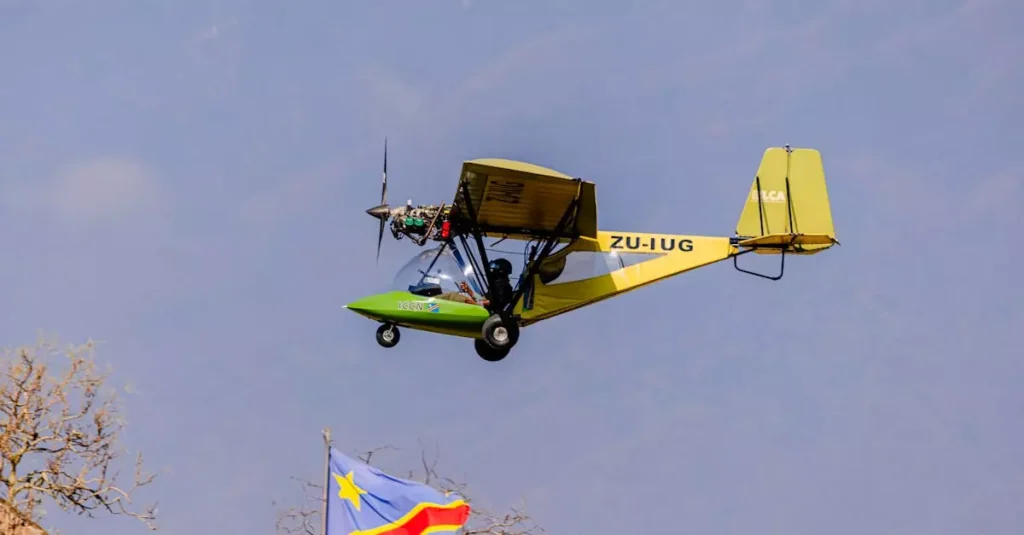
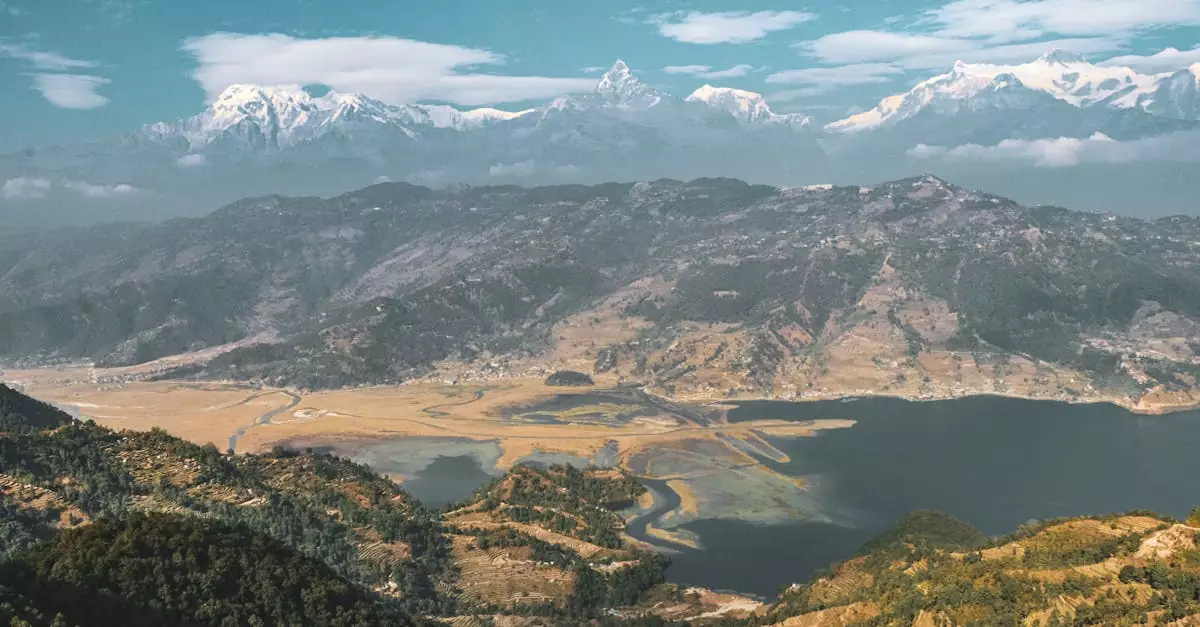
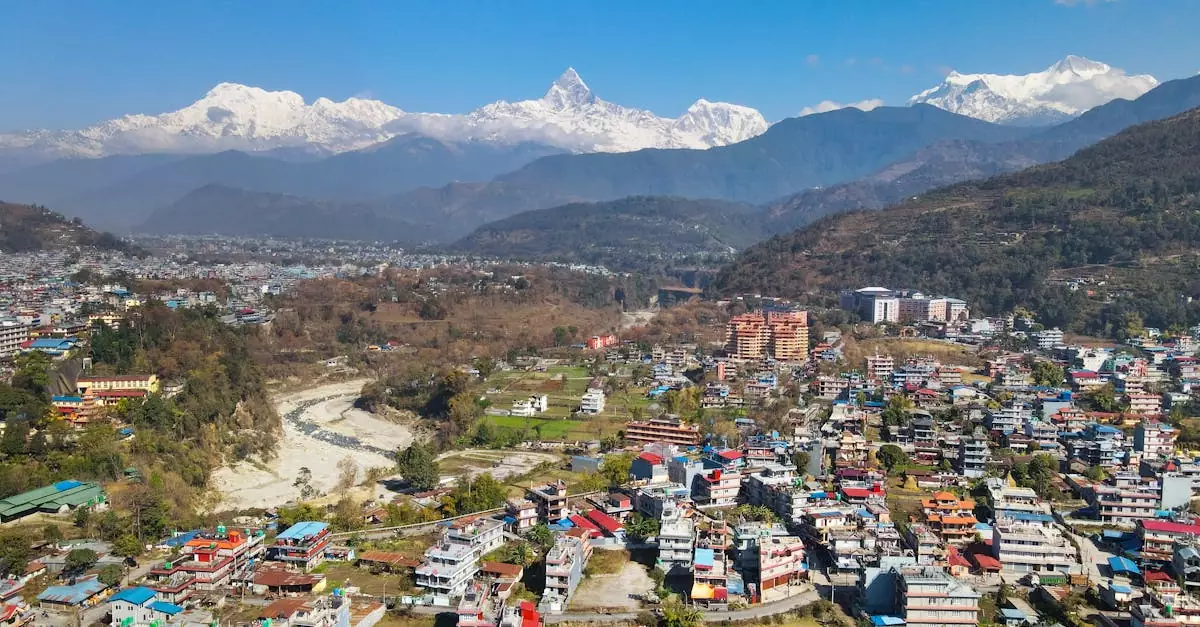
Pokhara holds the reputation as Nepals hub for thrill-seekers, with sweeping panoramas of the Annapurna Massif and the iconic Machhapuchhre jutting above the skyline. One of the most memorable ways to drink in those vistas is aboard an ultralight aircraft. These compact, often open-sided machines put you close to the elements the air on your face, unobstructed views, and a feeling of floating above lakes and ridgelines. For many visitors to this lakeside town, an ultralight sortie is high on their must-do list.
When budgeting for this activity, the pokhara ultralight flight price becomes a key consideration. Knowing the likely expense helps slot the flight into your overall plan. Costs change with flight duration and the chosen route: short circuits hug the valley, while longer trips push you toward the mountain flanks. In 2026, operators adjusted their tariffs to reflect fuel and regulatory shifts. Below youll find a detailed breakdown of what those prices generally cover and how they vary.
Passenger safety and comfort receive heavy emphasis on Himalayan flights. Nepal enforces strict light-aviation standards and many departures originate from Pokhara International Airport or nearby private strips. Pilots are seasoned with mountain weather experience, and most operators follow a clear pre-flight routine. Before confirming a booking, compare the flight fee against your broader pokhara travel cost so you can see where it fits in your trip budget.
Understanding the Pokhara Ultralight Flight Price Structure
The pokhara ultralight flight price is typically organized into time-based tiers. Operators commonly sell four standard blocks: 15, 30, 60, and 90 minutes. The brief 15-minute option is the most affordable, generally landing around $100$120. It keeps you within the valley, offering aerial views of Phewa Lake, the World Peace Pagoda, and the city skyline a neat snapshot of Pokhara for those short on time or cash.
Half-hour flights remain the most requested, costing roughly $180$210. They venture closer to the lower reaches of the Annapurna foothills, providing better sightlines to Sarangkot and a clearer perspective on the high peaks. To get near the mountain bases, select the 60- or 90-minute packages. These premium journeys, priced between about $300 and $500, grant far deeper access to glaciers and remote alpine scenery. The fee generally covers pilot expertise and the aircrafts operational equipment.
Prices are often quoted in US Dollars for international customers, while Nepalese nationals and residents of SAARC countries typically see discounted rates. Confirm whether quoted figures include airport taxes and insurance; some operators may add a minor fuel surcharge if prices spike. Booking through an established agency can sometimes yield savings versus walk-up rates, but direct reservations with the flight operator offer the clearest information about weather and slot availability.
Factors Influencing the Pokhara Ultralight Cost
Multiple elements feed into the final pokhara ultralight cost. The aircraft type is one: open-cockpit models deliver a raw, wind-in-your-hair sensation, while enclosed cabins are quieter and warmer and often carry a modest premium. Seasonality is crucial too autumn and spring see heavy tourist demand for clear mountain viewing, which tightens availability and lessens discounts.
Operational expenses in Nepal add another layer. Fuel must be transported to Pokhara, spare parts are frequently imported, and maintenance costs can be high. Pilots are experienced professionals who command competitive compensation and must undergo ongoing training; those costs are reflected in ticket prices. Specialized insurance for adventure aviation is also pricey but necessary to cover risks in this niche sector.
Regulatory requirements further shape pricing. The Nepal Tourism Board and the Civil Aviation Authority enforce inspections and mandated equipment upgrades. While such rules raise operating costs, they also improve safety. When you pay for a flight, fees support not just the airborne hours but ground crews, air traffic services, and maintenance facilities a multi-layered operation that explains the 2026 price levels.
Duration Options and Detailed Price Comparison
Picking the flight length is the single biggest choice youll make. A 15-minute sortie provides a quick thrill over Phewa Lake youll often catch the mountains reflected in the water and suits budget-conscious travelers. The 30-minute flight is the standard compromise between cost and scenery, offering closer passes over the Seti River and better approaches to the northern valley rim.
The 60-minute option appeals to those who want an immersive mountain experience; it typically pushes into the Annapurna sanctuary and gives intimate views of Machhapuchhres distinctive ridge. The 90-minute flight is the most ambitious, taking you near areas around the Annapurna Base Camp and revealing extensive glaciers and deep valleys usually reached only by multi-day treks. Though pricier, it can substitute for days of hiking if seeing the high country is your priority.
| Flight Duration | Estimated Price (USD) | Key Highlights |
|---|---|---|
| 15 Minutes | $100 – $120 | Phewa Lake, World Peace Pagoda, Pokhara City |
| 30 Minutes | $180 – $210 | Sarangkot, Seti River, Foothill Views |
| 60 Minutes | $300 – $330 | Annapurna Range, Machhapuchhre Close-up |
| 90 Minutes | $450 – $500 | Glaciers, Deep Mountain Valleys, Base Camp Area |
Match your flight length to what you hope to capture. For professional mountain photography, the 60-minute timing typically gives the best light and angles. If you only want a striking selfie or a short adrenaline boost, 15 minutes often suffices. Many operators offer a GoPro or photo package for an additional $20$30, which is practical if youre worried about handling gear in an open cockpit.
Comparing Ultralight Flying with Other Aerial Activities
Visitors commonly weigh ultralight flights against paragliding. Paragliding is cheaper roughly $60$90 but depends on wind and thermal activity, keeping you lower and moving more slowly. An ultralights engine lets it climb higher and cross greater distances, enabling routes that approach the mountains themselves, which most standard paragliding sessions cannot reach. The pokhara ultralight flight price reflects fuel and mechanical overhead that paragliding lacks.
Helicopter tours present another choice. While a helicopter can transport several passengers, lowering cost per person if the aircraft is full, private helicopter charters remain considerably more expensive than ultralights. Ultralights deliver a more personal experience usually one pilot and one passenger and the open-air exposure feels far more immediate than sitting behind helicopter glass. For couples or solo travelers, taking two sequential ultralight flights often proves more flexible than coordinating a helicopter.
Official resources from Nepal Tourism note that aerial sports are a major regional attraction. Each option grants a distinct viewpoint: paragliding for low drifting, helicopters for transport, and ultralights as a middle way offering pilot-visible controls and a direct sense of flight. That hands-on perspective often adds value to the ticket price for curious passengers.
Essential Preparation and Safety Standards
Proper preparation makes the flight more comfortable. Dress in layers; temperatures drop quickly with altitude. A windproof jacket is advisable for open-cockpit rides, and while operators may supply flight suits, warm base layers are still useful. Avoid loose accessories that could be carried away by wind, and secure cameras with straps. Pilots provide a safety briefing before departure pay attention to their guidance on entering, fastening in, and exiting the aircraft.
Safety protocols are central to operations in Pokhara. Aircraft receive daily checks from certified mechanics and pilots maintain valid licenses and periodic medical clearances. Mountain weather can shift rapidly; if conditions look unsafe, flights will be postponed or canceled, and reputable companies typically offer full refunds or rescheduling. This approach underpins the sectors reliability and aligns with broader tourism safety practices noted in public sources like Tourism in Nepal.
Keep in mind that while ultralight flights are well-regulated, they remain an adventure activity. Choosing an operator with a long-standing record and strong reviews is wise. Avoid the cheapest options if equipment appears poorly maintained. Many established Pokhara operators have been active for decades, maintain modern fleets, and offer reassuring safety histories a modest premium for peace of mind.
Best Time to Fly and Booking Tips
For the clearest mountain views, aim for the post-monsoon months of October through December when the skies are typically crisp. March to May can also be good, though haze sometimes reduces visibility. Mornings are usually calmest flights often start around 6:30 AM and thermal activity later in the day can bring turbulence, so early departures tend to be smoother.
Reserve your slot well in advance, especially during peak season when availability tightens. Book via company websites or trusted travel agencies in Lakeside, but ensure any agency-issued confirmation includes a firm time. Scheduling your flight early in your stay provides a cushion for weather-related reschedules; leaving it to the last day risks missing the chance entirely.
Ask exactly what the pokhara ultralight cost covers. Some operators include hotel pickup and drop-off from Lakeside, which can save roughly $10 on local transport. Also verify weight limits many ultralights set a passenger cap near 100kg (220 lbs). If you are close to that threshold, notify the company ahead of time so they can plan fuel and aircraft selection accordingly.
Pros and Cons of Ultralight Flights in Pokhara
Every activity has trade-offs, and ultralight flying is no exception. Knowing both sides helps you decide if it fits your travel preferences and budget. For most visitors, the spectacular aerial views justify the price, but being informed prevents disappointment.
- Pro: Unmatched views of the Annapurna Massif that you cannot get from the ground.
- Pro: Faster and less physically demanding than trekking to high altitudes.
- Pro: Personalized experience with a professional pilot who can explain the geography.
- Con: High cost compared to other local activities like hiking or boating.
- Con: Extremely dependent on weather; cancellations are common in the monsoon or cloudy days.
- Con: The open cockpit can be very cold and noisy, which might be uncomfortable for some.
One clear advantage is time efficiency: you can take in the Annapurna panorama in an hour that would otherwise require several days of trekking. The flip side is the brevity of the experience when you touch down the flight ends, whereas a trek unfolds over multiple days. Still, the surge of adrenaline at takeoff and the close passes near peaks offer sensations a walk cannot replicate.
Frequently Asked Questions
Is there an age limit for ultralight flights in Pokhara?
Children as young as six are generally permitted to fly, and theres no strict upper age cap provided the passenger is in reasonable health. Everyone must be able to step into the compact cockpit with little assistance.
What happens if my flight is canceled due to weather?
Operators will usually attempt to reschedule you later the same day or the following morning. If you cannot accept an alternative time because of travel plans, a full refund is commonly offered. Keep booking confirmations and receipts to smooth the refund or rebooking process.
Can I take my own camera on the flight?
Personal cameras and smartphones are allowed but should be attached securely with a strap. Wind at speed can easily pull loose equipment free, which could be hazardous to people and property below.
How many people can fit in an ultralight aircraft?
These planes are built for two occupants: one pilot and one passenger. Traveling groups will need separate flights, though operators often coordinate multiple aircraft to fly together when demand is high.
Do I need special insurance for this activity?
Flight operators carry the legally required third-party insurance, but its wise to have personal travel insurance that explicitly covers “adventure sports” or “aviation activities.” Review your policy details before arriving in Nepal to ensure adequate coverage.
Conclusion
The pokhara ultralight flight price represents a meaningful expenditure but delivers one of the most dramatic ways to experience the Himalayas. Whether you opt for a quick 15-minute sortie or a longer 90-minute mountain excursion, the views and memories endure. With solid safety practices in place across the industry in 2026, planning ahead, choosing a reputable operator, and preparing properly will help ensure a memorable and safe flight over Pokharas spectacular terrain.