Introduction to Everest Base Camp Lodging
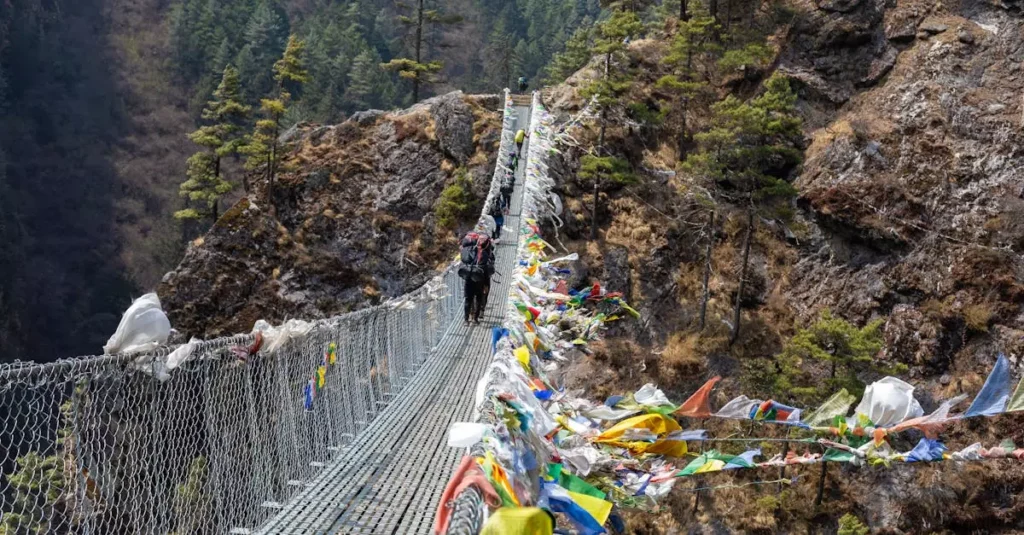
Heading to the Himalayas means budgeting carefully, and for many trekkers the ebc trek accommodation price is one of the clearest line items. Along the route to Everest Base Camp youll encounter a range of lodging options from simple wooden huts to more comfortable mountain lodges. Knowing typical nightly costs makes it easier to plan for the multi-day journey. In the lower valleys, a basic room commonly runs between $5 and $10 per night.
Most people opt for local tea houses, small guesthouses that combine a place to sleep with hearty, home-cooked meals. The everest tea house cost changes as altitude rises: rooms and services become pricier nearer Base Camp because everything must be carried up by porters or pack animals. Being aware of price trends at each stop keeps unexpected bills at bay. The friendly, communal atmosphere inside these lodges often becomes one of the treks most memorable aspects.
The Everest region is dramatic and remote, so facilities are usually basic rather than luxurious. Extras like hot showers or Wi-Fi are typically charged separately from the room fee. This guide breaks down accommodation expenses from lower settlements such as Phakding up to high stations like Gorak Shep. For official trail and safety information, see the Nepal Tourism Board.
EBC Trek Accommodation Price: What to Expect in 2026
In 2026 the ebc trek accommodation price remains accessible for budget travelers. Expect a standard twin-sharing room to cost roughly 5001,000 Nepalese Rupees (NPR), about $4$8 USD per night. These rates often come with the expectation that youll eat breakfast and dinner at the same tea house; skipping meals there can lead owners to raise the room rate significantly. This approach helps small businesses stay afloat along the trail.
As you pass through hubs like Lukla and Namche Bazaar, more upscale lodges appear. Luxury properties in those towns can run from $50 up to $200 per night and include amenities such as electric blankets, private bathrooms, and heated rooms. For most trekkers, standard tea houses remain the common choice unheated rooms, two single beds, and thin mattresses so bring a warm, high-quality sleeping bag for cold nights.
Keep in mind that seasonal demand affects pricing. Peak windowsMarch to May and September to Novemberfill lodges fast, and you may have to share a communal room or even sleep in the dining area if you arrive late. Booking through a guide or calling ahead improves the odds of securing private accommodation. While the everest tea house cost is just a portion of your total expenses, it determines your day-to-day comfort on the trek.
Average Everest Tea House Cost by Altitude
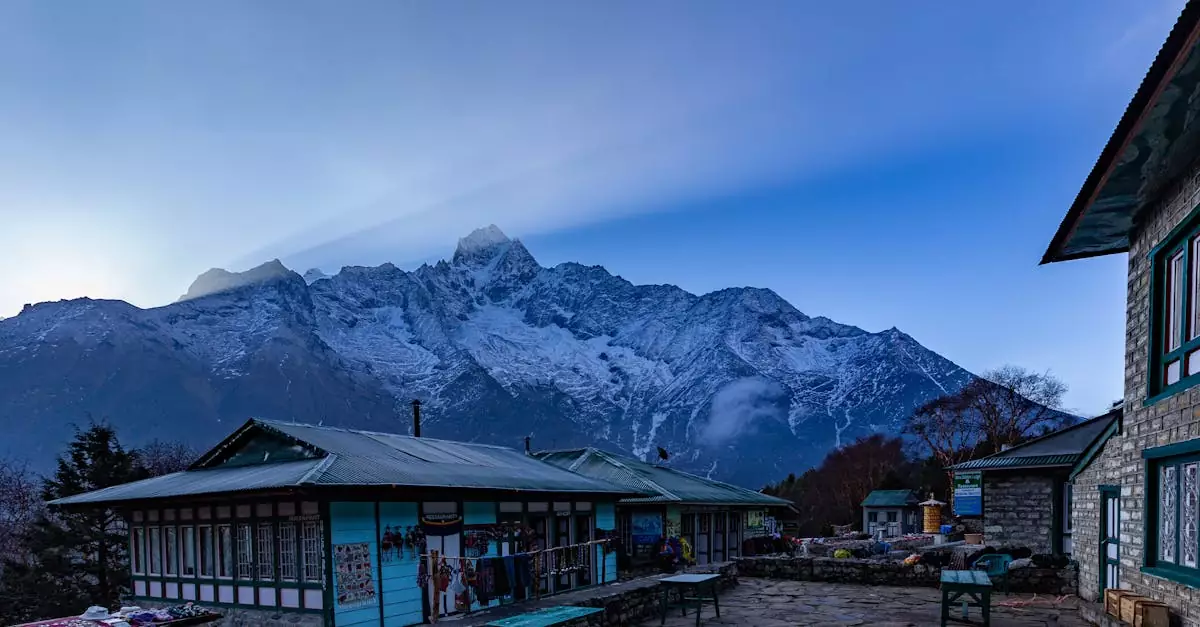
The pattern is simple: the higher you climb, the more you pay. In lower stops such as Phakding (2,610m), stiff competition keeps prices down, with rooms sometimes available for $3$5. These villages are easier to supply, so costs stay low. Namche Bazaar (3,440m), the Khumbu regions main hub, offers more services bakeries, gear shops and room prices generally settle around $7$10.
Beyond Namche, in places like Dingboche (4,410m) and Lobuche (4,940m), the ebc trek accommodation price reflects the remoteness. Rooms commonly start at $10, with basic construction and thin walls. Gorak Shep (5,164m), the last stop before Base Camp, has the fewest lodges and the highest demand, so beds can cost $10$15 for a minimal setup. Spring climbing season drives up both occupancy and prices.
Transport logistics are a major reason prices climb with altitude: building materials, food, and fuel are flown to Lukla and then carried onward by animals or people for days. That effort, and the income it provides to Sherpa communities, helps explain the higher tariffs. For more on how tourism affects the area, visit Nepal Tourism for regional insights.
Amenities and Hidden Fees in Everest Region Lodges
The base ebc trek accommodation price can look modest until extras are added. Electricity and hot water typically arent included. Charging a phone or power bank may cost $2$6 per session, and at higher villages charging often depends on solar panels, which means availability varies with weather. Carrying your own solar panel or a large-capacity power bank is a common workaround.
Hot showers carry an additional fee as well. In lower-altitude lodges a gas-heated shower might be around $4; by Lobuche a bucket of hot water can cost $7 or more. Many trekkers choose wet wipes for hygiene higher up to avoid the cold and save money. Paid Wi-Fi is widespread too, usually through the Everest Link network; prepaid data cards cost about $20 for a set data allowance usable across the trail.
Bottled water is another expense that adds up. A liter may cost $1 in Lukla but climb to $4 in Gorak Shep. To cut costs, use purification tablets or a filter and refill from tea house taps, often for a small fee or free with permission. Always ask lodge owners before taking water from their supplies. These additional charges are an integral part of the everest tea house cost landscape; preparing for them helps keep daily spending steady.
Comparison of Accommodation Costs Along the Trail
Below is a simple comparison of estimated ebc trek accommodation price for standard twin rooms in 2026 at key stops. Individual lodges and seasons will affect exact figures, and premium properties will charge substantially more than the averages listed here.
| Village Name | Altitude (m) | Avg. Room Price (USD) | Hot Shower Cost (USD) |
|---|---|---|---|
| Phakding | 2,610 | $3 – $5 | $3 |
| Namche Bazaar | 3,440 | $7 – $10 | $5 |
| Dingboche | 4,410 | $8 – $12 | $7 |
| Gorak Shep | 5,164 | $10 – $15 | $10 (Bucket) |
The table highlights how both lodging and shower costs increase with elevation. In places like Gorak Shep, heating water is costly because gas canisters are transported over long distances, which explains why a hot bucket can rival the room price. Recognizing the effort behind each service helps trekkers appreciate what they pay for. For many, the remote-village experience justifies the expense.
Pros and Cons of Everest Tea Houses vs. Luxury Lodges
Your choice between a traditional tea house and a more upscale lodge depends on budget and comfort priorities. Tea houses are affordable and highly social; the communal dining hall is where trekkers connect and trade stories. The ebc trek accommodation price for these options is low, but rooms can be cold and toilets are usually shared, meaning nighttime trips to the bathroom are common.
- Pros of Tea Houses: Very affordable, social atmosphere, authentic local feel, available in every village.
- Cons of Tea Houses: Lack of heating in rooms, shared bathrooms, extra costs for electricity and water.
- Pros of Luxury Lodges: Heated rooms, private bathrooms, electric blankets, better food variety.
- Cons of Luxury Lodges: High cost, less social interaction with the wider trekking community, only available in major hubs.
Upscale properties such as Yeti Mountain Home or Everest Summit Lodges deliver a higher level of comfort and service, ideal for trekkers wanting fewer hardships. Those options are limited to certain stops, though, and many guests return to basic tea houses at higher altitudes. No matter where you sleep, the regions scenery is the common reward.
Budgeting for Your Everest Base Camp Trek Cost
When planning finances, consider the overall everest base camp trek cost rather than just nightly rates. Food often becomes the biggest daily expense; a single meal can cost $5$10, so three meals a day may total $20$30. Adding the ebc trek accommodation price brings average daily spending to roughly $40$50, excluding permits, Lukla flights, and guide or porter fees.
Permits are mandatory: youll need the Khumbu Pasang Lhamu Rural Municipality Permit and the Sagarmatha National Park Entry Permit, which support trail upkeep and environmental protection. The history of Tourism in Nepal shows how these fees contribute to local development. Carry enough cash because ATMs stop after Namche Bazaar; most trekkers pay in Nepalese Rupees along the route.
Plan a buffer of about 20% more than your estimated expenses to handle delays or emergencies like canceled Lukla flights that force extra nights in tea houses. A financial cushion reduces stress and keeps options open. Many trekkers find the everest tea house cost predictable, while food and water costs can swing due to supply issues.
How Seasonality Affects EBC Trek Accommodation Price
Season has a strong influence on the ebc trek accommodation price and room availability. Peak months in spring and autumn draw large numbers of trekkers, and lodge owners rarely reduce prices then. Solo travelers may be charged for both beds in a twin room to keep it private, effectively doubling the typical everest tea house cost.
Off-peak periods such as winter and the monsoon bring lower rates and more room for negotiation. Many tea houses close during the monsoon because heavy rain and leeches make lower trails unpleasant; winter is cold but some lodges remain open and may cut prices or offer deals if you agree to eat all meals on site. Budget travelers who can tolerate harsher conditions often save money this way.
That said, off-season trekking carries extra risks: flight cancellations to Lukla are more common, and higher-altitude lodges can shut down entirely. Villages may have very limited choices for accommodation. For most visitors, the reliable weather and trail conditions of the peak season justify paying higher ebc trek accommodation prices.
Practical Booking Tips for Independent Trekkers
When traveling without an organized company, youll need to find lodging on your own, which is tougher during busy months. Start your walking days early: arriving at your destination by 1:002:00 PM gives you a better shot at a good room. By late afternoon the best places are frequently full, especially in smaller villages like Lobuche or Gorak Shep with limited bed capacity.
Use your lunch stops strategically. If you eat at a tea house, the owner may be able to call a friend in the next village to reserve a space for you. Local networks among lodge owners operate effectively and often secure rooms before you arrive. Being courteous to staff goes a long way; friendly guests often receive small comforts like an extra blanket or a warm seat by the heater.
Always confirm the ebc trek accommodation price before settling in. Ask whether charging, hot water, or other services are included to avoid surprises when you pay. Tea houses usually keep a tab for food and services that you settle on departure; track what you order so the final bill matches your expectations.
Frequently Asked Questions (FAQs)
Is it possible to find free accommodation on the EBC trek?
Free stays are extremely uncommon. A lodge may offer a complimentary room in exchange for eating all meals there during the quiet season, but in peak months expect to pay the standard rate.
Do tea houses in the Everest region accept credit cards?
Most tea houses require cash in Nepalese Rupees. A few larger lodges in Namche Bazaar may accept cards but often add high transaction fees. Bring enough cash for the full trek from Kathmandu or Lukla.
Are blankets provided in the tea house rooms?
Blankets are typically provided, but they may be thin or not thoroughly clean. Bring a 4-season sleeping bag for warmth and hygiene; the provided blanket can serve as an extra layer.
How much should I budget for daily expenses including accommodation?
A practical daily budget is $40$50 USD. That covers the ebc trek accommodation price, three meals, snacks, and basic charging or WiFi, but excludes costs for a guide or porter.
Is drinking water included in the room price?
No. Drinking water is never part of the room fee. Youll either buy bottled water, which becomes expensive higher up, or use purification tablets or a filter to treat tap water, a cheaper and greener option.
Conclusion: Managing Your EBC Trek Accommodation Price
Keeping the ebc trek accommodation price under control is key to a successful trek. While individual room rates are modest, cumulative costs in remote mountain conditions add up quickly. Understanding how prices change with altitude and season, and why certain services cost more, allows you to build a realistic budget. Whether you opt for a $5 tea house bed or a $100 luxury room, the nights spent beneath towering peaks are part of the adventure. Carry enough cash, respect local customs, and enjoy the warm hospitality of the Sherpa communities along the way.