Introduction to Safari Costs in Chitwan
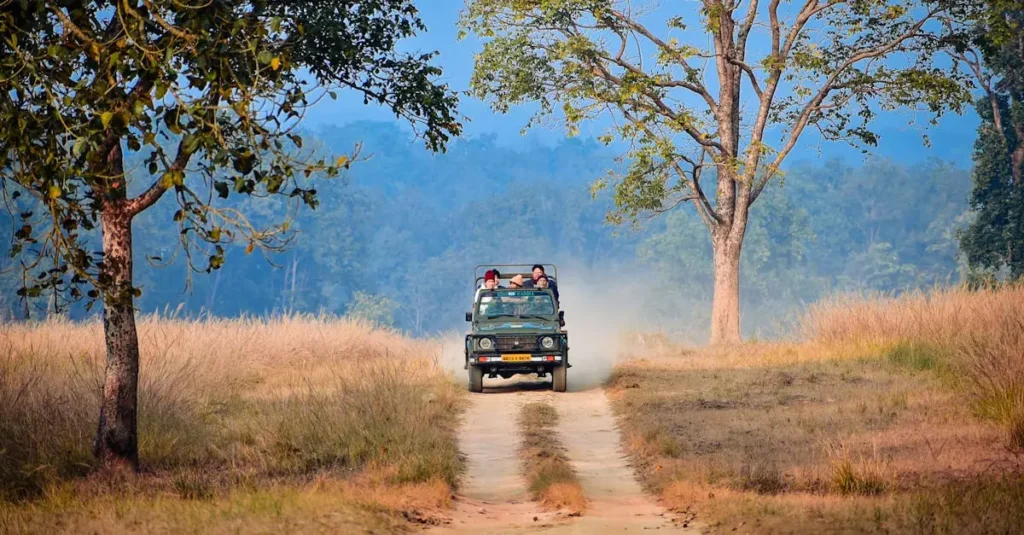
If you’re organizing a wildlife trip, having a clear idea of the chitwan jeep safari price helps prevent unwelcome surprises. Chitwan National Park, tucked into the southern plains of Nepal, is one of the best places to spot the greater one-horned rhino. Many visitors pick a jeep safari because it covers ground quickly and provides more comfort than trekking on foot. Compared with walking, a jeep lets you scan larger areas in less time and is the safer choice when traveling near tiger habitats.
A jeep also reaches core zones of the park that walkers typically can’t access within a single day. Several elements influence the final cost, including how long you stay out and how many people share the vehicle. The half-day trip is a popular pick for casual sightings, while photographers and serious wildlife enthusiasts often opt for a full-day outing to increase chances of memorable shots. Understanding the pricing structure makes it easier to choose a trip that fits both your interests and your budget. Sauraha is the main hub where most operators advertise these safaris.
Below you’ll find a thorough breakdown of expected expenses: park entry fees, vehicle rental charges, and the mandatory guide costs. The sections that follow also compare safari types and explain booking and on-trip expectations. We include the latest figures for 2026 so you can plan a smooth, budget-aware visit to the jungle.
Current Chitwan Jeep Safari Price Breakdown for 2026
The final chitwan jeep safari price combines several separate charges rather than being a single upfront cost. The first and unavoidable component is the National Park entry permit. For foreign visitors this sits at around NPR 2,000 per person per day; SAARC nationals pay roughly NPR 1,000, and Nepalese citizens are charged NPR 150. This permit is required for anyone crossing into park territory and must be carried throughout your visit, since rangers perform checks at various points inside the forest.
The next element is the jeep hire itself. Most jeeps accommodate up to seven passengers comfortably. A private half-day jeep typically costs between NPR 18,000 and NPR 22,000, covering the vehicle, the driver, and fuel. Solo travelers can often choose a seat in a shared jeep for roughly NPR 3,000 to NPR 5,000, which is a budget-friendly option if you don’t mind sharing the ride. Vehicle condition and comfort level can cause small price differences between operators.
The final required payment is for a certified nature guide. Park regulations mandate that every jeep have a licensed guide. Expect guide fees in the range of NPR 2,000 to NPR 3,000 for a half-day trip, rising to about NPR 5,000 for a full-day outing. Guides are trained to find wildlife and steer clear of dangerous locations; they also explain animal behavior and habitat details you would likely miss on your own. Always confirm that the guide holds an official license from park authorities.
Understanding the Total Chitwan Jeep Safari Cost Components
Duration matters when tallying the total chitwan jeep safari cost. Operators generally run two main time slots: a morning run and an afternoon run. Morning safaris commonly begin around 6:30 AM and finish near 11:00 AM, while afternoon trips start at 1:00 PM and run until sunset. Choosing to stay inside the park for the full day increases the price considerably; private full-day rentals typically fall between NPR 28,000 and NPR 35,000, which opens access to deeper, often more wildlife-rich areas.
Where you book can also influence the price. Most people arrange safaris from Sauraha, the primary tourist center, but Meghauli and Kasara are other access points where jeep availability is lower and rates can be slightly higher. The Nepal Tourism Board recommends using registered agencies to avoid unfair markups. Some high-end resorts include safaris in their packages; while convenient, those bundled offers are frequently pricier than booking directly in the village. Ask for a detailed receipt that lists each fee so you know exactly what you’re paying for.
Budget for a few small extras as well. Tipping drivers and guides is customary NPR 500 to NPR 1,000 is a common range if you had good sightings. Bring your own water and snacks because there are no shops inside park boundaries. Some operators may add a small service charge to process permits, and using professional camera gear with long lenses can carry an extra camera fee. These modest costs add up, so carry some extra cash in local currency.
Choosing Between Half-Day and Full-Day Tours
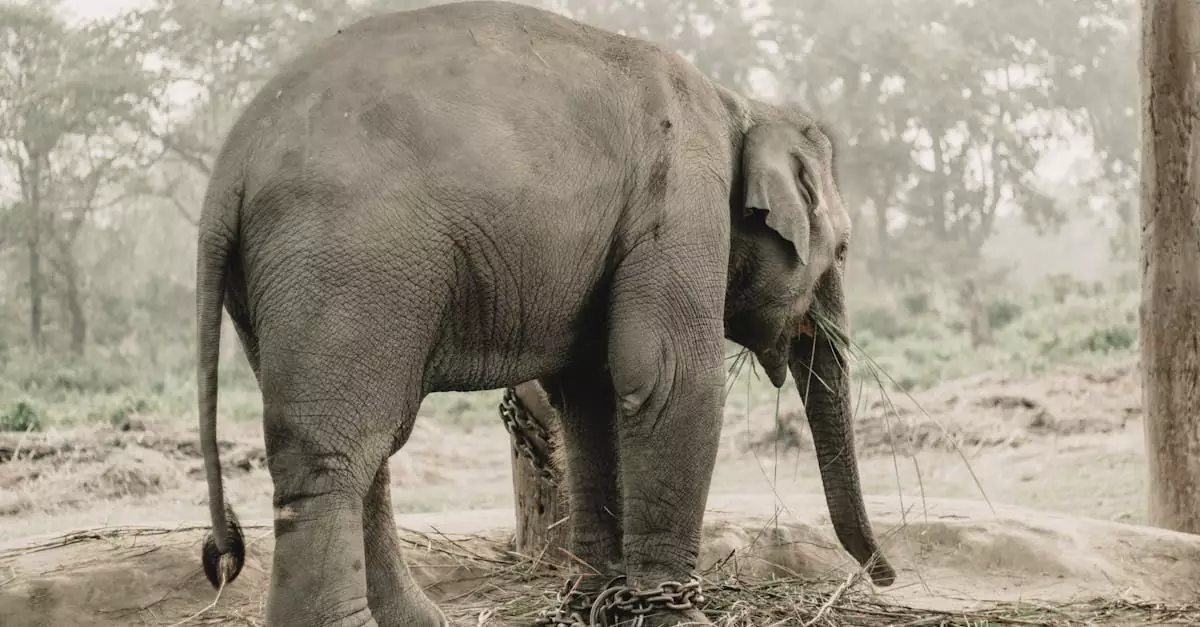
A half-day safari is ideal if you want a short, manageable wildlife experience. Lasting around four hours, it follows the most frequented tracks where rhinos, deer, and a variety of birds are commonly seen. This option costs less and leaves room for other activities such as canoeing or visiting the elephant breeding center. Families with younger children often favor half-day trips because they are less tiring and avoid the hottest midday hours. The trail conditions can be rough, so many visitors find four hours to be sufficient.
Spending a full day in the park changes the feel of the trip. These outings begin early and continue until sunset, with a packed lunch eaten at a designated, safe spot like a viewing tower. Full-day routes include areas locally referred to as ‘Tiger Territory’ and the ‘Crocodile Bank,’ and staying out longer significantly raises your chances of spotting big cats. The cost is higher, but the immersion and opportunity to observe changing animal behavior through the day often justify the extra expense. Be prepared for a long, sometimes uncomfortable day on rough tracks.
The gap in price between half- and full-day tours reflects increased fuel use and longer guide time. If wildlife viewing is your priority, many consider the additional cost worthwhile. Check the official Nepal tourism site for current information on park zones, since some areas may be closed seasonally. If the prime zones are off-limits, a half-day safari might offer better value. Local guides can give the most up-to-date reports on recent sightings.
How Seasonal Changes Affect Safari Pricing
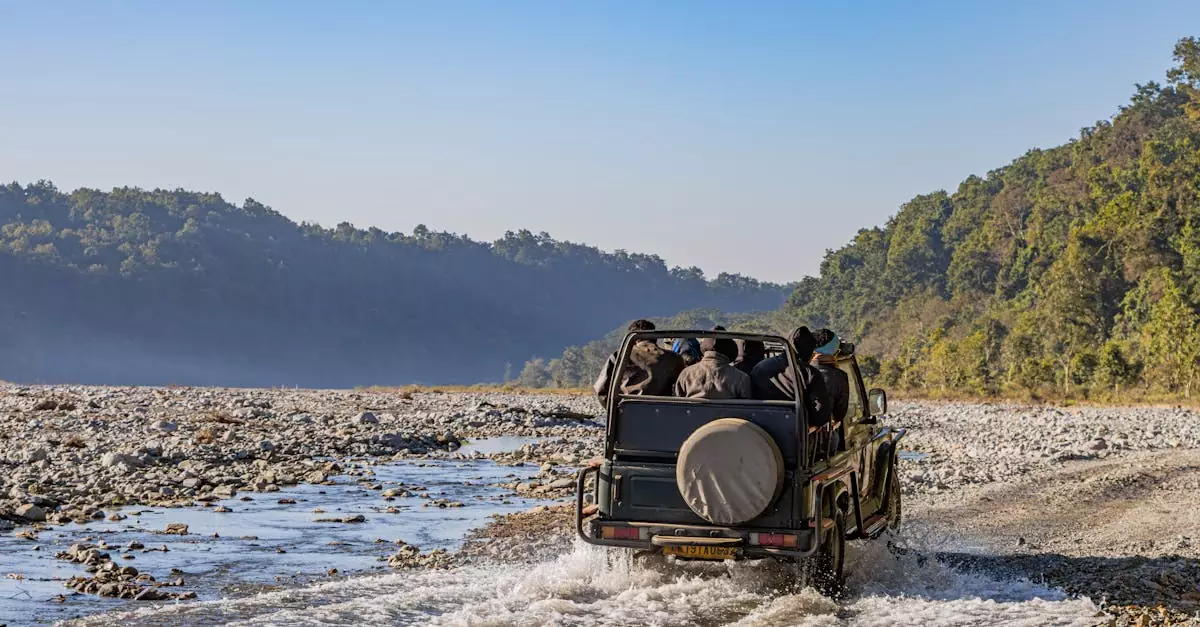
The time of year you visit has a big effect on the chitwan jeep safari price. Peak season runs from October through March, when pleasant weather and shorter grasses make wildlife easier to spot. Demand peaks during these months, so jeep rates hold firm and discounts are rare. Book a few days ahead if you’re traveling in this window; hotels and operators fill up quickly around Christmas and New Year, and you should expect peak pricing then.
From June to September the monsoon brings heavy rain and flooding in parts of the park, making many core routes unsafe for jeeps. Operators often limit safaris to the buffer zone during these months. With far fewer tourists, prices tend to be lower and there’s room to bargain with jeep owners. Keep in mind the downsides: heavy downpours, active leeches, and tall grasses that make visibility poor apart from birdwatching.
April and May form the hot shoulder season, with temperatures sometimes reaching 40C. Paradoxically, this is a promising time to see tigers as they visit waterholes to cool off. Rates are usually moderate and shared jeeps are easier to find than during the monsoon. Dust can be a nuisance, so the ride may be uncomfortable for some. If you can tolerate the heat and dry conditions, you may enjoy excellent wildlife encounters for a reasonable price. Always check the forecast before you go.
Comparison Table: Safari Options and Budget Estimates
The table below gives an estimated cost overview based on typical Sauraha rates for 2026. Figures are shown in Nepalese Rupees (NPR). Exchange rates fluctuate, so carry local currency for on-the-spot payments. Most small operators prefer cash and may not accept cards; if they do, a 3%5% bank surcharge is possible. Use the table as a planning aid, not a guaranteed quote.
| Expense Item | Half-Day (Private) | Full-Day (Private) | Shared Jeep (Per Person) |
|---|---|---|---|
| Park Permit (Foreigner) | NPR 2,000 | NPR 2,000 | NPR 2,000 |
| Jeep Rental Fee | NPR 18,000 | NPR 30,000 | NPR 3,500 |
| Guide Fee | NPR 2,500 | NPR 4,500 | Included |
| Estimated Total | NPR 22,500 | NPR 36,500 | NPR 5,500 |
Sharing a jeep is the budget-friendly route for solo travelers, while groups of four or more usually find a private jeep more economical per person. A private vehicle also gives you freedom to stop where you like and linger at good sightings. Shared jeeps tend to follow a fixed path and make shorter stops. Photographers who need time and space for lenses should opt for a private jeep to secure the best angles and avoid group pressure to move on quickly.
Pros and Cons of Choosing a Jeep Safari
Jeep safaris offer several clear benefits but come with trade-offs. They play a significant role in tourism in Nepal, providing livelihoods for drivers and guides while helping managers control visitor flow. At the same time, engine noise can disturb shy wildlife. The list below summarizes the main advantages and disadvantages.
- Pros: You can cover long distances and explore varied habitats.
- Pros: Its safer than trekking in areas inhabited by tigers and bears.
- Pros: The vehicle protects you from light rain and strong sun.
- Pros: Its easy to carry heavy camera gear and plenty of water.
- Cons: Engine noise can be loud and may spook some animals.
- Cons: The ride is often bumpy and uncomfortable for the back.
- Cons: Dust kicked up from tracks can affect your eyes and equipment.
- Cons: Movement is limited to established dirt tracks only.
For most visitors, a jeep safari becomes a trip highlight theres a unique thrill in watching a rhino from the safety of a vehicle. If you have back problems, tell the driver so they can ease off rough patches when possible. Bring a scarf or mask to block dust and consider a small cushion for hard seats. Many jeeps are open-topped, which gives excellent 360-degree views for birding and landscape photography, making the vehicle an efficient way to see the park.
Essential Tips for Saving Money on Your Safari
To keep your chitwan jeep safari price down, start by booking directly with jeep owners in Sauraha rather than through a Kathmandu agency that adds commissions. Walk along the main street in Sauraha to compare offers from several small offices; owners often negotiate, especially if you book multiple activities like a jeep safari plus a canoe trip.
Finding travel companions to share a jeep is another effective cost-saver. Hostels and hotels commonly have notice boards where you can post or look for shared-ride opportunities. Splitting a jeep with six others can drastically lower your per-person expense and make the park permit much more affordable. Remember that a permit is valid for the full day, so a morning jeep ride and a later buffer-zone activity can use the same permit just verify the date stamped on it before you leave the counter.
The roads inside Chitwan are unpaved, dusty, and occasionally muddy, so leave your best clothes at the hotel. Wood or thin-plastic seats in older jeeps can be hard; a small cushion helps. Keep expectations realistic: wildlife sightings are never guaranteed. Some outings reward you with several rhinos, while others may produce only deer. Patience and flexibility improve the chances of a satisfying experience.
Frequently Asked Questions
What is the average chitwan jeep safari price for a solo traveler?
As a solo traveler plan on paying roughly NPR 5,500 to NPR 6,000 for a seat in a shared jeep; this usually covers the park permit, your seat, and the guide. A private jeep is substantially more expensive, with prices starting around NPR 22,000.
Can I book a jeep safari online in advance?
Online bookings are available through many hotels and agencies, but expect to pay about 10% to 20% more than local in-person rates in Sauraha. If you prefer the lowest possible price, arranging the safari after you arrive is often the better option.
Are there any hidden costs I should know about?
Common extra costs include tips for your driver and guide, and the expense of a packed lunch on full-day trips. Hotels that prepare safari lunch boxes typically charge between NPR 500 and NPR 800 for this service.
Is the jeep safari safe for children?
Jeep safaris are generally safe for children aged five and up, but the trip can be long and bumpy. Make sure children can tolerate the heat, dust, and a few hours of sitting without becoming distressed.
What should I bring on my jeep safari?
Bring your park permit, plenty of water, sunscreen, and a hat. A scarf or mask will help against dust, and a light jacket is useful for chilly early-morning starts.
Conclusion: Planning Your Budget for Chitwan
Knowing the chitwan jeep safari price components permit, vehicle hire, and guide fees makes budgeting straightforward and reduces stress once you arrive. Though costs can seem high, the chance to observe rhinos, tigers, and other wildlife up close is the reward. Choose the format that matches your interests and comfort level, pack appropriately, and prepare for an unforgettable encounter with Nepals wildlife.