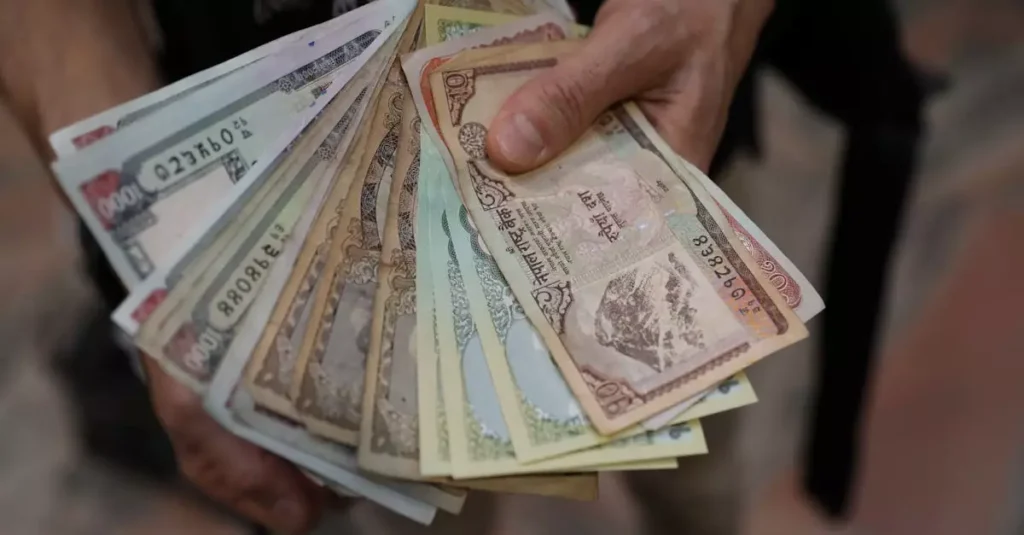
Introduction to Currency Exchange in Kathmandu
Arriving at Tribhuvan International Airport in Kathmandu is thrilling, but you’ll quickly discover that Nepali cash is essential. Most small shops, local taxis and street vendors rarely accept foreign credit cards or large banknotes. Having Nepalese Rupees (NPR) on hand makes the first hours far less stressful, and the airport is the easiest place to convert money right after you land. Nepal offers unforgettable scenery, but the practical side of travel starts with a pocketful of local currency.
Many visitors worry about the nepal currency exchange fee airport counters charge, since rates vary between booths inside the arrival hall. Those kiosks trade convenience for a margin on the displayed rate, and some apply fixed service charges as well. Knowing how those costs add up helps you protect your travel budget from the first moment you step off the plane. The information below lays out what to expect at airport counters in 2026 so you can plan accordingly.
Looking at the daily exchange rate is only one piece of the puzzle when you manage your nepal exchange cost. Service fees, commission structures and the buy/sell spread can have as much impact as the headline rate. For immediate needstaxis, a local SIM card, or a small mealthe airport works well. For larger exchanges, the city usually offers better value. Read on for practical tips and locations to make smarter choices.
Understanding the Nepal Currency Exchange Fee Airport Process
When you step into the arrivals area at Kathmandu, several currency exchange counters line the baggage claim and exit corridors. The nepal currency exchange fee airport counters charge is frequently hidden in the posted rate: the number on the board is commonly a few rupees worse than the interbank figure. In addition, many booths add a set service feetypically between 100 and 500 Nepalese Rupeesso always ask for the exact charge before handing over your cash.
The Nepal Tourism Board advises using licensed exchange booths for security and clear documentation. Authorized counters issue formal receipts, which you will need if you plan to convert leftover NPR back into another currency later on. Most banks and official exchangers will refuse to buy back local money without the original receipt. The process at the airport is usually quickplan for five to ten minutesand you must present your passport; staff will copy your visa page and photo page for their records.
Airport rates are updated daily following the central bank’s guidance, but each counter keeps a small margin to cover operating costsoften 2% to 5%. For instance, an official rate of 132 NPR per USD might be displayed as 128 NPR at a booth. That spread forms part of your overall nepal exchange cost. For modest sums the difference is minor; for larger amounts, consider changing only enough for immediate needs and completing the rest in Kathmandu.
Factors Influencing Your Nepal Exchange Cost in Kathmandu
A handful of things shape the nepal exchange cost you ultimately pay. The Nepalese Rupee’s movements are tied closely to the Indian Rupee, so shifts in India’s economy ripple through Nepal. The type of foreign notes you bring matters too: US Dollars, Euros and British Pounds are accepted widely and attract better rates, whereas less common currencies often receive higher commissions and worse quotes at airport desks.
Location matters. Airport booths face steep rents and overheads and pass those expenses to customers; city money changersespecially in Thamelcompete fiercely and provide tighter spreads. Youll often see a 1% to 2% difference between airport and downtown rates. Thats why many seasoned travelers convert only about $50 on arrival and wait to change the bulk of their cash in the city.
Seasonal demand can alter availability and price. Spring and autumn trekking seasons bring heavy flows of hikers, and the official tourism portal records large arrivals during those months. High demand can even drain airport ATMs; if you depend on them, expect extra fees. Local ATMs typically charge around 500 NPR per withdrawal for foreign cards, so factor those charges into your travel budget.
Best Places to Exchange Money at Tribhuvan International Airport
Tribhuvan International Airport offers two main exchange zones. The first set of booths sits inside the arrival hall before customs, which is handy if you need foreign currency to pay for a visa on arrivalvisa fees must be paid in major foreign currencies, not NPR, and many travelers prefer USD for this reason. After clearing customs and collecting luggage, a second row of counters stands near the exit where taxi drivers wait.
Reputable bank-operated counterssuch as those run by Nabil Bank or Standard Charteredtend to be trustworthy and supply clear receipts for each transaction. It pays to compare the electronic boards of at least two booths; even small differences add up for families or groups. Some counters will offer better rates or waive the service fee for transactions over a certain amount, so it doesn’t hurt to ask if they can improve the deal when you’re exchanging larger sums.
Several ATMs sit just outside the arrival terminal, and withdrawals can sometimes be cheaper than a manual exchange, depending on your home bank’s charges. If your bank levies high international withdrawal fees, the counter may be preferable. Many travelers mix methods: a small cash exchange on arrival for essentials, then ATM withdrawals or city exchanges for daily spending. Look for the ATM sticker that shows the maximum withdrawal limitoften around 35,000 NPR.
Comparing Airport Rates vs. City Money Changers
City money changers usually beat airport rates. In Thamel, licensed exchangers compete in close proximity, which tightens spreads and lowers service fees. That competition can push rates near the mid-market level, so if your schedule allows, changing the bulk of your funds in town can save a noticeable amountsometimes enough to pay for an extra meal or local trip.
The Tourism in Nepal sector still depends heavily on cash in remote areas. If you’re heading to Everest, Annapurna or other mountain regions, convert enough money in Kathmandu before flying to Lukla or traveling to Pokhara; local villages usually offer poor exchange rates and ATMs are unreliable or nonexistent. Ask for smaller notes100 and 500 Rupee denominationsbecause 1000 Rupee bills are often difficult to change at tea houses and local markets.
When weighing nepal currency exchange fee airport vs. city, include the taxi cost from the airport to central neighborhoods. A ride to Thamel costs roughly 800 to 1200 NPR, and youll need local cash immediately. Pre-booked transport or a complimentary hotel pickup can let you bypass airport exchanges entirely; if your hotel provides an airport transfer, you can head to Thamel and find better rates at your leisure.
Comparison Table: Exchange Options in Kathmandu
| Location | Average Fee | Rate Quality | Convenience |
|---|---|---|---|
| Airport Counter | 200 – 500 NPR | Moderate | Very High |
| Thamel Money Changer | 0 – 100 NPR | Excellent | High |
| Airport ATM | 500 NPR | Bank Rate | High |
| Hotel Front Desk | Variable | Poor | Moderate |
Pros and Cons of Airport Currency Exchange
Choosing where to exchange cash is a question of speed versus value. The airport provides immediate access and reduces the hassle of wandering a new city with luggage. Counters operate under security oversight and typically issue receipts, which lowers the risk of scams or counterfeit notes. Those conveniences, however, come with a price: less favorable rates and extra fees.
- Pros: Immediate access to cash for taxis and SIM cards.
- Pros: Safe and regulated environment with official receipts.
- Pros: Open 24/7 to match international flight arrivals.
- Cons: Lower exchange rates compared to the city center.
- Cons: Fixed service fees can be high for small amounts.
- Cons: Long queues during peak arrival times can be tiring.
If you land late at night, the airport may be your only practical option because most city money changers close by about 8:00 PM. Arrivals around midnight often force travelers to accept airport rates. For planning purposes, allow an extra five to ten US dollars for initial airport-related costs so you aren’t caught off guard.
Practical Tips for Managing Your Nepal Exchange Cost
Bring crisp, unmarked banknotesexchange counters in Nepal can be strict about bill condition. Tears, heavy folds, ink marks or older series notesespecially older US Dollarsare sometimes refused or accepted at a worse rate. Newer series notes receive the most favorable treatment and reduce the chance of problems at the window.
Always count your cash twice before leaving the counter and check the amount against the receipt. Even honest booths can make mistakes in busy moments. Request a mix of denominations: keep 1000 NPR notes for hotel bills and larger purchases, while 100 and 50 NPR notes are useful for tips, snacks and local transport where change may be limited.
Store your exchange receipts safely, for example inside your passport cover. Nepal limits how much local currency you can take out of the country, and exit-side exchangers will ask for the original receipts when converting leftover NPR back into foreign currency. Following this practice simplifies your departure and avoids last-minute hassles.
Frequently Asked Questions
What is the typical nepal currency exchange fee airport counters charge?
Most airport counters apply a fixed service fee in the range of 100 to 500 Nepalese Rupees and offer rates that are typically 2% to 5% worse than the official market quote. That combined cost reflects the convenience of changing money at the terminal.
Can I pay for my Nepal visa with Nepalese Rupees at the airport?
No, visa-on-arrival fees at Kathmandu’s immigration desks must be paid in major foreign currencies such as USD, EUR or GBP. Have the correct amount of foreign currency ready to avoid delays.
Are ATMs available at Kathmandu airport for currency?
Yes. Several ATMs are positioned near the arrival and exit areas and accept international Visa and Mastercard. They usually charge around 500 NPR per withdrawal for foreign-issued cards. Check your home bank’s fees too, since those will affect the total cost.
Should I exchange all my money at the airport?
It’s generally not advisable to exchange everything at the airport because downtown rates are better. Change roughly $50 to $100 on arrival for taxis and immediate needs, then use licensed money changers in Thamel for larger sums.
Is it safe to exchange money at the airport in Kathmandu?
Yes. Airport exchangers are licensed and operate under airport oversight, issuing official receipts. Still, count your cash before you leave the counter to ensure the transaction is correct.
Final Thoughts on Nepal Currency Exchange Fee Airport
Dealing with the nepal currency exchange fee airport system is a routine part of visiting Kathmandu. While airport rates are higher than those in town, the convenience and security make the initial exchange worthwhile for many travelers. Knowing the common fees, preparing clean bills and keeping receipts will prevent surprises and smooth your trip.
Digital payments are expanding, but cash remains essential across much of Nepal. Use airport exchanges for immediate needs and plan to complete larger conversions in the city for better value. With a sensible cash strategy in place, you can spend more time enjoying Nepal’s landscapes and culture instead of worrying about money matters.