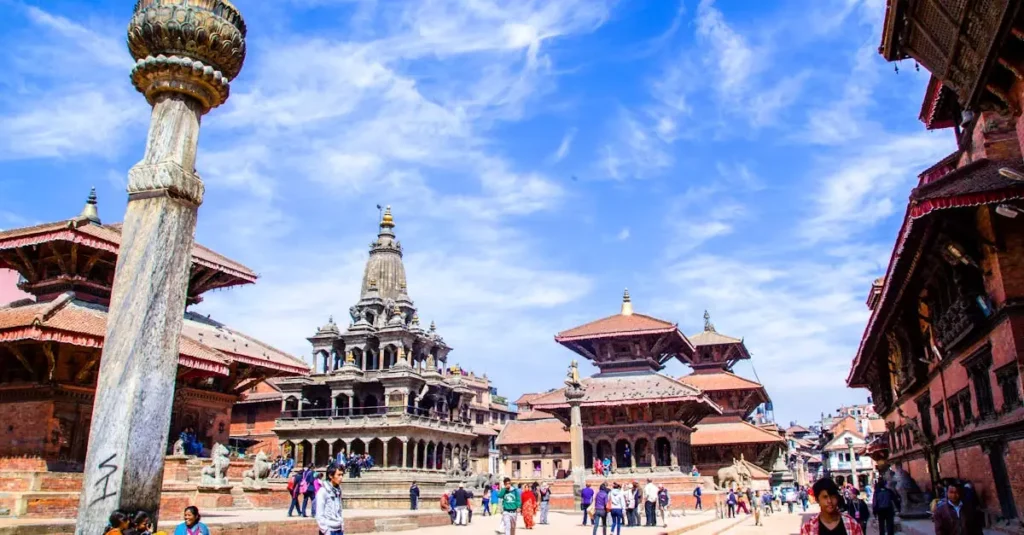
Introduction to Dining in Nepal’s Capital
Kathmandu greets mornings with the scent of spices sizzling in pans and kettles of steaming tea. For many visitors, sampling the city’s food scene becomes the most memorable part of their Nepal itinerary. Knowing what to expect from prices makes it easier to balance your spending while wandering through this ancient valley. From tucked-away street carts to elegant rooftop venues in Thamel, the range of tastes and settings is striking.
When organizing your trip, factor in the kathmandu food cost per day so you dont get hit by unexpected bills. Costs shift widely depending on dining choices and how indulgent you want to be. Whether youre a backpacker craving cheap momos or someone treating themselves to upscale dining, Kathmandu has options across the spectrum. Below is a detailed 2026 breakdown of typical meal expenses to help with planning.
The city blends culinary influences from across the Himalayas. Expect classic Newari platters, Tibetan specialties, and an expanding selection of international restaurants. For many foreign visitors, the low cost of living makes eating out particularly affordable. Use this guide to find great local flavors without blowing your budget during your stay.
Average Kathmandu Food Cost Per Day for Different Budgets
Your daily food spend in Kathmandu varies with travel style and comfort expectations. Frugal travelers can often manage on roughly $10 to $15 USD each day. That normally covers a simple breakfast, a filling Dal Bhat at lunchtime, and an inexpensive dinner at a neighborhood eatery. Eating where locals do tends to be both cheaper and more authentic. For broader trip budgeting, check the general kathmandu travel cost.
Travelers seeking a bit more comfort should plan on $25 to $40 USD per day for food. This allows stops at popular cafs and mid-range restaurants with varied menus. Youll be able to enjoy specialty coffee, international plates like pasta or tacos, and better-quality meat dishes. These places usually add conveniences such as comfortable seating, WiFi, and calmer atmospheres; some include service charges and taxes so inspect prices carefully.
Those who prefer fine dining will find daily bills easily top $60 USD. Several upscale hotels and heritage restaurants offer multi-course menus and wine lists. A single meal at a top establishment can match several days worth of a budget travelers expenses. Even so, these high-end experiences typically remain less expensive than comparable venues in Western Europe or North America.
Breaking Down the Kathmandu Food Price by Meal
To understand the kathmandu food price more clearly, lets examine typical costs per meal. A simple breakfastthink a cup of milk tea and a Sel Roti (local fried bread)can be as little as 150 NPR ($1.15). If you prefer a Western-style morning meal with eggs, toast, and coffee, expect around 500800 NPR ($3.80$6.00). Small bakeries in Thamel often sell affordable pastry combos popular with early explorers.
Lunch is commonly the days largest meal for many Nepalis. A traditional plate of Dal Bhat (rice, lentil soup, and vegetable curries) at a roadside spot usually costs 300500 NPR ($2.30$3.80), and many places offer free refills of rice and dal. In tourist-heavy zones, a burger or pasta for lunch typically falls between 700 and 1,200 NPR ($5.30$9.00). For cultural context on dining, see the Nepal Tourism website.
Dinner prices often run a bit higher than lunch, particularly in central areas. Ten steamed momos generally range from 200 to 450 NPR ($1.50$3.40) depending on filling. Dining at a venue with live music or a garden atmosphere can push a main course plus a drink to 1,500 NPR ($11.30) or more. Cheap street snacks like Chatpate or Pani Puri usually cost under 100 NPR ($0.75) per serving.
The Cost of Popular Local Dishes and Snacks
Momos are found on nearly every street and are a must-try for visitors. Their price also reflects where youre eating: a veg momo plate may be around 150 NPR at a local stall, while buff (water buffalo) or chicken versions are about 200 NPR. In upscale Thamel restaurants, those same momos can be 450 NPR or more. When busy and fresh, the more affordable spots often deliver excellent flavor.
Dal Bhat fuels daily life across Nepal and offers insight into the countrys food culture. Typically served on a metal plate with various sides like pickles and greens, a vegetarian Dal Bhat at a roadside ‘Bhatti’ costs roughly 300 NPR. In a Thakali restaurant, known for higher quality, prices usually range from 600 to 900 NPR. Because of unlimited refills, Dal Bhat is one of the easiest ways to keep your kathmandu food cost per day down.
Newari dishes are another regional highlight. A Samay Baji setfeaturing beaten rice, roasted meats, ginger, and beansdelivers complex flavors and usually costs between 400 and 700 NPR at authentic eateries in Patan or Bhaktapur. For readers curious about the regions tourism history, see tourism in Nepal. Sampling these traditional meals connects you to local heritage while staying budget-conscious.
Comparison Table: Dining Costs by Category
To help visualize spending, the table below lists typical prices across different dining categories in Kathmandu. These are average 2026 figures and may change slightly. Amounts are shown in Nepalese Rupees (NPR) with approximate US Dollar (USD) equivalents for reference.
| Dining Type | Item Example | Price (NPR) | Price (USD) |
|---|---|---|---|
| Street Food | Pani Puri / Chatpate | 80 – 150 | $0.60 – $1.15 |
| Local Eatery | Veg Dal Bhat (Refillable) | 300 – 450 | $2.30 – $3.40 |
| Tourist Cafe | Chicken Burger & Fries | 750 – 1,100 | $5.60 – $8.30 |
| Mid-Range Resto | Wood-fired Pizza | 900 – 1,400 | $6.80 – $10.50 |
| Fine Dining | Multi-course Set Meal | 3,000 – 5,500 | $22.50 – $41.30 |
As the table illustrates, the kathmandu food price changes a lot by venue. Combining mostly local meals with the occasional caf visit usually keeps costs comfortable. Many travelers find that about 2,500 NPR ($19 USD) per day covers one nicer sit-down meal plus two simpler local ones. Dont forget to budget for bottled water and snacks, which can add roughly 300 NPR to daily expenses.
Beverage Prices and Drinking Habits in Kathmandu
Keeping hydrated matters when youre walking Kathmandus dusty lanes. A one-liter bottle of mineral water at a shop commonly costs 2540 NPR ($0.20$0.30). In restaurants, that same bottle may sell for around 100 NPR or more. To cut costs and reduce plastic, many travelers use purification tablets or carry reusable bottles with filters. The Nepal Tourism Board offers additional travel and safety tips.
Coffee culture has boomed in recent years. Expect an Americano or latte at a specialty caf to be 250450 NPR ($1.90$3.40). If you prefer local tea, a small glass of masala chai from a street vendor costs roughly 3050 NPR. Tea plays a central social role in Nepal and sampling different varieties is an inexpensive way to soak up local atmosphere. Many cafs also provide free WiFi, which makes them popular with freelancers and travelers planning their next move.
Alcohol prices are relatively high due to steep taxes. A 650ml bottle of local beer such as Everest or Gorkha is typically 500800 NPR in restaurants. Thamel sometimes runs ‘Happy Hour’ deals, but drinks still represent a sizeable addition to your daily bill. Locally produced spirits like ‘Raksi’ are much cheaper but should be consumed cautiously. If you plan to drink frequently, expect your kathmandu food cost per day to rise by at least $10$15 USD.
Pros and Cons of Eating in Kathmandu
Eating in Kathmandu can be a delight, yet there are trade-offs to consider. The city serves up flavors youre unlikely to find elsewhere, but standards of hygiene and infrastructure vary from place to place. Being prepared helps you enjoy meals more comfortably.
- Pros: Very affordable, excellent vegetarian options. Wide selection of international cuisines in tourist areas. Generous portionsespecially with refillable Dal Bhat. Authentic cultural experiences from Newari feasts and local specialties.
- Cons: Some risk of stomach upsets when hygiene is inconsistent. Occasional power outages can interrupt service. High taxes on imports and alcohol inflate prices. Busy, noisy settings in popular spots may not suit everyone.
One clear benefit is the abundance of fresh, locally sourced producemany places buy straight from nearby farms. The flip side is that eating in tourist-heavy neighborhoods like Thamel can cost twice as much as similar food a short distance away. Part of the adventure is learning where to find great value; aim for busy, wellturnedover places to minimize risk.
Practical Tips to Manage Your Food Budget
You can control your kathmandu food cost per day with a few practical habits. Make lunch your main mealDal Bhat offers the best value and keeps you full for hours. Avoid imported items such as steak or sushi when watching costs; those depend on pricier ingredients and often carry steep markups.
Explore neighborhoods beyond Thamel for better pricesPatan and Kirtipur, for example, host fantastic, affordable eateries. Look out for bakery ‘evening sales’ where pastries are discounted after 7:00 PM; these deals are common and provide cheap breakfast options for the next morning.
Reality Check: Street food is tempting but exercise caution with water-based dishes like Pani Puri since the water may not always be filtered. Favor fried or steamed foods prepared in front of you. Also remember that larger restaurants frequently add a 10% service charge and 13% VATconfirm whether menu prices include these to avoid surprises when paying the bill.
Frequently Asked Questions
Is street food safe to eat in Kathmandu?
Street food can be safe if you pick busy stalls where dishes are cooked hot and to order. If your stomach is sensitive, skip raw salads and water-based snacks. Fried or steamed items like momos and samosas are generally safer choices.
How much should I tip at restaurants in Kathmandu?
Tipping isnt mandatory, especially when a 10% service charge appears on the bill. Still, leaving small change or 50100 NPR for particularly good service is welcomed. In tiny tea shops, tipping isnt usually expected.
Are there many vegetarian and vegan options?
AbsolutelyKathmandu caters very well to vegetarians and vegans. Many traditional Nepali dishes are vegetable-based, and restaurants will often adapt plates to be vegan on request. Lentils, beans, and vegetable curries are widely available and inexpensive.
Can I pay with a credit card in restaurants?
Credit cards are commonly accepted at mid-range and high-end restaurants in Thamel and major hotels. Small local eateries and street vendors, however, take only cash in Nepalese Rupees. Carry enough cash to cover daily food purchases.
What is the most expensive food item in Kathmandu?
Imported goods like alcohol, specialty cheeses, and certain cuts of meat are the priciest items. A bottle of imported wine or a gourmet steak at a luxury hotel can cost far more than traditional local meals. Sticking to local ingredients is the easiest way to save.
Conclusion: Planning Your Food Budget for Kathmandu
The kathmandu food cost per day is flexible enough to suit almost any traveler. By mixing affordable local staples with occasional caf treats, you can enjoy a varied culinary experience without overspending. Many visitors manage comfortably on about $20$25 USD per day and still try a wide range of dishes. Kathmandu remains one of Asias most wallet-friendly capitals for food enthusiasts in 2026.
Dining in this city is about more than savingsit’s about sharing plates of momos with new friends and warming up with chai on a cool morning. Whether you eat in a quiet courtyard or beneath the buzz of a street stall, Nepals flavors are unforgettable. Plan realistically, stay curious, and savor each bite during your time here.