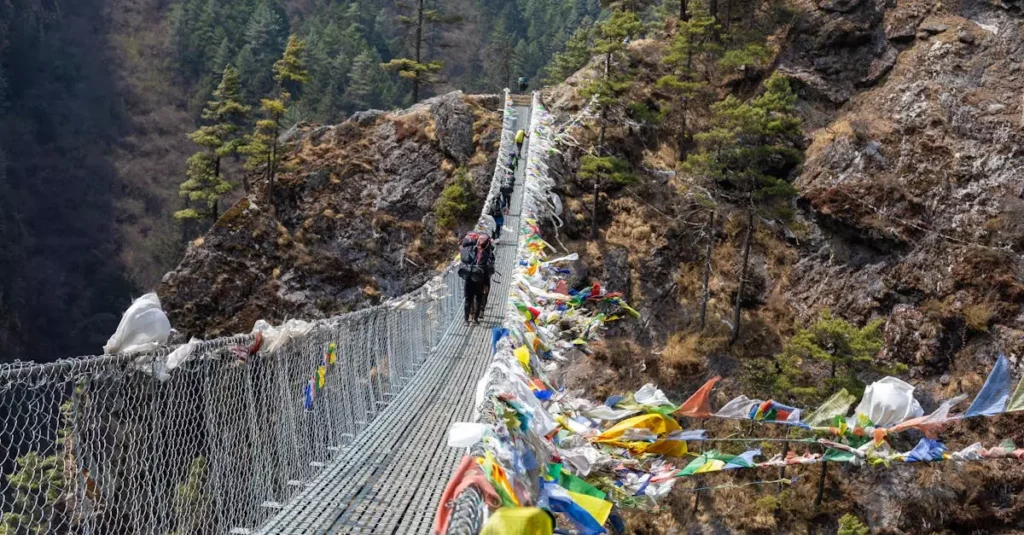
Introduction to Everest Trekking Costs
Heading to the base of Mount Everest takes more than physical training; it requires a sensible money plan. Many trekkers want to know the ebc trek budget breakdown per day so they can avoid unexpected expenses. Nepal is home to those famous highland trails, and a clear picture of likely costs makes it easier to stay comfortable on the way. Make sure your plan factors in meals, overnight stays, and the small but frequent fees you encounter at altitude.
The Khumbu region sits far from major roads, so supplying villages becomes progressively costlier the higher you go. The Nepal Tourism Board reports large annual visitor numbers to the area. Typical daily spending for basic needs usually falls in the thirty to sixty dollar band, depending on how much comfort you want and whether you pay for extras such as hot showers or private rooms.
This piece breaks down the costs youll meet along the route and shows how the everest daily trek cost changes by traveler type. Whether youre trekking alone or with a group, the figures here are realistic for the 2026 season. Planning your finances ahead helps you enjoy the scenery without constant money worries.
Understanding the Everest Daily Trek Cost
The everest daily trek cost is a key figure when you budget for this route. In 2026, most travelers spend roughly $40 to $55 per day for three basic meals and a bed in a standard teahouse. Flights and permits sit outside this daily average, and you should carry cash in local currency since ATMs are scarce once you leave the lowlands; Namche Bazaar is usually the last dependable machine.
Prices rise with altitude because everything must be carried up steep trails by porters, animals, or helicopters. For example, water thats cheap in Lukla becomes several times more expensive near Gorek Shep. Many lodges require guests to eat where they stay to keep room costs down; choosing to dine elsewhere can sharply increase what you pay for a night. This policy is common along the entire Everest trekking corridor.
Build a small emergency buffer into your budget for things like device charging, satellite internet, or an occasional hot showerthese extras can quickly add about ten dollars a day. Preparing for a slightly higher everest daily trek cost gives you breathing room for unforeseen needs and reduces stress if schedules change or weather delays flights.
EBC Trek Budget Breakdown Per Day
Working out an ebc trek budget breakdown per day makes keeping track much simpler. Expect to spend about $25 daily on food if you pick standard menu items such as breakfast, lunch, and a filling dinner like Dal Bhat. Lodging is relatively inexpensiveusually $5 to $10 per nightprovided you buy your meals at the same teahouse; rooms rented without food included tend to cost far more.
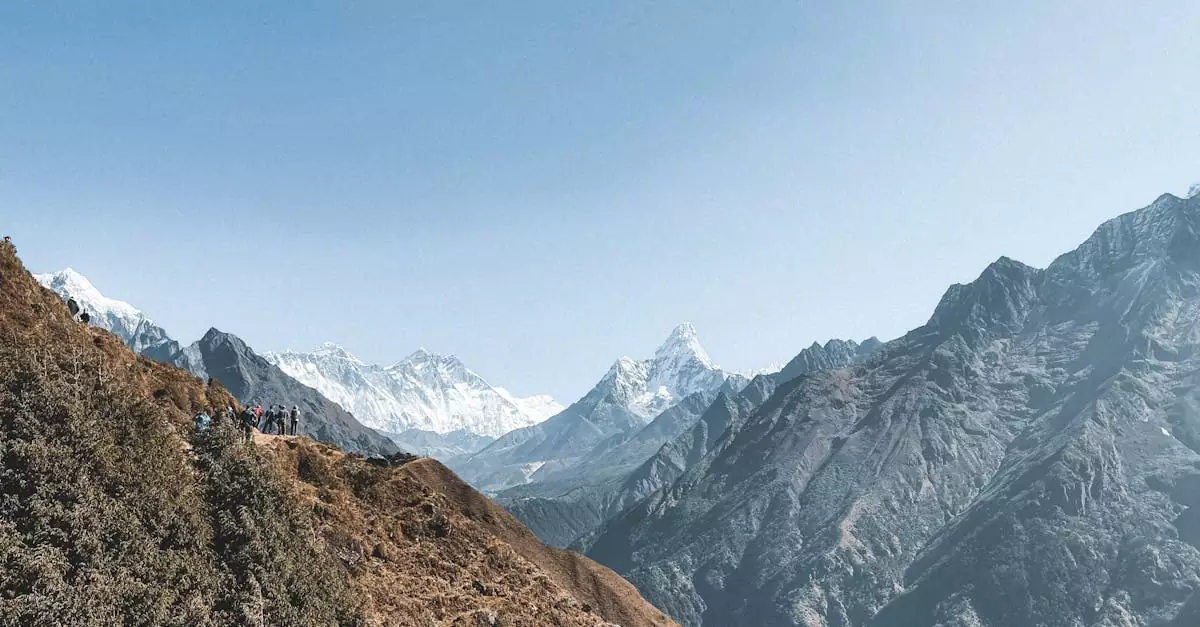
Daily extras such as bottled water, snacks, and small treats add up. Allocate at least $5 a day for watereither purified or bottledand plan for $2$4 for a hot tea or coffee. Charging devices typically costs $3$7 per full charge. These minor items are often why trekkers overshoot their budgets, so recording small purchases each evening helps you stay on target.
For a comfortable mid-range trek, aim for about $50 per day, which covers decent meals, a private room when available, and occasional comforts. Frugal travelers can trim that to roughly $35 by avoiding bottled water, skipping showers, and using purification tablets. At the opposite end, luxury options with en-suite facilities and electric blankets can push daily costs above $100your choices set the final price of the journey.
Accommodation Costs in the Everest Region
Accommodation along the route is dominated by teahouses: plain mountain inns offering twin rooms, wooden beds, and thin mattresses. Checking resources like Nepal Tourism helps you stay aware of local rules. In lower villages such as Phakding rooms are roomier and sometimes include blankets; at higher elevations, spaces shrink and the air becomes noticeably colder. Regardless of where you sleep, a quality sleeping bag is essential.
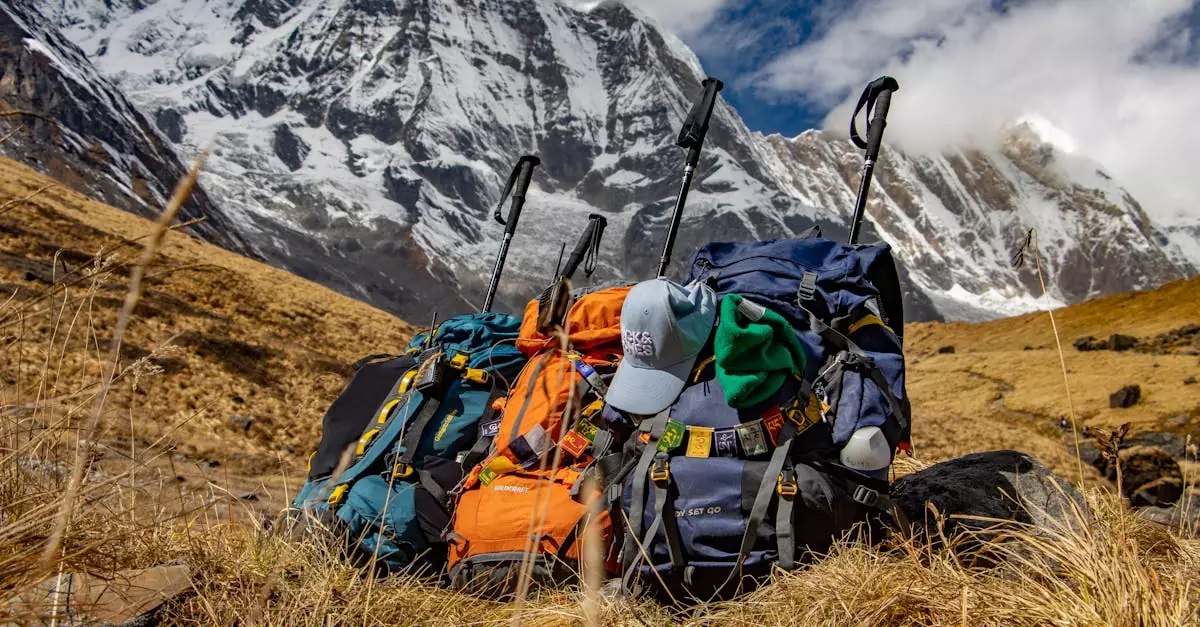
Room rates make up a small slice of your ebc trek budget breakdown per day. Typical charges range from 500 to 1000 Nepalese Rupees for a basic bed. During busy spring and autumn seasons prices rise with demand, and upscale lodges in Namche or Dingboche may ask $50 or more for premium rooms with amenities like electric blankets and private toilets. For most trekkers, standard teahouses offer adequate rest after an arduous day on the trail.
Keep in mind that bedrooms are rarely heated; warming is usually limited to the central dining area, fueled by a yak-dung stove. Once you leave that room its often quite cold, so youre paying mainly for a secure place to sleep rather than hotel comforts. Verify that windows close properly and check the room before committingsmall attention to detail improves your nights at altitude.
Food and Water Expenses Along the Trail
Food is the most changeable part of the everest daily trek cost. Menus are similar across villages, blending Nepalese staples with international options. Dal Bhata plate of rice, lentils, and vegetables with free refillsis the most common and economical choice. Its price is about $6 lower down and can reach $10 as you gain elevation. Other common dishes include pasta, fried rice, and noodle plates.
Growth in Tourism in Nepal has improved services but also driven up prices in remote spots. In Namche youll find bakeries selling items like apple pie and fresh coffee for around $5. Above Namche most seasoned trekkers avoid meat because its carried up and can spoil over the long haul; sticking to vegetarian options tends to be both safer and cheaper while still supplying enough calories for the trail.
Staying hydrated is essential for altitude health but can be costly if you rely on bottled water. Carrying a reusable bottle and treating tap water with purification tablets or a UV filter cuts your daily water cost dramatically. Boiled water is sometimes sold by teahouses for a small fee and is a safer alternative to untreated sources. Smart water management keeps you healthy and saves money.
Permit Fees and Transportation Logistics
A few mandatory fees and travel legs precede the trek itself. The KathmanduLukla flight is generally the priciest single expense; in 2026 round-trip fares for foreign visitors run about $400$500. That short but scenic flight lands at the compact Tenzing-Hillary strip. If you prefer to save money, you can bus to Jiri or Phaplu and walk the additional days to Lukla, which reduces transport costs but lengthens the itinerary.
Two main permits are required to enter the Khumbu area: the Khumbu Pasang Lhamu Rural Municipality permit (around $20) and the Sagarmatha National Park entry permit (about $30). You can obtain these at the trailhead or in Monjo during the trek. Keep them dry and accessible because checkpoints will ask to see them; not having valid permits can lead to fines or being turned away. These fees help maintain trails and community services.
Local travel is mostly on foot, by pack animals, or in emergencies by helicopterthe latter can cost well over $3,000. For that reason, comprehensive insurance covering high-altitude evacuations is essential. Guides and porters are available for hire: porters typically charge $20$30 per day and can carry up to 20 kg. Hiring local staff supports the mountain economy and makes the journey safer and more enjoyable.
Pros and Cons of Different Budgeting Styles
Your choice between a shoestring and a luxury approach changes both cost and comfort. Staying frugal stretches your time on the trail and leads to more communal interaction in teahouses, but shared facilities and cold rooms can be tiring over two weeks. Budget trekkers need strict discipline to make their cash last for the whole trip.
- Pros of Budget Trekking: Lower overall cost, more authentic contact with locals, sociable evenings in communal dining areas.
- Cons of Budget Trekking: Shared toilets, rare hot showers, limited device charging, and colder sleeping quarters.
- Pros of Luxury Trekking: Private bathrooms, electric blankets, wider food choices, and less physical discomfort.
- Cons of Luxury Trekking: Much higher daily bills and fewer chances to mingle with other trekkers.
Most visitors choose a middle path: stay in standard teahouses but pay for occasional comforts like a shower or WiFi. That mix helps recovery without blowing the budget. You can splurge in Namche and cut back higher up, adjusting as your body and appetite change with altitudeappetite often decreases, which naturally reduces food spending.
Comparison Table: Daily Trekking Costs
| Expense Item | Budget Traveler (USD) | Mid-Range Traveler (USD) | Luxury Traveler (USD) | |
|---|---|---|---|---|
| Accommodation | $5 – $7 | $10 – $25 | $50 – $150 | $25 – $35 |
| Meals (3 per day) | $20 – $25 | $30 – $45 | $50 – $80 | |
| Water & Snacks | $2 – $5 | $7 – $12 | $15 – $25 | |
| Charging & Wi-Fi | $0 – $3 | $5 – $10 | Included | |
| Total Daily | $27 – $40 | $52 – $92 | $115 – $255+ |
Practical Tips for Saving Money on the Trek
Preparation drastically reduces your ebc trek budget breakdown per day. Bring a large-capacity power bank so you rarely pay to charge devices at lodges. Solar panels clipped to your pack can help too. Over a fortnight these steps could save you $50 or more. Carrying your own tea bags or instant coffee lets you pay only for hot water rather than expensive drinks.
Stock up on snacks and energy bars in Kathmandu since prices skyrocket after the flight to Lukla. A bag of nuts or dried fruit provides concentrated calories for far less than mountain prices. Trekking during shoulder months can sometimes yield lower room rates; while peak-season pricing is usually fixed, early March or late May may allow for small bargains. Always be courteous when asking for reductionsyour behavior matters to the local hosts.
Skip satellite WiFi cards like Everest Link if you want to save; theyre expensive and can be unreliable. Embrace a digital break and enjoy the landscape, or use a local SIM with data in lower villages where reception is reasonable. Cutting these small tech costs helps keep your everest daily trek cost at a sensible level.
FAQs About EBC Trek Budgeting
How much cash should I carry for the EBC trek?
Carry about $600$800 in Nepalese Rupees for a standard 12-day itinerary. That amount usually covers meals, accommodation, and incidental expenses like charging or showers. Its wise to have some extra for flight delays or other emergencies.
Are there ATMs available on the Everest Base Camp trail?
There are ATMs in Lukla and Namche Bazaar, but they can be unreliable or out of cash. Dont depend on them; withdraw what you need in Kathmandu before you set out.
Is tipping mandatory for guides and porters?
Tipping isnt legally required but its firmly expected by the trekking community. A common practice is to tip around 15% of the total service cost at trips end. These tips form a crucial part of income for local staff.
Can I pay with a credit card at teahouses?
Most teahouses accept only cash in Nepalese Rupees for daily expenses. A few upscale lodges in Namche may take cards but often add a 34% fee. Keep physical cash handy for routine payments.
What is the most expensive part of the EBC trek?
The KathmanduLukla flight is typically the priciest single cost at about $500. Across the full trek, food becomes the largest ongoing expense, with permits and insurance following closely.
Conclusion
Keeping a clear ebc trek budget breakdown per day makes the Everest Base Camp journey far less stressful. By understanding expected costs for food, water, and lodging you can plan a realistic budgetmany find $50 per day adequate depending on comfort choices. Dont forget to factor in flights and required permits, and support the local economy through fair tipping and hiring local guides. With good preparation, you can concentrate on the incredible scenery and the achievement of reaching the base of the worlds highest peak.