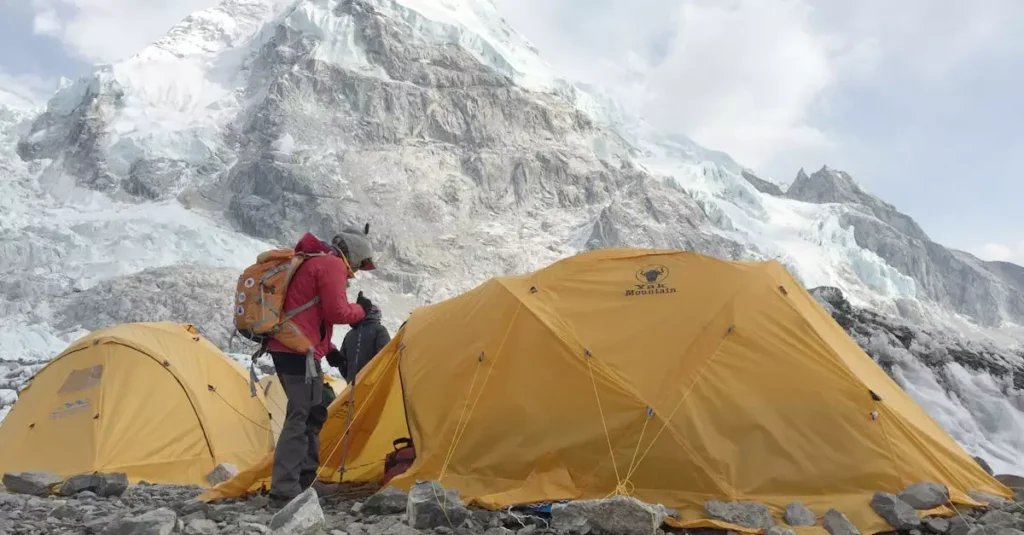
When considering a journey to the Everest Region in Nepal, a crucial decision arises early on: should you opt for teahouses or set up camp in tents? This comparison of teahouse versus tent costs for the EBC trek provides insight into the financial implications, as well as the comfort, timing, and logistics of each option. The choice isnt straightforward. While teahouses may initially seem more affordable, tents could be a better fit for certain groups or routes.
The Everest Base Camp trek is renowned as one of the most popular hiking routes in Asia. It attracts a lot of trekkers during peak season, features chilly temperatures at higher elevations, and involves long days of walking. Your choice of accommodation significantly influences your daily expenses, the weight of your pack, and your overall trekking experience. This guide aims to offer a practical comparison of the costs associated with everest teahouse and camping, along with candid insights regarding crowd levels, transportation, and seasonal variations.
Within this content, youll also discover valuable information about distance, timing, and budget planning for 2026. If youre seeking a straightforward and realistic perspective on the ebc trek teahouse versus tent cost comparison, this guide will assist you in making an informed decision based on your group size, comfort preferences, and planned route.
EBC Trek Teahouse vs Tent Cost Comparison: What Changes the Budget?
The primary distinction in the cost comparison between teahouses and tents during an EBC trek is the nightly expense. Teahouses typically charge for room accommodations while meals are purchased on-site. In contrast, a camping trek involves costs for tents, kitchen support, fuel, food supplies, and often requires a larger crew. As a result, daily expenses can escalate quickly, even if the accommodation appears free at first glance.
On the Everest Base Camp route, teahouse prices can vary widely, from budget-friendly options in lower villages to pricier accommodations as you ascend. A basic room might cost anywhere from USD 5 to 20 per night during peak seasons, but the true costs often come from meals, hot beverages, charging devices, and shower access. Camping trips can incur significantly higher per-person costs due to the need for porters, guides, cooks, and the transportation of equipment. For private or smaller groups, the total expenses can surpass those of a teahouse trek.
The distance covered also plays a vital role. The classic EBC trek spans approximately 130 km to 140 km round trip, depending on side excursions and route selections. Most trekkers typically require 12 to 14 days to complete the journey, not accounting for additional acclimatization or weather-related delays. More days translate to increased expenses for meals, porter services, and accommodation. Hence, the overall budget is influenced by the trekking style, not just the type of shelter chosen.
For official tourism information in Nepal, check the Nepal Tourism Board.
Teahouse Trekking in Everest Region: Cost, Comfort, and Daily Life
Teahouse trekking stands out as the most popular option in the Everest Region, Nepal. Its particularly suitable for solo trekkers, couples, and small groups seeking a straightforward experience. Accommodation is provided in lodges along the trail, where you can enjoy local dishes like dal bhat, noodles, soups, and tea. This approach simplifies logistics and often results in lower overall costs.
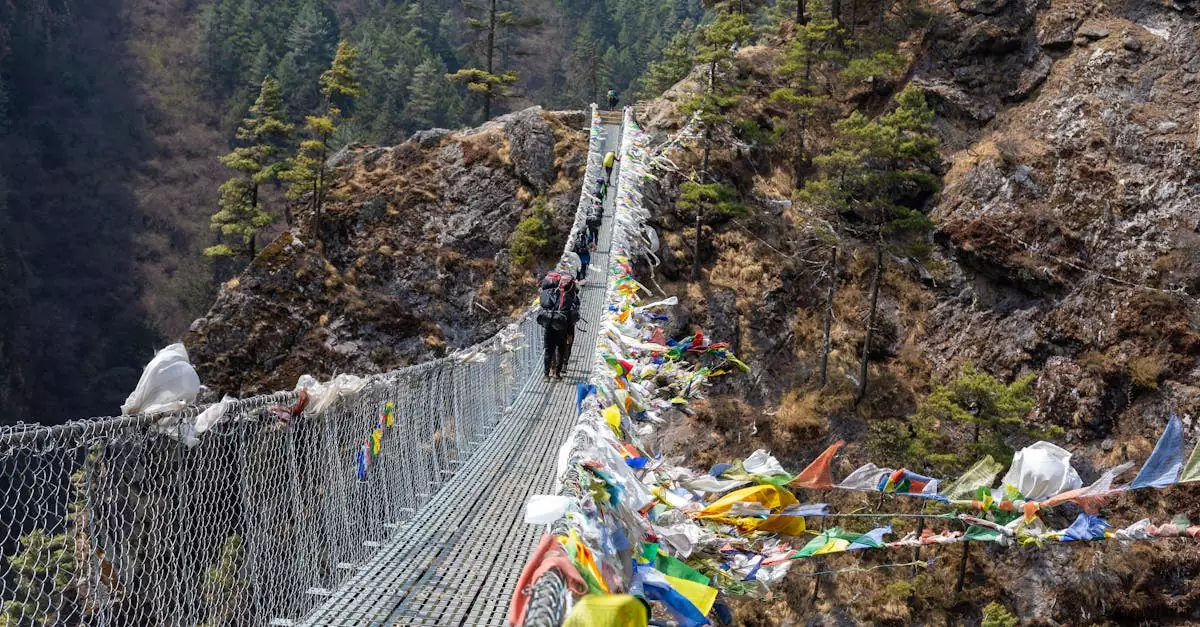
During most seasons, teahouses are readily available in nearly every major village along the route, including Namche Bazaar, Tengboche, Dingboche, Lobuche, and Gorak Shep. The rooms are basic, typically featuring two beds, a thin mattress, and shared bathroom facilities. In peak months, these rooms tend to fill up quickly, especially at popular stops. Therefore, starting your trek early in the day can provide you with better accommodation options.
Typical teahouse expenses for 2026 might look like this: room rates ranging from USD 5 to 20, meals costing between USD 6 to 15 each, hot showers or water access priced at USD 3 to 10, and device charging fees of USD 2 to 5 per hour or per device. A budget-conscious trekker might spend around USD 35 to 70 daily, while a more comfortable experience could cost even more. For a trek lasting 12 to 14 days, the total expense generally falls between USD 500 to 1,200 per person, excluding international flights.
Teahouses also foster social interactions. You can meet fellow trekkers, exchange trail information, and stay updated on weather conditions. For many, this aspect is a significant advantage. However, during high season, overcrowding can become an issue, making dining areas feel noisy after dark.
Camping Trekking on the EBC Route: When Tents Make Sense
While camping on the Everest route is less common these days, it remains a viable option for certain groups. Tent trekking offers greater control over your campsite, meals, and schedule. This can be particularly advantageous for those seeking a more remote experience, traveling with a custom expedition team, or trekking in areas with limited teahouse availability.
That said, camping generally incurs higher costs compared to teahouse trekking. Expenses for tents, sleeping mats, kitchen setups, cooking staff, fuel, food, and additional porters or yaks to transport gear can add up quickly. If your group is small, the costs can escalate even further. A private camping trek can easily exceed several hundred dollars more per person than a teahouse trek, depending on the level of support required.
For a realistic perspective on the everest teahouse versus camping cost, camping often becomes more economical only when a larger group can share the fixed costs. Even in such cases, managing campsite setup and exposure to weather conditions becomes crucial. In the Everest Region, strong winds, frigid nights, and sudden snow can make camping more challenging than anticipated, especially for first-time trekkers. At higher altitudes, comfort can diminish rapidly if your tent system isnt robust.
While camping can be beneficial for specialized itineraries, its not typically the most budget-friendly option for reaching Everest Base Camp. For the majority of visitors, teahouses present a more valuable, straightforward, and lower-risk alternative.
Cost Comparison Table: Teahouse vs Tent on the Everest Base Camp Trek
Below is a straightforward side-by-side comparison of the main costs. These figures are realistic estimates for 2026 and may vary based on season, village, group size, and service level.
| Cost Item | Teahouse Trek | Tent Trek |
|---|---|---|
| Nightly shelter | USD 5 to 20 | Included in expedition setup |
| Meals per day | USD 18 to 40 | Included in package, but higher total cost |
| Hot shower / charging | Extra USD 2 to 10 | Usually not available or limited |
| Guide and porter | Optional or shared | Usually required, plus camp staff |
| Gear transport | Light packing needed | Heavy logistics and extra porters |
| Total daily cost | About USD 35 to 70 | About USD 80 to 180+ per person |
| Best for | Most trekkers | Private groups, remote-style trips |
As illustrated, the teahouse option tends to be more economical for the average trekker. Camping may only be advantageous for larger groups or specific routes. For most Everest Base Camp journeys, choosing the teahouse route offers better financial management.
For general information about Nepal, you can refer to this overview of Nepal.
Transport, Route Timing, and Distance: Hidden Costs You Should Not Miss
Many trekkers concentrate on accommodation prices and overlook transportation costs. This oversight can skew the overall EBC trek teahouse versus tent cost comparison. Most travelers begin with a flight from Kathmandu to Lukla, which serves as the traditional gateway to the Everest Region. Flight prices fluctuate based on the season and demand, and delays are frequent due to weather conditions in the mountains. It’s wise to budget additional time and funds for potential changes.
The trek itself typically spans 12 to 14 days for the standard route. If you incorporate acclimatization days in Namche Bazaar or Dingboche, the journey may extend to 14 to 16 days. This results in increased costs for food and lodging. If camping is your choice, additional days also mean more staff and fuel expenses. In remote mountain environments, each extra day can significantly impact your budget.
Access to the Everest Region by road is limited compared to other areas of Nepal, making air travel the primary mode of transport for most visitors. Some travelers opt for helicopter transfers for added comfort or to save time, but this can considerably affect your budget. Weather-related delays might also necessitate an unplanned overnight stay in Kathmandu or Lukla, adding to unforeseen expenses that many first-time trekkers might not anticipate.
For travel planning in Nepal, the official tourism site for Nepal serves as a helpful resource.
Pros and Cons of Teahouse and Tent Trekking
Both trekking styles come with distinct advantages and disadvantages. The best choice hinges on your budget, comfort requirements, and the amount of planning youre willing to undertake.
Teahouse Trek Pros
- Generally lower overall costs for most trekkers
- Less equipment to carry
- Simplified food and accommodation planning
- Inviting social atmosphere
- Widely accessible along the EBC route
Teahouse Trek Cons
- Rooms may be crowded during peak seasons
- Food prices increase with altitude
- Bathrooms are often basic
- Noise and limited privacy can be common
Tent Trek Pros
- Greater control over campsite and schedule
- Increased privacy in secluded settings
- Beneficial for specialized expeditions
- Can accommodate unique route plans
Tent Trek Cons
- Higher overall costs in most situations
- More personnel and logistics are required
- Cold, wind, and snow can diminish comfort
- Less practical for standard EBC itineraries
Reality check: if your primary goal is to reach Everest Base Camp via a conventional trekking route, teahouses are typically the more sensible option. While camping may seem adventurous, it often introduces additional costs and complexities without enhancing the experience for most travelers.
Seasonal Considerations, Crowds, and Practical Tips for 2026
The season significantly influences trekking in the Everest Region, Nepal. The most favorable trekking periods are spring and autumn, offering better mountain views and more stable weather. However, these seasons also attract larger crowds. During peak weeks, teahouses fill up quickly, dining areas become bustling, and prices can slightly increase in the most crowded villages.
Winter can alleviate crowding, but temperatures drop significantly at night, and some services might be limited. The summer monsoon brings rain, cloud cover, and trail challenges in many regions of Nepal, although the Everest rain shadow can lead to varying conditions based on altitude. Trekking during shoulder seasons may provide a more favorable balance between cost and crowd sizes.
Key tip: if you plan to trek during peak season, reserve your Lukla transport and initial nights well in advance. This proactive approach can help minimize stress in case of flight delays or fully booked accommodations.
Another important tip: ensure you carry sufficient cash in Nepali rupees, as many teahouses do not accept credit cards, and ATM access becomes increasingly limited as you ascend.
Crowd dynamics can also shape your experience. In teahouses, trekkers often gather in warm dining areas at night, fostering a friendly environment, though it can lead to less quiet and privacy. Camping sidesteps some of this, but it requires managing your comfort in colder conditions. Your choice should reflect what matters more to you: social interaction or personal space.
For context on tourism in the country, refer to tourism in Nepal.
FAQs About EBC Trek Teahouse vs Tent Cost Comparison
1. Is teahouse trekking cheaper than camping on the EBC route?
Yes, in most cases, teahouse trekking is more economical. Camping generally incurs higher costs due to the need for additional staff, gear, fuel, and transportation support.
2. How much does the Everest Base Camp trek cost in teahouses?
A budget to mid-range teahouse trek typically costs around USD 500 to 1,200 per person for 12 to 14 days, excluding international flights. Your final expenses will depend on food choices, guide services, transportation, and personal spending habits.
3. Is camping ever a better value than teahouses?
Occasionally, but mainly for larger private groups or tailored routes. For standard EBC trekking, teahouses generally provide better value and less hassle.
4. What is the biggest hidden cost on the Everest trek?
Unexpected costs often arise from flight changes, additional acclimatization days, and increased food prices at higher altitudes. Weather-related delays can also necessitate an extra night in Kathmandu or Lukla.
5. Are teahouses crowded in peak season?
Yes, during spring and autumn, the main villages can become quite busy. Arriving early is advisable to secure a room, especially in Namche Bazaar, Dingboche, and Lobuche.
Final Verdict: Which Option Fits Most Trekkers?
For those seeking a straightforward answer regarding the ebc trek teahouse versus tent cost comparison, teahouses are typically the better choice for most Everest Base Camp adventures. They are less expensive, require less planning, and align more closely with standard trekking routes. Additionally, they allow for easier schedule adjustments in response to weather changes or altitude challenges.
While tents are not without merit, they cater to a different type of experience. If you desire a private expedition atmosphere, have a larger group, or need specialized support, camping might be suitable. However, for the majority of travelers heading to the Everest Region, teahouses offer the most favorable combination of cost, comfort, and flexibility.
In summary, the everest teahouse versus camping cost comparison generally favors teahouses significantly. When factoring in transportation, crowd levels, and seasonal weather, the advantages of the teahouse option become even more pronounced. Plan ahead, carry cash, and allow for extra days in your itinerary. This approach will provide the most accurate budgeting strategy for the Everest Base Camp trek in 2026.