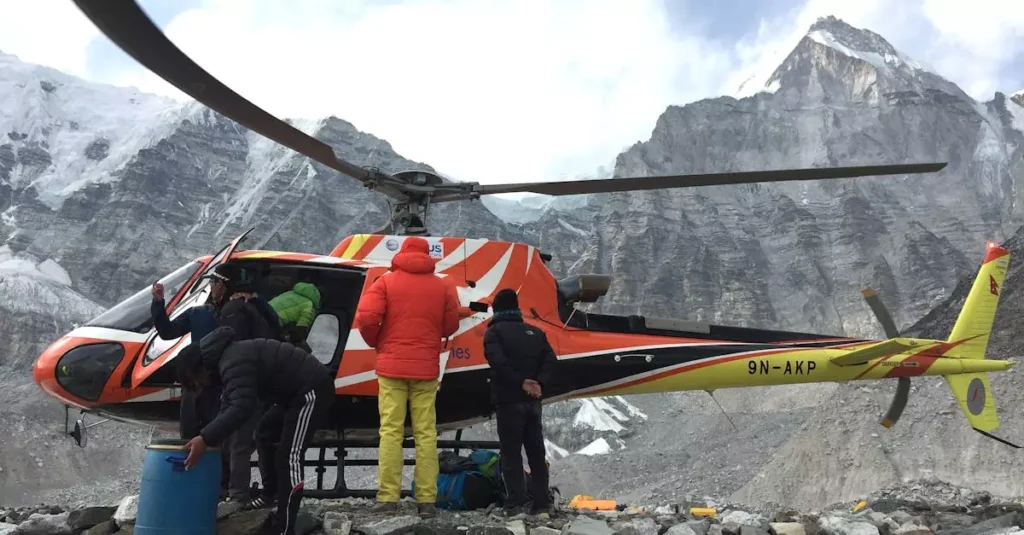
The ebc trek helicopter return vs trek cost comparison is a vital aspect to consider when planning a trip to the Everest Region in Nepal. While many trekkers are drawn to the iconic journey to Everest Base Camp, they often weigh the option of a helicopter return against the traditional trek, especially regarding its cost. The choice ultimately hinges on factors like your budget, physical fitness, available time, and personal comfort.
This guide delves into the financial implications of choosing between trekking both ways or opting for a helicopter return from Everest. It also touches on distances, timelines, transportation specifics, crowd dynamics, and seasonal influences. For those considering travel in Asia in 2026, this comparison can clarify which option aligns best with your travel preferences.
There isnt a universally superior choice. Completing the entire trek typically provides a greater sense of accomplishment and is generally more economical. Conversely, taking a helicopter return can save precious time and ease the physical demands of the descent. Understanding the benefits and drawbacks of each option is crucial before making your reservation.
EBC Trek Helicopter Return vs Trek Cost Comparison: What You Need to Know
The ebc trek helicopter return vs trek cost comparison begins with a straightforward reality: trekking to Everest Base Camp is a significant investment, even when both legs of the journey are on foot. Major expenses arise from permits, flights to Lukla, accommodation, meals, and fees for guides or porters, along with extra buffer days. Choosing a helicopter return considerably increases the overall cost but significantly reduces the number of trekking days and eliminates the lengthy downhill trek back to Lukla.
A standard trek to Everest Base Camp and back typically spans 12 to 16 days, covering a round-trip distance of approximately 130 to 140 km, influenced by side hikes and route selections. The pace is often slow, as altitude plays a more critical role than distance. Most trekkers find themselves walking no more than 5 to 10 km daily once they ascend beyond Namche Bazaar.
In contrast, a helicopter return can transform the descent into a brief flight from Gorak Shep, Lobuche, or Pheriche to Lukla, Kathmandu, or occasionally directly to Kathmandu, depending on weather conditions. This option can save trekkers 3 to 5 days of trekking. It also significantly alters the financial landscape. For many, the choice leans more towards whether the additional cost aligns with their trip objectives rather than mere comfort.
Nepal Tourism Board offers valuable travel insights for securing permits, understanding seasonal dynamics, and promoting responsible travel practices in Nepal.
Cost Breakdown: Trek Both Ways vs Helicopter Return
To ensure a fair cost comparison, its essential to differentiate between fixed expenses and optional upgrades. Fixed costs encompass the Nepal visa, entry fees for Sagarmatha National Park, the Khumbu Pasang Lhamu rural municipality fee, and flights to and from Lukla. Optional expenses may include guides, porters, upgraded accommodations, hot showers, Wi-Fi, snacks, and charging facilities. The helicopter return stands out as the most substantial optional cost.
A budget to mid-range EBC trek in 2026 typically ranges from USD 1,200 to USD 2,200 per person for a round trip with standard services. Adding a helicopter return can elevate the total cost to about USD 2,500 to USD 4,500 or even more, depending on group size, landing location, and whether the flight goes to Lukla or Kathmandu. Private helicopter seats are pricier than shared ones, and weather-related delays may incur additional costs for extra nights.
The actual price fluctuates with seasonal demand. Peak periods in spring and autumn usually see higher costs. Last-minute bookings can make the helicopter option especially expensive. Thus, many travelers evaluate the overall trip value rather than just the flight price. If your vacation days are limited, the extra expense might be justified. However, if you have ample time, the traditional trek back is far more cost-effective.
| Item | Trek Both Ways | Trek + Helicopter Return |
|---|---|---|
| Typical total cost | USD 1,2002,200 | USD 2,5004,500+ |
| Trip length | 1216 days | 913 days |
| Return transport | Walk to Lukla, then flight | Helicopter to Lukla/Kathmandu |
| Physical effort | High | Moderate to high |
| Time saved | None | 35 days |
Distance, Timings, and Route Details in the Everest Region
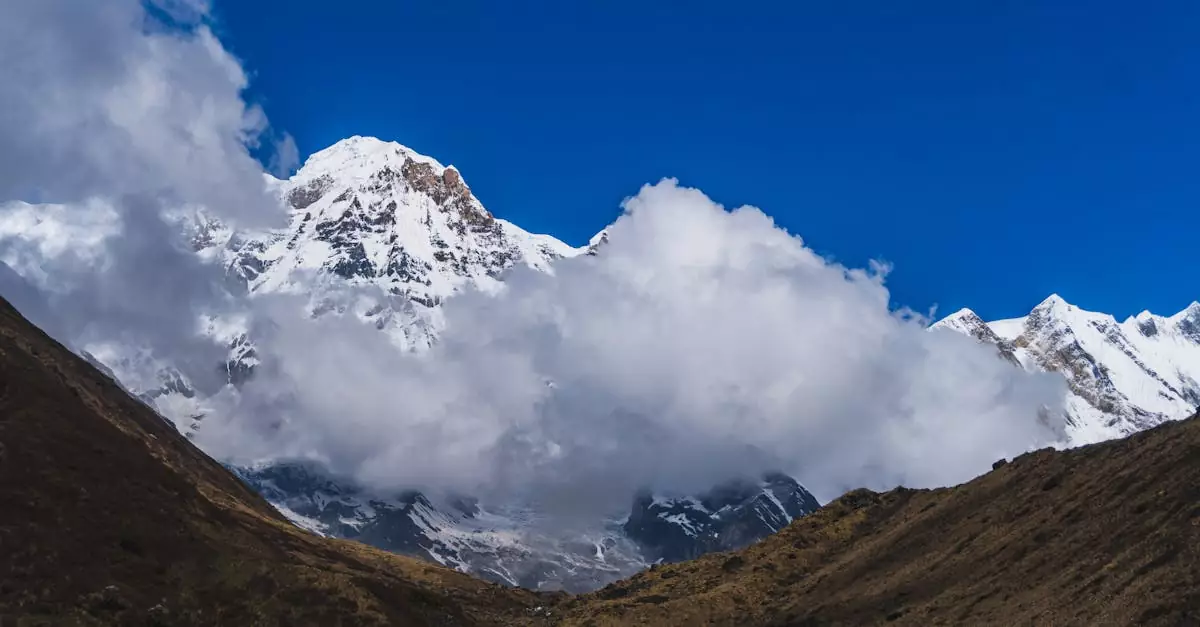
The route to Everest Base Camp may not seem lengthy in terms of daily distance, but it presents challenges due to significant altitude gain and rugged terrain. Trekkers typically cover around 130 to 140 km from Lukla to Everest Base Camp and back. The classic path includes stops at Phakding, Namche Bazaar, Tengboche, Dingboche, Lobuche, and Gorak Shep. Some itineraries incorporate acclimatization days in Namche and Dingboche to enhance safety and comfort.
Daily trekking can take anywhere from 4 to 7 hours, and higher-altitude days may extend even if the distance is short. The ascent from Lukla to Namche is particularly demanding. While the return journey is easier on the lungs, it can be tough on the knees, which is why many trekkers contemplate a helicopter return after reaching base camp or Kala Patthar.
A helicopter return can reduce the descent to under an hour of flight time, though its not always a direct route. You might have to fly from Gorak Shep to Pheriche or Lukla before heading to Kathmandu. Weather conditions, payload capacity, and air traffic regulations can influence the final flight path. During busy months, morning departures tend to be more reliable, while afternoon flights face greater risks from wind and clouds.
Important Tip: Incorporate at least one buffer day into your itinerary. Flight delays are common in the Everest Region, particularly around Lukla. Having a buffer day safeguards your international connections and alleviates stress.
Official Nepal tourism information is useful for checking seasonal travel guidance and updates on destinations before finalizing your Everest plans.
Pros and Cons of Trekking Both Ways
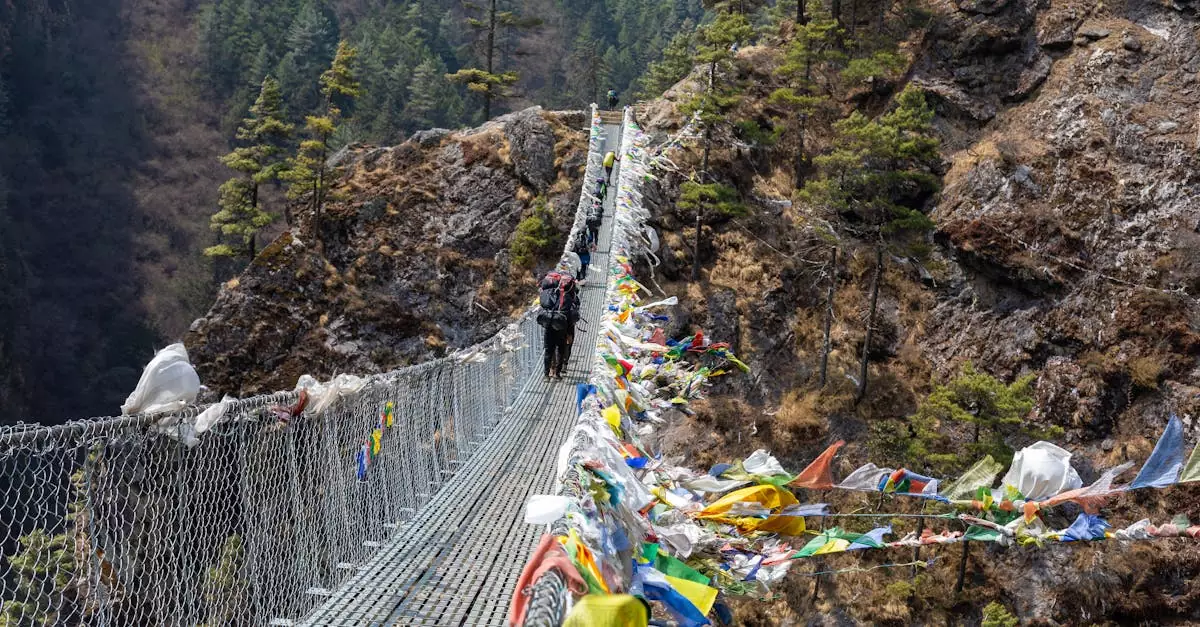
However, trekking both ways does come with its own set of challenges. The lengthy descent can become exhausting after several days at high altitude. Knees, ankles, and lower backs often suffer during the descent. The return leg can feel monotonous, especially if youre already mentally finished after reaching base camp. If your vacation time is limited, the full round trip might force you to rush through the earlier stages.
Pros of trekking both ways:
- Lower overall cost
- Better value for extended trips
- More natural acclimatization time
- Complete trekking experience
Cons of trekking both ways:
- Longer itinerary
- Increased fatigue during descent
- More nights and food expenses
- Strain on knees and joints
Reality Check: While the base cost of a full trek may seem lower, additional expenses for extra rest days, meals, and unexpected changes can quickly add up.
Understanding Nepal’s background and geography can provide first-time visitors with insights into why transport and mountain logistics are more complicated than they appear on a map.
Pros and Cons of Everest Heli Return
The option of an Everest heli return appeals to trekkers looking to save time or avoid the arduous downhill trek. This choice is particularly advantageous for those with limited vacation days, older individuals, or anyone who feels physically exhausted after the ascent to base camp. It also diminishes the risk of overuse injuries during the descent. For many, the helicopter flight itself becomes a highlight of the journey.
Nevertheless, the helicopter option has its own drawbacks. The cost is significantly higher, and flights are subject to weather conditions. Availability can be limited, and shared flights may require waiting for other passengers or cargo. Factors such as noise, weight restrictions, and landing limitations also play a role. During peak seasons, helicopters can feel like a premium service accompanied by added stress when weather conditions change unexpectedly.
Pros of heli return:
- Saves 35 days
- Less strain on the descent
- Ideal for tight schedules
- Offers a scenic flight experience
Cons of heli return:
- Significantly higher cost
- Dependent on weather conditions
- Potential delays and rerouting
- Less trekking time on the return
While shared flights tend to be cheaper than private charters, they may offer less flexibility in terms of timing. If you prefer a flight to Kathmandu, confirm whether the helicopter can fly directly or if a transfer through Lukla is necessary. This detail can significantly affect both cost and scheduling.
Tourism in Nepal highlights the significance of mountain travel to the country and illustrates how seasonal demand can influence pricing and availability.
Seasonal Considerations, Crowd Behavior, and Booking Strategy
Timing plays a crucial role in the Everest Region. The spring months, from March to May, and autumn, from late September to November, are the most popular trekking seasons. While these periods typically offer clearer views, they also attract larger crowds, higher costs, and fuller lodgings. Flights to Lukla can sell out quickly, and helicopter seats can escalate in price rapidly. To secure better availability, its wise to book in advance and maintain flexible travel dates.
Winter can provide quieter trails and lower costs, but frigid temperatures above Namche Bazaar pose significant challenges. Some lodges may close or reduce their services. The monsoon season, spanning June to August, brings cloud cover, rain, and flight disruptions. While helicopters may still operate, weather windows can be quite narrow. Throughout all seasons, morning departures are generally safer for air travel compared to flights later in the day.
Crowd behavior also impacts the trekking experience. On busy days, tea houses can fill up quickly, particularly in Namche, Tengboche, and Gorak Shep. Dining areas can become crowded in the evenings, and shared facilities may feel congested. Although a helicopter return can help you avoid the busiest descent days, it wont eliminate the peak-season crowd pressures during the ascent. For a more tranquil experience, consider traveling during the shoulder season and starting your days early.
Important Tip: When booking your Lukla flights and helicopter options, ensure you understand the cancellation policies. Given the prevalence of weather delays, having flexible terms is more valuable than minor price differences.
Who Should Choose Which Option?
Your travel style will dictate the best choice for you. If youre seeking the most economical and traditional route, trekking both ways is the way to go. This option tends to provide a more immersive mountain experience, especially for those who appreciate a leisurely pace and dont mind a lengthy descent.
On the other hand, if your time is limited, a helicopter return could be more suitable. Its particularly beneficial for trekkers with knee concerns, older travelers, or anyone wanting to minimize physical exertion after reaching Everest Base Camp. Business travelers or those on short holiday schedules frequently opt for this option to safeguard the remainder of their itinerary.
For first-time trekkers, the decision often boils down to budget versus recovery. If youre fit but short on time, a heli return is a practical choice. Conversely, if you have ample time but need to be budget-conscious, trekking both ways is advisable. A guide or trekking agency can assist in comparing the overall package costs, providing a clearer picture beyond just flight fares.
Practical Tips for Planning in 2026
Effective planning can lead to cost savings and a smoother experience. Start by verifying whether your package covers airport transfers, permits, guide and porter fees, and domestic flights. Many attractive low prices can become misleading when these additional costs emerge. Also, clarify whether the helicopter return is shared or private, and whether it concludes in Lukla or Kathmandu, as these factors will influence the final expenses.
Packing light is essential. Helicopter flights impose strict weight limits, and excess baggage can result in additional fees or separate cargo arrangements. Keep your essentials in a small daypack and use a duffel for the remainder. Its advisable to carry cash in Nepalese rupees for lodge expenses, snacks, and tips, as card payments are often limited in the mountains.
Altitude safety is another crucial consideration. The quickest itinerary isnt always the wisest. If you feel unwell, dont rush your ascent just to save the helicopter for the return. Prioritizing your health is paramount. A better approach is to trek at a steady pace, acclimatize effectively, and reserve the helicopter return for when it truly aligns with your budget and schedule.
Important Tip: Always check the morning weather forecast before your scheduled return flight. Early decisions can help you avoid missed connections and last-minute stress.
Important Tip: Consider adding an extra night in Kathmandu after your planned return. This provides a buffer against weather delays in the Everest Region and enhances the overall safety of your trip.
FAQs
1. Is the helicopter return worth the extra cost?
Definitely, if you have limited time or wish to skip the lengthy downhill trek. If budget is your primary concern, trekking both ways offers better value.
2. How much time does a heli return save?
Typically, it saves around 3 to 5 trekking days, depending on your itinerary and the helicopter’s pickup location.
3. What is the main cost difference?
The helicopter return can add approximately USD 1,000 to USD 2,500 or more to the total trip cost, contingent on whether the service is shared or private.
4. Is the helicopter flight safe in Nepal?
Helicopter operators in Nepal adhere to aviation regulations, but weather conditions pose the primary risk. Morning flights are generally more dependable than those in the afternoon.
5. Can I book the helicopter after reaching base camp?
It is sometimes possible, but doing so during peak season carries risks. Early booking is advisable due to the rapid changes in seat availability, weather conditions, and routing.