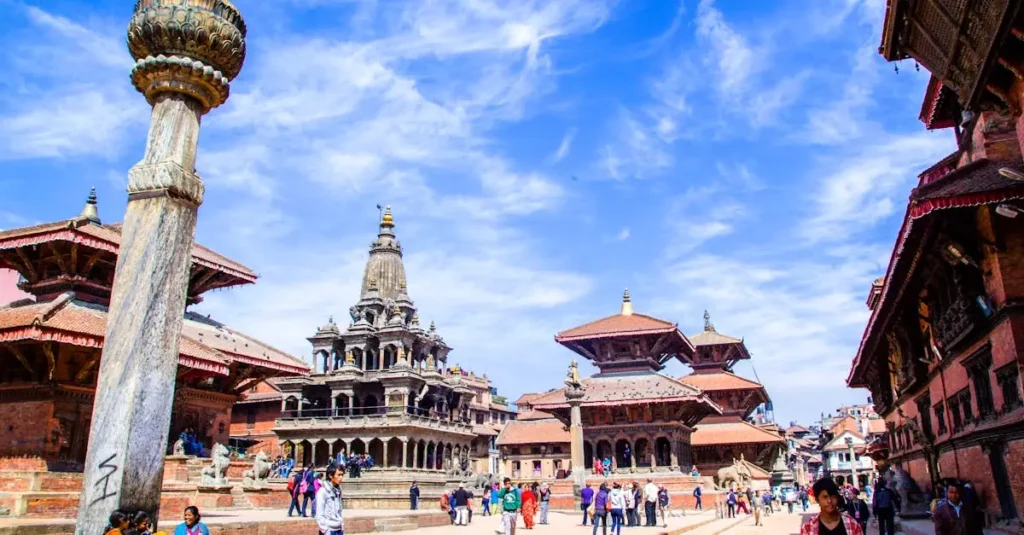
For those looking to find the nepal cheapest month to travel cost, the best options are typically during the monsoon and shoulder months, particularly June, July, and early September. In Kathmandu, accommodation rates, domestic flight fares, and some tour prices often see a decline during the low season. This makes it an ideal time for budget-conscious travelers seeking to minimize expenses, even if the weather may not be ideal.
Nepal experiences significant seasonal variations. Prices tend to increase when the weather is clear, trekking routes are bustling, and festivals attract more visitors, both local and international. Conversely, when rain, cloud cover, or heat diminishes demand, prices drop. This is why the nepal low season price can be considerably lower than during peak season, especially for hotels in cities like Kathmandu, Pokhara, and key trekking hubs.
This information outlines the most affordable month to visit Nepal, what to expect in terms of costs in Kathmandu, how transportation expenses fluctuate with the seasons, and where budget travelers can find the best savings. It also offers practical insights on crowds, weather conditions, and trip planning to help you select the optimal month that aligns with your budget and comfort level.
Nepal Cheapest Month to Travel Cost: Understanding the Low Season
The nepal cheapest month to travel cost is generally associated with the monsoon season, which spans from June to August in most regions. During this time, Kathmandu often sees reduced hotel rates, fewer tourists, and more favorable deals on various services. While the weather is typically wetter, the drop in demand is reflected in the prices. For many travelers, this presents a key trade-off: save money while accepting the possibility of rain and less predictable mountain vistas.
It’s important to note that not all prices decrease uniformly during the low season. Hotels might cut their rates by anywhere from 20% to 50%, while costs for private drivers, guides, and trekking permits might remain unchanged. Flight prices can also vary. Domestic routes may be cheaper on certain days, but weather-related delays can disrupt schedules. Therefore, the true advantage for budget travelers comes from a combination of lower accommodation rates and reduced crowds, rather than a blanket decrease in all expenses.
If you’re seeking a broader understanding of Nepals geography and travel landscape, this country overview can provide valuable context: Nepal overview.
Reality Check: The cheapest month may not suit every travelers needs. For those seeking breathtaking mountain views, extended trekking excursions, and dry paths, the low season can be somewhat disappointing. However, if your aim is to experience Kathmandu with fewer tourists while spending less, it can be a wise choice.
Cheapest Months in Nepal: A Cost Comparison
The peak travel season generally occurs from October to November, and again from March to April. During these months, hotel rates rise, popular tours become fully booked more quickly, and transportation options can become congested. Winter, particularly December and January, presents mixed conditions. While Kathmandu may still offer reasonable prices, some mountain areas become colder and less accessible. Thus, the best value often hinges on your specific travel route rather than merely the month.
| Month | Typical Price Level | Weather | Best For |
|---|---|---|---|
| June | Low | Rainy, humid | Budget stays, fewer crowds |
| July | Lowest | Heavy monsoon rain | Deep discounts, city travel |
| August | Low | Wet, cloudy | Budget travelers |
| September | Low to medium | Improving weather | Better balance of cost and comfort |
| October | High | Clear and dry | Peak sightseeing and trekking |
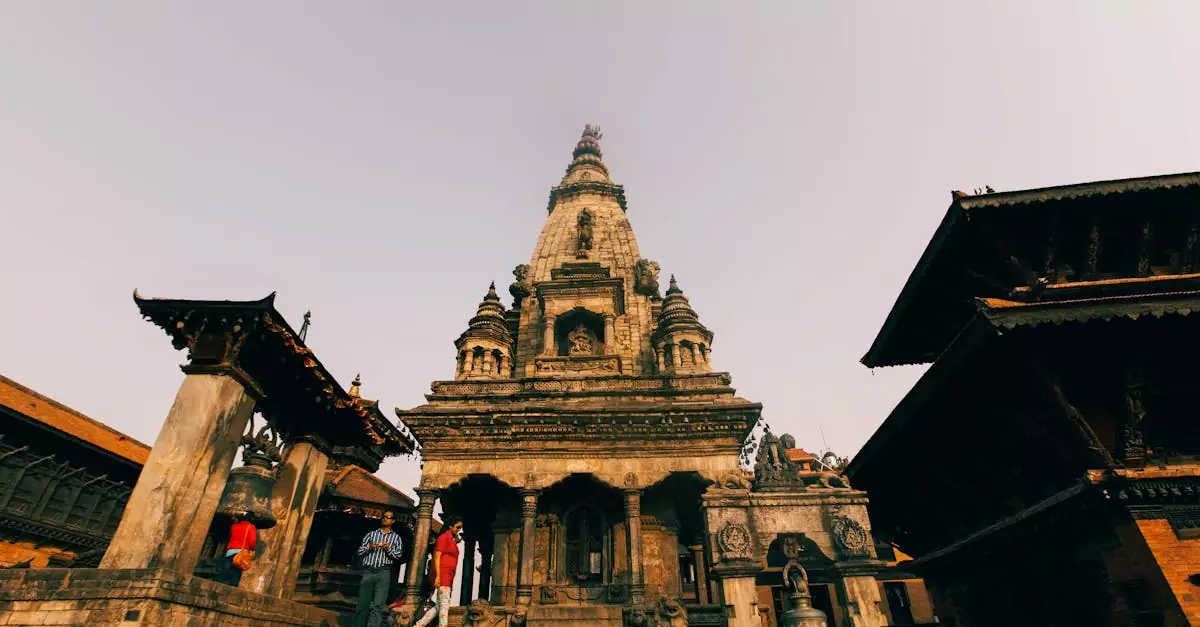
For official tourism information and seasonal updates, visit the Nepal Tourism Board here: Nepal Tourism Board.
Important Tip: If you seek lower prices but prefer better weather than what the peak monsoon offers, aim for the last week of August or the first half of September. In many years, this timeframe provides better value than October without the surge of peak-season crowds.
Kathmandu Budget Breakdown in the Cheapest Months
Kathmandu serves as an excellent location to examine the nepal cheapest month to travel cost due to its wide array of hotels, restaurants, and transportation options. During the low season, a basic guesthouse can be significantly cheaper than in October or November. Mid-range hotels typically offer discounts as well to maintain their occupancy rates. For budget travelers, this is where substantial savings can often be found.
Here’s a practical overview of costs in Kathmandu during the low season. Budget guesthouses might start at around USD 10 to 25 per night. Mid-range hotels generally range from USD 30 to 70. Meals at local eateries can cost between USD 2 to 5, while a simple meal in tourist areas may range from USD 6 to 12. Taxi fares within the city are usually reasonable, but traffic can slow down short trips. The distance from Tribhuvan International Airport to Thamel is about 6 to 7 km, and the journey can take anywhere from 20 to 40 minutes, depending on traffic conditions.
Public buses offer a cheaper alternative but may be less comfortable for first-time visitors. Local microbuses and tempos can save money, but navigating their routes can be challenging without prior knowledge. For many travelers, the most effective low-season strategy is to stay close to central Kathmandu to minimize transportation costs by walking more.
If youre looking for a tourism resource focused on Nepal, this site can assist with trip planning: Nepal tourism information.
Important Tip: Opt for flexible accommodation in Kathmandu. Prices during the low season can drop even further at the last minute, provided the hotel has availability. Flexible booking allows you to adjust your plans if rain, flight delays, or road issues arise.
Why Low Season Prices Drop in Nepal
The primary reason for the decline in nepal low season price is the drop in demand. This is a straightforward economic principle. With fewer visitors, hotels, airlines, and tour operators must compete more aggressively for bookings. In Kathmandu, while some travelers continue to arrive for business, transit, or cultural experiences, the overall volume is lower compared to the dry peak months, which drives prices down, especially for accommodations and certain package tours.
Weather plays a significant role in this dynamic. Monsoon rains can deter hiking, impair mountain visibility, and create road disruptions in specific areas. Since many visitors come primarily for trekking, the entire travel market adjusts accordingly. Some operators may lower their prices to maintain business during this period. However, not all costs fluctuate; national park fees, many permits, and some transport fares remain stable throughout the year.
Crowd behavior also influences pricing. During peak months, travelers tend to book early and accept higher rates. In contrast, during the low season, many individuals wait for better deals. Hotels may respond with discounts, complimentary breakfast offers, or additional nights for the same price. However, the cheapest option isnt always the best. Its crucial to consider room location, drainage, heating, and backup power, especially during the rainy season.
For further insights into Nepals tourism sector, you can refer to this page: Tourism in Nepal.
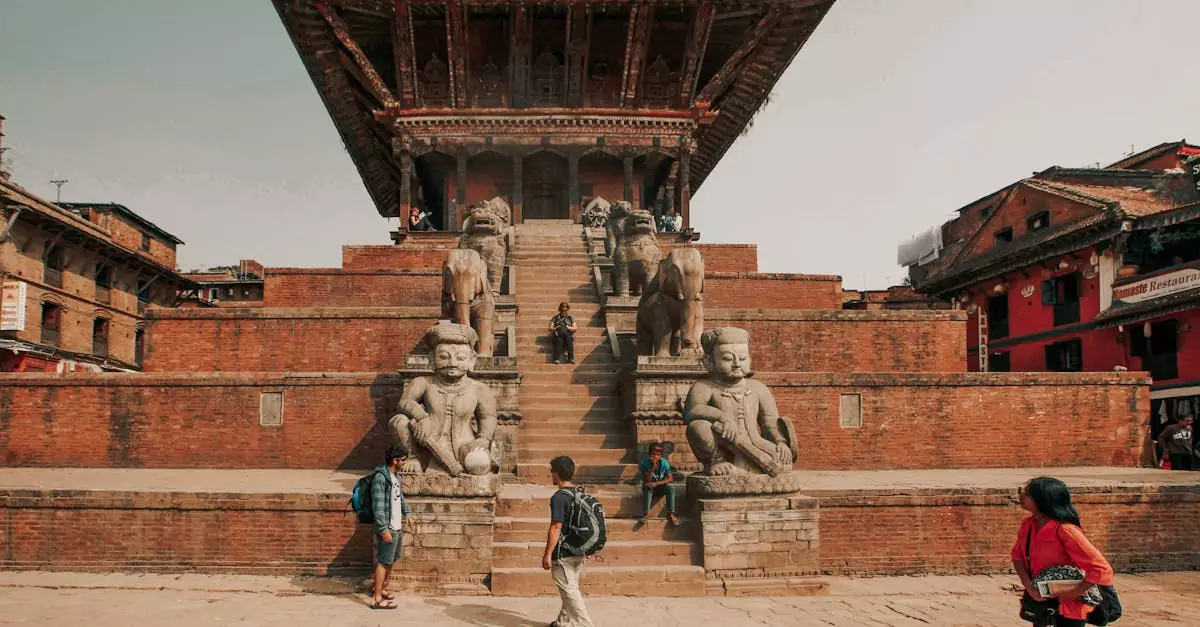
Low season also alters crowd dynamics in Kathmandu. Popular attractions like Durbar Square, Swayambhunath, and Boudhanath are more accessible without long wait times. Restaurants may be quieter, and taxi drivers might be more willing to negotiate fares. However, some travelers enjoy the vibrant atmosphere of peak season, so the quieter environment may not appeal to everyone.
Transport Costs: Flights, Buses, and City Travel
Transportation is a significant factor in calculating the nepal cheapest month to travel cost. In Kathmandu, airport transfers are relatively short, but international airfares can vary widely depending on the season. The low season occasionally offers better flight deals into Nepal, although this can depend on your departure city and airline. If you have flexible travel dates, you might discover lower fares in June, July, and August compared to October.
Domestic flights within Nepal are convenient for saving time, but they are not always economical. A one-way flight from Kathmandu to Pokhara takes about 25 minutes in the air, but weather conditions can lead to delays, especially during the monsoon. Bus travel is a much cheaper option. The road distance from Kathmandu to Pokhara is approximately 200 km and can take between 6 to 9 hours, depending on traffic and road conditions. The journey from Kathmandu to Chitwan is about 150 to 170 km and typically takes 5 to 7 hours by road.
For getting around the city, taxis are the most convenient option for short distances. Ride-hailing apps may be available in some areas, but their availability can vary. Staying in central Kathmandu allows you to walk to many destinations, which can significantly reduce your daily transportation costs. This is one of the simplest strategies to maximize your budget during the low season.
Transport Pros and Cons in the Cheapest Months
- Pros: Lower hotel rates, fewer crowds, easier taxi negotiations, and more flexibility for last-minute plans.
- Cons: Rain can delay buses and flights, some roads may be slow, and mountain views can be less reliable.
- Best use: City stays, adaptable itineraries, and travelers who are comfortable with making last-minute changes.
Important Tip: Always factor in extra time for your transport schedule during the monsoon months. Even short domestic flights can be affected by weather, road work, or traffic conditions in the Kathmandu Valley.
Pros and Cons of Traveling in the Cheapest Month
Opting for the nepal cheapest month to travel cost is a wise decision if your primary goal is to save money rather than enjoy perfect weather. However, its essential to consider the trade-offs. The low season can be ideal for city explorers, leisurely travelers, and those seeking to avoid crowds. It can also benefit those who are open to indoor activities, such as visiting museums, temples, enjoying food tours, and taking flexible day trips around Kathmandu.
Pros
- Reduced hotel prices in Kathmandu and other tourist hotspots.
- Fewer visitors at major attractions and dining establishments.
- Greater room for negotiation on certain services.
- Increased likelihood of finding last-minute accommodations.
- A more tranquil atmosphere for leisurely travel.
Cons
- Rain and humidity may diminish comfort levels.
- Cloud cover can obstruct mountain views.
- Road travel may be slower and less predictable.
- Certain trekking routes may be less appealing.
- Outdoor activities require backup plans.
The key is to align your travel month with your personal style. If your primary focus is experiencing Nepal on a budget, the low season can be quite advantageous. However, if youre seeking perfect weather and iconic Himalayan views, the cheapest month may not be your best option.
How to Save More in Kathmandu During Low Season
Even in the most affordable month, there are additional ways to save with smart choices. First, choose accommodation in a central area like Thamel, but be sure to compare prices carefully. Some streets can be noisy, while others may provide better value and easier access to restaurants, ATMs, and taxis. Second, dine where the locals eat. Simple dal bhat meals often provide excellent value, as they usually include rice, lentils, vegetables, and refills in many establishments.
Third, consider using public transport only if you feel comfortable with it. While it is cheaper, it can be crowded and challenging to navigate. Fourth, book multi-night stays if the hotel offers discounts. Lastly, avoid unnecessary private transfers unless youre arriving late or carrying heavy luggage. In Kathmandu, short taxi rides can add up quickly if used for every small trip.
Seasonal behaviors also play a role. During the low season, some hotels may be more willing to negotiate for longer stays. Tour operators might also offer package deals for city sightseeing. However, dont choose a place solely based on price. Always check for room ventilation, hot water, and backup power, as rainy months can reveal poor hotel maintenance.
Budget Planning Example
- Guesthouse: USD 15 per night x 5 nights = USD 75
- Local meals: USD 10 to 15 per day x 5 = USD 50 to 75
- City transport: USD 3 to 8 per day x 5 = USD 15 to 40
- Entry fees and small tours: variable, often USD 20 to 60 total
This straightforward budget example helps identify where the real savings lie. Accommodation typically offers the largest discounts, while food and local transport costs remain relatively stable.
Best Travel Timing, Crowd Patterns, and Seasonal Advice
If you seek the best compromise between cost and comfort, late August and early September are often strong contenders. The monsoon begins to taper off in many areas, prices can still be low, and the city is less crowded than during peak season. While October and November offer better weather, they usually do not address the nepal cheapest month to travel cost question due to high demand.
Crowd dynamics shift with the seasons. In peak months, popular hotels and attractions are bustling from morning until night. Conversely, in the low season, these same locations feel more relaxed, and you may receive quicker service. However, some businesses may reduce staff during quieter months, leading to slower service in certain instances. This is common and should be anticipated.
Seasonal factors also influence activity choices. City tours, heritage walks, food experiences, and museum visits are well-suited to the low season. However, long treks, mountain flights, and scenic road trips are more susceptible to weather conditions. If your itinerary includes both city experiences and trekking, consider scheduling your time in Kathmandu during the low season for savings while allowing flexibility for weather-related delays elsewhere.
For a broader context and current trends in tourism, the Nepal tourism sector is frequently discussed in this resource: Tourism in Nepal background.
FAQs About Nepal Cheapest Month to Travel Cost
What is the cheapest month to travel to Nepal?
July is often regarded as one of the most affordable months due to its placement in the monsoon season. June, August, and early September can also provide low prices, particularly for accommodations in Kathmandu.
Is Kathmandu cheaper in the low season?
Absolutely. Kathmandu typically features lower hotel rates and more flexible deals during the low season. While food and local transport costs may not vary significantly, lodging generally becomes much more affordable.
Does rain make Nepal too hard to travel in?
Not necessarily. City travel in Kathmandu remains feasible, although rain can slow down road travel and limit mountain visibility. If you prefer flexible, budget-friendly city exploration, the monsoon can still be a viable option.
Are flights to Nepal cheaper in the cheapest months?
Sometimes, yes, but not always. International airfare varies based on your route, airline, and booking date. Domestic flight prices may also fluctuate, but weather-related delays are more common during the monsoon.
What is the best budget month with decent weather?
Early September often strikes a good balance. It can still be more affordable than peak autumn while experiencing improved weather in many regions.
The Best Cheap Month Depends on Your Travel Style
The nepal cheapest month to travel cost is typically found during the monsoon months, particularly June, July, and August. For Kathmandu, this translates to lower hotel rates, fewer tourists, and more flexible booking options. If your primary goal is to save money, the low season can be a practical and sensible choice.
However, budget-friendly travel comes with its own set of challenges. Rain, slower transportation, and cloud cover can impact your plans. Therefore, selecting the ideal month involves more than just considering price. It requires matching your budget, comfort level, and travel itinerary. For many visitors, experiencing Kathmandu during the low season presents the best value in Nepal.
To maximize savings, focus on staying in central areas, enjoying local cuisine, booking flexible accommodations, and allowing for potential weather changes. This straightforward approach can enable you to enjoy Nepal without overspending, even in a busy year like 2026.