France’s natural landscapes offer a striking counterpoint to its world-renowned cities and vineyards, with abundant opportunities for outdoor adventure and peaceful escapes. Beyond the urban bustle, France’s protected areas reveal diverse ecosystems and dramatic scenery—from soaring alpine peaks to rugged Mediterranean shores. This guide highlights the country’s standout national parks, what makes each unique, and the activities you can expect. Prepare to explore the wilder side of France and find the outdoor experience that suits you.
Unveiling France’s Most Stunning National Parks for Outdoor Adventures
France’s landscapes are as varied and compelling as its cultural attractions. If you crave fresh air, dramatic views, and a break from city life, the nation’s national parks deliver. These protected areas range from jagged mountain ranges to sun-drenched coastlines, offering prime terrain for hikers, wildlife watchers, and anyone seeking natural beauty. Use this guide to plan trips that match your interests and seasonal preferences.
Exploring the Cévennes National Park: Wild Landscapes and Ancient Villages
The Cévennes National Park in southern France features dramatic contrasts: rolling hills, limestone plateaus, deep gorges, and expansive forests. A UNESCO World Heritage site for its “agro-pastoral cultural landscape,” the park reflects centuries of human-environment interaction. Hikers can follow an extensive trail network, including sections of the GR7 long-distance path, through thyme-scented scrub and past stone villages that feel frozen in time.
The park’s remoteness preserves its wild character. Sightings of chamois, wild boar, and numerous bird species, including raptors, are common. Night skies are exceptionally dark—Cévennes is a designated International Dark Sky Reserve—making it excellent for stargazing. Accommodation ranges from rustic gîtes to rural inns, offering an authentic regional experience. Late spring and early autumn provide pleasant hiking weather with fewer crowds.
Vanoise National Park: Alpine Majesty and Diverse Wildlife
For a classic alpine experience, Vanoise National Park in Savoie—near the Italian border—remains unrivaled. Created in 1963 as France’s first national park, it is among the largest and features soaring peaks such as the Grande Casse (3,855 m), glaciers, and flower-filled summer valleys. Trails suit all abilities, from gentle valley walks to demanding ascents.
Vanoise supports rich biodiversity: ibex, chamois, marmots, and golden eagles are frequently seen. Guided nature walks led by park rangers help visitors learn about local flora and fauna. The park has many mountain refuges (refuges de montagne) that provide basic but important overnight shelters for multi-day treks. Access is usually via nearby alpine towns—Pralognan-la-Vanoise or Champagny-en-Vanoise, for example—with June to September the best months for most hiking once winter snow has melted.
Port-Cros National Park: A Mediterranean Marine Paradise
Port-Cros National Park offers a contrasting coastal and marine landscape off the Hyères coast in the Var department. One of Europe’s few marine national parks, it encompasses the islands of Port-Cros and Porquerolles and a significant marine protected area, focused on preserving fragile Mediterranean ecosystems above and below the water.
On land, pine forests and Mediterranean scrub fringe coastal paths with vivid sea views. The islands are lightly developed and oriented toward eco-tourism. Underwater, snorkeling and diving reveal colorful fish, sea urchins, and Posidonia seagrass meadows—vital to the Mediterranean’s ecology. Marked underwater trails guide snorkelers through key sites. Ferries run from Hyères, La Londe-les-Maures, or Port-Pothuier. Spring and early autumn usually provide the most pleasant weather for visiting this unique part of France.
Best Time to Visit France’s National Parks for Ideal Weather
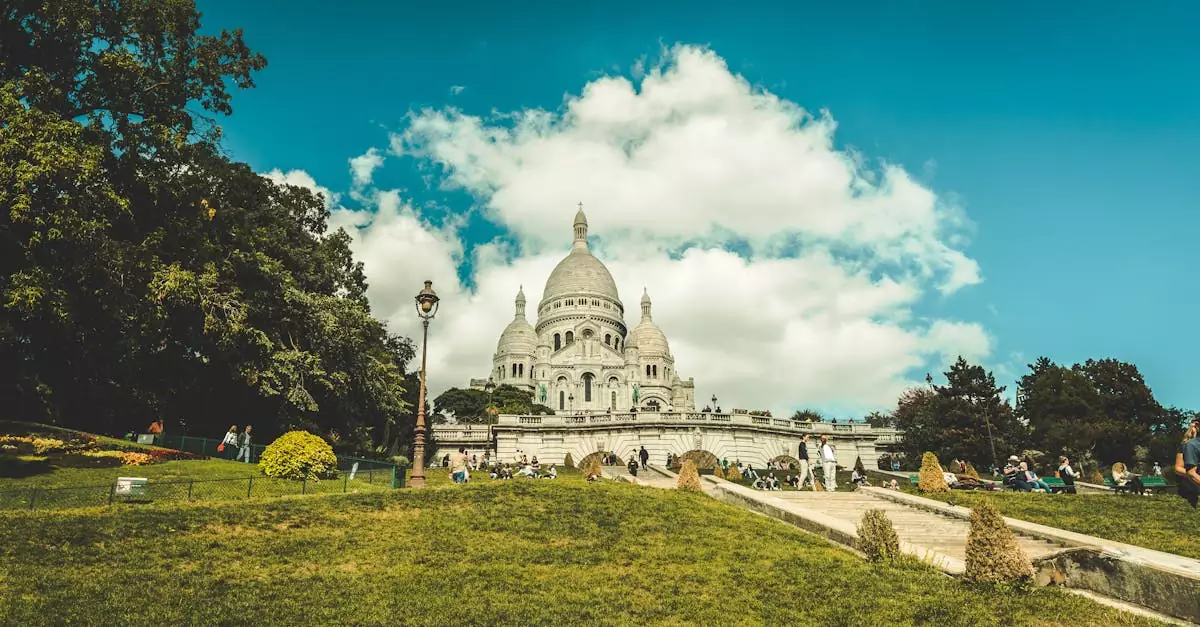
Picking the right season greatly improves a visit to France’s national parks. Each season offers distinct advantages—blooming flora, clearer skies, cooler temperatures, or quieter trails—so match your timing to the activities and atmosphere you prefer.
Spring Blooms and Mild Temperatures: April to June
Spring (April–June) brings renewal across the parks: wildflowers, fresh greenery, and mild temperatures typically between 10°C and 20°C (50°F–68°F). It’s an excellent time for hiking and photography, with fewer visitors than summer. Note that higher-altitude trails, particularly in the Alps or Pyrenees, can remain snowbound. Pack layers and waterproofs for changeable weather.
Summer Adventures: Hiking and Water Activities from July to August
July and August are peak season: warm temperatures (20°C–30°C / 68°F–86°F) and long days make this ideal for extended hikes, cycling, and water sports in parks such as the Calanques. Expect larger crowds and limited availability—book accommodation and permits in advance. Bring sun protection and plenty of water, and heed local wildfire advisories during dry spells.
Autumn Colors and Fewer Crowds: September to October
Autumn (September–October) offers cooler, comfortable conditions (10°C–18°C / 50°F–64°F) and spectacular fall colors. Visitor numbers drop after summer, creating a more peaceful experience—especially in parks like the Cévennes or Vosges. Trails generally remain open, but days shorten and early snow can appear at high elevations by late October. Waterproof gear is recommended.
How to Navigate France’s Nature Destinations: Transportation Tips
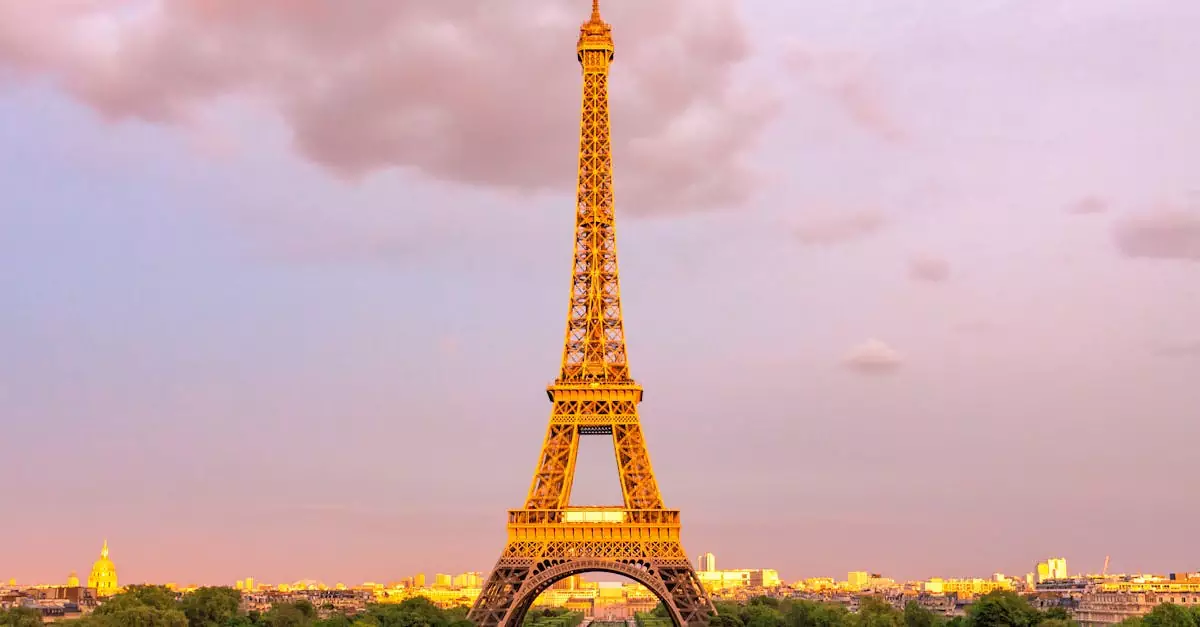
Reaching France’s national parks often requires combining transport modes. While France’s public transport is extensive, many parks lie in rural areas where buses or car travel complete the journey. Choosing the right mix of trains, buses, and driving helps balance convenience, cost, and scenic travel.
Reaching Parks by Train and Bus: Sustainable Travel Options
France’s SNCF network—TGVs for long distances and regional TER trains for local connections—can bring you close to many park gateways. Alpine destinations, for instance, are accessible via lines that terminate in towns like Chamonix or Annecy, useful starting points for Vanoise National Park.
Where trains don’t reach, local buses often bridge the gap to visitor centers or trailheads. Schedules can be infrequent outside peak season, so research routes ahead of time. If you plan extensive rail travel, consider a France Rail Pass.
Driving Through France’s National Parks: Scenic Routes and Car Rentals
Renting a car provides flexibility to explore scenic routes, stop at viewpoints, and access sites beyond public transport. Most paved roads are suitable for standard cars, but if your itinerary includes rough tracks in areas like the Cévennes National Park, a 4×4 can be useful—though usually unnecessary. Rental agencies are available at airports and city centers; check local driving rules and consider extra insurance.
Getting Around Within the Parks: Hiking Trails and Local Transport
Once near a park, walking is often the primary mode of transport. France’s parks offer extensive, well-marked trails for all levels. Some larger parks run internal shuttle services during peak seasons—useful for reaching trailheads without moving your car—or provide cycle paths for exploring quieter roads. Check official park websites for the latest on shuttles and trail conditions.
Crafting Your French Nature Itinerary: Must-See Parks and Activities
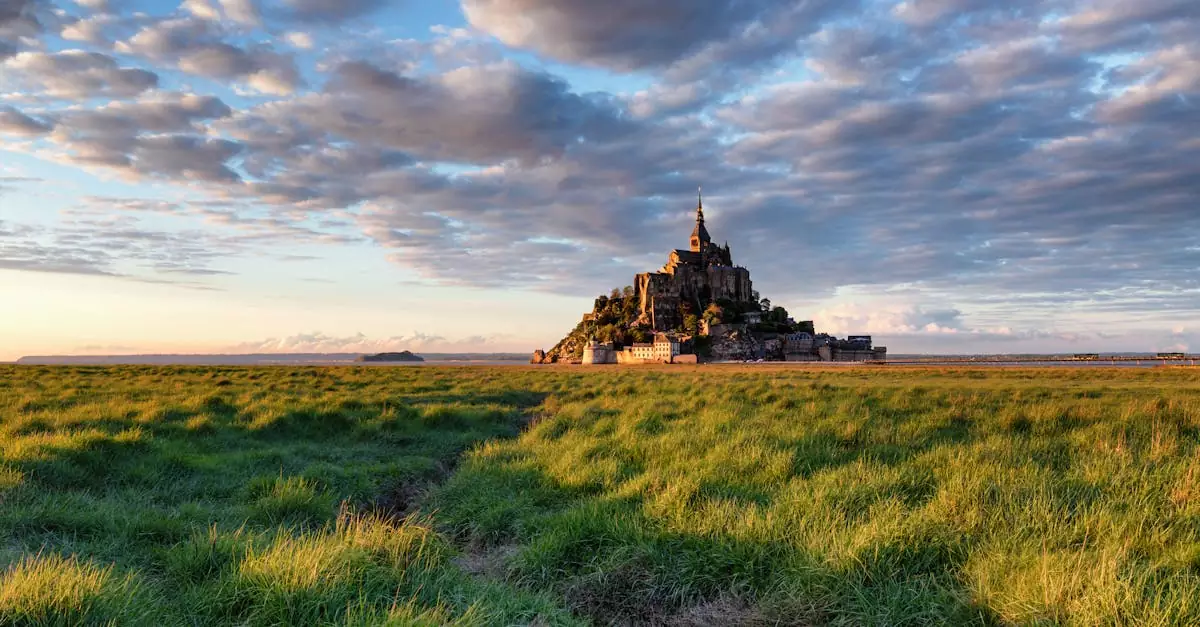
France’s varied geography—from mountains to coastline—lets you tailor an itinerary to match different interests. Whether you seek strenuous alpine routes, tranquil beaches, or family-friendly activities, consider regional access and time on the ground to make the most of each park.
A 7-Day Itinerary: Combining Alpine Peaks and Coastal Wonders
A week can showcase two distinct environments. Start in the French Alps with a focus on Parc National des Écrins for three to four days: towering peaks, glaciers, and alpine meadows with many day-hike options. Base yourself in towns like Chamonix or Grenoble for access. Then travel to the Mediterranean to visit Calanques National Park near Marseille, known for limestone cliffs and turquoise inlets. Consider a boat tour or coastal hikes between fishing villages. Trains can link the regions, offering scenic passage. Spring or early autumn are best for the Calanques to avoid summer heat and crowds.
Family-Friendly Adventures in France’s Outdoor Destinations
Families will find suitable trails and engaging activities in parks such as Parc National de la Vanoise, which has well-maintained paths and accessible refuges. Look for easy routes where children can spot marmots and ibex, and village-based amenities offering family programs.
The Parc Naturel Régional des Volcans d’Auvergne is another family-friendly choice: gentle walks around volcanic craters, picnic spots, and farm visits. The Puy de Sancy is reachable by cable car plus a short walk, providing panoramic views without a strenuous climb. Summer is the most convenient season when most facilities operate.
Solo Traveler’s Guide to Exploring Hidden Parks in France
Solo travelers seeking solitude should consider regional and national parks off the main tourist routes. The Parc National des Pyrénées offers rugged valleys, waterfalls, and wildlife with fewer visitors than Alpine parks; well-marked trails suit day trips and multi-day treks with mountain huts available. Always inform someone of your plans, carry navigation aids, and prepare for changing weather.
The Parc National des Cévennes provides remote landscapes, long-distance hiking like the GR70 (Chemin de Stevenson), and sparse populations—ideal for quiet solo exploration. Budget travelers can use gîtes d’étape or designated campsites; check limited local transport options before you go.
Beyond the Famous: Discovering France’s Hidden Gems and Lesser-Known Parks
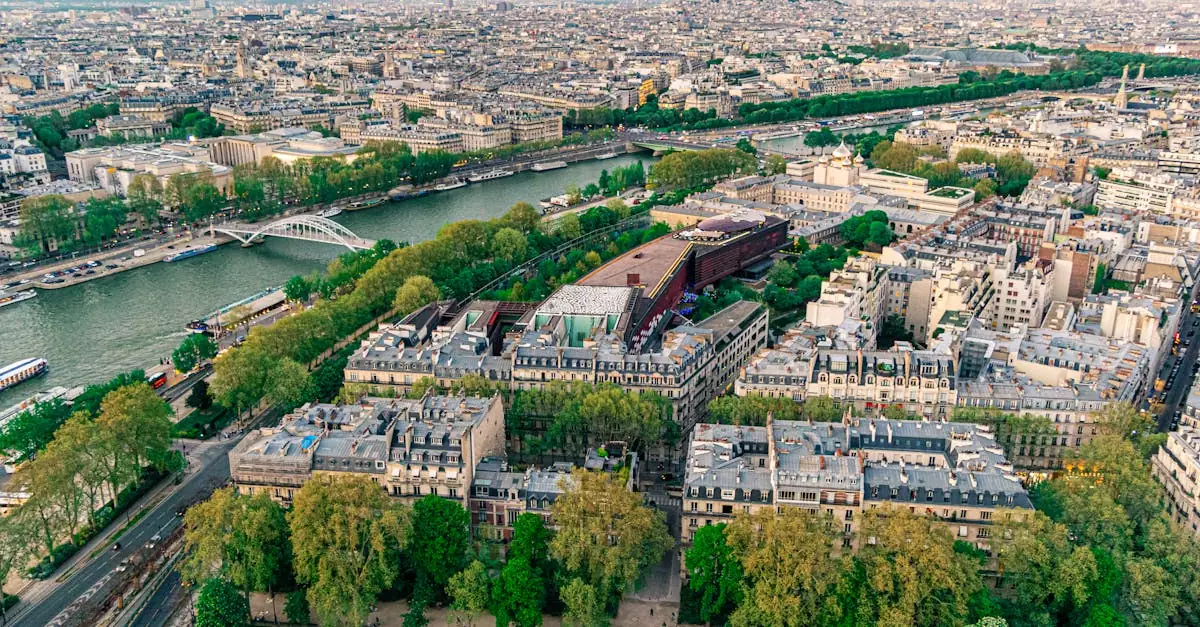
Away from landmark cities, France’s natural areas reveal quieter, equally stunning scenery. These lesser-known parks and regional reserves offer varied ecosystems—from rugged coastlines to tranquil alpine valleys—ideal for travelers seeking a deeper connection with nature.
Calanques National Park: Dramatic Coastal Cliffs and Turquoise Waters
Near Marseille and Cassis, Calanques National Park features limestone cliffs plunging into clear turquoise waters. Established in 2012, it protects a coastal environment of deep inlets (calanques) that resemble fjords. Hiking is the main way to explore, with routes from easy coastal strolls to strenuous ascents with wide views.
Traveler Tips for Calanques:
- Getting There: Use public transport to Cassis or Marseille, then reach trails on foot or by boat. Some calanques are drivable, but parking is limited and often costly, especially in peak season.
- Best Time to Visit: Spring (April–June) and autumn (September–October) provide pleasant hiking temperatures and fewer visitors. Summer can be hot, and trails may close due to fire risk.
- Activities: Kayaking and swimming are popular—observe designated swimming zones and boat traffic. Boat tours from Cassis or Marseille offer a different perspective.
- What to Pack: Sturdy hiking shoes, ample water, sun protection (hat, sunscreen), and snacks—facilities in the park are scarce.
Mercantour National Park: Alpine Flora, Fauna, and Prehistoric Art
Straddling the Italian border, Mercantour National Park is a high alpine wilderness of peaks, meadows, and rich biodiversity—home to ibex, chamois, marmots, and golden eagles. Trails lead to glacial lakes, high passes, and the Vallée des Merveilles, noted for thousands of prehistoric rock carvings.
Logistics for Mercantour:
- Access Points: Enter from villages like Saint-Étienne-de-Tinée, Valberg, and Auron; the Vallée des Merveilles is usually accessed from Tende.
- Seasonal Considerations: Late June to September is the main hiking season when trails clear of snow. Winter allows snowshoeing and cross-country skiing in designated areas.
- Accommodation: Options range from mountain refuges to valley hotels and guesthouses; book ahead for summer.
- Prehistoric Art: Visiting the Vallée des Merveilles typically requires a permit and often a guided tour to protect the engravings—plan logistics accordingly.
Quercy Regional Natural Park: Karst Landscapes and Grotte de Padirac
Quercy Regional Natural Park in southwestern France centers on karst terrain—underground rivers, sinkholes, and extensive caves. The Grotte de Padirac is a standout attraction: descend by elevator, explore caverns via an underground riverboat, and walk through galleries of stalactites and stalagmites.
Planning Your Visit to Quercy:
- Location: In the Lot department, Quercy is readily accessible by car. Expect crowds at Grotte de Padirac during summer.
- Beyond the Cave: Visit medieval villages like Rocamadour and Saint-Cirq-Lapopie, hike forested valleys, and sample local produce such as truffles and walnuts.
- Best Time to Explore: Spring and autumn offer comfortable weather for outdoor activities; the cave is open year-round for an underground alternative in colder months.
- Budget Considerations: Park access is free, but attractions like Grotte de Padirac charge admission. Accommodation ranges from budget gîtes to higher-end hotels.
Frequently Asked Questions About Visiting French National Parks
Are there entrance fees for France’s national parks?
Most French national parks do not charge a general entrance fee; access to parkland for hiking and general exploration is typically free. However, specific services—guided tours, museum exhibits, parking in busy zones, or permits for certain sites—may incur charges. Always consult the official website of the park you plan to visit for current fee information.
What are the best accommodation options near the parks?
Accommodation near France’s national parks suits varied budgets and preferences. Small villages often offer guesthouses or chambres d’hôtes for a local experience. Vacation rentals and self-catering cottages work well for families or groups. Campgrounds let you stay immersed in nature but check park-specific camping rules.
- Villages: Stay in towns just outside park entrances.
- Rural Guesthouses: Cozy, locally run lodgings.
- Self-Catering Cottages: Good for longer stays or groups.
- Campsites: Available within or near parks, usually with basic amenities.
What wildlife can I expect to see in the best national parks in France?
Wildlife varies by region and ecosystem. In mountainous parks like the French Alps, look for chamois, ibex, and marmots; birdwatchers may spot golden eagles and vultures. Coastal parks offer seabirds, marine life, and occasionally seals. Inland forests and the Massif Central host deer, wild boar, foxes, and diverse bird species. Sightings are never guaranteed; dawn and dusk increase the likelihood of observing wildlife. Maintain a safe distance and never feed animals.