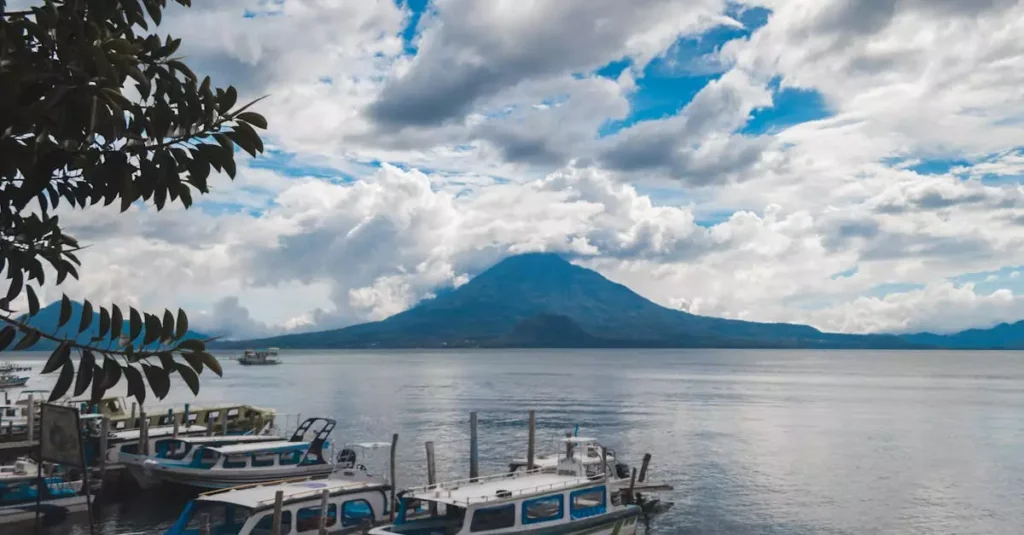
When seeking awe-inspiring natural wonders, few destinations captivate like the world’s best volcanic lakes. These breathtaking bodies of water, nestled within ancient calderas, blend dramatic geological history with serene beauty. From the vibrant shores of Guatemala’s Lake Atitlán to the deep blues of Crater Lake in Oregon, these locations offer unforgettable experiences for travelers.
In this guide, we will explore what makes these volcanic lakes special, examining their formation, surrounding landscapes, and the diverse activities available for visitors. You’ll discover why they are top destinations for nature enthusiasts and learn about their unique cultural and ecological significance. Prepare to be inspired by the sheer power and artistry of nature as we journey to some of the planet’s most magnificent crater lakes.
Lake Atitlán: Guatemala’s Crown Jewel Volcanic Crater Lake
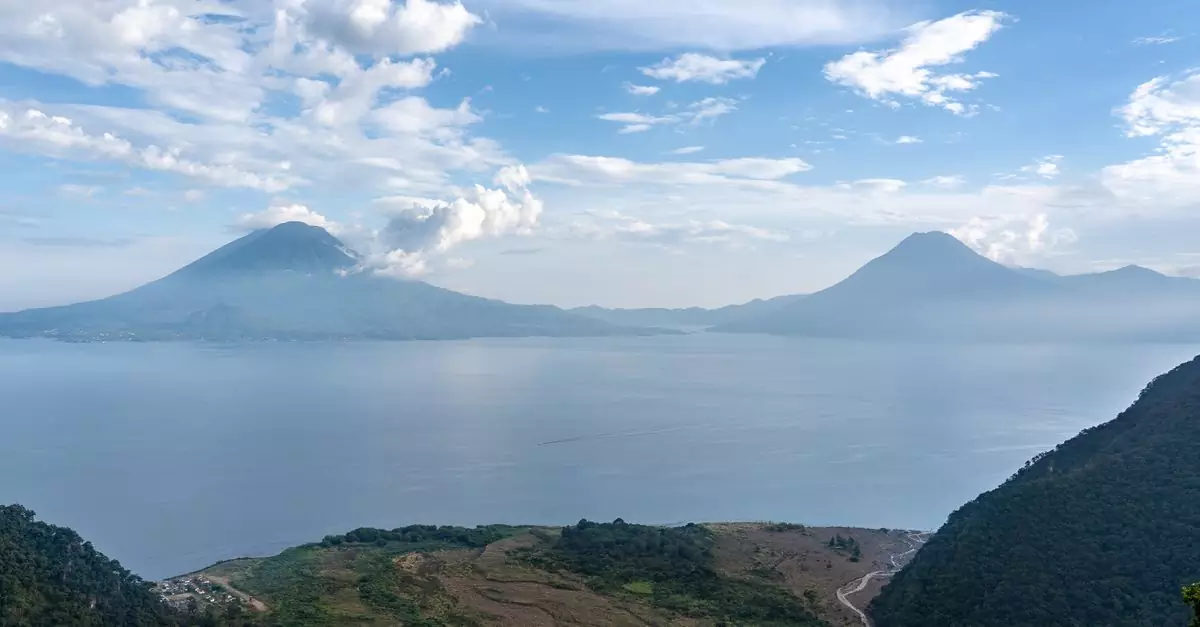
Lake Atitlán, often regarded as one of the best volcanic lakes in the world, is a stunning natural wonder in the Guatemalan highlands. This expansive, shimmering body of water is cradled within a massive volcanic caldera, its shores dotted with vibrant indigenous villages and framed by three majestic volcanoes: Tolimán, Atitlán, and San Pedro. The lake’s breathtaking beauty and rich cultural tapestry make it a must-visit destination for travelers seeking both natural splendor and authentic experiences.
Exploring the Majestic Shores of Lake Atitlán
The primary draw of Lake Atitlán is its accessibility and the diverse experiences it offers. Travelers can easily navigate between the lakeside towns by public lancha (boat), each with its own distinct character. Panajachel serves as the main tourist hub, bustling with markets and providing easy access to other villages. San Pedro La Laguna is popular among backpackers, known for its Spanish schools and lively atmosphere, while Santiago Atitlán, the largest town, offers a deeper insight into Tz’utujil Maya culture.
Getting around the lake is straightforward and affordable. Frequent lancha services connect the main towns, operating from early morning until late afternoon. A typical journey between Panajachel and San Pedro takes about 20-30 minutes and costs only a few dollars. For a more private experience, hiring a private boat is an option, though it comes at a higher price.
When planning your visit, consider the shoulder seasons of March to May and September to November. These periods generally offer pleasant weather with fewer crowds than the peak dry season (December to February). Evenings can be cool, so packing layers is advisable.
Volcanic Origins and Geological Wonders of Atitlán
The dramatic landscape of Lake Atitlán stems from immense geological forces. The lake fills a large caldera formed by a cataclysmic volcanic eruption approximately 84,000 years ago. This eruption, one of the largest in Earth’s history, created the depression now holding the lake. The three prominent volcanoes rising from the southern shore are remnants of subsequent volcanic activity.
Understanding the lake’s volcanic origins adds another layer to its allure. While the volcanoes are considered active, the most recent significant eruption occurred in 1978, a relatively minor event compared to the caldera-forming eruption. Geologists continue to monitor volcanic activity, ensuring the region’s safety. The rich volcanic soil contributes to the lush vegetation surrounding the lake, enhancing its visual appeal and geological significance.
For those interested in the broader geological context, learning about the volcanic arc of Guatemala can provide further insight into the forces that shaped this incredible landscape.
Why Lake Atitlán is a Top Nature Bucket List Destination
Lake Atitlán transcends typical tourist spots; it’s an immersive natural and cultural experience. Its status as one of the best volcanic lakes in the world is well-earned, offering unparalleled scenic beauty and adventure opportunities. The combination of pristine waters, imposing volcanoes, and vibrant indigenous communities creates a unique atmosphere.
Travelers can enjoy a range of activities, from kayaking and paddleboarding on the calm morning waters to hiking the surrounding hills for panoramic views. Birdwatching is also popular, with the region hosting diverse avian species. For cultural immersion, participating in a traditional weaving workshop or visiting local markets provides a genuine glimpse into the lives of the Tz’utujil and Kaqchikel Maya people.
The affordability of travel in Guatemala makes Lake Atitlán an accessible addition to any nature bucket list. Accommodation options range from budget-friendly hostels in San Pedro to upscale boutique hotels in Panajachel and Santa Cruz, catering to various travel styles. The local cuisine, featuring fresh produce and traditional dishes, adds to the overall richness of the experience.
Top Activities Around Lake Atitlán for Unforgettable Travel
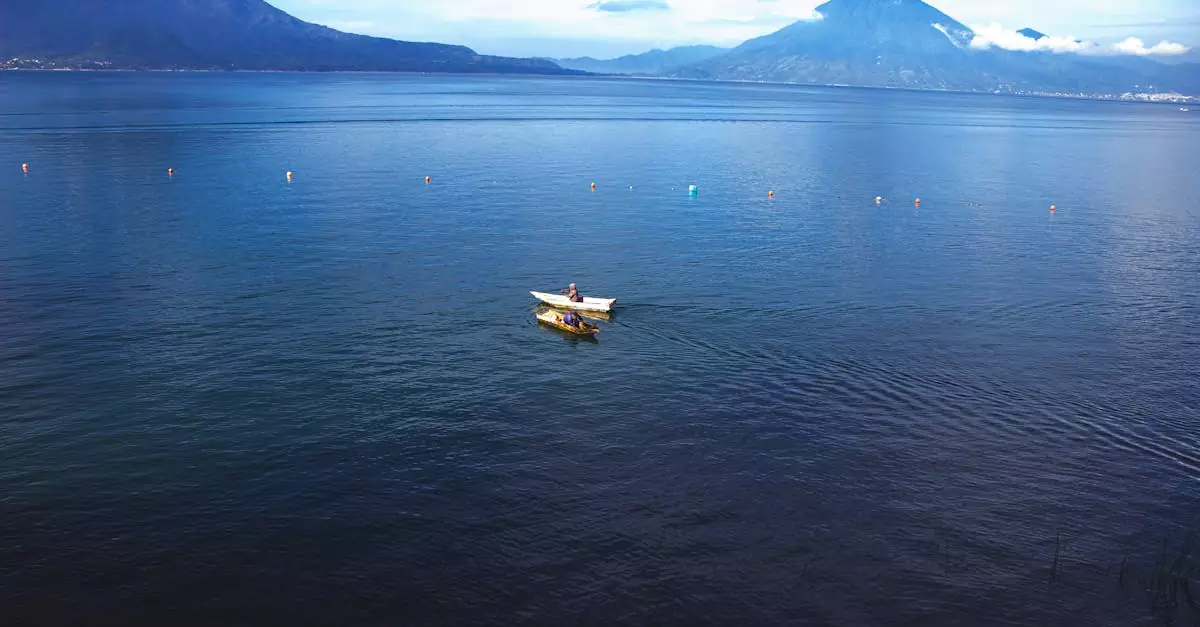
Lake Atitlán, a jewel in Guatemala’s natural wonders, offers more than just stunning scenery. This vast caldera lake, surrounded by three imposing volcanoes, serves as a hub for cultural immersion and outdoor adventure. Understanding the best ways to experience its unique offerings is essential when planning your visit.
Kayaking and Paddleboarding on Atitlán’s Volcanic Waters
Gliding across Lake Atitlán by kayak or paddleboard provides an unmatched perspective of the surrounding volcanoes. The calm morning hours are ideal for this activity, offering mirror-like reflections of Volcán Atitlán, Volcán Tolimán, and Volcán San Pedro. Local operators in towns like Panajachel and San Pedro La Laguna rent equipment and offer guided tours.
Consider packing waterproof bags for your essentials and applying reef-safe sunscreen, as the sun can be intense at this altitude. For a more structured experience, sunset paddles offer dramatic visuals as the volcanoes cast long shadows across the water. This serene activity allows for a deeper connection with the natural beauty that defines the region.
Hiking the Volcanic Peaks Surrounding Lake Atitlán
For hikers, the volcanoes surrounding Lake Atitlán present challenging yet rewarding treks. The most popular ascent is to Volcán San Pedro, which typically takes about 3-4 hours to reach the summit. From the top, the panoramic views of the lake and surrounding highlands are spectacular. Guides are highly recommended for safety and navigation, especially for less experienced hikers.
Another notable hike is the trail to the “Indian Nose” (La Nariz), a distinctly shaped peak offering iconic sunrise views over the lake. This shorter hike is accessible from various villages and is popular among photographers. Always carry plenty of water, wear sturdy hiking boots, and inform your accommodation of your hiking plans. Weather can change rapidly in the mountains, so check forecasts before setting out.
Exploring Indigenous Villages: Panajachel, San Pedro, and Santiago
The shores of Lake Atitlán are home to vibrant indigenous villages, each with its own distinct character and traditions. Panajachel serves as the main tourist hub, offering a wide range of accommodations, restaurants, and artisan markets. It’s also the primary point for catching public boats, known as lanchas, to other lakeside communities.
San Pedro La Laguna is a popular backpacker destination, known for its relaxed atmosphere, Spanish schools, and lively nightlife. Visitors can wander its narrow streets, visit coffee plantations, or soak in the local culture. Santiago Atitlán, the largest Tz’utujil Maya town, offers a deeper dive into traditional life, including the veneration of Maximón, a local folk saint.
- Transportation between villages: Lanchas operate frequently throughout the day. Purchase tickets at the dock.
- Cultural etiquette: Dress modestly when visiting villages, especially when entering churches or attending local events. Learning a few basic phrases in Spanish or Tz’utujil can enhance interactions.
- Shopping: Look for handwoven textiles, colorful clothing, and carved wooden items. Bargaining is common in markets.
These villages provide a glimpse into the rich cultural tapestry of Guatemala, making your visit to Lake Atitlán a truly multifaceted experience.
Best Time to Visit Lake Atitlán for Ideal Weather and Experiences
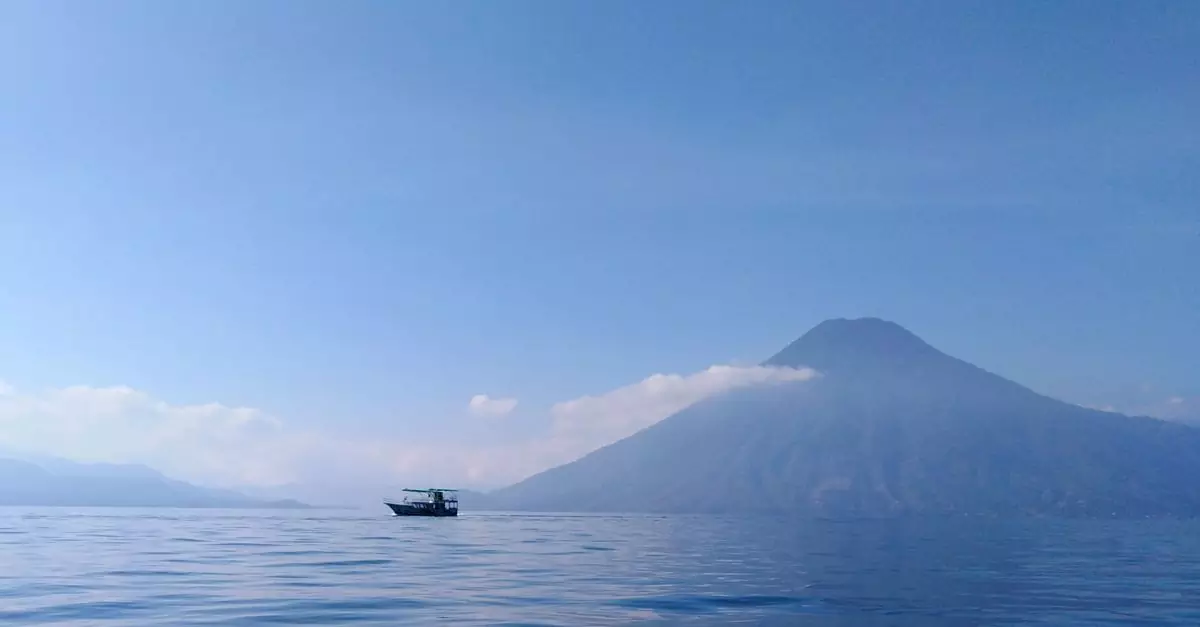
When planning a trip to Lake Atitlán, understanding its distinct seasons is crucial for maximizing your experience. This stunning volcanic crater lake, often cited among the best volcanic lakes in the world, offers different charms depending on your visit timing. Whether you prioritize sunny skies for exploring villages or vibrant cultural events, choosing the right time can significantly enhance your journey.
Navigating Lake Atitlán’s Dry and Rainy Seasons
Lake Atitlán experiences two primary seasons: the dry season, from November to April, and the rainy season, from May to October. The dry season generally offers more consistent sunshine and less humidity, making it a popular choice for travelers. Days are typically warm and pleasant, with cooler evenings. This period is excellent for hiking the surrounding volcanoes, like San Pedro or Tolimán, and for enjoying boat trips across the lake without frequent downpours.
Conversely, the rainy season brings afternoon showers, usually starting in early afternoon and lasting a few hours. While this might deter some from extensive outdoor activities, mornings are often clear and beautiful. The landscape becomes lush and green during these months, providing a different kind of visual appeal. The rain can also create a sense of calm and fewer crowds, offering a more tranquil atmosphere. Prices for accommodations may be slightly lower during the rainy season, providing a budget-friendly advantage for those willing to embrace occasional showers.
Festival and Cultural Events for Your Atitlán Itinerary
Guatemala boasts a rich cultural tapestry, and Lake Atitlán is a focal point for many vibrant festivals. Semana Santa (Holy Week), leading up to Easter, is particularly significant. The towns around the lake, especially Santiago Atitlán and Panajachel, come alive with elaborate processions, traditional music, and religious ceremonies. Streets are often carpeted with intricate sawdust and flower decorations, creating a deeply spiritual and visually stunning atmosphere, though it also means higher accommodation prices and larger crowds.
Another noteworthy event is the Santiago Atitlán patron saint festival in late July, celebrating Saint James the Apostle. This fiesta features traditional dances, parades, and local crafts. If you’re interested in experiencing authentic Mayan culture and witnessing unique traditions, aligning your visit with these events can be incredibly rewarding. Always book accommodations well in advance if you plan to visit during major festivals. Researching local calendars for specific dates of patron saint days in smaller villages like San Juan La Laguna or Santa Catarina Palopó can also reveal charming, less crowded celebrations.
Optimal Months for Photography at Lake Atitlán
For photographers aiming to capture the breathtaking beauty of Lake Atitlán, the dry season generally provides the most reliable light and clear skies. The months of February, March, and April offer excellent conditions with crisp air and vibrant colors. The sunrises and sunsets over the volcanoes surrounding the lake are particularly spectacular during this time, often painting the sky in dramatic hues. The clarity of the air also enhances the photographic potential of the distant volcanoes and the deep blue of the lake.
However, the rainy season, particularly the shoulder months of May and October, can present unique photographic opportunities. The dramatic cloud formations that build up before afternoon showers can create moody and atmospheric shots. After a rain shower, the light can be incredibly soft and diffused, ideal for capturing the lush green landscapes surrounding the lake. Mist or fog can also add an ethereal quality to your images, highlighting the volcanic origins of this stunning natural wonder. For those seeking the quintessential postcard view with clear skies and calm waters, the dry season from November to April remains the top recommendation.
Getting Around Lake Atitlán: Transportation Options and Tips
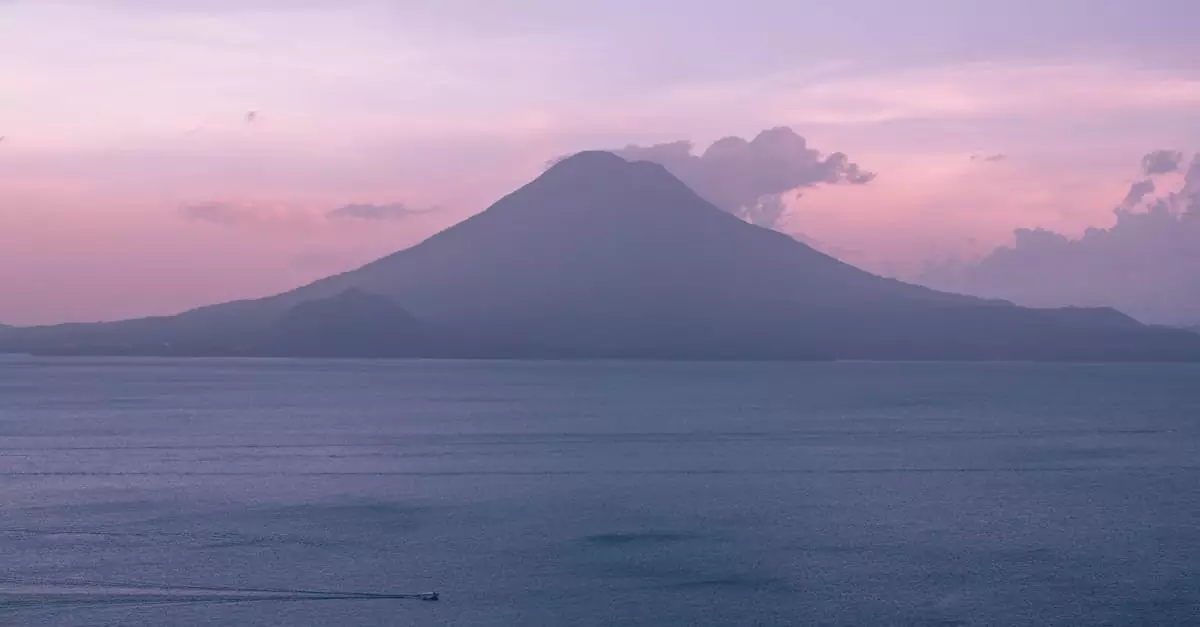
Navigating the villages surrounding Lake Atitlán requires understanding its unique transportation network. While car access is limited between many lakeside communities, a reliable system of public boats and local transport makes exploring the area straightforward and enjoyable. Planning your movement between towns is key to maximizing your time at this stunning Guatemalan destination.
Lancha Boats: The Essential Public Transport of Lake Atitlán
The primary way to travel between the lakeside villages is by lancha, small public motorboats that operate on a regular schedule. These boats are the lifeblood of the region, connecting popular hubs like Panajachel, San Pedro La Laguna, San Marcos La Laguna, and Santa Cruz La Laguna. Lanchas depart frequently throughout the day, typically from designated docks in each town.
Fares are generally affordable and standardized, though prices can fluctuate slightly. It’s wise to confirm the fare with the boat captain before boarding to avoid surprises. During peak hours, especially in the morning and late afternoon, boats can become crowded. If you prefer a more comfortable or private journey, you can charter a lancha, though this will be significantly more expensive.
- Lancha Schedule: Boats usually run from around 6:00 AM until 8:00 PM, but service can be less frequent or stop earlier in less populated villages or during the rainy season.
- Boarding Tips: Be prepared for a bit of jostling during busy periods. Secure your belongings, as the boats can be bumpy.
- Safety: Lancha captains are experienced, but it’s always good practice to be aware of your surroundings and keep valuables secure.
Navigating to Lake Atitlán from Antigua and Guatemala City
Reaching Lake Atitlán is most commonly done from the colonial city of Antigua or the capital, Guatemala City. The journey typically involves a shuttle van or private transfer to Panajachel, the main gateway town on the lake. These services can be booked through numerous tour operators in Antigua and Guatemala City, or often arranged by your accommodation.
The drive from Antigua takes approximately 2.5 to 3 hours, while the trip from Guatemala City can be around 3 to 4 hours, depending on traffic. Roads are generally paved but can be winding as you descend towards the lake. Opting for a shared shuttle is a budget-friendly option, while a private transfer offers more flexibility and comfort.
- Booking Shuttles: Reserve your shuttle a day or two in advance, especially during high season.
- Travel Time: Factor in potential traffic delays, particularly when departing from Guatemala City.
- Alternative Transport: Public buses are also available but are significantly slower and less comfortable for travelers with luggage.
Scooter and Tuk-Tuk Rentals for Village Exploration
Once you’ve arrived at one of the lakeside villages, exploring its immediate surroundings is best done on foot, by bicycle, or with local transport like tuk-tuks. In larger towns such as San Pedro La Laguna and Panajachel, you can rent scooters for a few hours or a day, offering the freedom to venture to nearby viewpoints or smaller, less accessible hamlets.
However, scooter rental requires caution. Roads can be steep, narrow, and unpaved in places, and local driving habits can be unpredictable. Always wear a helmet and drive defensively. Tuk-tuks are readily available for short trips within a town or to nearby attractions. They are a convenient and affordable way to get around if you prefer not to walk or rent a scooter.
- Scooter Rental Requirements: Typically requires a valid driver’s license and a deposit.
- Tuk-Tuk Fares: Agree on the price before starting your journey.
- Village Walkability: Many of the smaller villages, like San Marcos La Laguna, are highly walkable and best experienced on foot to soak in the atmosphere.
Beyond Atitlán: Other Stunning Volcanic Crater Lakes Globally
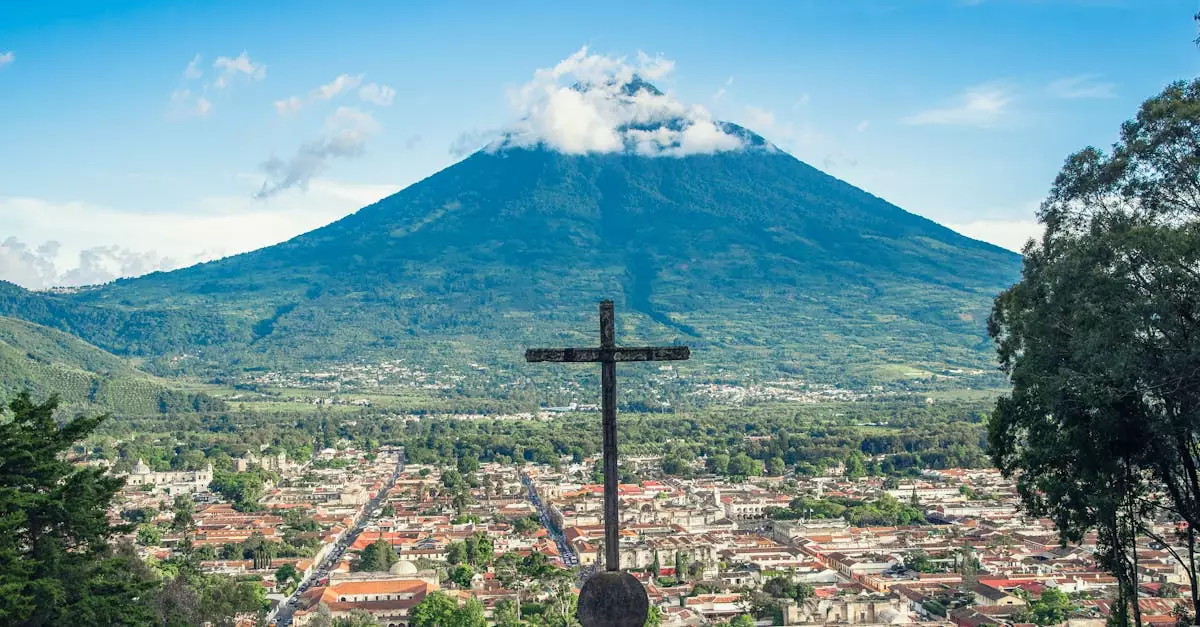
While Lake Atitlán in Guatemala offers a breathtaking example of a volcanic lake, the world boasts several other remarkable crater lakes that deserve a spot on any nature lover’s bucket list. These bodies of water, formed within ancient calderas, showcase the raw power of geological forces and often possess unique ecosystems and stunning visual appeal.
Crater Lake National Park, Oregon: America’s Deepest Lake
Crater Lake in Oregon is renowned for its intense blue color and remarkable depth, making it the deepest lake in the United States and the second deepest in North America. Formed by the collapse of Mount Mazama approximately 7,700 years ago, the lake’s caldera is now filled with incredibly pure water, fed almost entirely by rain and snow. The sheer cliffs surrounding the lake rise dramatically from the water’s edge, creating a spectacular panorama.
Visitors can drive the scenic Rim Drive, which circles the lake and offers numerous viewpoints. Boat tours to Wizard Island, a cinder cone within the caldera, provide a unique perspective and hiking opportunities. The best time to visit is during the summer months (July through September) when the weather is most stable and most of the park’s roads are open. Winter brings heavy snowfall, transforming the landscape into a snow-covered wonderland, but limiting access. Be prepared for cooler temperatures even in summer due to the high elevation.
Mount Fuji’s Five Lakes: A Serene Japanese Volcanic Landscape
Nestled at the northern base of Japan’s iconic Mount Fuji are the Fuji Five Lakes (Fujigoko). These five distinct crater lakes – Kawaguchiko, Saiko, Yamanakako, Shojiko, and Motosuko – were formed by volcanic activity and lava flows from Mount Fuji. Each lake offers a different perspective of the majestic volcano, often reflected perfectly in their calm waters, especially on clear mornings.
Lake Kawaguchiko is the most accessible and developed, offering a wide range of accommodations, museums, and recreational activities. Yamanakako is the largest and highest, popular for water sports. Saiko, Shojiko, and Motosuko are less developed, providing a more tranquil experience and opportunities for camping and hiking. Spring and autumn are particularly beautiful, with cherry blossoms in April and vibrant fall foliage in October and November. Accessing the lakes is straightforward via bus or train from Tokyo.
Kelud Volcano’s Lake: Indonesia’s Dramatic Crater
Mount Kelud in East Java, Indonesia, is an active stratovolcano known for its frequently changing crater lake. Historically, the lake within Kelud’s crater has raised concerns due to its potential for dangerous lahars (volcanic mudflows) when it overflows. However, recent engineering efforts have been undertaken to manage the water level and mitigate risks, including constructing tunnels to drain excess water.
Despite its geological activity, the area around Kelud offers striking natural beauty. The lake, when present and accessible, is often a vibrant turquoise color, set against the stark volcanic landscape. Visitors can trek to the crater rim for impressive views, though accessibility can vary depending on the volcano’s current activity level. It’s crucial to check local advisories and the volcano’s status before planning a visit. The best time to visit is during the dry season (May to September) for clearer weather and safer trekking conditions.
Frequently Asked Questions About Visiting Volcanic Lakes
Is Lake Atitlán safe for tourists?
Lake Atitlán is generally safe for tourists, with most visitors enjoying their time without incident. The primary concern is petty theft, particularly in crowded areas or on public transportation. It’s advisable to stay aware of your surroundings, keep valuables secure, and avoid displaying expensive items. Local communities are welcoming, and many travelers find the area very secure, especially in tourist-friendly towns like Panajachel, San Pedro La Laguna, or San Marcos La Laguna. Researching current travel advisories for Guatemala is always a good practice before your trip.
What are the must-try local foods around Lake Atitlán?
The culinary scene around Lake Atitlán offers a delightful taste of Guatemalan flavors. Pepian, a rich stew with a complex spice base, is a national dish worth seeking out. Kak’ik, a turkey soup seasoned with cilantro and chilies, is another flavorful option. For a lighter bite, try tamales, corn dough steamed in banana leaves, often filled with chicken or pork. Many lakeside restaurants also serve fresh fish, often tilapia caught directly from the lake, prepared in various delicious ways. Don’t miss the chance to sample fresh tropical fruits and local coffee, which is renowned worldwide.
What should I pack for a trip to a volcanic lake region?
Packing for a volcanic lake region like Lake Atitlán requires preparation for varied conditions.
- Clothing: Bring layers. Mornings and evenings can be cool, especially at higher altitudes, while daytime can be warm. Include t-shirts, long-sleeved shirts for sun protection, a fleece or light jacket, and comfortable walking pants or shorts.
- Footwear: Sturdy walking shoes or hiking boots are essential for exploring uneven terrain, hiking trails, or navigating cobblestone streets. Water shoes can be useful for activities on the lake.
- Sun Protection: A wide-brimmed hat, sunglasses, and high-SPF sunscreen are crucial due to the strong equatorial sun.
- Insect Repellent: Mosquitoes can be present, particularly near the water and at dawn/dusk.
- Rain Gear: Depending on the season, a lightweight, waterproof jacket or poncho is advisable.
- Essentials: A reusable water bottle, a small backpack for day trips, and a basic first-aid kit are recommended. For those interested in photography, consider bringing a waterproof camera or protective casing for your devices, as volcanic lakes can be misty and humid.