Planning a three-month adventure across South America is an exciting prospect, offering a chance to immerse yourself in diverse cultures, breathtaking landscapes, and unforgettable experiences. To make the most of such an extensive journey, thoughtful planning is essential. This guide will help you craft the best multi-country South America itinerary, balancing iconic destinations with hidden gems and accommodating various travel styles.
You’ll learn how to strategically divide your time across the continent, from the ancient wonders of the Andes to the dramatic glaciers of Patagonia and the vibrant energy of Brazil. We’ll explore essential logistical considerations, including transportation and accommodation options, ensuring a smooth and rewarding trip. Prepare to uncover a continent of incredible contrasts and unparalleled beauty as you embark on this South American exploration.
Crafting Your Best Multi-Country South America Itinerary: Key Considerations
Embarking on a three-month journey across South America is an ambitious undertaking, promising a rich tapestry of landscapes, cultures, and adventures. To maximize your experience, careful planning is crucial. This section delves into the critical factors that will shape your best multi-country South America itinerary, ensuring a balanced and fulfilling experience.
Balancing Iconic Sights with Off-the-Beaten-Path Gems
When planning a long-term trip through South America, the temptation to tick off every major landmark is strong. While destinations like Machu Picchu in Peru, Iguazu Falls on the Brazil-Argentina border, and the Uyuni Salt Flats in Bolivia are spectacular, dedicating time to lesser-known locales offers a deeper connection to the continent. Consider incorporating regions like Colombia’s Coffee Triangle for a taste of rural life or exploring the Amazon basin beyond the main tourist hubs for a more authentic jungle experience. This blend ensures you witness iconic marvels while uncovering unique cultural insights and quieter natural beauty.
Choosing Your South America Travel Planning Approach: Fast-Paced vs. Immersive
A three-month South America itinerary can be approached in various ways, each offering a different travel rhythm. A fast-paced itinerary might cover more ground, allowing you to sample diverse regions and cultures in shorter bursts. This approach suits travelers seeking a broad overview of the continent’s highlights. Conversely, an immersive approach focuses on spending more time in fewer locations, fostering a deeper understanding of local life, traditions, and language. For South America backpacking, this often means slower travel, utilizing local transport and staying in hostels or guesthouses for extended periods. Decide whether you prioritize breadth or depth in your journey.
Essential South America Backpacking Route Logistics
Effective South America backpacking hinges on mastering logistics. Given the vast distances, transportation is a key consideration. Overnight buses are common and budget-friendly, connecting most major cities and towns. For longer distances or time constraints, budget airlines operate between many capitals, though booking in advance is recommended.
- Transportation Tips:
- Book long-distance bus tickets a day or two in advance, especially during peak season.
- Consider regional flight deals for significant cross-country travel to save time.
- Embrace local transport within cities, such as colectivos (shared vans) or local buses, for an authentic experience.
Accommodation options range from budget-friendly hostels perfect for solo travelers to comfortable mid-range hotels and unique eco-lodges. Safety is paramount; always research current conditions for your chosen destinations and practice general travel awareness, such as avoiding displaying expensive items and being mindful of your surroundings, particularly in larger cities. Understanding visa requirements for your nationality is crucial; while many South American countries offer visa-free entry for short stays, it’s wise to check specific regulations for longer durations. For a comprehensive overview of the continent, consult resources like Britannica’s entry on South America.
Month 1: Andean Peaks and Ancient Wonders
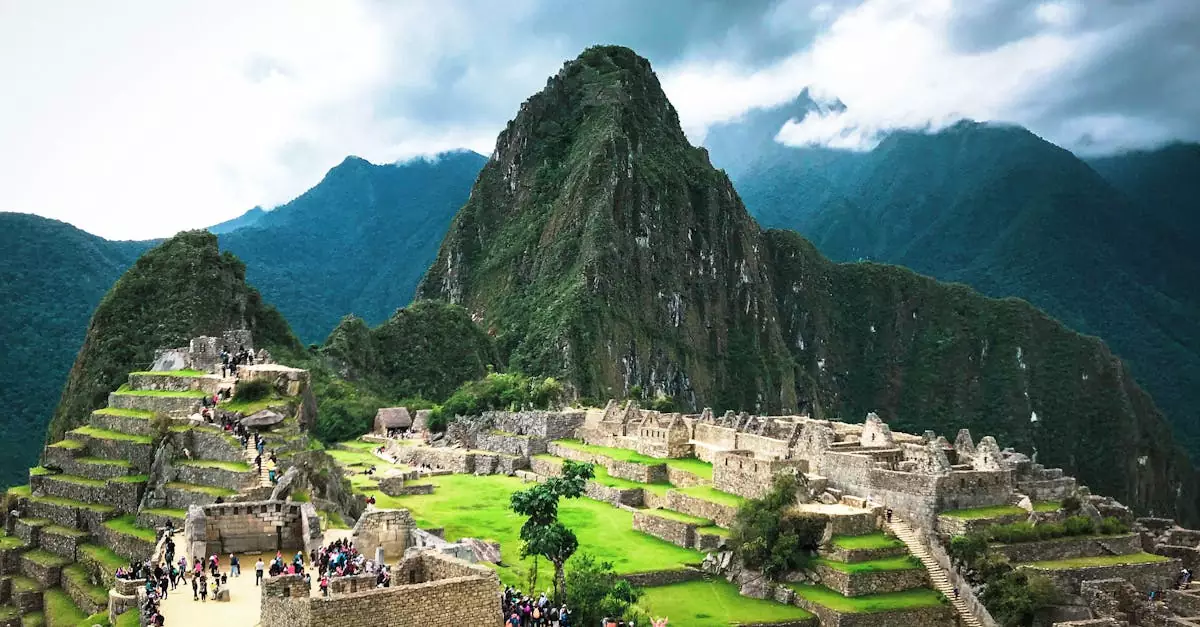
This initial month of your South America adventure focuses on the captivating Andes, blending world-class cuisine, ancient Incan history, and vibrant indigenous cultures. It’s a journey that requires acclimatization to altitude and a willingness to embrace the unexpected. This part of the best multi-country South America itinerary offers a deep dive into Peru and Bolivia.
Lima’s Culinary Scene and Coastal Charm (Peru)
Begin your South American exploration in Lima, Peru’s bustling capital. This city is a gastronomic paradise, consistently ranked among the world’s best for its innovative and delicious cuisine. Beyond the food, Lima offers a compelling mix of colonial architecture in the historic center and modern life along its Pacific coastline.
- Culinary Highlights: Don’t miss ceviche, lomo saltado, and pisco sours. Explore districts like Miraflores and Barranco for a diverse range of restaurants, from high-end establishments to vibrant street food stalls.
- Getting Around: Lima is vast, but taxis and ride-sharing apps are readily available for getting between neighborhoods. For exploring the historic center, walking is best.
- Accommodation: Miraflores offers ocean views and upscale hotels, while Barranco provides a bohemian vibe with boutique guesthouses.
Machu Picchu and the Sacred Valley’s Mystique (Peru)
From Lima, fly to Cusco, the gateway to the Incan Empire. Spend a few days in Cusco to adjust to the altitude (around 11,000 feet) before venturing into the Sacred Valley. This region is home to ancient ruins, traditional markets, and breathtaking mountain scenery. The crown jewel, Machu Picchu, is an unforgettable experience.
- Logistics: Booking Machu Picchu tickets and train passage well in advance is crucial, especially during peak season. Consider hiring a guide for a richer understanding of the site’s history.
- Sacred Valley Sites: Explore Pisac’s market and ruins, the agricultural terraces of Moray, and the salt pans of Maras. Ollantaytambo offers impressive Incan fortresses and a charming town.
- Transportation: Buses and colectivos (shared vans) are common for travel within the Sacred Valley. For a more scenic and comfortable journey to Machu Picchu, the train from Ollantaytambo is recommended.
Lake Titicaca’s Floating Islands and Culture (Peru/Bolivia)
Continue south to Puno, on the shores of Lake Titicaca, the world’s highest navigable lake. This vast expanse of water is home to unique indigenous communities, most famously the Uros people, who live on self-built floating islands made from reeds. A boat trip across the lake offers a glimpse into a traditional way of life.
- Island Visits: Tours typically include stops at the Uros islands, Taquile Island (known for its textile traditions), and Amantaní Island (where homestays are possible).
- Travel to Bolivia: From Puno, you can take a bus or boat across the lake to Copacabana, Bolivia, a popular base for exploring Isla del Sol. This transition is a common part of the South America travel planning process.
La Paz’s Altitude and Vibrant Markets (Bolivia)
La Paz, Bolivia’s administrative capital, is an extraordinary city set in a canyon. Its extreme altitude (over 11,900 feet) is immediately noticeable, but the city’s energy, vibrant markets, and dramatic setting make it a must-visit. The Witches’ Market (Mercado de las Brujas) offers a unique cultural experience.
- Getting Around: The Mi Teleférico cable car system offers stunning panoramic views and is an efficient way to navigate the city’s steep terrain.
- Altitude Sickness: Take it easy on your first day. Drink plenty of water, avoid alcohol, and consider coca tea, a traditional remedy.
- Day Trips: Consider a visit to the Moon Valley (Valle de la Luna) for its unusual rock formations or the challenging but rewarding mountain biking trip down the “Death Road.” This part of the best multi-country South America itinerary is demanding but incredibly rewarding.
Month 2: Patagonia’s Glaciers and Brazilian Rhythms
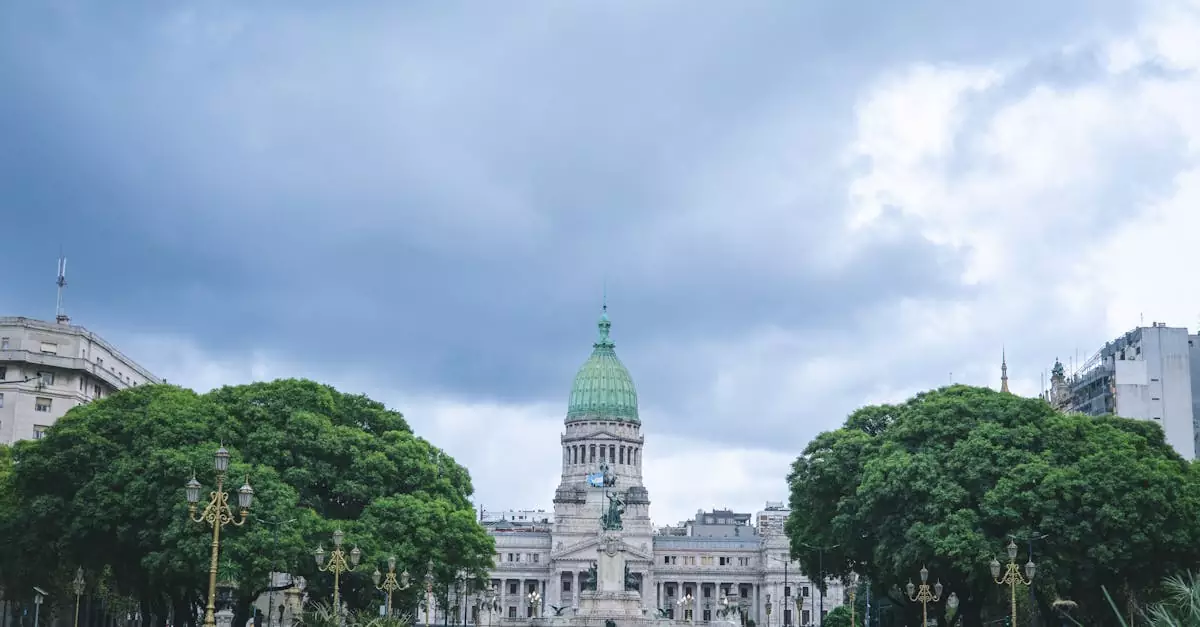
This segment of your best multi-country South America itinerary dives into the dramatic landscapes of Patagonia and the vibrant energy of Brazil. You’ll transition from the icy wonders of Argentina to the sun-drenched beaches and iconic landmarks of Rio de Janeiro, offering a striking contrast in experiences. Planning this transition requires careful consideration of travel times and weather.
El Calafate’s Perito Moreno Glacier (Argentina)
El Calafate serves as the gateway to the awe-inspiring Perito Moreno Glacier, a colossal river of ice that is one of the few advancing glaciers in the world. Witnessing its sheer scale and hearing the thunderous cracks as ice calves into Lago Argentino is an unforgettable spectacle. Boat tours provide close-up views of the glacier’s immense blue face, while extensive boardwalks offer panoramic vistas from various angles.
- Getting there: Flights from Buenos Aires to El Calafate (FTE) are frequent. From the town, buses or organized tours transport visitors to the glacier’s viewing areas.
- Best time to visit: The Patagonian summer (December to February) offers the most stable weather, though it’s also the busiest. Shoulder seasons (October-November and March-April) provide fewer crowds and beautiful autumn colors, but with cooler temperatures and a higher chance of wind.
- Logistics: Book glacier tours and accommodation in advance, especially during peak season.
El Chaltén’s Hiking Trails (Argentina)
North of El Calafate, El Chaltén is Argentina’s trekking capital, renowned for its dramatic granite peaks like Fitz Roy and Cerro Torre. This hiker’s paradise offers trails for all levels, from gentle strolls to challenging multi-day treks. The crisp mountain air and stunning vistas make every step rewarding.
- Getting there: Buses run regularly between El Calafate and El Chaltén, a scenic journey of about three hours.
- Hiking: Popular day hikes include Laguna de los Tres (for Fitz Roy views) and Laguna Torre. Many trails start directly from the town, minimizing the need for transportation once you’re there.
- Accommodation: El Chaltén has a range of hostels, guesthouses, and small hotels. Booking ahead is recommended, particularly for those seeking specific amenities.
Ushuaia: The End of the World (Argentina)
Further south, Ushuaia claims the title of the southernmost city in the world. It’s a base for exploring Tierra del Fuego National Park, where you can hike through subantarctic forests and along the Beagle Channel. Boat trips offer opportunities to see sea lions, penguins, and diverse birdlife. The city itself has a rugged charm and a fascinating history tied to its remote location.
- Getting there: Flights connect Ushuaia (USH) to Buenos Aires and other major Argentine cities. Buses from El Calafate are also an option but are very long.
- Activities: Beyond the national park, consider a boat tour on the Beagle Channel or visit the Maritime Museum, housed in a former prison.
- Timing: Similar to El Calafate, the summer months are best for milder weather, though Ushuaia remains cool year-round.
Rio de Janeiro’s Beaches and Christ the Redeemer (Brazil)
After the Patagonian wilderness, you’ll fly north to the vibrant energy of Rio de Janeiro, Brazil. This iconic city offers a completely different pace, defined by its stunning natural setting between lush mountains and the Atlantic Ocean. Copacabana and Ipanema beaches are world-famous for their lively atmosphere and beautiful sandy stretches.
- Getting there: Flights from Buenos Aires to Rio de Janeiro (GIG) are common. This is a significant travel day, often involving a connection.
- Must-sees: The panoramic views from Christ the Redeemer atop Corcovado Mountain and Sugarloaf Mountain are essential. Explore the colorful Selarón Steps and the historic Santa Teresa neighborhood.
- Safety: Like any large city, be aware of your surroundings, especially in crowded tourist areas and at night. Stick to well-trafficked areas and use reputable transportation.
- Getting around: Rio has a metro system, buses, and readily available taxis and ride-sharing services.
This part of your South America travel planning highlights the incredible diversity the continent offers, from glacial landscapes to tropical cityscapes.
Month 3: Amazonian Biodiversity and Colonial Charm
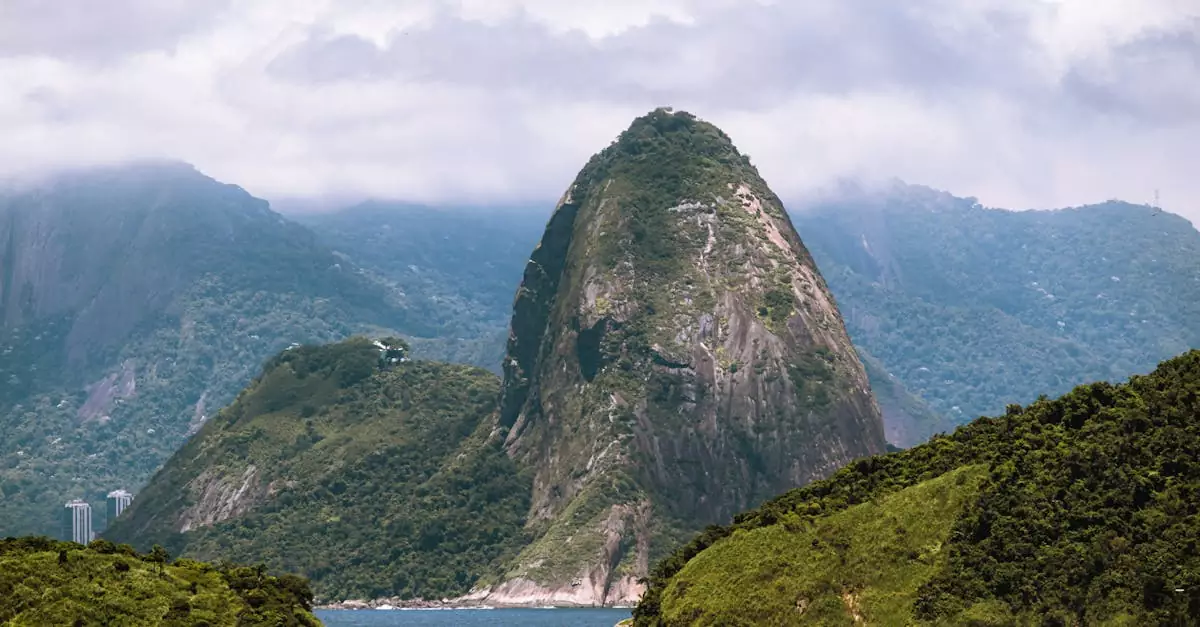
The final month of your South American adventure focuses on breathtaking natural wonders, vibrant cultural hubs, and the continent’s distinct European influences. This segment of the best multi-country South America itinerary offers a rich tapestry of experiences, from the thunderous roar of Iguazu Falls to the rhythmic pulse of tango in Buenos Aires.
Iguazu Falls: A Natural Spectacle (Brazil/Argentina)
Prepare to be humbled by the sheer power and scale of Iguazu Falls, a UNESCO World Heritage site straddling the border of Brazil and Argentina. This is not just one waterfall, but a system of hundreds, creating an awe-inspiring panorama. The Argentinian side offers a more immersive experience, with extensive boardwalks that take you right over and around the cascades, including the dramatic Devil’s Throat. The Brazilian side provides sweeping, panoramic views, ideal for photography and appreciating the vastness of the falls.
- Getting there: Fly into Puerto Iguazú (IGR) in Argentina or Foz do Iguaçu (IGU) in Brazil. Both sides are accessible from their respective towns.
- Logistics: You can visit both sides in a single day if you’re efficient, but it’s recommended to dedicate at least one full day to each side for a more relaxed experience. Border crossing is straightforward.
- Timing: The falls are impressive year-round, but rainfall is higher from December to March, making the water flow most powerful. Shoulder seasons (April-May and September-October) offer pleasant weather and fewer crowds.
Salvador’s Afro-Brazilian Heritage (Brazil)
Journey to Salvador, the heart of Afro-Brazilian culture and the country’s first colonial capital. Its Pelourinho district, a UNESCO site, is a vibrant maze of cobblestone streets lined with brightly colored colonial buildings. Here, you can witness capoeira demonstrations, savor Bahian cuisine like acarajé, and feel the palpable energy of a city deeply connected to its African roots. The music, dance, and religious traditions are unlike anywhere else in South America.
- Culture: Salvador is a living museum of African heritage. Don’t miss a chance to experience a Candomblé ceremony if opportunities arise respectfully.
- Food: Sample moqueca (seafood stew) and vatapá (creamy bread-based dish) for an authentic taste of Bahia.
- Safety: Stick to well-trafficked areas, especially after dark. Be aware of your surroundings and avoid displaying valuables.
Buenos Aires’ Tango and European Flair (Argentina)
Conclude your South American adventure in Buenos Aires, often called the “Paris of South America.” This dynamic capital captivates with its grand European architecture, bustling porteño lifestyle, and passionate tango culture. Wander through elegant neighborhoods like Recoleta and Palermo, enjoy world-class steak and Malbec, and perhaps even take a tango lesson. The city offers a sophisticated urban experience, rich in art, history, and culinary delights.
- Transportation: Buenos Aires is a highly walkable city, but its extensive public bus system (colectivos) and subte (subway) are efficient and affordable for longer distances.
- Accommodations: Options range from boutique hotels in Palermo Soho to grander establishments in Recoleta. Budget travelers will find hostels in San Telmo.
- Evening Activities: Catch a professional tango show or experience a milonga, where locals dance tango socially.
Montevideo’s Relaxed Coastal Vibes (Uruguay)
A short ferry ride or flight from Buenos Aires lies Montevideo, Uruguay’s capital. This city offers a more laid-back atmosphere, perfect for a gentle wind-down. Stroll along the Rambla, a scenic waterfront promenade stretching for miles, and enjoy the city’s relaxed pace. Montevideo boasts a charming old town, excellent local wine, and a growing reputation for its quality of life. It’s a refreshing contrast to the intensity of larger South American metropolises.
- Comparison: Compared to Buenos Aires, Montevideo feels less frenetic and more accessible, with a strong emphasis on outdoor living and a slower pace.
- Cuisine: Sample chivito (a hearty steak sandwich) and enjoy Uruguay’s famous dulce de leche.
- Day Trips: Consider a visit to the historic town of Colonia del Sacramento, another UNESCO World Heritage site, easily accessible for a day trip from Montevideo.
Navigating South America: Transportation & Accommodation for Long-Term Travel

Planning a multi-month adventure across South America requires a strategic approach to transportation and accommodation. The sheer size of the continent and its diverse landscapes mean that your choices here will significantly impact your budget, time, and overall experience. Understanding the options available will help you craft the best multi-country South America itinerary.
Flying vs. Overland Travel: Which is Best for Your Itinerary?
The decision between flying and overland travel hinges on your priorities. For covering vast distances quickly, such as hopping from Lima, Peru, to Buenos Aires, Argentina, flights are often the most efficient. Budget airlines like LATAM, Sky Airline, and Aerolineas Argentinas frequently offer competitive fares, especially when booked in advance. However, frequent flying can quickly deplete your budget and means you miss out on the evolving scenery and serendipitous encounters that overland travel provides.
Overland travel, primarily by bus, offers a more immersive experience and is considerably more budget-friendly. It allows you to witness the changing landscapes, from the Andes to the Amazon, and interact with local communities. For a comprehensive multi-country South America itinerary, a mix of both is often ideal. Consider flying between distant regions and using buses for travel within countries or between neighboring nations.
Bus Networks: Budget-Friendly Travel Across Borders
South America boasts an extensive and generally reliable bus network, making it the backbone of budget travel for many. Companies like Cruz del Sur (Peru), Andesmar (Argentina), and Flota La Merced (Colombia) operate comfortable, long-distance services, often with reclining seats, onboard entertainment, and even meals on overnight journeys. These buses are a fantastic way to experience the continent intimately.
When planning your travel, research different bus companies and classes of service. “Cama” (bed) or “Semi-cama” (semi-bed) seats offer more comfort for longer trips, which are common when traversing multiple countries. Booking tickets a day or two in advance is usually sufficient, though popular routes during peak season might require earlier reservations. Always keep your passport handy, as border crossings often involve disembarking and presenting documents.
Choosing Hostels, Guesthouses, and Boutique Hotels
Accommodation in South America ranges from ultra-budget hostels to luxurious hotels. Hostels are excellent for solo travelers and those on a tight budget, offering dormitory beds and private rooms, plus social atmospheres and organized activities. Popular chains like Hostelling International have a presence, alongside countless independent options.
Guesthouses, often called “hospedajes” or “pousadas,” provide a more intimate, family-run experience, offering a glimpse into local life. Boutique hotels are becoming increasingly common, particularly in larger cities and tourist hubs, offering unique designs and personalized service. For a three-month South America itinerary, mixing these options can provide variety and manage costs. Consider booking your first few nights in each new city, then exploring local options once you arrive.
Understanding Local Transport within Cities
Navigating cities across South America varies greatly. Major hubs like Santiago, Buenos Aires, and São Paulo have well-developed public transport systems, including subways and extensive bus routes. Purchasing a rechargeable transport card, such as the “Tarjeta SUBE” in Argentina or the “Bip!” card in Chile, is essential for seamless travel and often offers discounted fares.
In smaller towns or cities with less developed infrastructure, local buses, colectivos (shared taxis), and regular taxis are the primary modes of transport. Always agree on a fare before entering a taxi, or ensure the meter is used. Ride-sharing apps like Uber and Cabify operate in many major cities and can offer a convenient and often safer alternative. Walking is also a fantastic way to get acquainted with city neighborhoods, especially in historic centers.
Frequently Asked Questions About a Multi-Country South America Trip
What is the safest way to travel South America for an extended period?
Safety in South America varies by country and region, but a well-planned approach minimizes risks. Researching specific destinations and understanding local customs is crucial. Generally, sticking to well-trafficked tourist routes, avoiding displaying expensive items, and being aware of your surroundings are good practices.
Utilizing reputable transportation, like official taxis or ride-sharing apps, and booking accommodations in secure neighborhoods can enhance your safety. For longer journeys, consider travel insurance that covers medical emergencies and theft. Understanding basic phrases in Spanish or Portuguese can also be incredibly helpful for navigating and communicating in various situations.
What’s the best time of year for a comprehensive South America itinerary?
The “best” time depends heavily on which countries you plan to visit, as South America spans diverse climate zones. For a multi-country adventure covering a significant portion of the continent, consider the shoulder seasons: April to May and September to October. These periods often offer a balance of good weather across many regions and fewer crowds than peak summer months.
- Andes (Peru, Bolivia, Ecuador): The dry season from May to October is ideal, offering clear skies for trekking and sightseeing.
- Patagonia (Chile, Argentina): The summer months (December to February) provide the best weather for exploring glaciers and national parks.
- Amazon Rainforest (Brazil, Peru, Ecuador): The dry season (June to November) is generally preferred, with lower water levels making wildlife viewing easier.
- Brazil: Varies greatly. Coastal areas are pleasant year-round, but avoid the rainy season in the Amazon from December to May.
Planning your route to align with regional weather patterns will significantly improve your travel experience.
How much does a 3-month South America backpacking trip typically cost?
A 3-month backpacking trip through South America can range significantly in cost, but a reasonable budget often falls between $3,500 to $7,000 USD per person, excluding international flights. This estimate assumes a moderate travel style, utilizing budget accommodations, local transport, and eating at local eateries.
Your daily expenses will fluctuate based on the countries visited. For example, Bolivia and Ecuador are generally more affordable than Chile or Uruguay. Accommodation costs can vary from $10-$30 per night for hostels, while meals might range from $5-$15.
Transportation, including buses and occasional internal flights, will be a significant expense. To manage your budget:
- Cook some of your meals.
- Opt for overnight buses to save on accommodation.
- Take advantage of free walking tours.
- Look for happy hour deals.
What essential items should I pack for diverse South American climates?
Packing for South America requires versatility due to the wide range of climates you might encounter. Layers are key. Start with moisture-wicking base layers, add insulating mid-layers like fleece or down, and finish with a waterproof and windproof outer shell.
Don’t forget comfortable walking shoes; you’ll be doing a lot of exploring. A good daypack is essential for carrying essentials during daily excursions.
Consider these items:
- Sun protection: High SPF sunscreen, a wide-brimmed hat, and sunglasses are vital, especially at higher altitudes.
- Insect repellent: Crucial for tropical and subtropical regions.
- First-aid kit: Include basics like bandages, antiseptic wipes, pain relievers, and any personal medications.
- Universal travel adapter: With surge protection.
- Reusable water bottle: Many places have safe tap water, and it’s eco-friendly.
- Quick-dry towel: Useful for hostels and unexpected dips.
For trekking in mountainous areas, sturdy hiking boots and warmer clothing are indispensable. Researching the specific weather for your planned itinerary on sites like Britannica’s South America page can help refine your packing list.