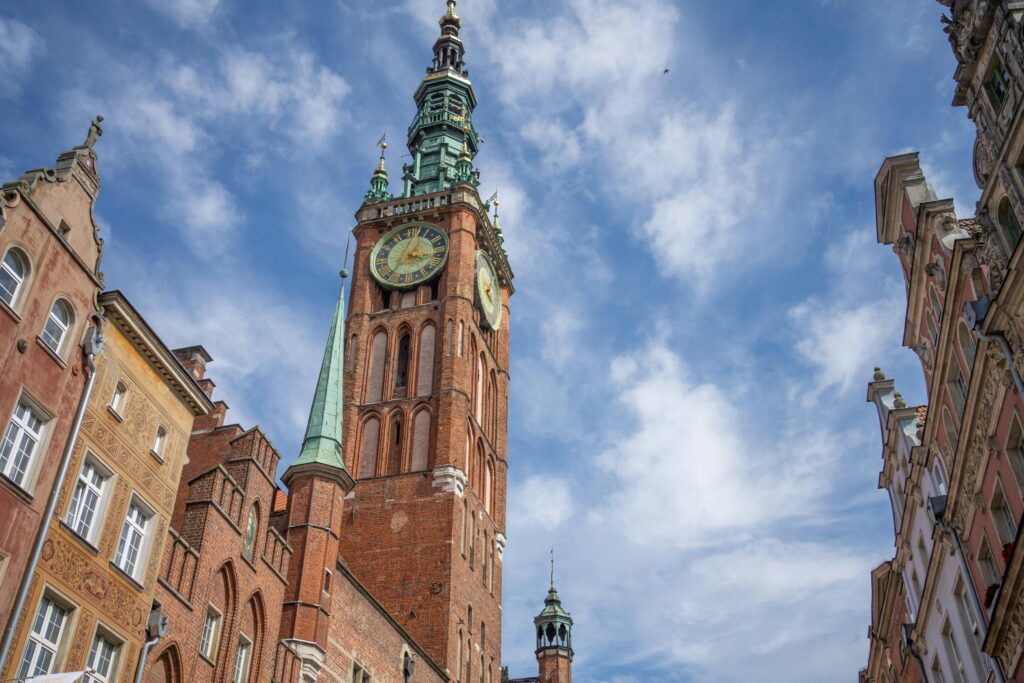
Deciding on the best time to visit Gdansk depends on what you want from the trip: warm sunny days on the Motlawa riverfront, lively festivals, or quieter streets for museum visits. The city’s character changes with the seasons, so planning around weather and crowds helps you get the most from this Baltic gem.
Below you’ll find a practical guide to Gdansk weather, tourist seasons, travel costs, and smart timing for activities, along with packing tips and budget guidance to help you choose the ideal month to travel.
When to visit: seasons at a glance
Gdansk experiences four distinct seasons. Summers (June–August) bring the warmest temperatures and the longest daylight, which is ideal for walking the Old Town and nearby beaches. Spring (April–May) and autumn (September–October) offer milder weather, fewer tourists, and lower prices. Winters (November–March) are cold, with the lowest daylight hours, but they provide a peaceful atmosphere, Christmas markets, and the chance to see the city wrapped in frost.
If you want to combine pleasant Gdansk weather with lively events, late May through early September is the most popular window. For fewer crowds and better hotel rates, consider shoulder months in April–May or September–October.
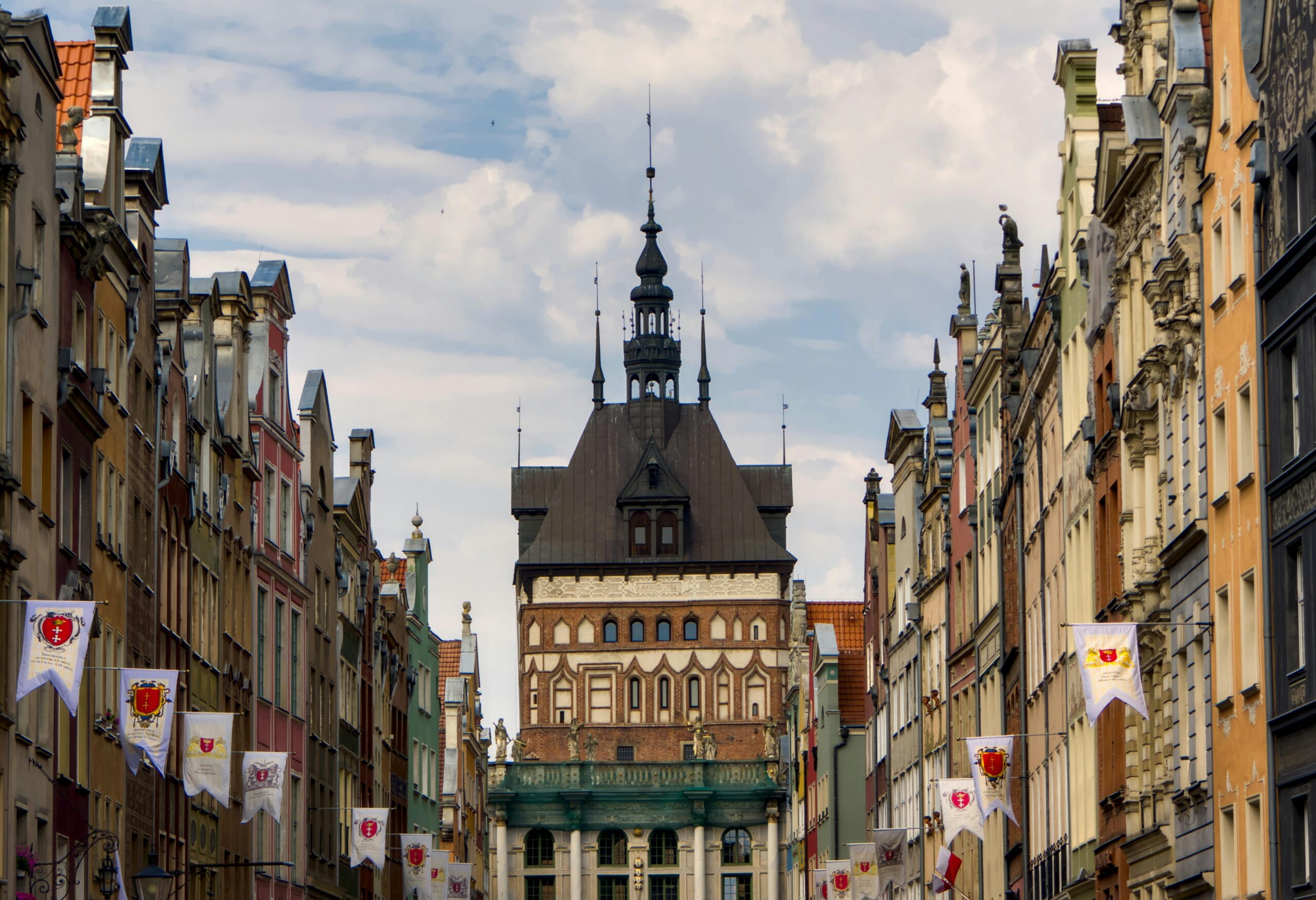
Month-by-month guide to choosing the best time to visit Gdansk
Knowing what each month typically offers can help you match the city’s rhythm to your travel goals.
- January–February: Off-season cold. Expect temperatures often below freezing, short days, and quiet tourist sites. Good for a low-cost, contemplative visit and winter photography.
- March–April: Early spring brings unpredictable weather — some mild, some rainy — but you’ll find fewer crowds and better deals on accommodations.
- May: Spring is in full swing with blooming parks and warming temperatures. Festivals begin to appear and outdoor dining returns; many find May an ideal compromise between weather and crowd levels.
- June–August: Peak season: warmest weather, long daylight, and a lively cultural calendar, including concerts and waterfront events. Beaches nearby can be busy on hot days.
- September: Shoulder season with comfortable temperatures and thinning crowds. It’s a favorite month for visitors who want a relaxed experience without sacrificing good weather.
- October: Autumn colors and cooler air make this a good month for museum visits and walking tours. Expect shorter days and the beginning of the off-season price drop.
- November–December: Cooler, often wet weather; December brings Christmas markets and festive lighting that make the Old Town especially atmospheric.
Gdansk weather: what to expect and how to dress
Gdansk weather is maritime-influenced: temperatures moderate compared with inland Poland, but wind and rain can be factors year-round. Summer highs average 20–25°C (68–77°F), while winter lows hover around −1 to −5°C (30–24°F). Rain is spread through the year, with spring and autumn often offering the most changeable days.
Pack layered clothing to adapt to quick shifts in temperature. In summer, include a light jacket for evenings; in shoulder months, bring a waterproof layer and comfortable walking shoes for cobbled streets; in winter, a warm coat, hat, and gloves are essential.
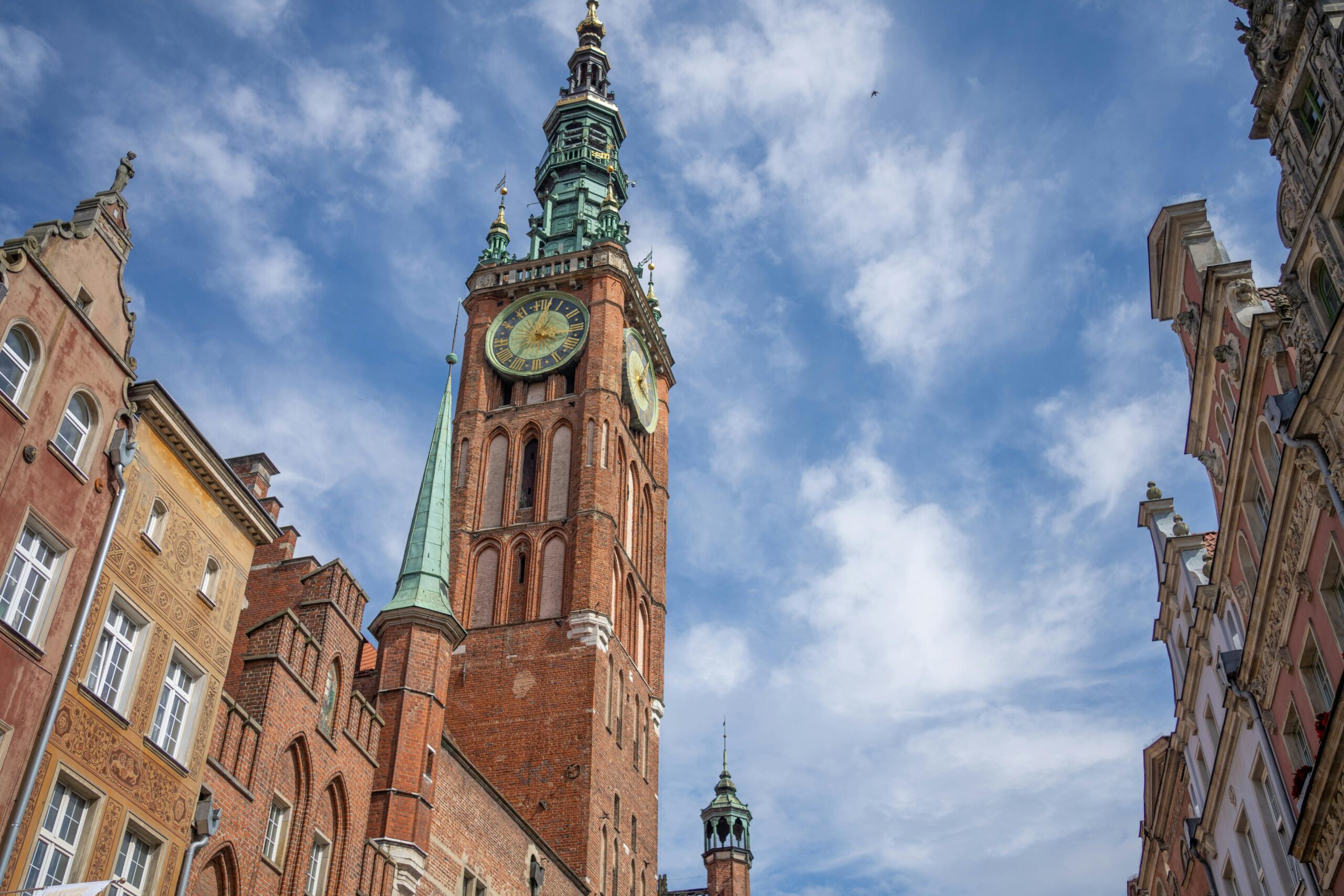
Gdansk tourist season and crowd management
The Gdansk tourist season peaks in summer, particularly July and August, when international visitors and Polish holidaymakers fill the Old Town, the waterfront, and seaside resorts like Sopot. If you prefer quieter streets, visit in late spring (May) or early autumn (September), when cultural venues remain open but crowds thin.
To avoid the busiest times while still enjoying good weather, consider mid-week stays outside bank holiday weekends. Advance booking for popular museums, guided tours, and any Baltic Sea excursions will save time during peak season.
Gdansk travel cost: budgeting for your trip
Gdansk travel cost varies by season. Peak months generally mean higher accommodation prices and full restaurants, while shoulder and off-season months tend to offer better value. Meals, public transport, and attractions in Gdansk are broadly affordable compared with many Western European cities, but costs can rise quickly if you choose upscale dining or private tours.
For up-to-date accommodation options and price comparisons, check hotel listings and apartment choices on reliable booking sites to secure the best deals. Many travelers use the main hotel directory for the city to compare properties, reviews, and flexible cancellation options before committing.
- Average daily budget (economy): modest guesthouse, public transport, inexpensive meals — plan for a lower daily spend outside peak summer.
- Average daily budget (mid-range): comfortable hotel, some dining out and a few paid tours — expect higher prices in July–August.
- Tips to reduce costs: travel in shoulder months, use public transit, reserve museums online, and look for city passes or discount cards for attractions.
Getting around, day trips and what to pack
Gdansk is compact and walkable, with an efficient tram and bus network for longer trips. Bike rental is popular in warm months, and taxis or ride-hailing apps provide easy access to early/late services. For seaside excursions, Sopot and Gdynia are a short train ride away and make excellent day trips.
Put practical items in your suitcase: a reusable water bottle, comfortable walking shoes, a rain jacket, and a power adapter for European sockets. If you travel in summer, add sun protection and a lightweight layer for evening breezes. For winter visits, prioritize insulated outerwear and waterproof boots for walking on slushy streets.
For accommodation search and to compare family-friendly or central options, consult the city hotel listings to find deals that match your travel style and budget.
Activities by season: what to prioritize when you visit
Summer activities: stroll the historic Long Market, take river cruises, enjoy open-air concerts, and head to the Baltic beaches for sun and sea. This is festival season, with cultural and music events adding to the atmosphere.
Spring and autumn activities: enjoy museums and galleries with shorter queues, explore architecture and WWII history tours, and take food-focused walking tours where restaurants are less crowded. These months are ideal for photography and leisurely exploration.
Winter activities: experience atmospheric Christmas markets, sample hearty Polish cuisine in cozy restaurants, and take advantage of lower accommodation rates. Museum visits, the European Solidarity Centre, and amber shopping remain appealing in colder months.
FAQs
What is the best month to visit Gdansk for good weather?
Late June through August offers the warmest and sunniest weather, but for pleasant temperatures with fewer crowds, May and September are often the best choices.
How expensive is Gdansk compared to other European cities?
Gdansk is generally more affordable than many Western European capitals. Daily travel costs depend on season and travel style, with peak summer prices for hotels and attractions being the main cost driver.
When is the Gdansk tourist season at its highest?
The peak tourist season runs through June, July, and August, when both international visitors and domestic travelers are most active in the city and on nearby beaches.
Is Gdansk worth visiting in winter?
Yes—winter brings fewer tourists, lower prices, and cozy seasonal events like Christmas markets, though you should be prepared for cold temperatures and shorter daylight hours.
Where can I find reliable accommodation options for Gdansk?
Major hotel and apartment listings on well-known reservation platforms provide comprehensive options and reviews; consult a reputable booking directory to compare locations, facilities, and cancellation policies before you book.
Conclusion
Choosing the best time to visit Gdansk depends on whether you prioritize warm weather and festivals or quieter streets and lower prices. For sun and activity, plan June to August; for good weather with fewer crowds, May and September are excellent; for the lowest costs and a peaceful experience, consider November through March. Think about the activities you want — beaches, museums, events — and match them to the season to get the most from this historic Baltic city.