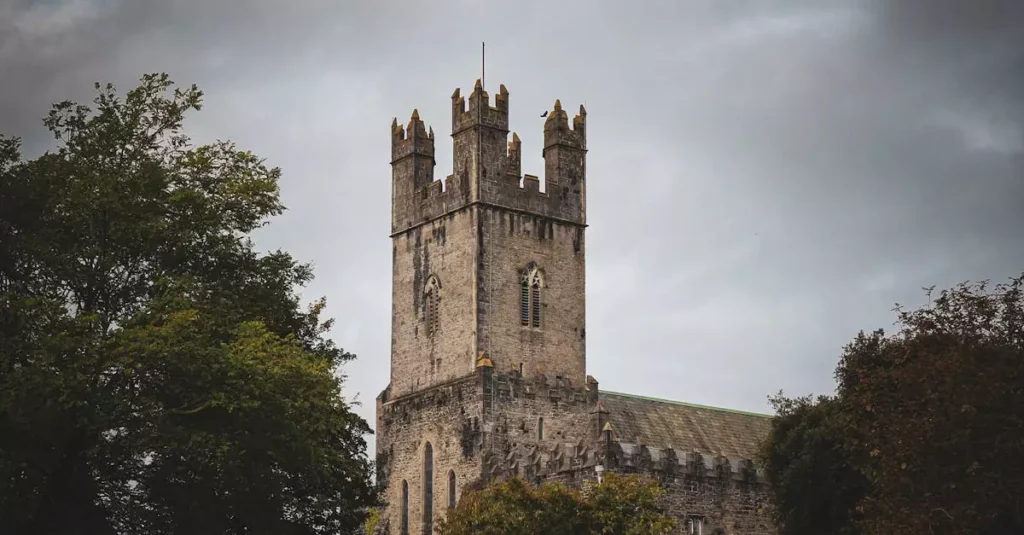
Embarking on one of the best Ireland road trips offers an unparalleled opportunity to discover the Emerald Isle’s breathtaking landscapes and rich cultural heritage at your own pace. From the dramatic cliffs of the Wild Atlantic Way to the historic charm of the Ancient East, this island nation is a road-tripper’s dream. This guide will help you plan your perfect adventure, highlighting five unforgettable routes. You’ll learn about unique attractions on each journey, essential tips for navigating Irish roads, the best times to visit, and how to make the most of your exploration, from ancient castles to vibrant city streets. Get ready to experience the magic of Ireland from behind the wheel.
Why Embark on an Ireland Road Trip?

An Ireland road trip provides the freedom to discover dramatic coastlines, rolling green hills, and charming villages at your own pace. Unlike guided tours, a self-drive adventure allows you to linger at breathtaking viewpoints, seek out hidden pubs, and connect with local culture in ways that are simply not possible otherwise. The variety of landscapes, from the rugged west coast to the historic east, ensures that every mile brings a new discovery.
Experiencing Ireland’s Wild Atlantic Way
The Wild Atlantic Way is Ireland’s most famous scenic drive, stretching over 1,500 miles along the western seaboard. This route is essential for anyone seeking dramatic ocean vistas, towering sea cliffs, and a true sense of the Emerald Isle’s raw beauty. Key highlights include the Cliffs of Moher in County Clare, the stunning beaches of County Kerry, and the unique lunar landscape of the Burren.
Driving the Wild Atlantic Way requires ample time to appreciate its scale. A minimum of seven to ten days is recommended for a comprehensive experience, though many travelers extend this to two weeks or more. Be prepared for narrow, winding roads, especially in more remote areas. While the main N-roads are well-maintained, smaller R-roads can be challenging.
Discovering the Charm of the Causeway Coastal Route
For a journey filled with iconic landmarks and picturesque fishing villages, the Causeway Coastal Route in Northern Ireland is an exceptional choice. This 120-mile stretch runs from Belfast to Derry/Londonderry and is home to the world-renowned Giant’s Causeway, a UNESCO World Heritage site featuring hexagonal basalt columns.
Beyond the geological marvel, the route boasts other significant attractions such as the Carrick-a-Rede Rope Bridge, Dunluce Castle perched dramatically on a clifftop, and the historic city of Derry/Londonderry with its intact city walls. This route is more manageable than the Wild Atlantic Way, often completed in two to three days, making it a popular option for those with less time or seeking a more concentrated experience.
Exploring the Ancient East via Scenic Drives
Ireland’s Ancient East is a region steeped in history, offering a different yet equally compelling road trip experience. This area, covering much of the eastern and southeastern part of the island, is home to thousands of years of history, from prehistoric tombs and medieval castles to monastic sites and grand estates.
Driving through counties like Kilkenny, Wexford, Waterford, and Wicklow allows for easy access to numerous heritage sites. The scenic drive through the Wicklow Mountains National Park, often called the “Garden of Ireland,” provides stunning glacial valleys and serene lakes, with Glendalough monastic settlement being a standout attraction. This region is highly accessible from Dublin, making it a convenient option for shorter trips or as an add-on to a city break.
Uncovering the Hidden Gems of Ireland’s Midlands
While the coasts and the east often steal the spotlight, Ireland’s Midlands offer a quieter, more authentic road trip experience, showcasing tranquil waterways, historic towns, and a slower pace of life. This region is characterized by its vast lakelands, including Lough Ree and Lough Derg, part of the River Shannon system, the longest river in Ireland.
A road trip through the Midlands allows for activities like boating, fishing, and visiting charming towns such as Athlone, the Clonmacnoise monastic site, and Birr, home to the magnificent Birr Castle and its historic telescope. This area is less crowded than popular coastal routes, providing a more intimate encounter with Irish rural life and history. It’s an excellent choice for travelers seeking peace and a deeper dive into the island’s less-trodden paths.
Planning Your Ultimate Ireland Road Trip Itinerary
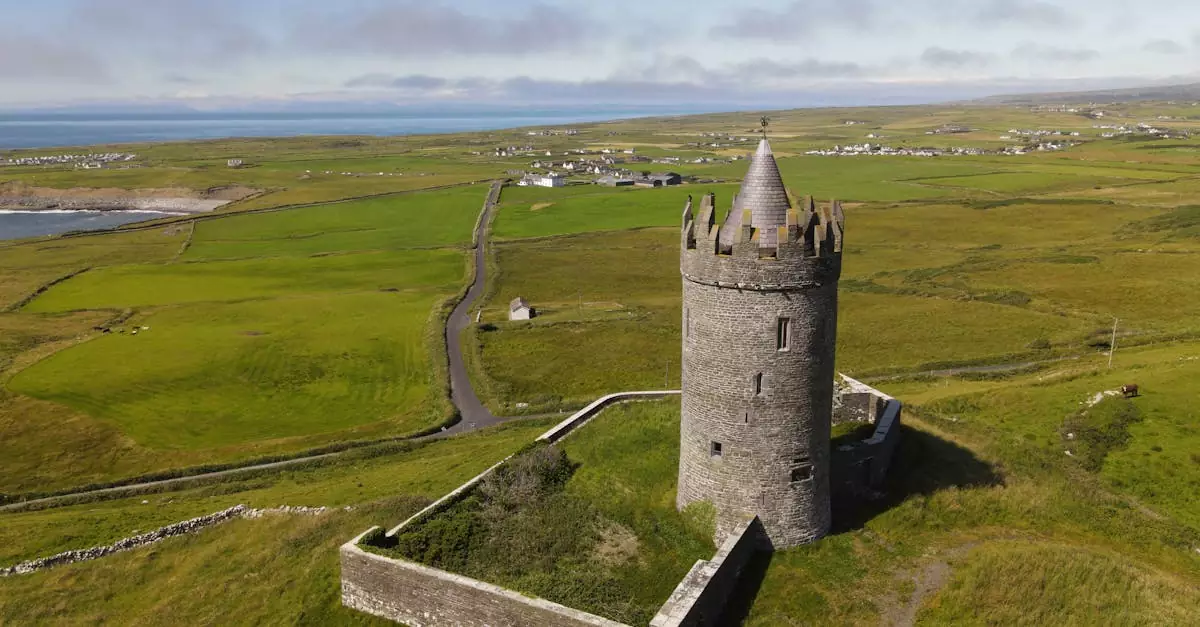
Embarking on one of the best Ireland road trips requires thoughtful planning to maximize your experience. From understanding regional differences to practical logistics, a little preparation goes a long way in ensuring a smooth and memorable journey across the Emerald Isle. This section provides key insights to help you craft your perfect driving adventure.
Choosing the Right Route: North vs. South vs. West
Ireland’s diverse landscapes and cultural offerings mean your road trip route can significantly shape your experience. Each region boasts unique attractions and driving conditions.
The West Coast is perhaps the most iconic for scenic drives, famous for the Wild Atlantic Way. This route features dramatic cliffs, rugged coastlines, and traditional music pubs, ideal for those seeking breathtaking natural beauty and a more remote feel. However, roads can be narrow and winding, requiring confident driving.
The South presents a gentler landscape with rolling hills, historic towns, and the famous Ring of Kerry. It’s generally easier to navigate with well-maintained roads and a wider range of accommodations. This region offers a blend of history, charming villages, and coastal views.
The North includes the Causeway Coastal Route, known for the Giant’s Causeway and Carrick-a-Rede Rope Bridge. It offers a mix of stunning geology, historical sites like Derry/Londonderry, and a distinct cultural heritage. Driving here can be a mix of coastal highways and country lanes.
| Region | Key Attractions | Road Conditions | Traveler Type |
|---|---|---|---|
| West Coast | Cliffs of Moher, Wild Atlantic Way, Connemara | Narrow, winding, coastal roads | Nature lovers, photographers |
| South | Ring of Kerry, Kinsale, Blarney Stone | Generally good, wider roads, some scenic routes | Families, history buffs |
| North | Giant’s Causeway, Belfast, Derry/Londonderry | Mix of coastal highways and country lanes | Culture seekers, geologists |
How Long Should Your Ireland Road Trip Be?
The duration of your trip will depend on how much you want to see and your pace. A common mistake is trying to cram too much into a short period, leading to a rushed experience.
For a good overview of one region, such as the West Coast or the South, 7 to 10 days is often recommended. This timeframe allows for driving between key points, exploring towns, and enjoying spontaneous stops without feeling constantly on the move.
If you aim to cover more ground, perhaps a loop that includes parts of the West and South, or a journey from Dublin to the West and back, 10 to 14 days provides a more comfortable pace. This allows for longer stays in a few locations and more in-depth exploration.
A comprehensive tour of the entire island, touching on major highlights across all regions, typically requires at least 3 weeks. This duration allows for flexibility, relaxation, and the opportunity to venture off the beaten path.
Best Time of Year for Ireland’s Scenic Drives
Ireland’s weather is famously changeable, but certain times of year offer distinct advantages for road trips.
Spring (April to May) is a beautiful time to visit. The landscape bursts into bloom, and crowds are generally smaller than in peak summer. Daylight hours are increasing, offering more time for driving and sightseeing. However, some tourist attractions may have limited opening hours early in the season, and the weather can still be unpredictable with a higher chance of rain.
Summer (June to August) provides the warmest weather and longest daylight hours, ideal for maximizing your time on the road. All attractions will be open, and the atmosphere in towns and villages is lively. This is also the busiest and most expensive time to travel, so booking accommodations and car rentals well in advance is crucial. Expect more traffic on popular routes.
Autumn (September to October) offers a fantastic alternative. The summer crowds dissipate, prices may decrease, and the autumn foliage adds a stunning palette to the scenery. The weather can still be pleasant, though increasingly cooler and wetter as the season progresses. This is often considered a sweet spot for a balanced Ireland road trip.
Winter (November to March) is the quietest and cheapest time to travel. You’ll experience dramatic, moody landscapes and fewer tourists. However, daylight hours are very short, and many attractions, smaller hotels, and restaurants may be closed, especially in rural areas. Driving can also be challenging with potential storms and icy conditions.
Essential Vehicle Rental Tips for Irish Roads
Renting a car is key to unlocking the freedom of an Ireland road trip. Here are some practical tips to consider:
- Automatic vs. Manual: Most rental cars in Ireland are manual transmission. If you are not comfortable driving stick shift, be sure to book an automatic well in advance, as they are less common and more expensive.
- Insurance: Understand the insurance options thoroughly. Many credit cards offer collision damage waiver (CDW) coverage, but rental companies often push their own policies. Check the terms and conditions carefully.
- Navigation: While GPS is available, consider downloading offline maps for areas with spotty mobile service. A good old-fashioned paper map can also be a lifesaver.
- Driving Side: Remember that driving is on the left in Ireland. If you’re accustomed to driving on the right, this will require adjustment, especially on narrow country roads.
- Road Types: Be prepared for a variety of road surfaces. National roads (N-roads) are generally good, but regional (R-roads) and local roads can be very narrow, winding, and sometimes unpaved. Take your time and be courteous to local drivers.
- Fuel: Petrol stations can be sparse in remote areas, so keep an eye on your fuel gauge, especially when driving along the Wild Atlantic Way. Many rural stations are self-service and require payment at the pump.
The Wild Atlantic Way: Cliffs, Castles, and Coastal Towns
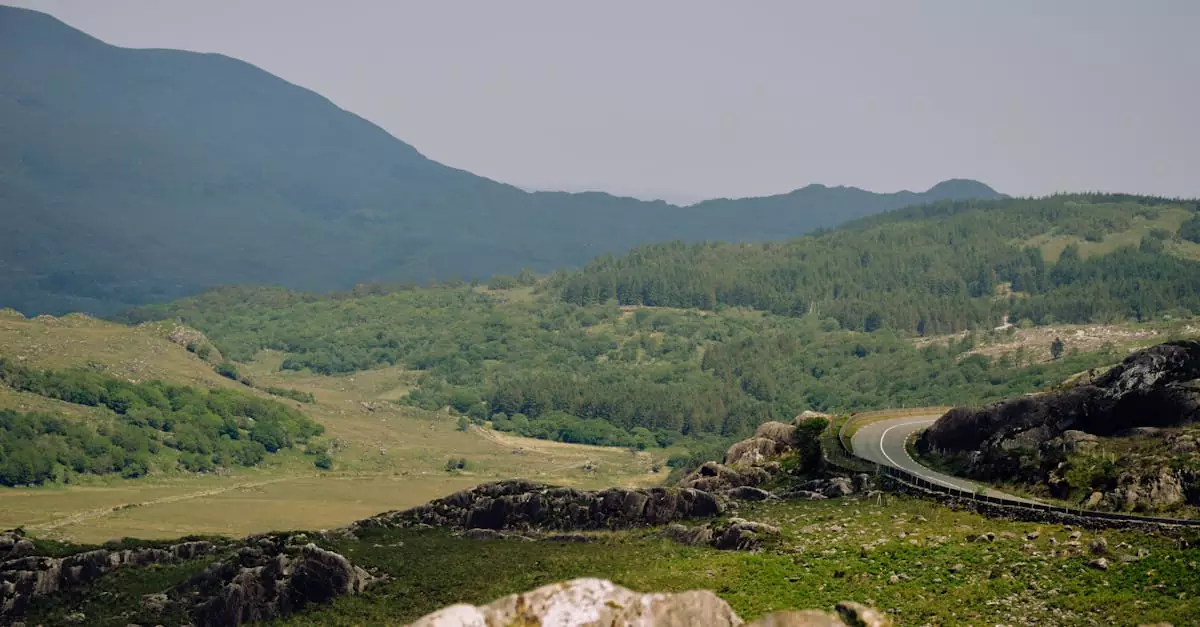
The Wild Atlantic Way is Ireland’s most iconic scenic drive, stretching over 1,500 miles along the western coastline. This is an essential route for anyone seeking the best Ireland road trips, offering dramatic landscapes, rich history, and charming villages. Planning this journey requires an understanding of its vastness; it’s not a route to be rushed. Allow at least five to seven days to truly appreciate its highlights, though longer is always better. Driving conditions can vary, with narrow, winding roads common, so a smaller vehicle is often preferable.
Must-See Stops: Cliffs of Moher and the Burren
No trip along the Wild Atlantic Way is complete without witnessing the awe-inspiring Cliffs of Moher. These sheer cliffs rise dramatically from the Atlantic Ocean, offering breathtaking views and a sense of raw natural power. Arrive early in the morning or later in the afternoon to avoid the largest crowds and experience the cliffs in softer light. Adjacent to the cliffs lies the Burren, a unique karst landscape of limestone pavements, rare flora, and ancient megalithic tombs. Walking through the Burren feels otherworldly, a stark contrast to Ireland’s usual verdant scenery. Wear sturdy footwear suitable for uneven terrain.
Exploring Galway City’s Vibrant Latin Quarter
Galway City serves as a lively gateway to the Wild Atlantic Way. Its Latin Quarter buzzes with energy, a maze of narrow streets filled with traditional pubs, street performers, and colorful shops. This is the perfect place to immerse yourself in Irish culture, enjoy live traditional music sessions, and sample fresh seafood. The city is highly walkable, making it easy to stumble upon hidden gems. Consider visiting during the Galway International Arts Festival in July for an even more vibrant atmosphere.
The Rugged Beauty of Connemara National Park
Connemara National Park showcases a wilder, more remote side of Ireland. Expect sweeping vistas of mountains, bogs, heathlands, and coastlines. Diamond Hill offers a rewarding hike with panoramic views of the Twelve Bens mountain range and the surrounding landscape. The park is accessible year-round, but summer (June to August) provides the most stable weather for outdoor activities. Pack layers, as the weather can change rapidly. For those interested in photography, the changing light across the rugged terrain is a constant delight.
Island Escapes: Aran Islands Day Trip Options
A day trip to the Aran Islands offers a glimpse into a more traditional Irish way of life. Inis Mor, the largest island, is accessible by ferry from Rossaveal or Doolin. Renting a bicycle is the best way to get around and discover ancient forts like Dún Aonghasa, perched dramatically on cliff edges. The islands are known for their distinct Gaelic culture and stunning, windswept landscapes. Be sure to check ferry schedules in advance, as they are weather-dependent. This excursion provides a unique cultural and natural experience distinct from the mainland coastal drive.
Causeway Coastal Route: Northern Ireland’s Iconic Scenery
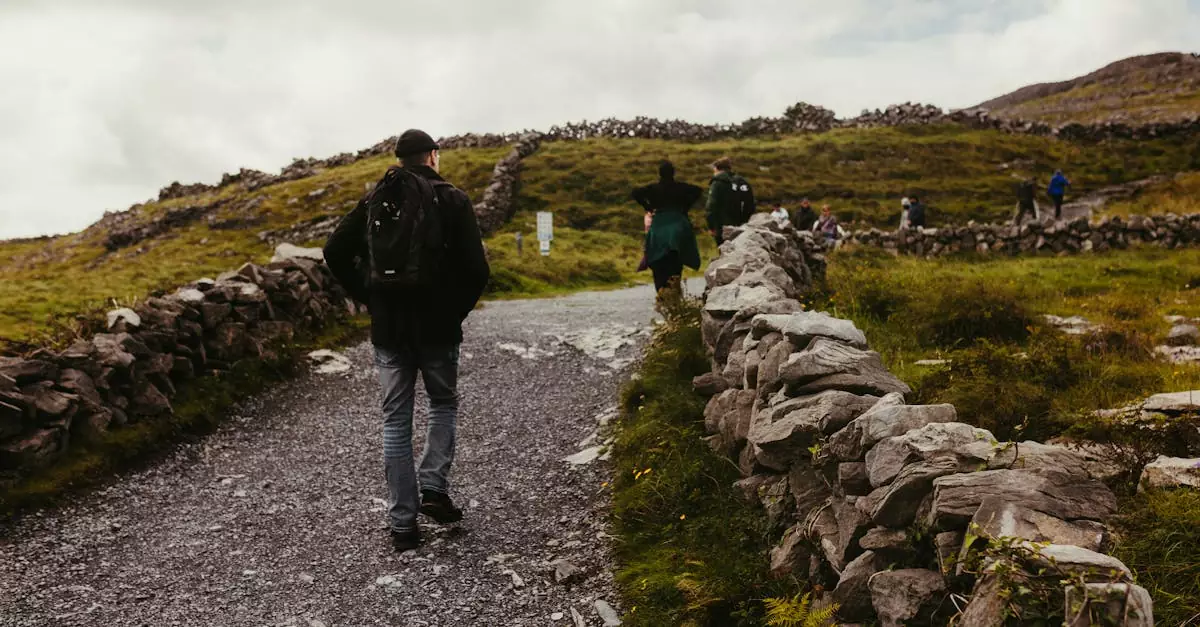
The Causeway Coastal Route in Northern Ireland offers a dramatic and unforgettable journey, winding through some of the most breathtaking landscapes in Europe. This 120-mile stretch is renowned for its rugged cliffs, ancient sites, and charming villages, making it one of the best Ireland road trips for those seeking natural beauty and a touch of history. Driving this route allows for spontaneous stops at viewpoints and attractions that might otherwise be missed.
Giant’s Causeway: A Natural Wonder
No visit to the Causeway Coast is complete without witnessing the geological marvel of the Giant’s Causeway. This UNESCO World Heritage site features approximately 40,000 interlocking basalt columns, the result of ancient volcanic activity. Legend has it that the giant Finn McCool built the causeway to cross to Scotland. Walking among these hexagonal stones, feeling their texture, and hearing the waves crash against them is an essential experience. Allow at least two hours to fully appreciate the site and its visitor center, which provides excellent context on the geology and folklore.
Carrick-a-Rede Rope Bridge Adventure
For a dose of adrenaline and spectacular views, the Carrick-a-Rede Rope Bridge is a must-visit. This famous rope bridge connects the mainland to the small Carrick Island, offering a thrilling 66-foot walk suspended 100 feet above the sea. The crossing provides panoramic vistas of the Antrim coastline, Rathlin Island, and even Scotland on a clear day. While the walk itself is short, the queues can be long, especially during peak season. It’s advisable to book tickets online in advance to secure your spot. The surrounding area also offers lovely coastal walks with stunning cliffside scenery.
Exploring the Glens of Antrim’s Hidden Valleys
Beyond the dramatic coastline, the Glens of Antrim invite exploration into a more tranquil, verdant landscape. This region consists of nine glens, each with its unique character and charm. Driving inland from the coast reveals rolling hills, cascading waterfalls, and traditional villages like Cushendall and Carnlough. Hiking trails abound, offering opportunities to immerse yourself in the natural beauty. The Glens provide a beautiful contrast to the rugged coast, showcasing the diverse scenery of Northern Ireland. Consider stopping at Glenariff Forest Park for well-maintained walking paths and impressive waterfalls.
The Historic Walls of Derry/Londonderry
Concluding or beginning your journey on the Causeway Coast, the historic city of Derry/Londonderry offers a rich cultural and historical dimension. This is one of the few remaining completely intact walled cities in Europe. Walking the 17th-century city walls provides a unique perspective on the city’s past, with interpretive panels detailing its complex history, including its role in the Troubles. The walls offer excellent viewpoints over the River Foyle and the city’s diverse architecture. Exploring the Bogside murals and the Museum of Free Derry offers deeper insights into the city’s more recent, impactful history. The city is easily walkable, with most key historical sites located within or adjacent to the walls.
Beyond the Coast: Inland Ireland Road Trip Adventures
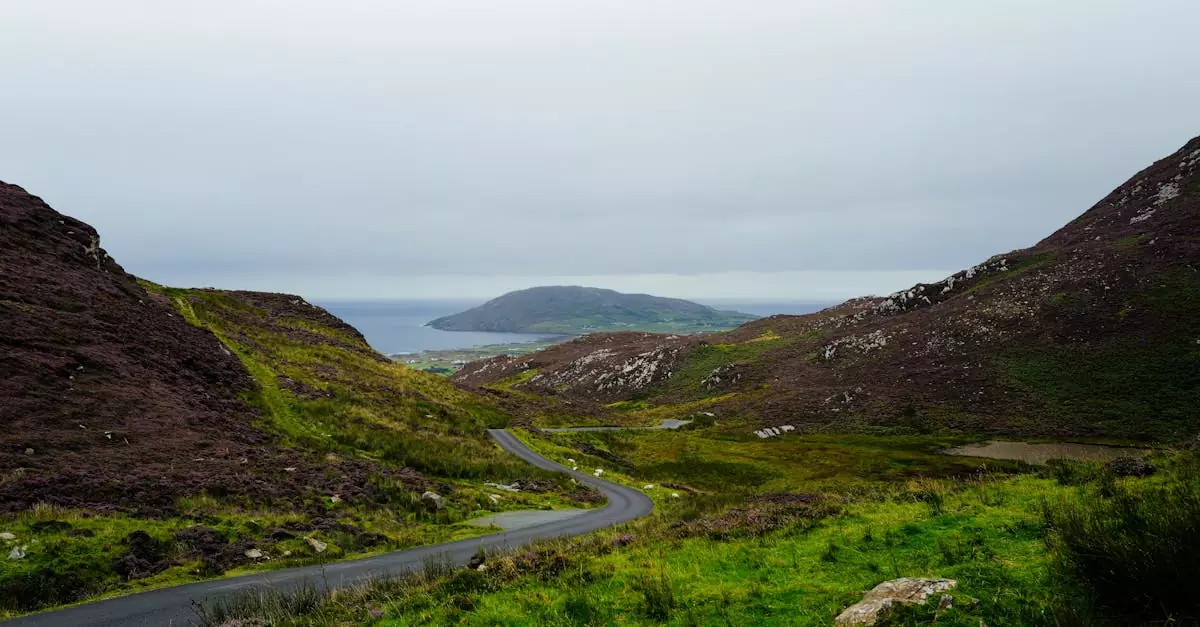
While the Wild Atlantic Way often steals the spotlight, Ireland’s interior offers a rich tapestry of history, landscapes, and local culture for an equally rewarding road trip. These inland routes provide a deeper dive into the island’s ancient past and vibrant present, often with fewer crowds.
The Ancient East: Kilkenny and the Rock of Cashel
Embarking on a road trip through Ireland’s Ancient East allows you to step back centuries. The route from Kilkenny to the Rock of Cashel is a prime example, showcasing medieval grandeur and significant historical sites. Kilkenny itself, a charming medieval city, boasts a magnificent castle and a well-preserved medieval mile. From there, a scenic drive of about 45 minutes brings you to the iconic Rock of Cashel. This dramatic cluster of medieval buildings perched on a limestone outcrop is a breathtaking sight and a vital piece of Irish heritage.
Allow at least two days to fully appreciate this segment. Consider visiting during the shoulder seasons of spring or autumn to avoid peak summer visitor numbers. Driving is straightforward, with well-maintained roads connecting these key attractions.
Driving Through Ireland’s Lake Districts: Lough Erne
For those who appreciate serene waterways and lush landscapes, a road trip around Lough Erne in County Fermanagh offers a tranquil escape. This vast lake system is dotted with islands, many of which hold ancient monastic ruins and historical significance. Enniskillen, a picturesque town situated on an island within the lough, serves as an excellent base for exploration. From here, you can take boat trips to islands like Devenish Island, home to a remarkably preserved 12th-century round tower.
This region is particularly appealing for its natural beauty and opportunities for outdoor activities such as kayaking and fishing. The driving here is relaxed, with winding roads offering glimpses of the water and surrounding countryside. A visit in late spring or early summer provides the best chance for pleasant weather and blooming flora.
Discovering Medieval Monasteries and Historic Sites
Ireland’s inland regions are peppered with the remnants of its monastic past, offering fascinating glimpses into early Christian life. Beyond the Rock of Cashel, sites like Clonmacnoise in County Offaly are essential stops for any history enthusiast. Clonmacnoise, situated on the River Shannon, was a major ecclesiastical center and burial ground for the kings of Connacht. Its ruins include a cathedral, several churches, round towers, and high crosses.
These sites are generally accessible by car, with visitor centers providing context and historical information. Planning your visits to these locations can easily form the backbone of a multi-day road trip, connecting them with other inland towns and natural attractions. For a comprehensive understanding of Ireland’s early history, consider dedicating at least three to four days to a route focused on these monastic settlements.
Local Flavors: Pub Food and Traditional Irish Cuisine
No road trip through Ireland is complete without indulging in its culinary offerings, and the inland regions provide ample opportunities to savor authentic flavors. Pubs remain the heart of social life and dining, serving hearty, traditional fare. Expect dishes like Irish stew, shepherd’s pie, and freshly caught fish. Many pubs also offer a wide selection of local craft beers and, of course, the ubiquitous Guinness.
When driving through areas like County Kilkenny or County Clare, seek out local recommendations for the best traditional pubs. These establishments offer not only delicious food but also a chance to experience live traditional Irish music sessions, adding a vibrant cultural dimension to your journey. Sampling local cheeses and artisan products from farmers’ markets can also enrich your culinary experience.
Frequently Asked Questions About Ireland Road Trips
What is the best time to visit Ireland for a road trip?
The shoulder seasons, April to May and September to October, offer a sweet spot for Ireland road trips. You’ll find milder weather, fewer crowds than the peak summer months, and often more affordable accommodation. Spring brings blooming landscapes, while autumn provides vibrant foliage.
Summer (June to August) offers the warmest weather and longest daylight hours, ideal for maximizing your sightseeing. However, this is also the busiest and most expensive time. Winter (November to March) is the quietest and cheapest, but daylight is limited, and weather can be unpredictable with rain and wind, though snow is rare outside of higher elevations.
| Season | Pros | Cons |
|---|---|---|
| Spring | Wildflowers, fewer crowds, moderate temps | Unpredictable weather, some attractions closed |
| Summer | Warmest weather, long daylight, lively atmosphere | Peak crowds, highest prices |
| Autumn | Fall colors, fewer crowds, harvest festivals | Shorter days, cooler weather, rain possible |
| Winter | Least crowded, lowest prices, cozy pubs | Short days, potential for storms, some closures |
Is driving in Ireland difficult for tourists?
Driving in Ireland presents a few unique challenges for visitors, primarily the adherence to driving on the left side of the road. Many rural roads are narrow and winding, often with high hedgerows that can obscure visibility. It requires concentration, especially if you’re accustomed to driving on the right.
Navigating smaller villages and towns can also be tricky due to tight streets and limited parking. Familiarize yourself with Irish road signage and be prepared for sheep or livestock on country lanes. Renting a car with automatic transmission can ease the transition.
What are the essential packing items for an Irish road trip?
Packing for an Irish road trip requires preparation for variable weather. Layers are key. Bring waterproof and windproof outer layers, even in summer, as conditions can change rapidly. Comfortable, waterproof walking shoes are essential for exploring towns and the countryside.
Don’t forget a good quality umbrella, a portable phone charger, and a travel adapter if needed. A physical map can be a lifesaver in areas with spotty GPS reception. Pack insect repellent for midges, especially in damper coastal areas during warmer months.
What are some common tourist mistakes to avoid on an Ireland road trip?
A common pitfall is trying to cram too much into a short itinerary. Ireland’s beauty is best savored, not rushed. Allow ample time for spontaneous stops and to simply soak in the atmosphere. Attempting to drive too many miles per day will lead to fatigue and less enjoyment.
Another mistake is underestimating the weather’s unpredictability. Always be prepared for rain and cooler temperatures, regardless of the season. Finally, many visitors overlook the charm of smaller towns and villages in favor of major tourist hubs. Venturing off the beaten path often reveals the most authentic experiences and stunning landscapes.