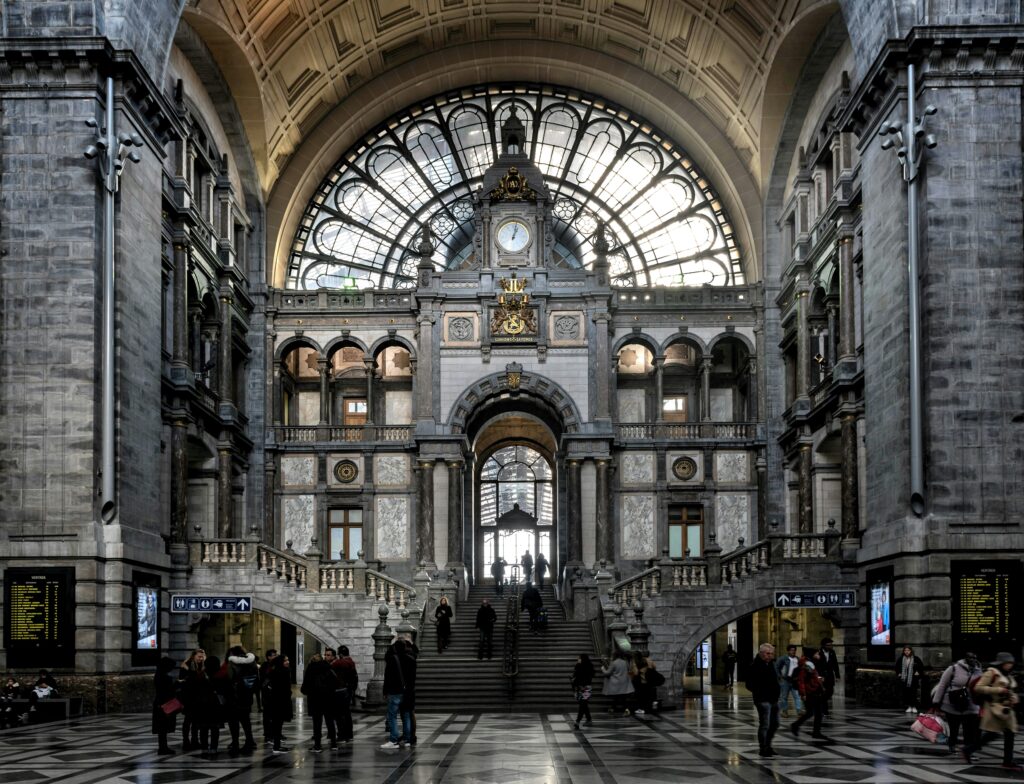
Deciding the best time to visit Antwerp depends on what you want from the city: sunny terrace cafés and outdoor markets, quieter museum visits, or festive holiday lights. Antwerp’s compact center, excellent museums and lively dining scene make it a year-round destination, but timing your trip can make a big difference to weather, crowds and cost.
This guide breaks down Antwerp weather across seasons and months, explains the city’s tourist seasons, outlines travel costs, and gives practical tips so you can choose the perfect time for your visit. Use the suggestions below to match Antwerp’s rhythms with your travel priorities.
When is the best time to visit Antwerp?
The best time to visit Antwerp is late spring (May–June) and early autumn (September–October). During these shoulder months you’ll usually find mild temperatures, fewer crowds than in peak summer, and lively local life as outdoor cafés and markets operate in comfortable conditions. Daylight hours are generous, and many attractions run full schedules without the long lines typical of July and August.
If your priority is warm weather for canal-side strolls and outdoor dining, July and August are the warmest months, but expect higher prices and more tourists. Conversely, if you prefer lower travel costs and museum time without crowds, visiting in November through March gives good value, though you should prepare for shorter days and chillier, wetter conditions.
Seasonal breakdown: what each season feels like
Spring (March–May) — Spring arrives gradually in Antwerp. March can still be cool and breezy, but by April and May the city blooms: parks and riverbanks show green, outdoor terraces reopen, and cultural calendars pick up. This is a great time for photography, walking tours and sampling new-season menus.
Summer (June–August) — Summer brings the warmest temperatures, with July and August seeing the most visitors. The city hums with festivals, extended museum hours, and alfresco dining. Expect crowds around major sights like the Cathedral of Our Lady and the Grote Markt, and book popular restaurants and accommodations in advance.
Autumn (September–November) — Early autumn offers crisp, clear days and attractive fall colors in parks. September is often pleasantly warm, while October and November cool down with an increase in rainy days. Cultural institutions resume their full-season programming, making it a good time for concerts, exhibitions and fewer queues.
Winter (December–February) — Winters are cool and damp rather than severely cold. December is festive, with Christmas markets and a cozy atmosphere, but January and February are quieter. If you enjoy museums, chocolatiers and lower travel prices, winter can be an appealing, off-peak choice.
Antwerp weather by month: what to expect
January–February: Expect average highs around 4–7°C (39–45°F). Days are short and often cloudy, with occasional freezing nights. Rain or sleet is possible, so pack layers and a waterproof jacket.
March–April: Transition months with warming temperatures. March can still feel raw, but April brings longer days and blossom. Temperatures move from 7–12°C (45–54°F), and spring showers are common.
May–June: One of the most pleasant stretches for visiting. Temperatures typically range from 13–21°C (55–70°F), with plenty of sunny or mildly warm days—ideal for exploring neighborhoods such as Zurenborg and Het Eilandje.
July–August: Warmest period, averages 18–23°C (64–73°F). Humidity and occasional heat spikes occur, and summer storms can appear suddenly. Expect busy streets and lively outdoor events.
September–October: Early autumn remains comfortable, with temperatures falling from 20°C (68°F) in September to roughly 10–15°C (50–59°F) in October. Rain increases but so do clear, crisp days—perfect for cultural outings.
November–December: Cooler and wetter, with highs often between 6–10°C (43–50°F). December’s festive lights and markets lift the mood despite foggy, misty mornings.
Antwerp tourist season and crowd patterns
High season: June–August. This is when Antwerp is busiest, especially during sunny weekends and school holidays. Popular tourist sites, river cruises and guided tours often sell out or run at capacity. If you visit in high season, book attractions, restaurants and accommodations early to avoid disappointment.
Shoulder seasons: April–May and September–October. These months balance pleasant weather with fewer crowds. If you want to attend festivals without peak-season congestion or find better accommodation rates while still enjoying outdoor life, choose a shoulder-month visit.
Low season: November–March (excluding the Christmas period). During these months, the city is quieter and many travelers come for bargains or indoor cultural experiences. Museums and galleries are less crowded, and service staff at hotels and restaurants often have more time to offer personalized recommendations.
Budgeting for Antwerp: Antwerp travel cost explained
Antwerp travel cost varies by season and travel style. For a mid-range visitor, expect daily costs roughly broken down into accommodation, food and activities. In high season, hotel rates can rise sharply; in low season you’ll find better deals. For hotel searches and current nightly rates, check hotel listings on Booking’s Antwerp listings.
- Accommodation: Budget hostels or guesthouses are least expensive; mid-range hotels cluster near the Cathedral and Central Station; luxury options are fewer but concentrated in historic buildings.
- Food and drink: Antwerp has everything from street frites and markets to Michelin-starred restaurants. You can eat well on a modest budget by mixing local bistros with occasional splurges.
- Transport: Antwerp’s compact center is walkable; public transit (trams and buses) and bike rentals are affordable ways to get around. Day passes or multi-day tickets can reduce per-trip cost.
- Attractions: Museum passes and combination tickets can save money if you plan multiple visits; occasional paid concerts or special exhibitions may add to your expenses.
To compare accommodation types and filter by price or neighborhood, use a reliable booking platform to view current rates and availability before finalizing travel dates: search Antwerp hotels and apartments on Booking.
Practical travel tips: packing, transport and events
Packing smart for Antwerp depends on season. Spring and autumn require layers and a waterproof outer layer. Summer needs light clothing plus a light jumper for evenings. Winter calls for warm layers, water-resistant shoes, and an umbrella.
- Clothing: Comfortable walking shoes, a light waterproof jacket, and a scarf for windier days along the Scheldt River.
- Money: Credit cards are widely accepted, but carrying a small amount of cash is useful for markets and smaller shops.
- Transport from airport: Antwerp is well connected by train and shuttle services. The city center is compact and easy to explore on foot or by bicycle.
- Local etiquette: The city appreciates politeness and small talk. English is widely spoken, but a few phrases in Dutch are appreciated by locals.
Check event calendars before you travel: Antwerp hosts music festivals, fashion events and design fairs that can enhance a trip but also affect hotel availability and prices. If a specific festival or exhibition is your focus, plan and book several months ahead to secure the best options.
Where to stay and what neighborhoods suit which travelers
Centrum/Grote Markt: Best for first-time visitors who want to be within walking distance of major sights, restaurants and historic squares. Het Zuid: A great choice for art lovers and foodies, with galleries and trendy eateries. Eilandje: Ideal for visitors who prefer modern waterfront hotels and museums like the MAS. Zurenborg: A quieter, picturesque area with beautiful turn-of-the-century architecture for those seeking a residential feel.
Budget travelers should look for guesthouses near the University or slightly outside the center where prices are lower but public transport remains convenient. Business travelers often prefer hotels near the Central Station or the main business districts for easy access to transport links and meeting venues.
FAQs
What month has the best weather in Antwerp?
Late May through early September generally offers the warmest and sunniest weather, with July and August being the warmest months. Late spring and early autumn often offer the most comfortable balance of warmth and lower humidity.
Is Antwerp rainy year-round?
Antwerp has rainfall spread throughout the year rather than a single wet season. Autumn and winter tend to be wetter, while summer showers and occasional storms are possible. A waterproof layer is useful any time of year.
How expensive is Antwerp compared with other Belgian cities?
Antwerp is comparable to Brussels in terms of mid-range dining and attractions, though it can be slightly less expensive than Brussels in some accommodation categories. Bruges often sees higher tourist prices in peak season. Costs depend largely on season and neighborhood.
Are there specific months to avoid because of crowds or closures?
Avoid late July and August if you prefer quiet sightseeing—these months are busiest with tourists. Some small museums or shops may have reduced hours in January after the holidays, but most major attractions remain open year-round.
Can I visit Antwerp on a short weekend trip?
Yes. Antwerp’s compact city center makes it well-suited for a weekend visit. Two full days let you see main highlights—such as the Cathedral, MAS museum and the diamond district—while leaving time to enjoy local food and a neighborhood stroll.
Conclusion
Choosing the best time to visit Antwerp depends on whether you prioritize weather, crowds, cost or events. For most travelers, late spring and early autumn strike the best balance: pleasant Antwerp weather, lively yet manageable crowds and reasonable travel costs. Summer brings warmth and festivals at the price of higher prices and busier attractions, while winter offers quiet city life, festive markets and lower accommodation rates. Plan according to your priorities, book key items in advance for peak periods, and enjoy Antwerp’s rich mix of history, food and contemporary culture whenever you arrive.