Slow travel offers a profound way to connect with the heart of Europe, moving beyond hurried sightseeing to truly embrace local rhythms. For those seeking an unhurried adventure in 2026, the continent’s charming villages provide the perfect backdrop. These destinations invite you to linger, savor regional flavors, and immerse yourself in authentic culture at a relaxed pace, far from the bustling crowds.
This article will guide you through some of the best European villages for slow travel, highlighting their unique appeal and what makes them ideal for an extended, mindful visit. You’ll discover hidden gems and well-loved locales that encourage deeper engagement with their history, landscapes, and communities. Prepare to be inspired to plan a journey that prioritizes quality experiences over a packed itinerary, allowing you to truly absorb the essence of these enchanting European settings.
Embrace Slow Travel: What it Means for Your European Village Getaway
Defining Slow Travel: Beyond the Tourist Trail
Slow travel is more than just a vacation; it’s a philosophy that encourages deeper connections with destinations. It prioritizes meaningful experiences over ticking off a checklist of sights. Instead of rushing from one landmark to another, slow travel invites you to linger, observe, and immerse yourself in the local rhythm. This approach means spending more time in fewer places, allowing for genuine understanding and appreciation of a region’s culture, people, and landscapes. For those seeking the best European villages for slow travel, this philosophy unlocks a more authentic and rewarding journey.
Why European Villages are Perfect for Unhurried Exploration
European villages provide an unparalleled setting for adopting a slower pace. Unlike bustling cities, these smaller communities often retain a strong sense of tradition and a more intimate atmosphere. Life here moves at a gentler speed, dictated by local routines rather than tourist demands. Cobblestone streets invite leisurely strolls, local markets buzz with authentic daily life, and cafes become places to savor coffee and conversation, not just quick stops. The compact nature of many villages means you can often walk everywhere, further enhancing the unhurried experience. Discovering these charming locales allows for a more personal engagement with the fabric of European life.
The Benefits of Slow Travel for Authentic Experiences
Adopting a slow travel mindset in a European village brings numerous rewards. By staying longer, you begin to see beyond the surface. You might learn a few local phrases, discover hidden trattorias favored by residents, or even be invited to join a community event. This deeper engagement fosters a more authentic travel experience, moving beyond the superficial interactions often associated with mass tourism. It allows for personal growth, a greater understanding of different cultures, and memories that resonate far longer than a whirlwind tour. The best European villages for slow travel are those that naturally lend themselves to this kind of immersive exploration.
This approach also benefits local communities. By spending more time and money in one place, slow travelers tend to have a more positive economic impact, supporting small businesses and artisans. It encourages a more sustainable form of tourism, reducing the environmental footprint associated with constant transit. For travelers, the benefits include reduced stress, increased mindfulness, and a profound sense of discovery. It’s about connecting with the soul of a place, not just its postcard-perfect facade.
Top 5 European Villages Perfect for Slow Travel Enthusiasts
Slow travel in Europe offers a chance to truly connect with a place, moving beyond quick sightseeing to embrace local rhythms. For those seeking an unhurried European adventure in 2026, certain villages stand out. These destinations provide a rich tapestry of culture, natural beauty, and authentic experiences, encouraging visitors to linger and absorb their unique charm.
Annecy, France: Lakeside Charm and Alpine Air
Nestled in the French Alps, Annecy is often called the “Venice of the Alps” due to its picturesque canals and clear turquoise lake. This charming town is a dream for slow travel, offering a relaxed pace where days can be spent wandering through its flower-lined medieval streets, exploring the Palais de l’Isle (a former prison on an island in a canal), or simply enjoying the stunning mountain backdrop. The lake itself is a central attraction, perfect for leisurely boat trips, swimming in warmer months, or cycling along its shores.
Getting There & Around: Annecy is easily accessible by train from major French cities like Paris and Lyon, often routed through Geneva, Switzerland. Once in town, Annecy is highly walkable, and bicycles are readily available for rent, ideal for exploring the lake circuit.
When to Visit: Spring (April-May) and autumn (September-October) offer pleasant weather and fewer crowds, making them excellent times for slow exploration. Summer is lively but can be busy.
Traveler Tip: Consider renting a small apartment for a week to fully immerse yourself in local life, shopping at the weekly market for fresh produce.
Hallstatt, Austria: Fairytale Views and Historic Streets
Hallstatt, a UNESCO World Heritage site, feels plucked from a storybook. Perched between a serene lake and dramatic alpine peaks, this Austrian village is renowned for its breathtaking scenery and well-preserved historic architecture. Slow travel here means savoring the views from the Skywalk “World Heritage View” platform, taking a peaceful boat ride on Lake Hallstatt, or discovering the ancient salt mines that form the region’s historical backbone. The compact nature of the village makes it easy to explore on foot, allowing for unhurried appreciation of its beauty.
Logistics: Accessing Hallstatt can be part of the adventure. It’s typically reached by train to the Hallstatt station, followed by a short ferry ride across the lake to the village center. Driving is restricted in the village itself.
Budget Considerations: Hallstatt is a popular destination, and accommodation and dining can be on the higher end, especially during peak season. Visiting outside of July and August can offer more budget-friendly options.
Local Culture: Engage with the local history by visiting the Bone House (Beinhaus) in St. Michael’s Chapel, a unique testament to the village’s past burial practices.
Cinque Terre Villages, Italy: Coastal Hikes and Ligurian Flavors
The five villages of Cinque Terre—Monterosso al Mare, Vernazza, Corniglia, Manarola, and Riomaggiore—offer a quintessential Italian slow travel experience along the rugged Ligurian coast. Rather than rushing between them, dedicate time to each. Hike the scenic trails connecting the villages (check trail status in advance), relax on small beaches, and indulge in local specialties like pesto, focaccia, and fresh seafood. Each village has its own distinct character, from Monterosso’s larger beach to Manarola’s dramatic harbor.
Transportation: The most efficient way to travel between villages is by the local train that runs frequently. Ferries also operate seasonally, offering stunning views from the water. Driving is not recommended due to limited parking and narrow roads.
Accommodation: Booking accommodation well in advance is crucial, especially for apartments or rooms with sea views. Consider staying in one village and taking day trips to others to minimize packing and unpacking.
Seasonal Advice: Shoulder seasons (April-May and September-October) provide ideal hiking weather and a more relaxed atmosphere than the busy summer months.
Rothenburg ob der Tauber, Germany: Medieval Walls and Romantic Road Stops
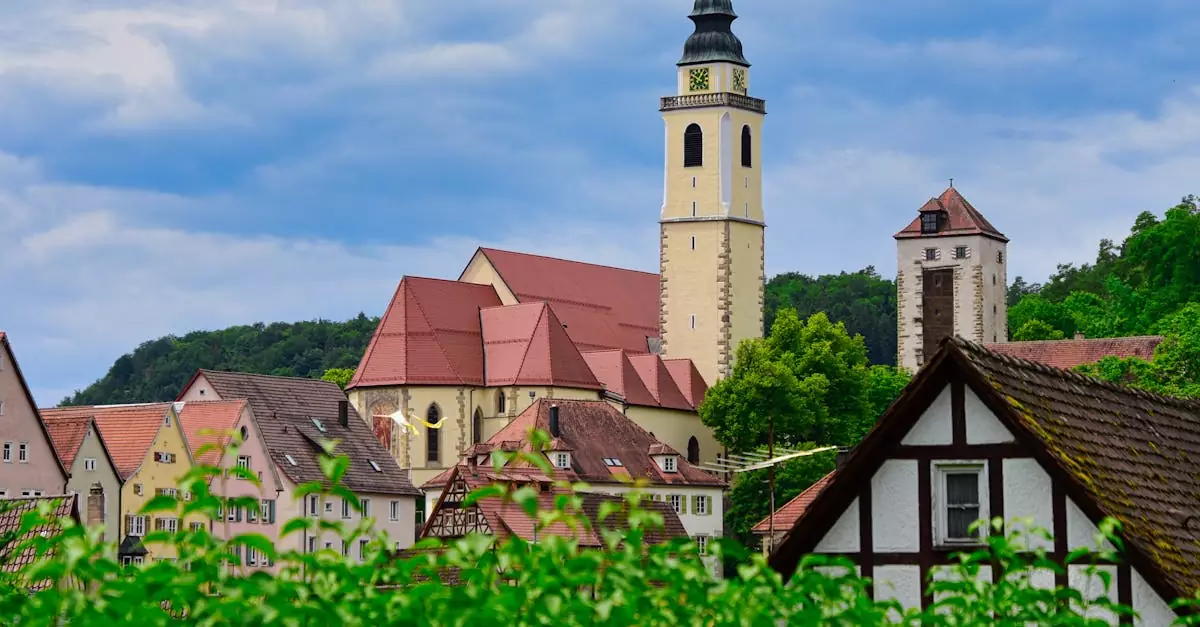
Rothenburg ob der Tauber is a remarkably preserved medieval town on Germany’s famed Romantic Road. Its intact town walls invite you to walk along them, offering panoramic views of the red-tiled roofs and surrounding countryside. Slow travel here involves exploring its cobblestone lanes, visiting the Imperial Castle Garden, and experiencing the Night Watchman’s tour for a unique historical perspective. The town’s atmosphere is so enchanting that simply strolling and soaking in the ambiance is a rewarding experience.
Best for: Couples and history buffs will find Rothenburg particularly captivating. Its romantic setting and well-preserved medieval character create an unforgettable backdrop.
Budget: While not the cheapest destination, Rothenburg offers a range of accommodations from charming guesthouses to hotels. Eating at local Gasthöfe (inns) can provide more affordable and authentic meals.
Logistics: Rothenburg is best reached by train, often with a change in Würzburg or Nuremberg. Once there, the town is entirely walkable.
Beyond the Obvious: Hidden Gem European Villages for Slow Travel
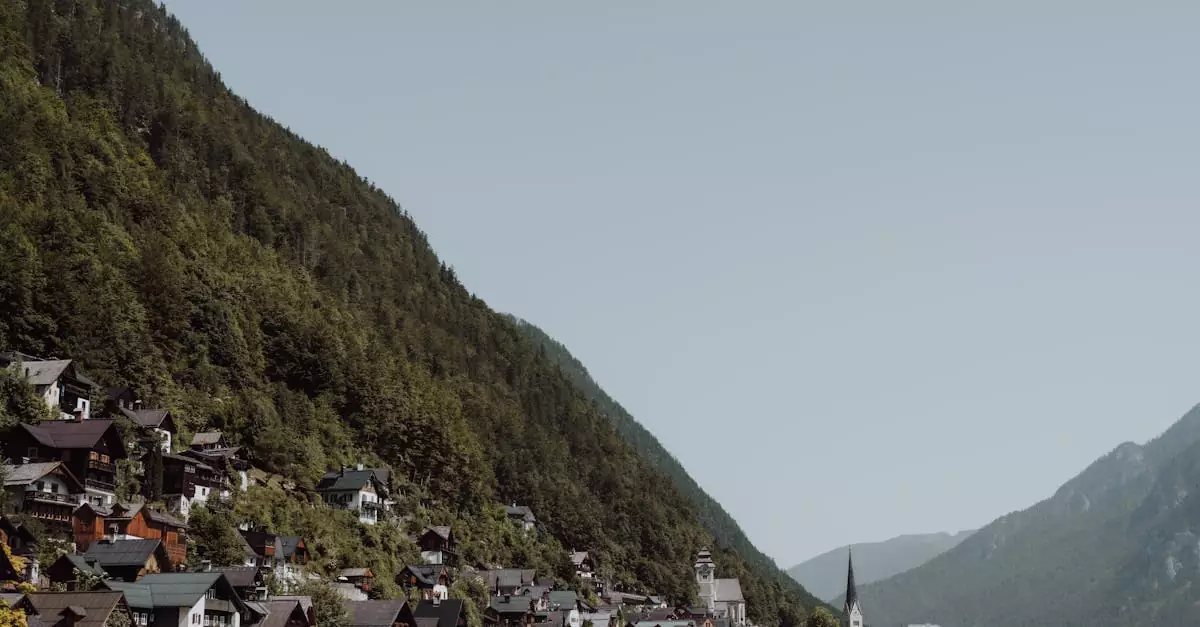
While major cities often dominate European itineraries, the true essence of slow travel can be found in the continent’s smaller, often overlooked villages. These destinations offer a chance to connect with local life, savor regional flavors, and immerse yourself in authentic culture at a relaxed pace. For those seeking an escape from the bustling tourist crowds, these charming European villages provide an ideal setting to unwind and appreciate the simple pleasures of travel in 2026.
Monsaraz, Portugal: Alentejo’s Whitewashed Hilltop
Perched high above the Guadiana River, Monsaraz is a medieval fortified village in Portugal’s Alentejo region that feels frozen in time. Its narrow, cobblestone streets wind between whitewashed houses adorned with colorful flower pots, leading to breathtaking viewpoints. Life here moves at a deliberate pace, encouraging visitors to linger over a glass of local Alentejo wine, browse artisan shops, or simply absorb the panoramic vistas of the surrounding plains and the vast Alqueva Dam.
Getting to Monsaraz involves a scenic drive through the Alentejo countryside, often from Lisbon or Faro. While there’s no direct train service, renting a car provides the most flexibility for exploring the wider region. Accommodations within the village are typically charming guesthouses or small hotels, offering an intimate experience. The best time to visit is spring or autumn, when the weather is pleasant for walking and the olive groves are particularly beautiful.
Gimmelwald, Switzerland: Car-Free Alpine Paradise
For an unparalleled alpine experience, Gimmelwald in Switzerland’s Bernese Oberland offers a serene escape. This tiny, car-free hamlet clings to a mountainside, accessible primarily by cable car from Stechelberg. With its traditional wooden chalets, grazing cows, and dramatic backdrop of the Eiger, Mönch, and Jungfrau peaks, Gimmelwald embodies the quintessential Swiss mountain village. Activities revolve around nature: hiking in summer, skiing in winter, or simply enjoying the profound quiet.
Reaching Gimmelwald requires taking a train to Lauterbrunnen, then a bus to Stechelberg, followed by a cable car ride. The journey itself is part of the adventure, showcasing the stunning Swiss landscape. Lodging options are limited but include rustic mountain inns and hostels, reinforcing the village’s unpretentious charm. Due to its high altitude, Gimmelwald is a year-round destination, though summer offers extensive hiking trails, while winter provides access to the Mürren-Schilthorn ski area.
Cochem, Germany: Moselle Valley Wine Country
Nestled on a picturesque bend of the Moselle River, Cochem is a fairy-tale German town dominated by its imposing Reichsburg Castle. The town center is a delightful maze of half-timbered houses, lively wine taverns (Weinstuben), and inviting squares. Slow travel here means indulging in the region’s renowned Riesling wines, taking leisurely boat trips along the Moselle, or cycling through vine-covered hills. The relaxed atmosphere and the beauty of the river valley make it a captivating destination.
Cochem is easily accessible by train, with regular services connecting it to major cities like Koblenz and Trier. The Moselle River itself is a primary artery for tourism, with many visitors arriving via river cruise. Accommodation ranges from family-run guesthouses to larger hotels. The wine harvest season in early autumn offers a particularly vibrant experience, though spring and summer are also ideal for enjoying the vineyards and outdoor cafes.
Colmar, France: Alsace’s Picturesque Canals
Colmar, located in the Alsace region of France, is often referred to as “Little Venice” due to its charming network of canals and incredibly well-preserved old town. Colorful half-timbered houses line the streets and canals, creating a postcard-perfect scene. Slow travel in Colmar involves wandering its flower-lined alleyways, taking a gentle boat tour, sampling Alsatian specialties like Tarte Flambée and local wines, and visiting its numerous museums. The town’s unique Franco-Germanic heritage is evident in its architecture and cuisine.
Colmar is well-connected by train, making it an easy addition to a regional itinerary. Strasbourg is a common gateway city. While Colmar is a popular destination, its size and the abundance of quiet corners allow for a relaxed pace. Accommodation options are plentiful, from boutique hotels in historic buildings to more modern establishments. Spring and autumn provide pleasant weather for exploring on foot, while the Christmas market season transforms the town into a magical wonderland.
Planning Your Slow Travel Itinerary in European Villages
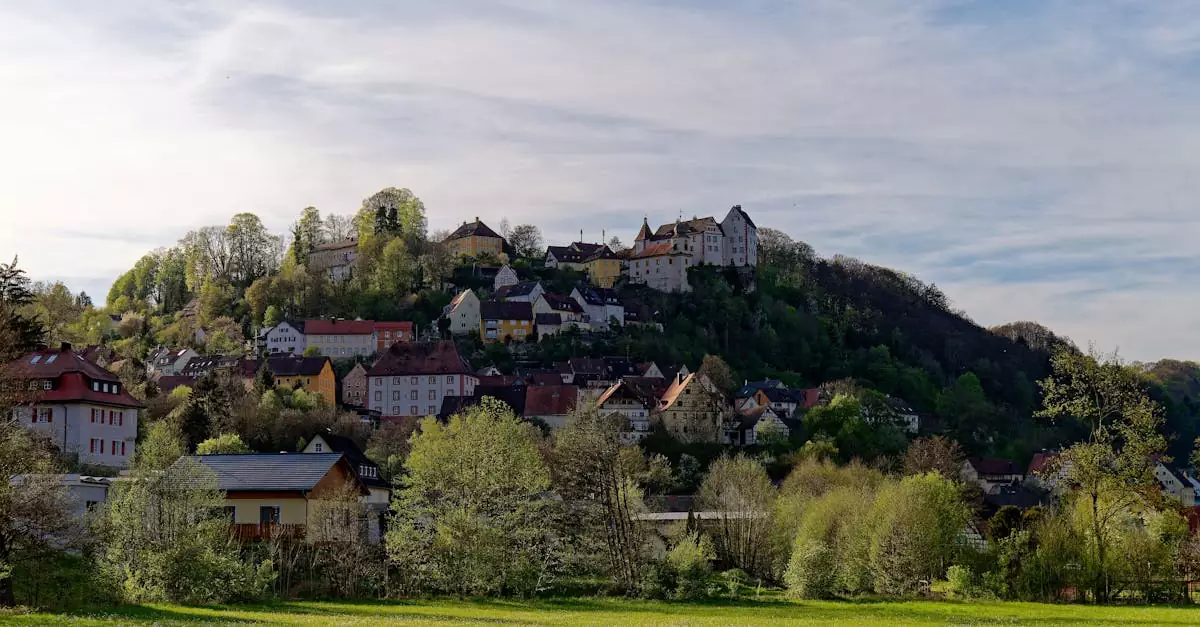
Embarking on a slow travel journey through Europe’s charming villages offers a profound way to connect with local culture and scenery. This approach prioritizes depth over breadth, encouraging travelers to linger, observe, and truly absorb the essence of a place. Planning such a trip requires a different mindset than a whirlwind tour, focusing on mindful exploration and flexibility.
Crafting a Flexible Itinerary: Embracing Spontaneity
The core of slow travel lies in allowing for unplanned discoveries. Instead of a rigid day-by-day schedule, consider a framework that allows for detours and extended stays. For example, instead of booking accommodation for every single night in advance, reserve the first few nights and leave the subsequent bookings open. This provides the freedom to stay longer in a village that captivates you or to follow a local recommendation for a nearby hidden gem.
Consider grouping villages by region to minimize travel time and maximize immersion. This also allows for a more cohesive experience of local traditions and landscapes. Researching a few key villages in an area, understanding their unique offerings, and then leaving room for serendipity is essential. This might mean spending an extra day at a local market or joining an impromptu village festival.
Best Time to Visit European Villages for Different Seasons
The ideal time to visit European villages for slow travel depends heavily on your priorities. Each season offers a distinct atmosphere and set of activities.
| Season | Pros | Cons | Best For |
|---|---|---|---|
| Spring | Blooming landscapes, fewer crowds, pleasant temperatures, local festivals | Variable weather, some attractions may still be closed | Nature lovers, photographers, those seeking tranquility |
| Summer | Long daylight hours, outdoor activities, vibrant village life | Peak tourist season, higher prices, can be very hot in southern Europe | Families, active travelers, those wanting to experience summer events |
| Autumn | Harvest season, beautiful foliage, mild weather, fewer tourists | Shorter daylight hours, potential for rain | Foodies, hikers, those appreciating autumnal colors |
| Winter | Cozy atmosphere, festive markets, lower prices, unique charm | Short daylight hours, cold weather, some attractions closed | Those seeking a quiet, festive experience, budget-conscious travelers |
For a truly immersive experience with fewer crowds, consider visiting during the shoulder seasons: April to May for spring and September to October for autumn. These periods often provide pleasant weather and a more authentic glimpse into village life before or after the main tourist influx.
Navigating Between Villages: Sustainable Transportation Options
When planning your journey between European villages, prioritizing sustainable and immersive transportation methods enhances the slow travel ethos. Trains are an excellent option, connecting many smaller towns and offering scenic routes that are often missed when flying. Booking train tickets in advance can also secure better prices.
Local buses are another viable and budget-friendly way to reach more remote villages. While slower than trains, they offer intimate glimpses of the countryside and opportunities to interact with locals. For shorter distances between adjacent villages, consider cycling. Many regions in Europe have well-developed cycle paths, allowing for a deeply engaging and environmentally friendly way to travel.
For those venturing into very rural areas, renting a car might be necessary, but consider car-sharing or choosing electric vehicle options to reduce your environmental impact. When exploring within a village, walking is always the best method, allowing you to discover hidden alleyways and local shops at your own pace.
Budgeting for a Slow Travel Experience in Rural Europe
Slow travel in European villages can be surprisingly budget-friendly, especially when compared to city breaks. By staying longer in one place, you can often negotiate better rates for longer-term accommodation rentals, such as apartments or guesthouses. Eating at local trattorias, bakeries, and markets rather than tourist-focused restaurants significantly cuts down on food expenses.
Consider the overall cost of living in different European countries. Villages in Eastern or Southern Europe tend to be more affordable than those in Western or Northern Europe. For instance, a week in a French village will likely cost more than a week in a Portuguese or Hungarian village.
- Accommodation: Look for self-catering apartments, family-run guesthouses (pensions or B&Bs), or even farm stays (agriturismo).
- Food: Prioritize local markets for fresh produce and cheeses. Enjoy picnics or cook simple meals in your accommodation. Seek out bakeries for breakfast and lunch.
- Activities: Many of the best slow travel experiences are free or low-cost, such as hiking, visiting local churches, or simply enjoying the village atmosphere.
Careful planning around transportation and choosing less expensive regions can allow your budget to stretch further, enabling a more extended and enriching slow travel adventure across Europe.
Immerse Yourself: Local Experiences in European Villages
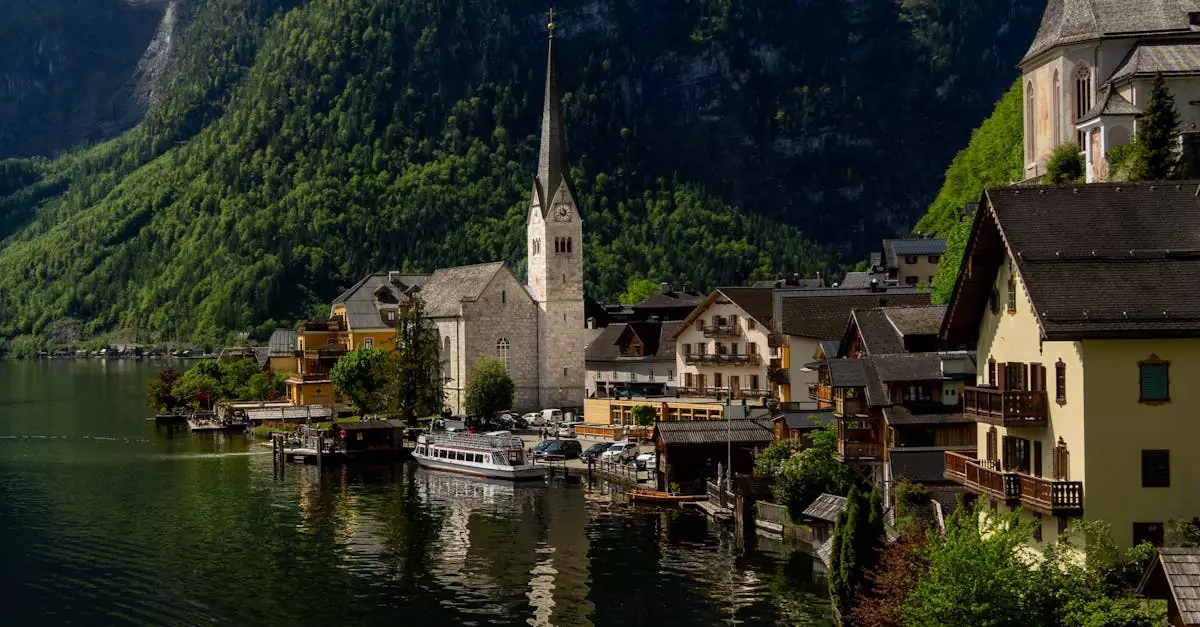
Embracing slow travel in European villages means diving deep into local life, moving beyond the surface-level tourist experience. It’s about connecting with the rhythm of a place, understanding its traditions, and engaging with its people. These charming settlements offer a unique opportunity to step back in time and appreciate a simpler way of living.
Savoring Local Cuisine: Farm-to-Table Delights
The culinary heart of any European village beats with its regional specialties and fresh, local ingredients. Many villages pride themselves on a farm-to-table ethos, long before it became a trend. Seek out family-run trattorias, tavernas, or inns where recipes have been passed down through generations. Don’t hesitate to ask about the origin of the produce; you might find it was grown just a few fields away.
Consider visiting a village known for a specific product, like cheese in the French Alps or olive oil in Tuscany. Participating in a local cooking class can offer unparalleled insight into the region’s gastronomic heritage. These hands-on experiences often culminate in a shared meal, fostering a genuine connection with your hosts and fellow participants. For travelers prioritizing authentic flavors, focusing on villages with strong agricultural ties ensures a truly memorable dining experience.
Discovering Artisanal Crafts and Local Markets
European villages are often hubs for traditional crafts, from pottery and weaving to wood carving and lace-making. Visiting local workshops provides a chance to witness artisans at work and perhaps purchase a unique, handcrafted souvenir. These items carry the story of the village and the skill of its people, offering a more meaningful memento than mass-produced goods.
Local markets are the vibrant pulse of village life, especially on market days. These gatherings are not just for shopping but also for socializing. You’ll find stalls laden with fresh produce, regional cheeses, cured meats, baked goods, and often, handmade crafts. Engaging with vendors, even with limited language skills, can be a rewarding experience. Look for markets that primarily serve the local community rather than solely catering to tourists for the most authentic atmosphere. A visit to a village in the Basque Country might reveal intricate espadrille makers, while a Greek island village could showcase unique ceramic art.
Engaging with Communities: Learning Basic Phrases
Making an effort to learn a few basic phrases in the local language can significantly enhance your slow travel experience. Simple greetings like “hello” (e.g., Bonjour, Guten Tag, Ciao), “thank you” (Merci, Danke, Grazie), and “excuse me” can open doors and elicit warm responses from villagers. This small gesture shows respect for their culture and a genuine interest in connecting.
Many smaller villages have limited English speakers, making these few words invaluable. Even if communication is challenging, a friendly smile and an attempt at their language are often appreciated. Consider downloading a translation app for offline use, but prioritize learning the essential pleasantries. This cultural immersion is a cornerstone of slow travel, transforming a simple visit into a meaningful interaction.
Photography Hotspots: Capturing the Essence of Village Life
The visual appeal of European villages is undeniable, offering countless opportunities for stunning photography. Beyond the postcard-perfect vistas, focus on capturing the candid moments that define village life. Look for details: laundry lines strung between ancient buildings, elderly residents chatting on a park bench, children playing in cobblestone squares, or the textures of weathered stone walls.
Consider the best times of day for light. Golden hour, shortly after sunrise and before sunset, often bathes villages in a warm, soft glow, ideal for landscape and architectural shots. Midday sun can be harsh but can also create dramatic shadows. Dawn and dusk are also times when you’re more likely to capture genuine local activity before the day fully begins or after it winds down. Remember to be respectful when photographing people; always ask for permission if you are taking close-up portraits. The essence of village life is often found in these quiet, authentic moments, far from the usual tourist trails.
Frequently Asked Questions About Slow Travel in European Villages
What are the best accommodation options for slow travelers?
For a truly immersive experience in the best European villages for slow travel, consider accommodations that offer a sense of place. Local guesthouses (pensions or garni in some regions) provide a more intimate connection with hosts and often include homemade breakfasts. Renting a small apartment or cottage through platforms like Airbnb or local agencies allows for greater independence, enabling you to cook with regional ingredients and settle into a daily rhythm. Farm stays (agriturismo in Italy, gîtes ruraux in France) offer a unique opportunity to engage with rural life and enjoy fresh produce.
Is it safe to travel solo in these European villages?
Yes, most small European villages are exceptionally safe for solo travelers. Crime rates are generally low, and the close-knit community feel often means locals are helpful and observant. It’s always wise to exercise standard precautions, such as being aware of your surroundings, especially after dark. Familiarizing yourself with basic local phrases can also enhance your interactions and safety. For further information on general travel safety in Europe, consult official government advisories.
What should I pack for a slow travel trip to European villages?
Packing for slow travel in European villages prioritizes comfort and versatility. Focus on layers, as weather can change. Include comfortable walking shoes, as you’ll likely be on your feet exploring cobblestone streets. A reusable water bottle, a small backpack for day trips, and a good book are essential. Depending on the season, pack accordingly for cooler or warmer temperatures, but avoid overpacking, as you may want to purchase local crafts or goods. Consider a travel adapter for electronics.
How can I avoid common tourist mistakes in small European towns?
To truly embrace slow travel in these charming destinations, avoid rushing. Instead of trying to see everything in a day, dedicate time to savoring one or two experiences. Resist the urge to only eat at restaurants with English menus; seek out local eateries where the pace is more relaxed and the food more authentic. Learn a few basic phrases in the local language – a simple “hello” and “thank you” go a long way. Engage with locals, ask for recommendations, and be open to spontaneous detours. Respect local customs and dress modestly when visiting churches or religious sites.