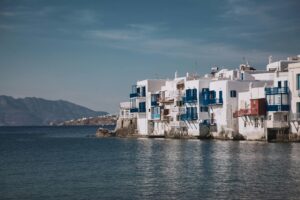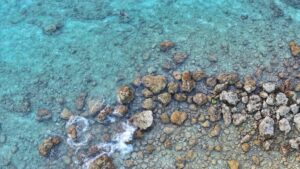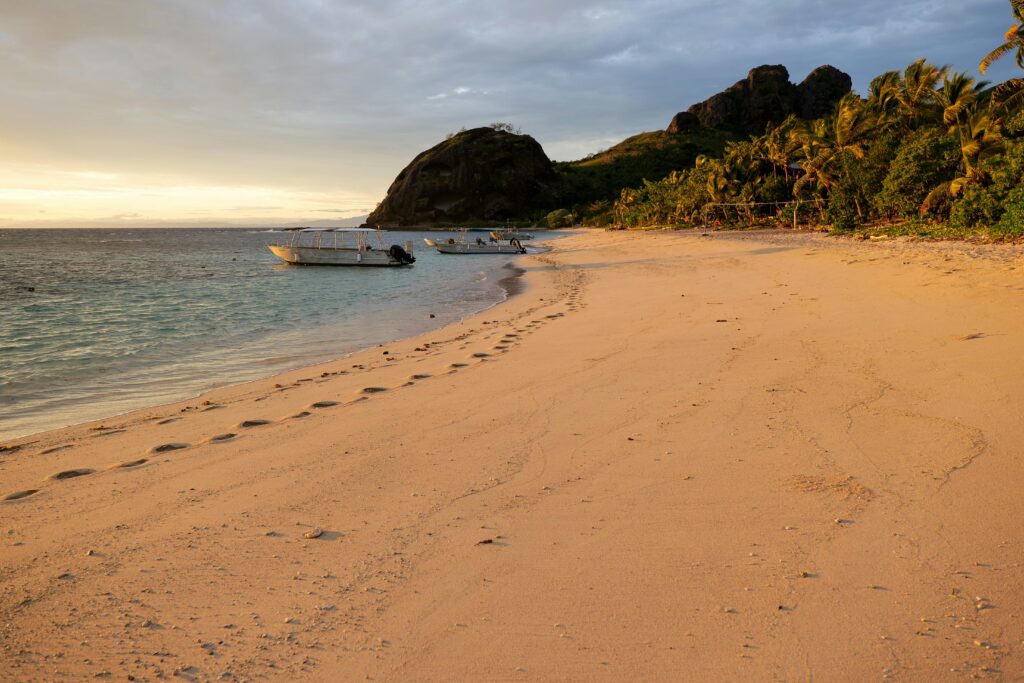
The best islands in Yasawa sit like a chain of dreams off Fiji’s western coast: limestone caves, powder-white beaches, and lagoons so blue they seem unreal. For travelers seeking both remote natural beauty and thoughtful island hospitality, the Yasawas deliver a compact, easily navigable island cluster with distinct personalities — from quiet snorkeling coves to intimate luxury hideaways.
This guide breaks down the islands to visit, how to reach them, standout experiences and accommodation options, and practical advice so you can plan an efficient, memorable trip. Recommendations reflect regional tourism listings and guidance from the Fiji Tourism Board, combined with up-to-date local transport and resort information.
Why visit the Yasawa Islands
The Yasawa Islands are a volcanic archipelago of about 20 islands located northwest of Fiji’s main island, Viti Levu. They are prized for sheltered reefs, clear waters, and a pace that encourages slowing down: daily life here is shaped by tidal rhythms, the sea and traditional village culture. Marine life is abundant, with excellent snorkeling and diving on fringing reefs and coral bommies.
Aside from natural beauty, the Yasawas offer opportunities to learn about Fijian village life through respectful visits, to explore sea caves and tidal pools, and to enjoy evenings under stars unobstructed by city light. Whether you’re planning an active itinerary or a retreat focused on relaxation, the island chain provides various experiences in close proximity.
Getting there and getting around
Most visitors reach the Yasawa Islands via two main routes: scheduled passenger catamarans that depart from Port Denarau (near Nadi) and short domestic flights to pick-up points followed by boat transfers. Popular catamaran services run daily during high season, offering a scenic hop between islands and the flexibility to stop at several locations along the way.
Ferry timetables change seasonally and booking early is recommended in high season. For accommodation and combined transport packages, travelers often use major booking platforms to compare options and confirm availability; this helps when coordinating island-to-island transfers as many lodges schedule pick-ups based on arrival times. Check accommodation and ferry packages on Booking.
Once in the Yasawas, most travel is by boat — either the scheduled ferry, resort launches, or local skiffs. Walking is the norm on smaller islands; hire arrangements or resort shuttles cover longer hops. Note that infrastructure varies: some islands have small piers, others landings use skiffs and sandy beaches, so be prepared for wet landings at times.
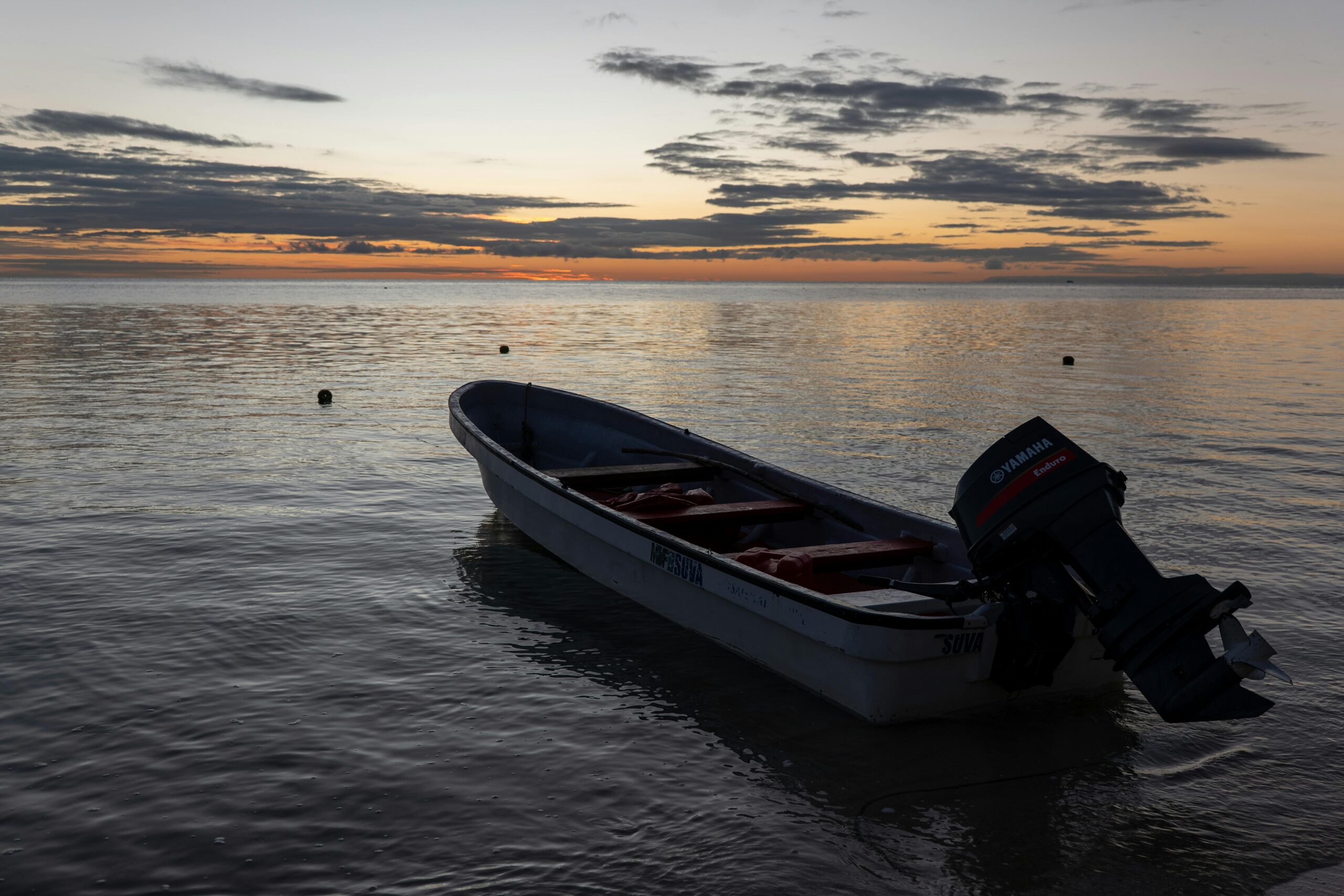
Top islands to include on your itinerary
Choosing which Yasawa islands to visit depends on priorities: cave systems and limestone scenery, beachfront snorkeling, small-resort seclusion, or lively beachfront resorts with activities. Below are islands that consistently top recommended lists because of their scenery, access and range of activities.
- Sawa-i-Lau — Known for its dramatic limestone caves and twin lagoons. The island’s caves are accessible by a short swim and offer a striking, photogenic experience. Sawa-i-Lau is a highlight for travelers interested in geology and unique swim spots.
- Nanuya Lailai (Small Nanuya) — Home to the iconic “Blue Lagoon” film scenes and a mix of boutique resorts and beaches ideal for snorkeling. It strikes a balance between scenic beauty and visitor facilities.
- Navadra — A compact, reef-ringed island with excellent snorkeling right off the beach. Navadra’s beaches and sheltered lagoons are excellent for families and casual swimmers.
- Tavewa — A low-key island with friendly village hospitality, colorful reefs and relatively affordable lodgings. It’s a good choice for travelers seeking an authentic island feel.
- Yasawa Island — One of the larger islands in the group with more developed resort choices and good boat access. It’s a practical base for day trips to nearby attractions.
Many travelers combine two or three of these islands on a single trip, using the passenger catamaran route to move between them. A two- to seven-night itinerary allows you to experience different island atmospheres without frequent, tiring transfers.
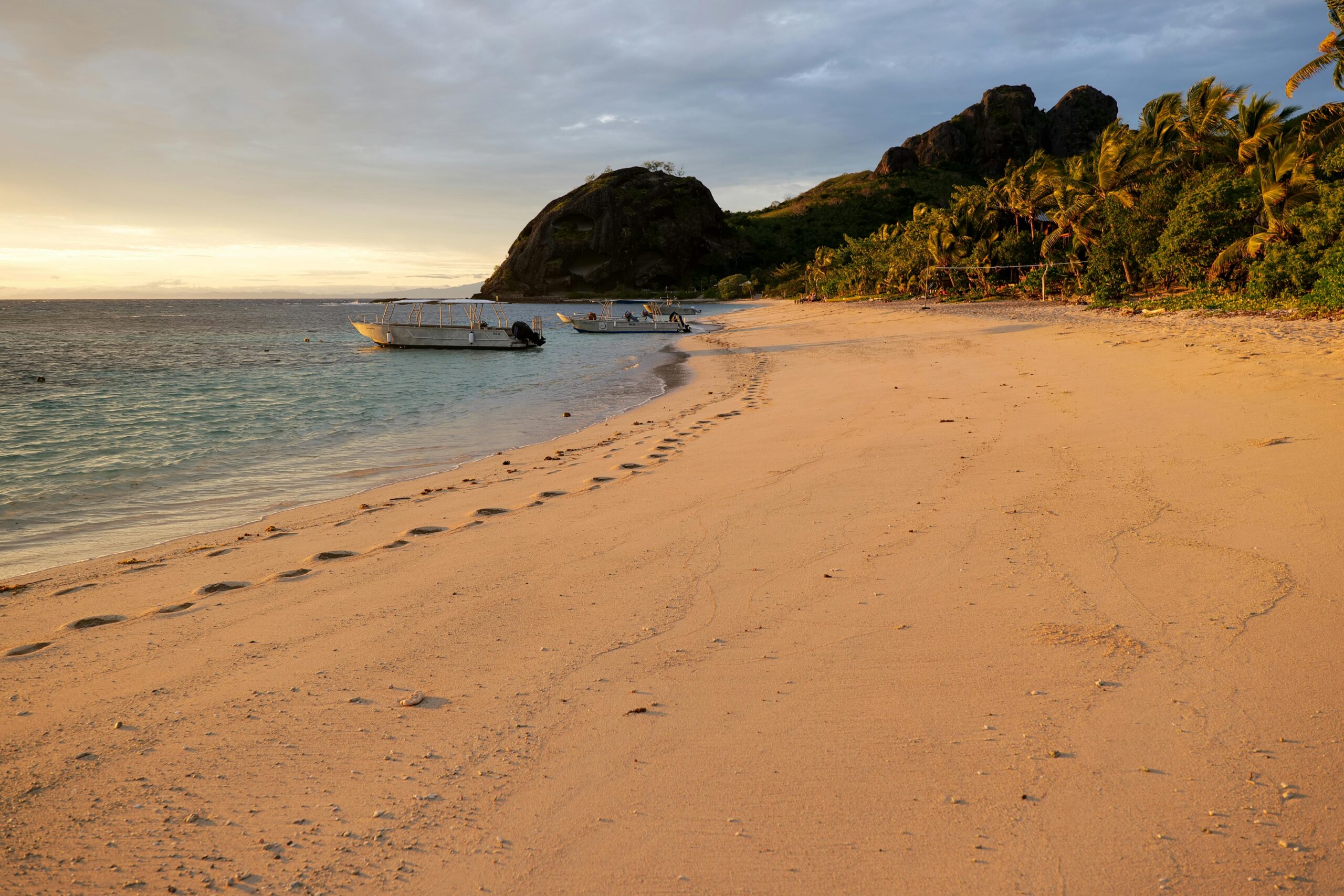
Best Fiji Yasawa Islands luxury resorts (and where they fit)
Luxury in the Yasawas tends to be intimate rather than expansive: expect boutique villas, beachfront bure-style rooms, and services that emphasize privacy, local materials and personal experiences. Some resorts focus on wellness and barefoot luxury, while others emphasize water sports and family-friendly amenities.
When selecting a luxury option, look for resorts that offer inclusive transfer packages, on-site dive or snorkeling facilities, and cultural activities such as village visits or kava ceremonies. Availability varies with the season, so many visitors use major travel platforms to compare rates and packages. Browse resort listings and availability on Booking.
Top-tier choices typically include private beaches or secluded coves, in-house chefs and activity desks that can organize diving, fishing and guided snorkeling. If exclusivity is a priority, consider villas with private plunge pools or small resorts with limited room counts that emphasize personalized service.
Activities and experiences not to miss
Snorkeling and diving: The Yasawa reefs are healthy and accessible from many beaches; expect vibrant hard and soft corals, schools of reef fish, turtles and occasional pelagics on deeper walls. Certified dive centers operate from several islands and can arrange guided dives, gear hire and dive packages.
Cave and lagoon exploration: Sawa-i-Lau’s caves are unique — reachable by short swims and gentle climbs — and offer cool, sheltered waters. Small coves and tidal lagoons across the chain are ideal for kayakers and stand-up paddleboarders.
Village visits and cultural interaction: Many resorts arrange respectful village visits, often including traditional music, dances and kava ceremonies. These visits are an opportunity to learn about communal life and support local economies; follow the guidance from hosts about appropriate behavior, photography and gifts.
Hiking and viewpoints: Some islands offer short coastal hikes or ridge walks with panoramic views. These are often low-impact routes but wear sturdy footwear for uneven terrain and coral sand.
Comparison: which island suits your trip?
| Island | Highlights | Best for | Access | Accommodation style |
|---|---|---|---|---|
| Sawa-i-Lau | Limestone caves, secluded lagoons | Explorers, photographers | Ferry stop / boat transfers | Small lodges, day-trip friendly |
| Nanuya Lailai | Blue Lagoon scenery, snorkeling | Beach lovers, couples | Regular ferry stops | Boutique resorts, beachfront bure |
| Navadra | Reef snorkeling, calm lagoons | Families, snorkelers | Boat transfer | Smaller resorts, eco-lodges |
| Tavewa | Village visits, authentic island life | Budget-conscious, cultural travelers | Ferry or skiff | Simple bure-style lodging |
| Yasawa Island | More resort options, central location | Base for multi-island trips | Good ferry access | Range from budget to luxury |
Practical tips, best time to visit and packing list
Best time to travel: The Yasawas are warm year-round, with a distinct wet season (November–April) and drier months (May–October). The dry season brings clearer seas, calmer conditions for boat travel, and lower rainfall — often the most comfortable period for snorkeling and hiking. However, off-season travel can deliver fewer crowds and lower rates if you prepare for occasional showers.
Health and safety: Basic travel vaccinations should be up to date; carry insect repellent and sun protection. Freshwater is limited on small islands, so many resorts provide filtered drinking water; confirm availability before arrival. If you require prescription medication, bring an adequate supply as pharmacies are limited in the islands.
Packing essentials: Reef-safe sunscreen, lightweight breathable clothing, a hat, reef shoes for rocky landings, snorkeling gear if you prefer your own, a waterproof daypack, and a small first-aid kit. Cash may be helpful for gratuities, small purchases or villages that do not accept cards; many resorts accept cards but check in advance.
Respectful travel: When visiting villages or joining cultural activities, dress modestly (cover shoulders and knees when appropriate) and always follow the guidance of local hosts. Ask permission before photographing people, and consider small gifts such as school supplies as a more meaningful alternative to money.
Planning sample itineraries
Weekend escape (3–4 days): Base on Nanuya Lailai or Yasawa Island for convenient ferry access. Include a snorkeling day, a village visit and a short beach hike. This is ideal for travelers with limited time who want a taste of reef life and island culture.
Week-long island hop (7 days): Start with a flight or ferry from Nadi to Port Denarau, then take the catamaran to Yasawa Island. Spend two nights each on Yasawa Island, Nanuya Lailai and Sawa-i-Lau to balance snorkeling, cave exploration and relaxation. Book inter-island transfers and at least one guided dive or cultural tour in advance.
Slow travel retreat (10+ days): Choose one small luxury resort as a base for wellness, diving or simply relaxing. Schedule day trips to nearby islands for cave visits and snorkeling, and leave space for unplanned boat excursions — slow travel allows you to adapt to local weather and boat schedules, minimizing rushed transfers.
FAQs
What is the easiest way to travel between the Yasawa Islands?
The most common method is the scheduled passenger catamaran that runs between Port Denarau and the Yasawa islands; many resorts also run private launch transfers. For faster connections, domestic flights to pickup points with boat transfers are available. Schedules change by season, so confirm times and book transfers with your accommodation to ensure coordinated pick-ups.
Are the Yasawa Islands family-friendly?
Yes — several islands offer family-oriented lodges with calm lagoon swimming, snorkeling right off the beach and kid-friendly activities. Choose islands with shallow reefs and established resort facilities to ensure easier logistics and additional services such as family meals or childcare.
Do I need to bring snorkeling gear or can I rent it there?
Many resorts and dive shops provide rental gear and can organize guided snorkeling tours. Bringing your own mask and snorkel ensures a perfect fit and hygiene, but you can rent fins and other equipment locally. If you plan extensive snorkeling, personal gear is a good investment.
Can I visit villages and how should I behave?
Village visits are common and typically arranged through resorts or local hosts. Follow guidance on appropriate dress and photography, accept invitations politely, and avoid giving money directly to individuals — small practical gifts or contributions to community projects are usually more appropriate. Respect local customs and schedules.
Is Wi‑Fi and mobile coverage available on the islands?
Coverage varies. Larger resorts often offer Wi‑Fi and some mobile reception, but it can be slow and intermittent. Many visitors welcome the limited connectivity as an opportunity to disconnect; if you need consistent service, confirm availability with your resort before booking.
Conclusion
The Yasawa Islands are an accessible archipelago offering varied island experiences: dramatic caves, brilliant snorkeling reefs, intimate luxury resorts and genuine village encounters. Choosing the best islands in Yasawa depends on whether you prioritize scenic exploration, beachfront relaxation, cultural interaction, or diving. Plan transfers carefully, consider the season, and select accommodations that match your travel pace to make the most of your time among these distinctive islands.
With thoughtful planning — from booking transfers to packing reef-safe sunscreen — a Yasawa trip can be both effortless and unforgettable. Whether you stay at a boutique luxury bure, island-hop by catamaran, or linger in a quiet cove, the Yasawas reward curiosity and a respectful approach to local culture and environment.