
If you’re planning a visit to Siem Reap, understanding the Angkor Wat tickets price is one of the first things you should sort out. Ticket types, validity, and where to buy the pass all affect your itinerary, budget, and how much of the Angkor Archaeological Park you can realistically see. This guide explains official pass pricing, how the angkor pass cost 1 day 3 day pass compares, and practical tips to make your visit smooth and rewarding.
All pricing and pass details in this article are based on the official admission fees set by the local heritage authority — always double-check before travel for any short-term updates. Below you’ll find a clear breakdown of costs, where to buy tickets in Siem Reap, sample itineraries for each pass, and frequently asked questions to help you plan.
Understanding Angkor Wat tickets and the types of passes
The Angkor Archaeological Park uses a timed-entry ticket system called the Angkor Pass (also commonly called the Angkor Wat ticket). Tickets are sold as 1-day, 3-day, and 7-day passes for foreign visitors. Each ticket grants access to the park and its principal temples, including Angkor Wat, Bayon, Ta Prohm and many more ruins spread over the complex.
When planning your visit, consider how much ground you want to cover and whether you prefer to see temples intensely in a single day or spread visits across several days. The angkor pass cost 1 day 3 day pass structure is intended to suit different travel styles — one-day explorers, relaxed multi-day visitors, and those who want to return during a longer stay in Cambodia.
Current Angkor Wat tickets price (official pass pricing)
The official Angkor Wat tickets price for foreign tourists (as published by the heritage authority) is as follows:
- 1-day pass (valid for one calendar day): USD 37
- 3-day pass (valid for any three days within a ten-day period): USD 62
- 7-day pass (valid for any seven days within a month): USD 72
These rates reflect the standard international pricing. Local residents and Cambodian citizens qualify for different pricing and typically must present valid local ID to access reduced or free entry; check the heritage authority rules for exemptions.
For the most current and official information, consult the heritage body’s website before you travel and when you arrive. The authority maintains the park and updates access rules and pricing as needed: official Angkor Archaeological Park information.
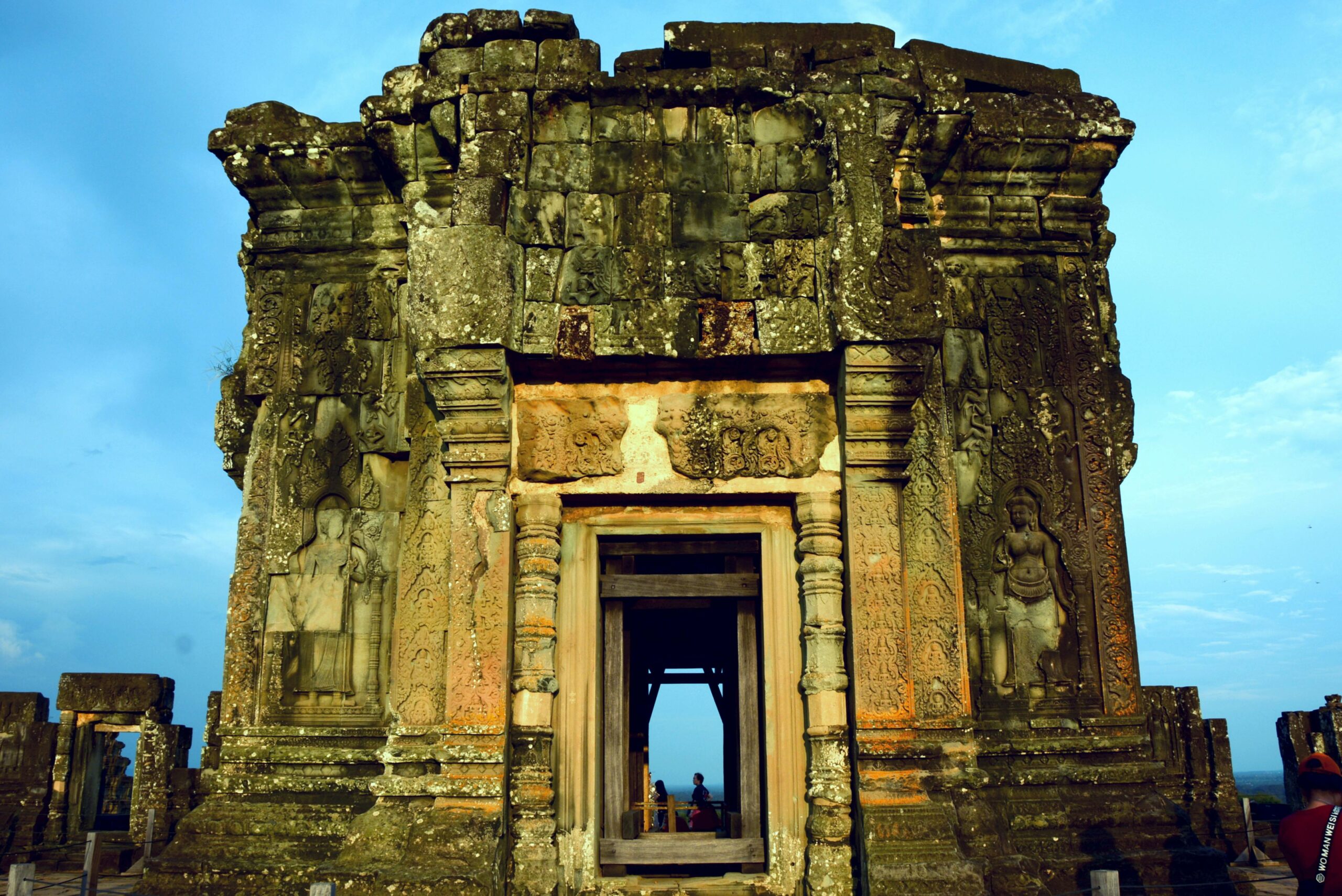
Where and how to buy an Angkor pass in Siem Reap
You can purchase an Angkor pass at the official ticket center located on the road to Angkor Wat, just before the park entrance. The ticket booth accepts cash (USD is commonly used), credit cards at some counters, and offers a small desk for passport photos to attach to the pass. Leave yourself time for purchase and processing, especially on busy sunrise days.
Many travelers also prefer to buy guided tours or prebook transport and tickets through reputable tour providers based in Siem Reap. For packaged options or guided day tours that include purchases and transport, see listings run by trusted suppliers: tour choices and day trips in Siem Reap.
Important buying tips:
- Bring your passport – a passport is required to print the ticket and is usually attached to the pass with a photo.
- Be prepared for queues at sunrise and sunset; tickets may take a few minutes to process.
- Check accepted payment methods at the ticket center if you prefer card payment rather than cash in USD.
- If you purchase through a tour operator, confirm whether a physical pass will be waiting for you or if you must collect it at the booth.

What each pass covers, validity and key rules
Each Angkor pass grants entry to the entire Angkor Archaeological Park for the span of its validity. The passes are not tied to a specific temple or time of day, but the park operating hours and special rules (for example, sunrise/sunset crowd control measures) still apply. Below are core points to keep in mind about validity and usage:
- 1-day pass: Valid for the calendar day printed on the ticket (for example, if purchased for 12 June, it’s valid until the park closes that same day).
- 3-day pass: Valid for any three days within a ten-day window starting on the first day of use. These days do not have to be consecutive, which allows flexibility for breaks between temple visits.
- 7-day pass: Valid for any seven days within a one-month period starting on the first day of use, useful for extended stays or for revisiting favorites.
- Children and local residents: Children of certain ages and Cambodian residents may have reduced or free entry but must meet identification and documentation rules. Confirm at the ticket center.
- Wearable pass: A photo is linked to the pass and a physical pass or wristband (depending on current operations) must be presented when requested by park staff.

Comparing the angkor pass cost 1 day 3 day pass — which is best for you?
Choosing between the 1-day, 3-day, and 7-day passes depends on how deep you want to explore, how much time you have in Siem Reap, and your travel style. Below is a comparison table to help you visualize costs, validity, and recommended uses.
| Pass | Official Price (USD) | Validity | Best for |
|---|---|---|---|
| 1-day pass | $37 | One calendar day | Quick stop or short layover; highlights like Angkor Wat & Ta Prohm in one day |
| 3-day pass | $62 | Any 3 days within 10 days | Balanced visit for main temples and quieter exploration (recommended for most visitors) |
| 7-day pass | $72 | Any 7 days within 30 days | Extended research, photography, or slow travel with time to revisit favorites |
Price-per-day comparison:
- 1-day pass: $37 per day (single day of intensive touring)
- 3-day pass: roughly $20.67 per day (spread over three days)
- 7-day pass: roughly $10.29 per day (best value if you’ll return multiple times)
If you’re short on time but want a thorough experience, a full-day guided tour can cover major sights efficiently with local context. However, if your schedule allows, the 3-day pass is often the best compromise: it lets you see Angkor Wat at sunrise, explore Angkor Thom and Bayon when light is better for photography, and spend a day on quieter outlying temples.
Sample itineraries, transport and money-saving tips
Below are practical sample itineraries that match each pass type, plus transport and saving tips for Siem Reap visitors.
One-day (1-day pass) sample itinerary:
- Early morning: Sunrise at Angkor Wat (arrive very early to secure a spot and beat the worst of the crowds).
- Mid-morning: Explore the main gallery and upper terraces of Angkor Wat.
- Late morning: Travel to Angkor Thom, visit the Bayon temple with its many faces.
- Afternoon: Ta Prohm (the “Tomb Raider” tree-root temple) and then finish with small temple stops nearby.
Three-day (3-day pass) sample itinerary:
- Day 1: Sunrise at Angkor Wat, full morning at Angkor Wat, afternoon at Angkor Thom and Bayon.
- Day 2: Extended exploration of Ta Prohm, Ta Nei and lesser-visited temples in the Rolous Group or small circuits.
- Day 3: Outlying temples such as Banteay Srei or Beng Mealea for a different era and style.
Seven-day (7-day pass) recommendations:
- Break visits into morning and late-afternoon sessions to avoid midday heat.
- Include photographic and cultural study days, plus time to revisit favorites.
- Consider hiring a knowledgeable guide for at least one day to deepen historical context.
Transport and money-saving tips:
- Tuk-tuks are the most common and affordable way to get between temples; agree a daily rate with your driver before departure.
- For a single-day intense circuit you might hire a private car for comfort; shop around for a reasonable daily rate.
- Combine temple visits with local markets or museums in Siem Reap to optimize time and cost.
- Buy bottled water and sun protection in town; temple shops can be more expensive and options are limited inside the park.
Practical rules, dress code, and accessibility considerations
Respectful dress and behavior are required inside the Angkor Archaeological Park. Temples are religious and cultural heritage sites, and following local customs helps protect the monuments and supports local communities.
Key rules and dress code:
- Dress modestly: shoulders and knees should be covered. Lightweight long sleeves and trousers or long skirts work well in the heat.
- Remove hats and sunglasses during prayer or when requested at religious sections of a temple.
- No climbing on fragile carvings or structures not designated for visitor access.
- Littering, loud behavior, and commercial photography without permission are discouraged and in some cases controlled by staff.
Accessibility notes:
- Some major temples have uneven stone surfaces and steps that make full access difficult for visitors with mobility issues; however, the park is expansive and several sites have more level terrain.
- Ask your accommodation or guide about accessible transport and the best sequence of visits if mobility is a concern.
FAQs
How much does an Angkor pass cost right now?
The official Angkor Wat tickets price for foreign visitors is currently USD 37 for a 1-day pass, USD 62 for a 3-day pass (valid any three days within ten days), and USD 72 for a 7-day pass (valid any seven days within thirty days). Always confirm final prices at the time of purchase or via the official park authority.
Can I buy tickets online in advance?
Officially, tickets are printed and issued at the ticket center where your passport is photographed. Some tour operators and travel platforms include the ticket purchase in a prebooked package—if you use a third-party operator make sure they are reputable and that the ticket collection process is clearly explained.
Are there discounts for children, students or Cambodian residents?
Local residents and Cambodian citizens often have different pricing rules and identification is required for concessions. Children and specific categories may have reduced or free entry under certain conditions; check the official authority’s rules at the ticket counter or on their website for current concession policies.
What is the best pass for seeing Angkor at sunrise?
If sunrise is a must, even a 1-day pass can cover sunrise at Angkor Wat if you’re prepared to arrive well before dawn and prioritize that experience. However, the 3-day pass provides more flexibility so you can enjoy sunrise at a relaxed pace and still have time for other temples during different light conditions.
Can I leave the park and re-enter on the same day with a 1-day pass?
Policies on re-entry can change, but typically a 1-day pass allows movement within the park for that day. If you plan to leave the park and return, confirm re-entry rules at the ticket counter when you purchase the pass to avoid surprises.
Conclusion
Understanding the Angkor Wat tickets price and the differences between the 1-day, 3-day, and 7-day passes will help you choose the pass that matches your time, interests, and travel budget. The 3-day pass offers a strong balance of value and flexibility for most visitors, while the 7-day pass is the best choice if you want to study, photograph, or revisit temples at leisure. Always carry your passport when buying or using a pass, dress respectfully, and plan carriage and guiding options in advance to maximize your time in the park. For the most accurate official details and any temporary changes, check the Angkor authority’s site before you travel and consider booking reputable guided options if you prefer a planned itinerary.