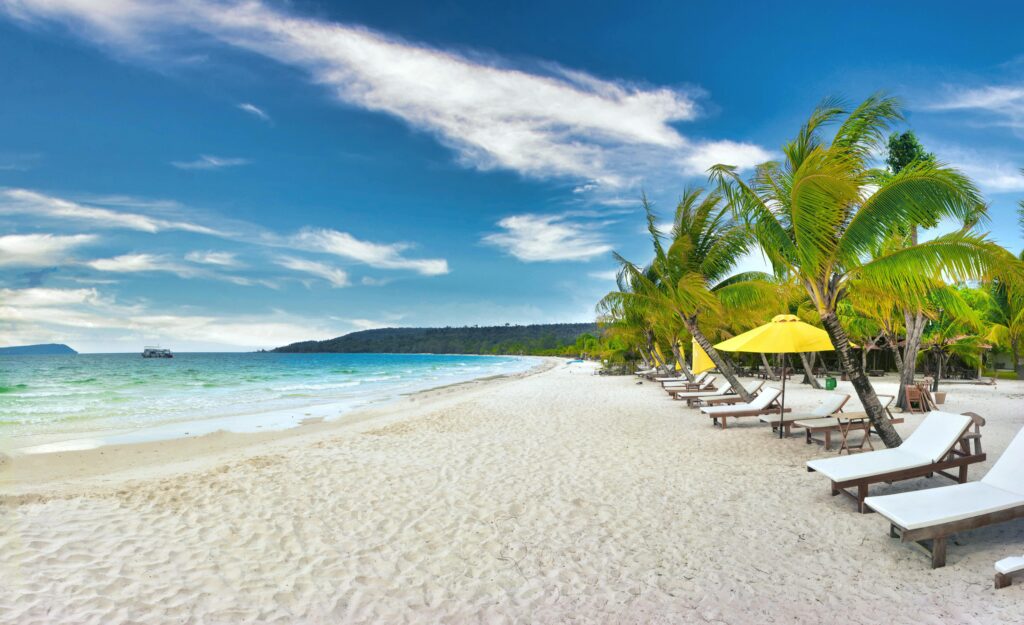
The best islands in Koh Rong draw travelers with wide, white-sand beaches, dense jungle trails and clear tropical waters that reward snorkelers and swimmers. If you’re planning a trip to Cambodia’s southwestern coast, understanding the differences between Koh Rong’s main islands and the smaller islets nearby will help you choose the right beaches, resorts and activities for your holiday.
This guide covers the islands and beaches most visitors recommend, how to get there, where to stay, activities on land and sea, and practical travel advice based on regional listings and the Cambodia Tourism Authority’s guidance. Whether you want quiet sunsets, lively beachfront bars or rustic eco-bungalows, you’ll find options tailored to your travel style.
Why Koh Rong and its archipelago stand out
Koh Rong is often described as a tropical escape: the island’s interior still feels wild, and many beaches are bordered by palms rather than development. The archipelago’s two primary islands — Koh Rong and Koh Rong Samloem — each offer distinct moods: one known for a mix of party and remote stretches, the other for quieter bays and sheltered coves.
Beyond those two islands, a handful of smaller islets and local villages create opportunities for day trips, snorkeling and short hikes. Travelers come to this part of Cambodia for warm water, easy diving and the chance to switch off: limited roads mean most island movement is by foot or boat, preserving a slower pace.
Top islands in the Koh Rong area and what to expect
When people ask about the best islands in Koh Rong, they usually mean the biggest and most accessible options plus a few nearby islets worth visiting by boat. Here are the islands most visitors include on an island-hopping itinerary:
- Koh Rong (the main island) — The largest island in the group, Koh Rong blends long, undeveloped beaches with small settlements. It’s home to Long Beach (often called 4km Beach), several beachfront bungalows and a lively stretch near the main pier where nightlife and services are concentrated.
- Koh Rong Samloem — Often chosen by travelers who prefer quieter beaches. Saracen Bay is the main arrival point and has a range of accommodations, while smaller coves such as Lazy Beach and M’Pai Bay are known for calm snorkeling waters and relaxed vibes.
- Smaller islets and nearby sandbanks — Short boat trips from Koh Rong or Samloem reveal tiny uninhabited islets and rocky outcrops. These are excellent for half-day snorkeling trips, picnic stops and experiencing near-empty stretches of sand.
- Local pier areas and village islets — Around the main piers and local fishing settlements you’ll find small islets used by fishermen and occasional day-trip operators. These are not resort islands but offer authentic coastal scenery and good snorkel sites close to shore.
Choosing which island to visit depends on what you want: social evenings and long walks on Koh Rong, serene bays and better snorkeling on Koh Rong Samloem, or quick exploratory trips to tiny islets if your time is limited.
Best beaches and where to stay: resorts, bungalows and eco options
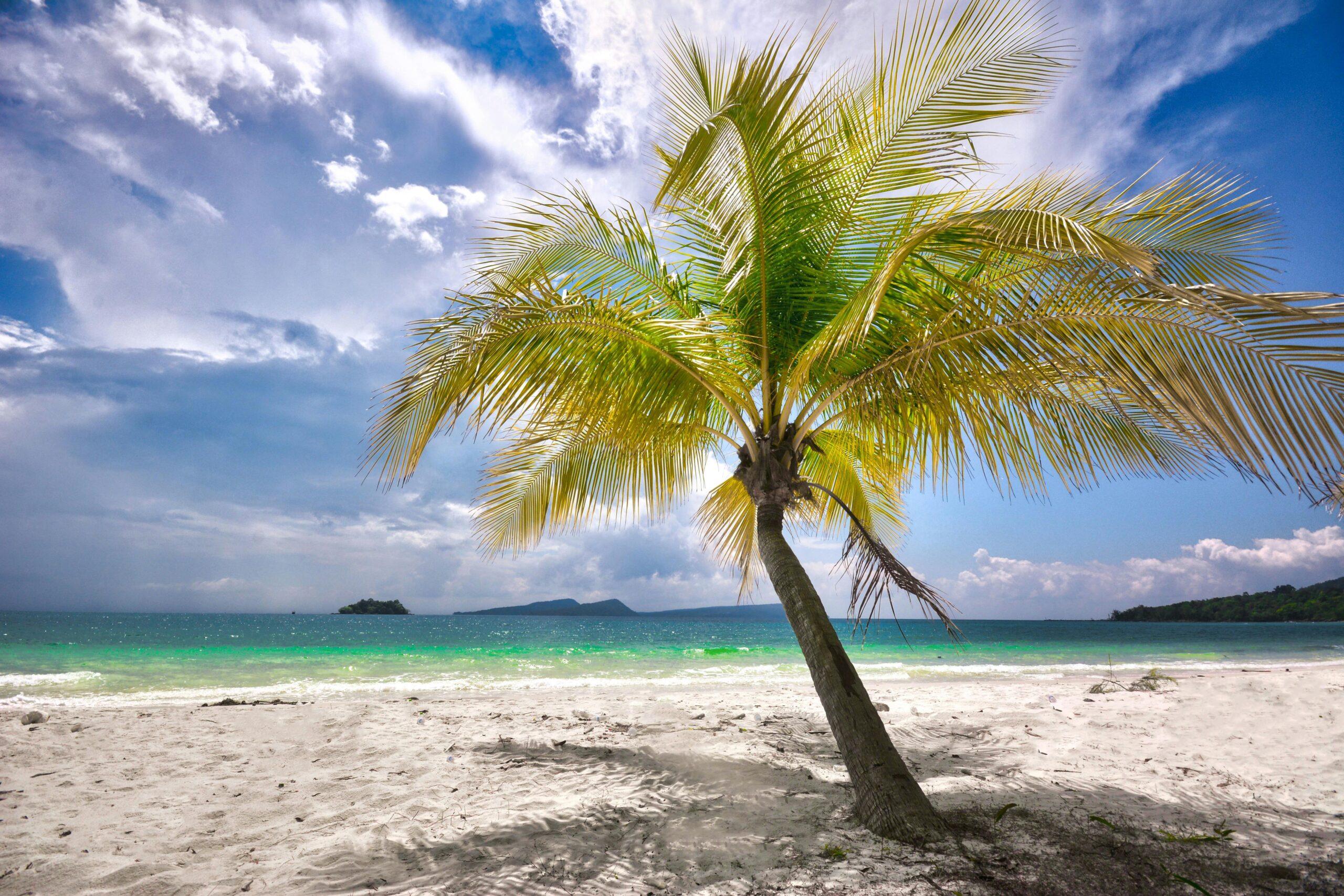
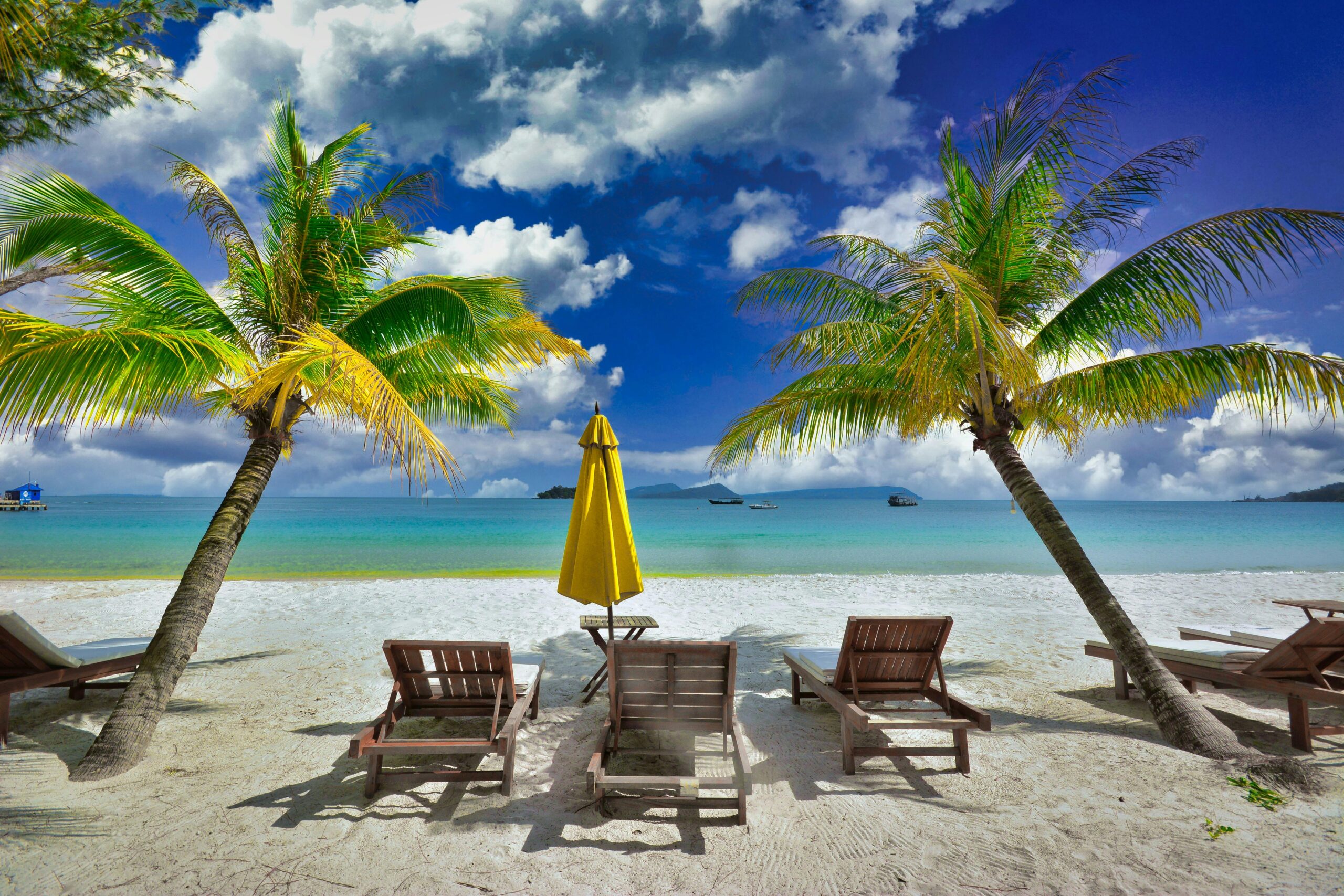
Beaches on the Koh Rong islands vary from long, uninterrupted strands to small, palm-backed coves. Popular beach names repeat across travel guides; what matters is the atmosphere you prefer and the type of accommodation you want. If you’re searching for a range of hotel and bungalow options, a good first stop is to compare available rooms on established booking platforms before finalizing dates.
Many visitors research koh rong beach resorts cambodia to find beachfront rooms, family bungalows and boutique eco-lodges. Options range from simple, rustic huts with shared bathrooms to mid-range beachfront resorts offering private bungalows, restaurants and basic water-sport rentals. If you want to confirm availability and compare traveler reviews, booking sites show up-to-date listings and filters for location, price and amenities. You can see a broad selection on the official region pages at Booking’s Koh Rong listings.
Sample accommodation choices by style:
- Budget bungalows — Rustic, often open-air structures a short walk from the sand; ideal for backpackers and budget-minded travelers who spend most of their time outdoors.
- Mid-range beachfront resorts — Private bungalows or rooms with ensuite bathrooms, on-site dining and basic water-sport options; good for families and couples who want comfort without a big price tag.
- Eco-lodges and glamping — Smaller operations emphasizing local materials, low-impact design and nature activities; these suit travelers who prioritize sustainability.
- Upscale private villas — Limited in number on the islands; expect higher cost in exchange for privacy, services and prime beachfront locations.
Tip: During high season, popular beachfront spots fill quickly. Booking at least a few weeks ahead secures better rooms and often better prices. If you prefer flexibility, many island properties accept walk-in guests during quieter months but carry limited availability.
Getting there, island hopping and practical travel tips
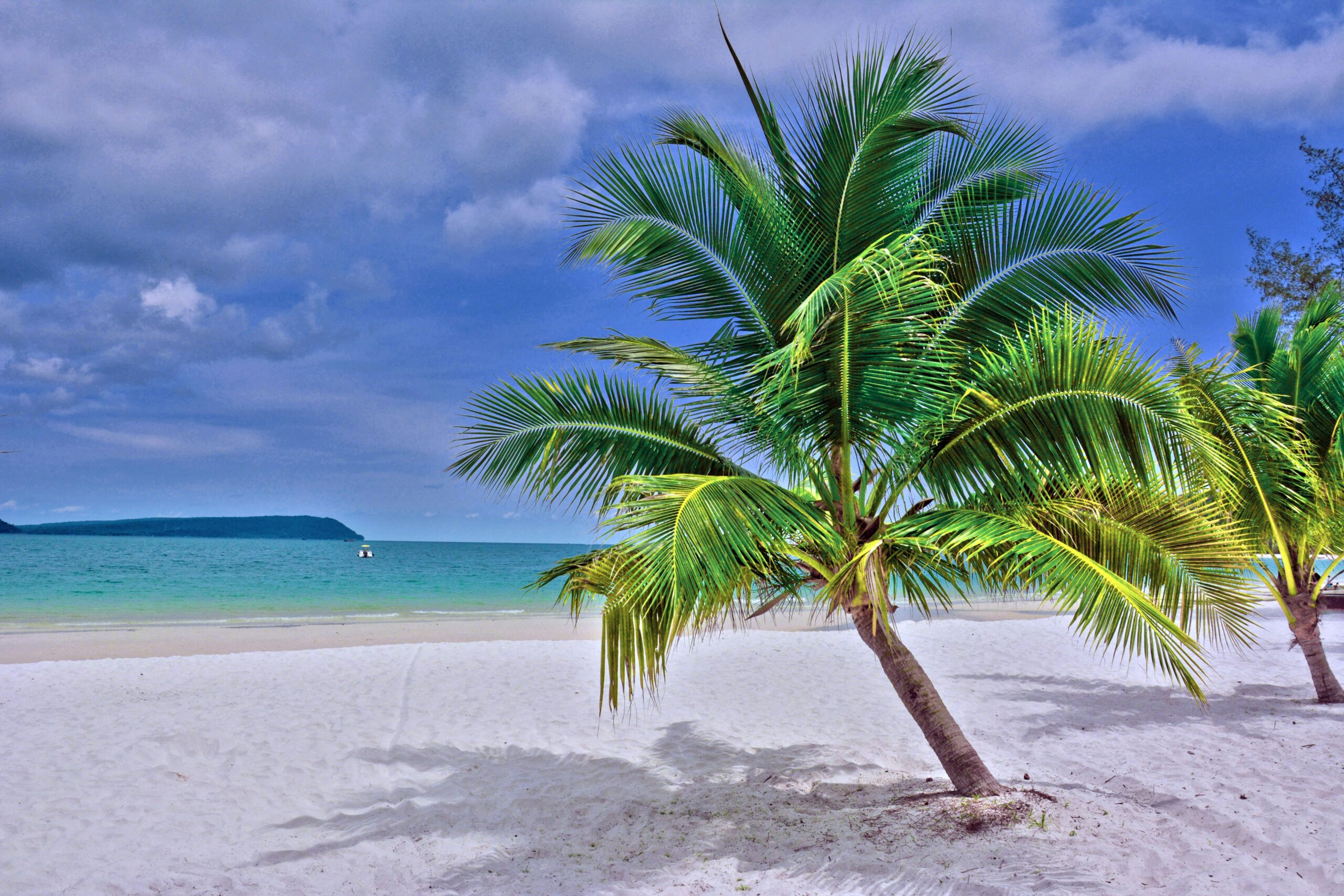
Most travelers reach Koh Rong by ferry from Sihanoukville. High-speed ferries and slower passenger boats both run regular schedules during the high season; travel times vary from about 30 minutes to 90 minutes depending on the service and the island you’re visiting. Ferry schedules change seasonally, so check current timetables before traveling.
For official guidance on travel logistics, local updates and tourism policies, check the Cambodia Tourism Authority’s website for current notices and recommended arrival routes: Cambodia Tourism Authority.
Island-hopping is simple because local boat operators run short transfers between Koh Rong and Koh Rong Samloem and offer half-day snorkeling trips to nearby islets. When arranging private or group boat trips, confirm what’s included (fuel, snorkel gear, safety equipment) and ask for a clear itinerary and price in advance.
Practical tips to make your trip smoother:
- Carry enough Cambodian riel or US dollars in small bills; many island vendors are cash-only and ATMs are limited.
- Download ferry schedules or take screenshots of operator contact numbers — mobile data can be spotty on the islands.
- Bring reef-safe sunscreen and biodegradable toiletries to protect coral and local marine life.
- Pack insect repellent and a basic first-aid kit; medical facilities on the islands are limited, and serious cases require transfer to the mainland.
- Respect local rules about waste disposal and avoid single-use plastics when possible.
| Island | Best for | Access | Typical accommodation |
|---|---|---|---|
| Koh Rong | Long beaches, mix of nightlife & quiet stretches | Frequent ferries from Sihanoukville; main pier | Budget bungalows to mid-range resorts |
| Koh Rong Samloem | Quiet bays, calm snorkeling, relaxed pace | Regular ferry connections; Saracen Bay main landing | Eco-lodges, beachfront bungalows |
| Nearby islets | Snorkeling stops, day trips, private picnics | Short boat trips from either main island | No accommodation or very basic structures |
Combine planning with a flexible schedule: weather windows and sea conditions can alter travel and boat availability, especially during the monsoon season. Allow extra time if you need to make connecting ferries or catch return transport to the mainland.
Activities and experiences to prioritize
The islands offer a compact set of experiences that suit different interests. Below are the activities most travelers look for when they choose the best islands in Koh Rong for their trip:
- Snorkeling and diving — Coral gardens and rocky outcrops around the archipelago make for good beginner and intermediate snorkeling. Dive centers operating from the islands and the mainland provide certified courses and guided dives to nearby reefs.
- Bioluminescent plankton — On moonless nights, boat trips or swims in certain bays reveal glowing plankton movements. Ask local operators about the best times and locations; it is weather-dependent but often described as a highlight.
- Beach walking and sunsets — Long Beach on Koh Rong is ideal for extended walks; Samloem’s Saracen Bay offers tranquil sunset views with fewer crowds.
- Short hikes and jungle exploration — Trails connect beaches and viewpoints; some climbs reward visitors with panoramic views across the archipelago. Always bring water and insect protection, and avoid hiking after heavy rain.
- Kayaking and paddleboarding — Calm bays on Koh Rong Samloem are perfect for paddle sports; many resorts rent kayaks for a few hours or full days.
- Local culture and village visits — Visiting fishing villages and local markets offers context about island life and traditional livelihoods. Be respectful when photographing and interacting with residents.
If you have time, schedule a mix of active and relaxed days: snorkeling in the morning, an afternoon nap in a hammock, and a short evening stroll before dinner creates an easy island rhythm that many travelers enjoy.
Sustainable travel, safety and community considerations
The islands’ environments are sensitive, so travelers should aim to minimize their footprint and support local communities directly when possible. Good practices include avoiding single-use plastics, using reef-safe sunscreens, and patronizing local eateries and guides.
Health and safety basics:
- Tap water on many islands is not potable; drink bottled or treated water provided by your accommodation.
- Keep copies of important documents and a list of emergency contacts, including boat operators and mainland medical facilities.
- Night swimming can be magical but carry a flashlight and stay close to shore if you’re unfamiliar with local currents.
- Respect marine life — do not touch or stand on coral, and be cautious when encountering larger animals.
Supporting local businesses directly — for example by booking tours and meals with community-run operations — helps ensure tourism benefits island residents. Many smaller accommodations and tour operators rely on regular visitor income to sustain local services and conservation efforts.
FAQs
Which island should I pick for quieter beaches?
Koh Rong Samloem is generally the quieter option with calm bays and fewer party venues, making it a popular choice for travelers seeking relaxed beaches and good snorkeling close to shore.
How long should I stay to enjoy Koh Rong properly?
A stay of three to five nights lets you experience one of the main islands at a relaxed pace, fitting in a snorkeling trip, a short hike, and downtime on multiple beaches. Shorter stays can work if you prioritize one or two activities.
Are there many options for accommodation on the islands?
Yes — accommodation ranges from basic beachfront bungalows to mid-range resorts and a few eco-focused lodges. If you want a specific room type or beachfront location during the high season, book in advance.
Is it safe to swim at night to see bioluminescence?
Night swimming to view bioluminescent plankton can be safe when done with a local operator or with companions who know the area. Avoid strong currents and stay near familiar shores; follow advice from your accommodation or boat operator.
Can I island-hop easily between Koh Rong and Koh Rong Samloem?
Yes — local boat services and private operators run short transfers between the two islands. Confirm schedules and arrange pick-up points in advance, especially when traveling during shoulder season or rough seas.
Conclusion
Choosing the best islands in Koh Rong depends on whether you favor wide, lively beaches or sheltered, tranquil bays. Koh Rong delivers varied beachscapes and social scenes, while Koh Rong Samloem leans toward quieter, more sheltered beach experiences. Short boat trips reveal tiny islets and excellent snorkel spots that can be included on day excursions.
Plan your trip around weather and ferry schedules, book accommodations that match your comfort level, and follow local guidance to protect fragile marine ecosystems. With a mix of careful planning and openness to island time, the Koh Rong archipelago offers memorable beaches, clear waters and easy access to Cambodian coastal life.