Deciding the best time to visit Cambodia depends on what you want to see and do: temples at sunrise, river life on Tonlé Sap, tropical beaches, or lively festivals. This guide, based on official climate data and tourism board information, explains seasonal patterns and gives a month-by-month breakdown so you can plan the ideal trip to Cambodia.
Below you will find a clear overview of Cambodia’s climate, regional variations, practical packing and travel tips, recommended activities by season, and a concise comparison table to help you choose travel dates. Use this Cambodia weather by month travel guide to match weather expectations with your travel priorities.
Understanding Cambodia’s climate
Cambodia has a tropical monsoon climate with two main seasons: a distinct dry season (roughly November to April) and a wet season (May to October). Temperatures remain warm year-round, but humidity and rainfall vary widely. Average daytime highs commonly range from the mid-20s to low-30s °C (mid-70s to high-80s °F), and nighttime temperatures cool slightly in the dry season, especially December–January.
Key climate drivers are the southwest and northeast monsoons. The southwest monsoon (May–October) brings heavy rains and higher humidity, while the northeast monsoon (November–April) ushers in drier air and clearer skies. That simple pattern shapes travel conditions: clearer sights and easier transport in the dry season, more dramatic greenery and lower prices during the wet season.
When to go: best windows and what to expect
The most popular window to visit Cambodia is November through February when the weather is cooler, drier, and more comfortable for outdoor activities such as temple visits, city walks, and boat trips on Tonlé Sap. This is peak travel season, so expect higher prices and larger crowds at major sites like Angkor Wat.
March and April are hotter and sunnier; these months offer good skies for photography but can be very warm inland, especially in Siem Reap and Phnom Penh. If you can handle heat, March–April provide fewer tourists than December and often better hotel availability.
The wet season (May–October) brings frequent showers and greener landscapes. Heavy rains can occasionally disrupt rural roads, but showers are often intense and brief. The wet season can be an excellent time for budget travel, birdwatching, and seeing the Angkor complex framed by dramatic monsoon clouds.
Cambodia weather by month travel guide
Below is a practical month-by-month guide that focuses on typical temperatures, rainfall trends, and travel tips. Keep in mind that climate varies by year, and short-term weather can deviate from averages.
January — Weather: Coolest month with low rainfall. Daytime highs around 28–30°C (82–86°F) and comfortable nights. Travel tips: Great month for sightseeing and outdoor activities; expect crowds at major attractions and peak accommodation rates.
February — Weather: Dry with gradually warming temperatures. Daytime highs in the high 20s to low 30s°C. Travel tips: Ideal for temple sunrise visits and exploring Phnom Penh; air quality and visibility are usually good.
March — Weather: Transition to hotter temperatures; rainfall still low. Daytime highs often climb above 32°C (90°F) in many inland areas. Travel tips: Plan early-morning activities and stay hydrated; consider coastal destinations for cooler sea breezes.
April — Weather: Hottest month as the dry season ends. Expect hot, sunny days and a build-up to monsoon humidity. Travel tips: Khmer New Year (usually mid-April) is a major cultural event and a lively time to visit, though transport and hotels can be busy.
May — Weather: Start of the wet season; rainfall increases and humidity rises. Storms are often afternoon downpours rather than all-day rain. Travel tips: Fewer tourists and lower prices; roads in remote areas may become slippery after heavy rain.
June — Weather: Rain becomes more frequent; the landscape turns lush. Daytime temperatures moderate slightly, but humidity remains high. Travel tips: Boat travel on Tonlé Sap becomes vibrant as water levels rise—great for ecology-focused trips.
July — Weather: Peak wet season with substantial rainfall, though showers tend to be intense and short. Travel tips: Consider boat-based excursions and be flexible with inland travel plans because heavy rains can affect rural road access.
August — Weather: Rain and humidity continue; skies can still clear for long stretches. Travel tips: Good time for quiet temple visits and cultural experiences; camera gear should be protected from sudden downpours.
September — Weather: High rainfall month for many locations; rivers rise and the countryside is at its greenest. Travel tips: Avoid low-lying roads after heavy rain, but consider wildlife and river tours when water levels are high.
October — Weather: Transition out of the wet season with decreasing rainfall late in the month. Travel tips: The landscape remains lush, and mid-to-late October often offers dramatic skies and fewer crowds than the dry season.
November — Weather: Start of the dry season with rapidly improving skies and lower humidity. Daytime temperatures remain warm; nights are comfortable. Travel tips: Excellent month for travel—good weather, opening of the high season.
December — Weather: Dry, cool, and pleasant with clear skies and low humidity. Travel tips: Peak tourist month with festival activity and high hotel demand; book well in advance if traveling over holidays.
Regional weather differences and travel implications
Climate varies across Cambodia’s regions. Coastal areas benefit from sea breezes and slightly cooler conditions, while inland plains around Siem Reap and Phnom Penh experience higher daytime temperatures and greater humidity in the pre-monsoon months.
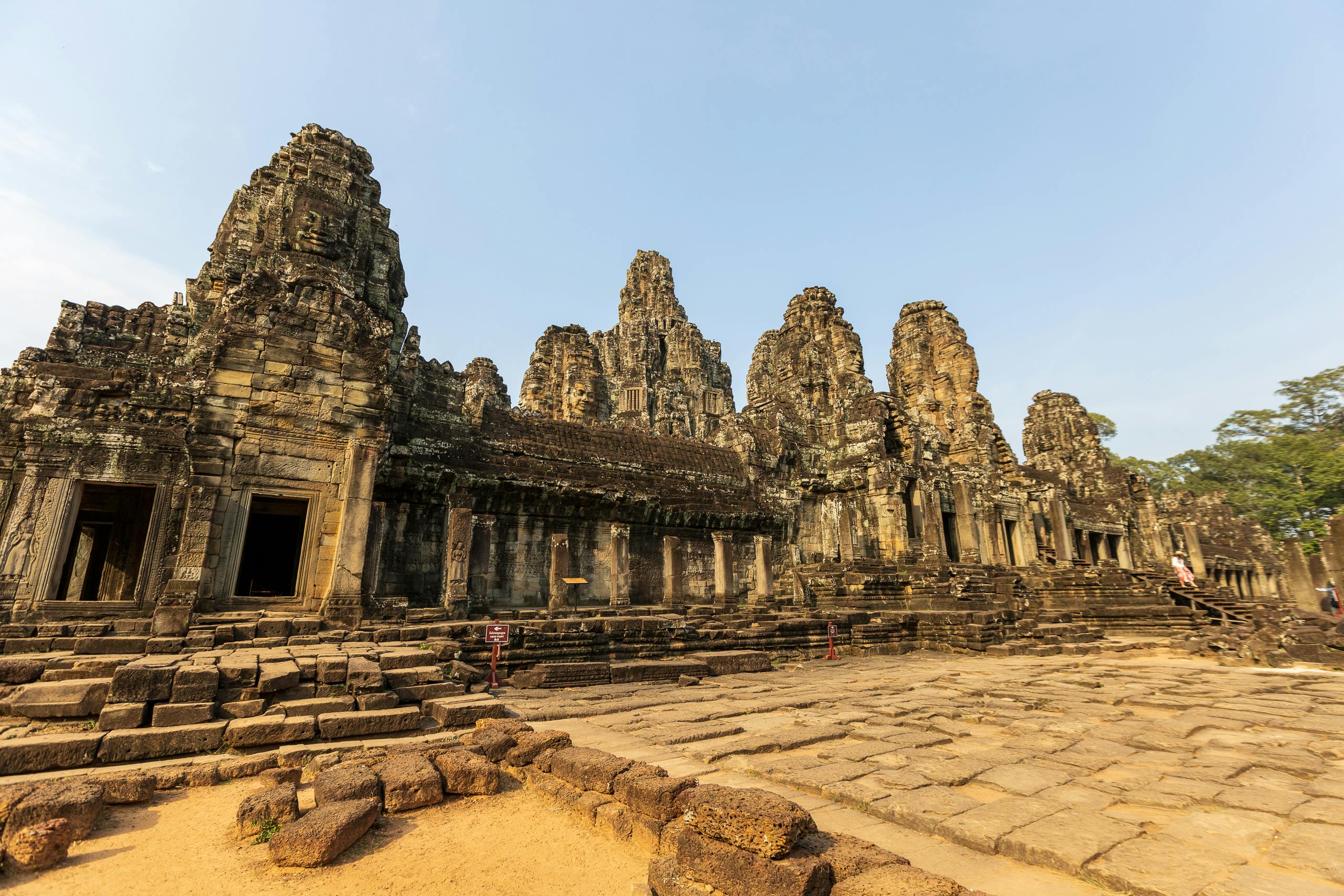
- Siem Reap and Angkor: Hot in March–April, comfortable November–February. Heavy rains in the wet season can make some temple tracks muddy but create spectacular reflections in temple ponds and flooded rice fields.
- Phnom Penh: City heat is most notable in March–April. The dry season is pleasant for riverside walks; the wet season offers cooler temperatures but higher humidity.
- Sihanoukville and coastal islands: Best visited during the dry season (December–March) for calm seas and clear diving conditions. The wet season can bring rough seas and reduced visibility for snorkeling and diving.
- Kampot and Kep: These southern regions are slightly cooler at night and offer excellent pepper farm visits and coastal day trips; avoid heavy rain periods if planning mountain hikes in the Bokor area.
- Cardamom Mountains: Rainforest areas remain wet for much of the year—bring waterproof gear. Peak river levels during the wet season make boat access easier to some jungle lodges.
Practical travel tips by season
Packing and planning differ depending on the season you choose. In the dry season, prioritize sun protection, lightweight breathable clothing, and a light layer for cooler evenings. During the wet season, bring a reliable rain jacket, quick-dry garments, water-resistant footwear, and protective covers for electronics.
If you prefer lower prices and fewer tourists, travel in the shoulder seasons (April–May and October–November). However, be mindful that mid-April is Khmer New Year, a culturally significant time when domestic travel spikes and many businesses close for celebrations.
Accommodation availability and travel deals vary by season. For high-season bookings, reserve hotels and guided tours well in advance; for wet-season travel, inquire about flexible cancellation or change policies. You can search accommodations and compare options with online booking platforms when planning your itinerary; for convenience, consider using search accommodations on Booking to check current availability and rates.
Health and safety tips: stay hydrated, use sunscreen and insect repellent, and be cautious with street food if you have a sensitive stomach. If traveling during heavy rains, allow more time for road transfers—some rural roads can be impassable after sustained downpours.
Best activities and where to plan them by season
Matching activities to the season enhances your trip. Temple photography and sunrise visits at Angkor are most comfortable in the dry season; expect crisp morning light and clearer heavens. However, if you aim for dramatic skies and fewer people, consider the shoulder months when heat is rising but heavy rain has not yet begun to dominate.
- Dry season (Nov–Feb): Angkor temples, Phnom Penh walking tours, coastal beach days, and river cruises. Best visibility for aerial photography and clear sunsets.
- Hot season (Mar–Apr): Early starts to avoid midday heat; enjoy fewer crowds at attractions and attend Khmer New Year festivities for cultural immersion.
- Wet season (May–Oct): Birdwatching, lush countryside photography, boat excursions on Tonlé Sap, and lower-cost travel. Ideal for ecological tours and visiting national parks when wildlife is active.
- Late wet / early dry (Oct–Nov): Rice harvest season and dramatic landscapes; excellent for landscape photography and cultural experiences tied to rural life.
Comparison table: seasons at a glance
| Season | Months | Typical Weather | Pros | Cons | Recommended Activities |
|---|---|---|---|---|---|
| Dry (Peak) | Nov–Feb | Low rainfall, mild temperatures, low humidity | Best sightseeing conditions, clear skies | Highest prices, more tourists | Angkor visits, city tours, beaches |
| Hot (Shoulder) | Mar–Apr | Hot, increasing humidity, little rain | Fewer crowds than peak, cultural festivals | Very hot midday temperatures | Early-morning temple visits, coastal retreats |
| Wet (Green) | May–Oct | Frequent rain, high humidity, lush landscapes | Lower prices, dramatic scenery, active wildlife | Potential travel disruptions, muddy rural roads | Boat tours, wildlife, off-season travel deals |
Planning logistics and festival calendar
When planning, factor in national holidays and festivals. Khmer New Year in April is widely celebrated with family gatherings, water games, and temple offerings. Pchum Ben (ancestor commemoration) in September or October is a solemn time when locals visit pagodas—travelers can witness strong cultural traditions if they visit respectfully.
Transportation is seasonal: overland bus and taxi services operate year-round, but small unsealed roads and some rural areas are more challenging during and immediately after heavy rains. Domestic flights between Phnom Penh, Siem Reap, and Sihanoukville can be reliable options when ground transport is affected by seasonal weather.
For up-to-date hotel availability and to compare lodging options across Cambodia’s regions, many travelers use online booking tools to view real-time prices and reviews; to browse current hotel options use find hotels and guesthouses.
FAQs
What is the best month to visit Cambodia for comfortable weather?
December and January typically offer the most comfortable weather with cool, dry conditions and low humidity—ideal for temple visits and city sightseeing. These months are peak season, so expect higher prices and more visitors at popular attractions.
Is Cambodia very rainy during the wet season?
Yes, the wet season (May–October) brings frequent rainfall, but showers are often intense and short-lived rather than constant all day. Rainfall patterns can include heavy afternoon or evening storms, while mornings may still be clear for activities.
Can I visit Angkor during the rainy season?
Absolutely. Angkor in the rainy season can be quieter and greener, with fewer tourists and striking reflections in temple moats and rice paddies. Be prepared for muddy paths and bring waterproof footwear and protective camera gear.
Are Cambodia’s beaches affected by the monsoon?
Coastal areas and islands have calmer seas and clearer diving/snorkeling conditions during the dry season (December–March). The wet season can bring rougher seas and lower underwater visibility, so check sea conditions and local ferry schedules if planning island trips.
How should I pack for a trip that spans both dry and wet seasons?
Pack lightweight, breathable clothes and strong sun protection for dry-season days, plus a lightweight rain jacket, quick-dry layers, and waterproof bags for electronics for any wet-season travel. A small first-aid kit and good insect repellent are useful year-round.
Conclusion
Choosing the best time to visit Cambodia comes down to your priorities: travel in the dry season (November–February) for the most comfortable weather and best temple conditions; choose the shoulder months if you want fewer crowds or cultural festivals; and consider the wet season for lower prices, lush landscapes, and unique wildlife and river experiences. Use the month-by-month guide above to match travel plans to expected weather, and allow extra flexibility if traveling during the rainy months.
For lodging and up-to-date availability as you finalize travel dates, check current options and book accommodations in advance where possible to get the best selection for your preferred season and region.