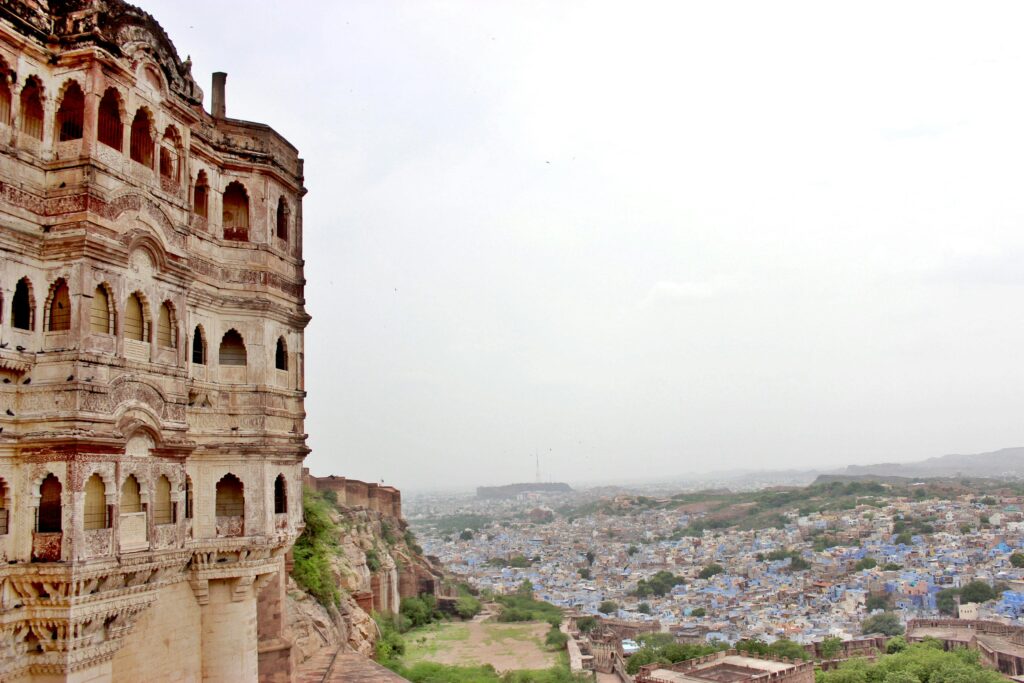
Choosing the best time to visit Rajasthan depends on what you want to see and do: desert festivals, royal palaces, wildlife safaris or off-season solitude. This guide uses official climate data and tourism board information to explain seasonal patterns, month-by-month conditions, and practical travel advice so you can plan with confidence.
Rajasthan’s climate varies widely across its large area, from arid desert in the west to hill stations in the south and southeast. Read on for a detailed, month-by-month travel guide and regional recommendations that match weather, events and travel logistics to the type of trip you prefer.
Rajasthan climate overview
Rajasthan experiences three main seasons: cool winter (November–February), hot summer (March–June) and monsoon (July–September). Winters bring clear skies and comfortable daytime temperatures, making them the most popular months for tourists. Summers can be extreme in the Thar Desert and central plains, with temperatures often exceeding 40°C (104°F). The monsoon offers relief from the heat in some parts, but rainfall is uneven and typically light compared to the Indian east coast.
Official climate records show that average temperatures and rainfall vary considerably by location. Coastal-style humidity is generally low, except during the brief monsoon, so daytime heat often feels drier than in humid tropical climates. Night temperatures can drop sharply in desert areas during winter, so seasonal layering is important for comfort.
When is the best time to visit Rajasthan?
For most travelers, the best time to visit Rajasthan is between October and March. During these months the weather is cooler and more comfortable for sightseeing, heritage walks, desert outings and outdoor festivals. Popular cities such as Jaipur, Udaipur and Jaisalmer are lively, and many cultural events take place in this window.
If your priority is desert experiences, late autumn to early spring is ideal for camel safaris and star-filled nights. If you prefer quieter travel with lower prices and fewer tourists, shoulder months (September and March) can offer pleasant conditions with the benefit of reduced crowds and better availability for accommodation and tours.
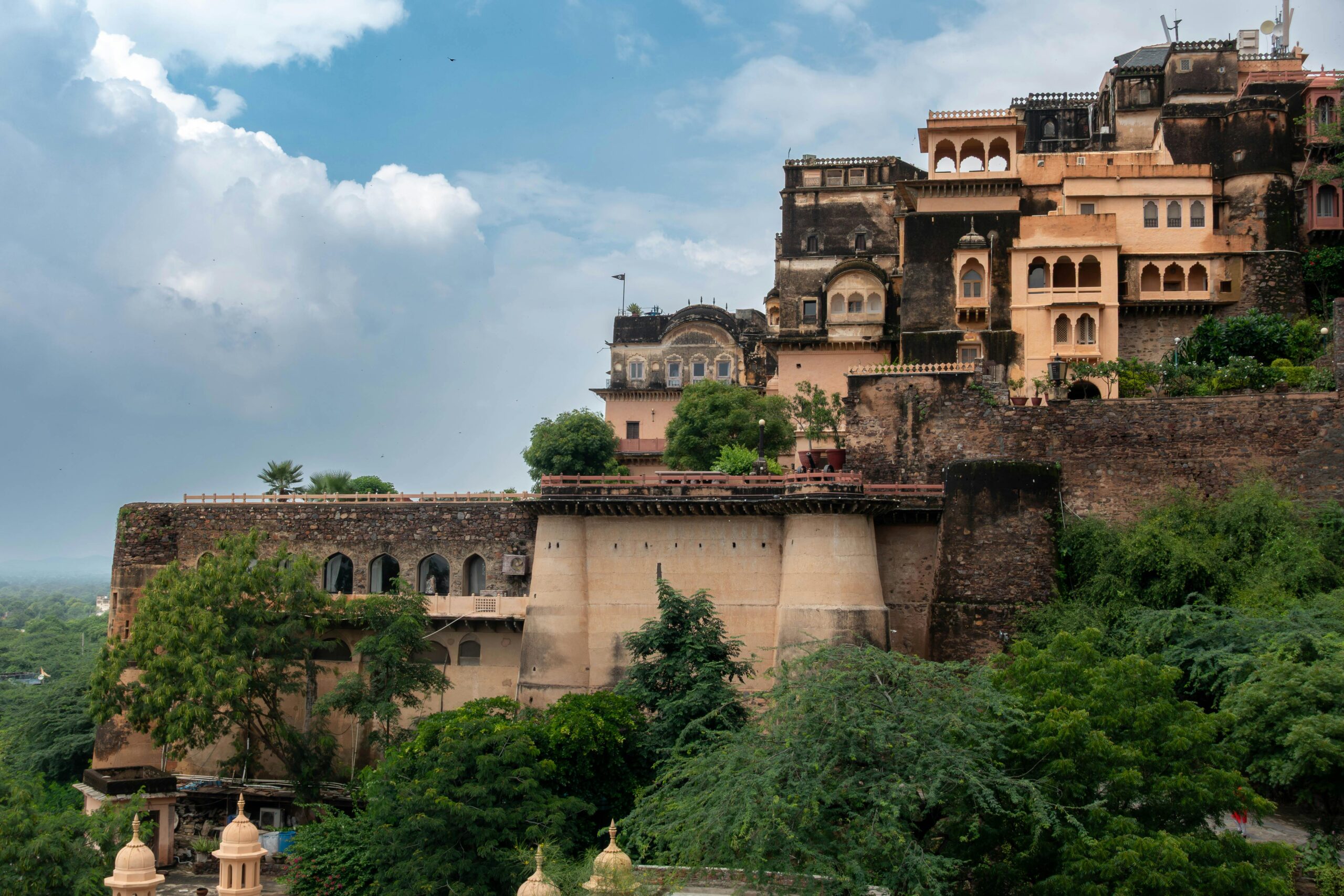
Rajasthan weather by month travel guide
This month-by-month travel guide outlines typical weather, crowd levels and recommended activities so you can match your itinerary to the season. Data is summarized from official climate reports and state tourism sources to provide realistic expectations.
January — Winter is in full swing. Daytime temperatures are mild (15–25°C in central and eastern regions) and nights can be cold, especially in desert locations where temperatures may fall below 5°C. Ideal for palace tours, heritage hotels and desert camping. Peak tourist season with higher prices in popular towns.
February — Similar to January but gradually warming. This is a great month for festivals, outdoor cultural events, and wildlife spotting in state reserves and sanctuaries. Comfortable for walking tours and photography thanks to clear skies and stable conditions.
March — Transition to hotter weather begins. Daytime highs rise, especially later in the month. Early March remains comfortable for travel; by late March, outdoor activities in daytime heat become more strenuous. Consider morning and evening excursions and reserve central air-conditioned transport for midday travel.
April — Temperatures climb quickly, often above 35°C in many cities. Travel is still possible with adjustments: early starts, siestas, and air-conditioned transfers. Desert areas become very hot and are best avoided for daytime activity. Some travelers prefer the quieter streets and off-season prices this month offers.
May — One of the hottest months. Expect prolonged heat, particularly in the Thar Desert and western plains. If you travel in May, plan outdoor sightseeing for dawn and dusk, and prioritize hill stations like Mount Abu where conditions are cooler.
June — Pre-monsoon heat continues and humidity increases near the monsoon onset. The coastal and southern parts of Rajasthan around Mount Abu might see more relief. Many travelers choose to avoid the interior region in June due to intense heat.
July — Monsoon arrives in parts of Rajasthan, bringing scattered rains that cool the air. While precipitation is lighter here than in other Indian states, brief storms can improve temperatures and make the landscape greener, especially around Udaipur and the Aravalli ranges. Road travel can be affected by localized flooding in poorly drained areas.
August — Monsoon patterns continue with variable rainfall. The countryside looks refreshed, and rates at many hotels tend to be lower. This can be a rewarding time for travelers who prefer fewer crowds and don’t mind occasional showers.
September — Monsoon recedes and temperatures moderate. Late September is a pleasant shoulder month with comfortable days and a greener landscape before the dry winter season begins. Good time for photography and cultural visits.
October — The climate becomes comfortably cool and dry, marking the start of peak tourist season. Days are ideal for sightseeing and festivals begin to ramp up. Accommodation and tour operators start to fill up, so book in advance for popular events and weekends.
November — One of the best months to visit: clear skies, cool days and crisp nights. Excellent for desert camping, heritage tours and visiting hill stations. Cultural festivals and fairs are common, offering authentic regional experiences.
December — Winter sets in with cool days and chilly nights. Popular for festive travel and special winter programming in heritage hotels. Make packing plans for warm layers, particularly if you plan on overnight desert safaris or early-morning wildlife drives.
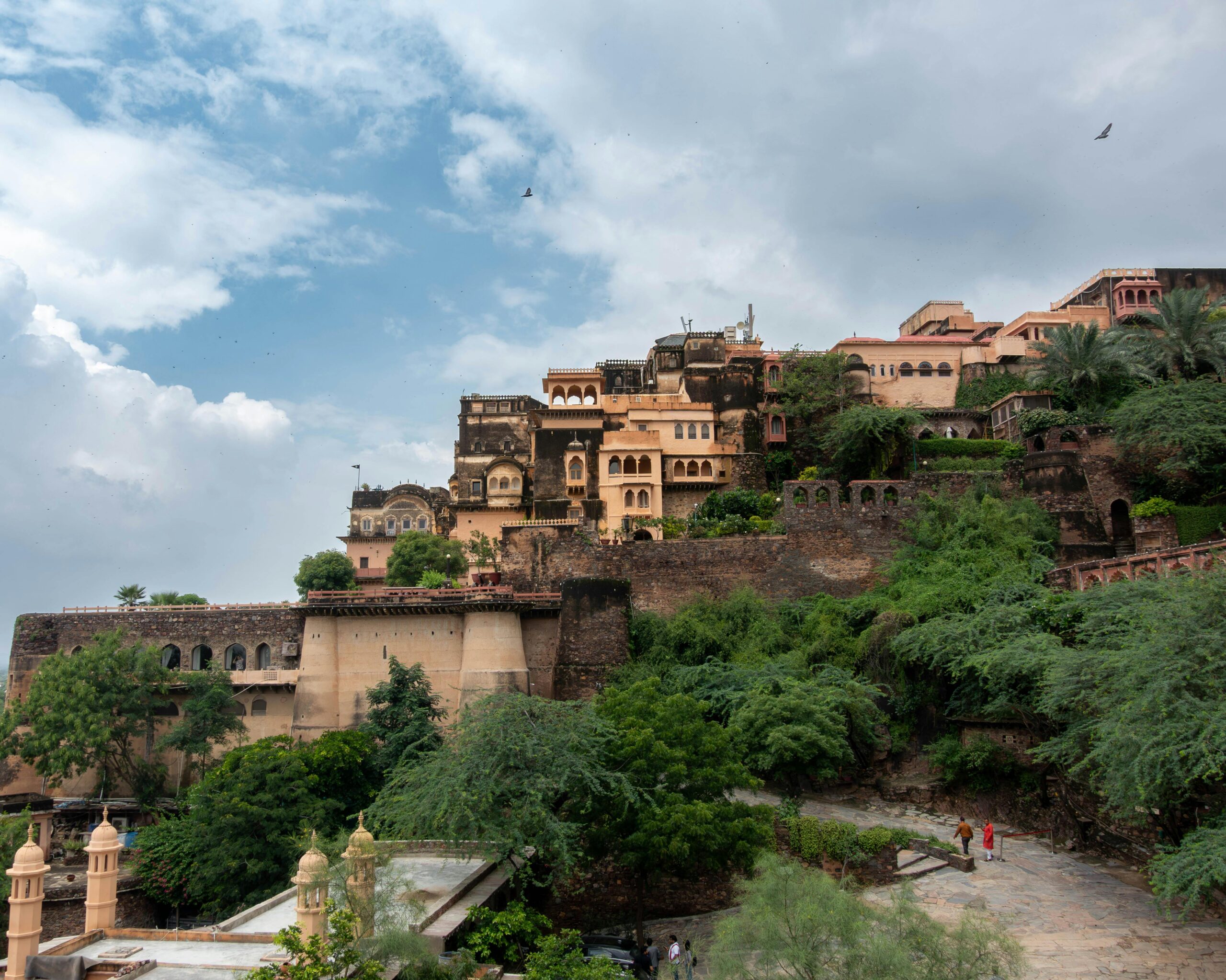
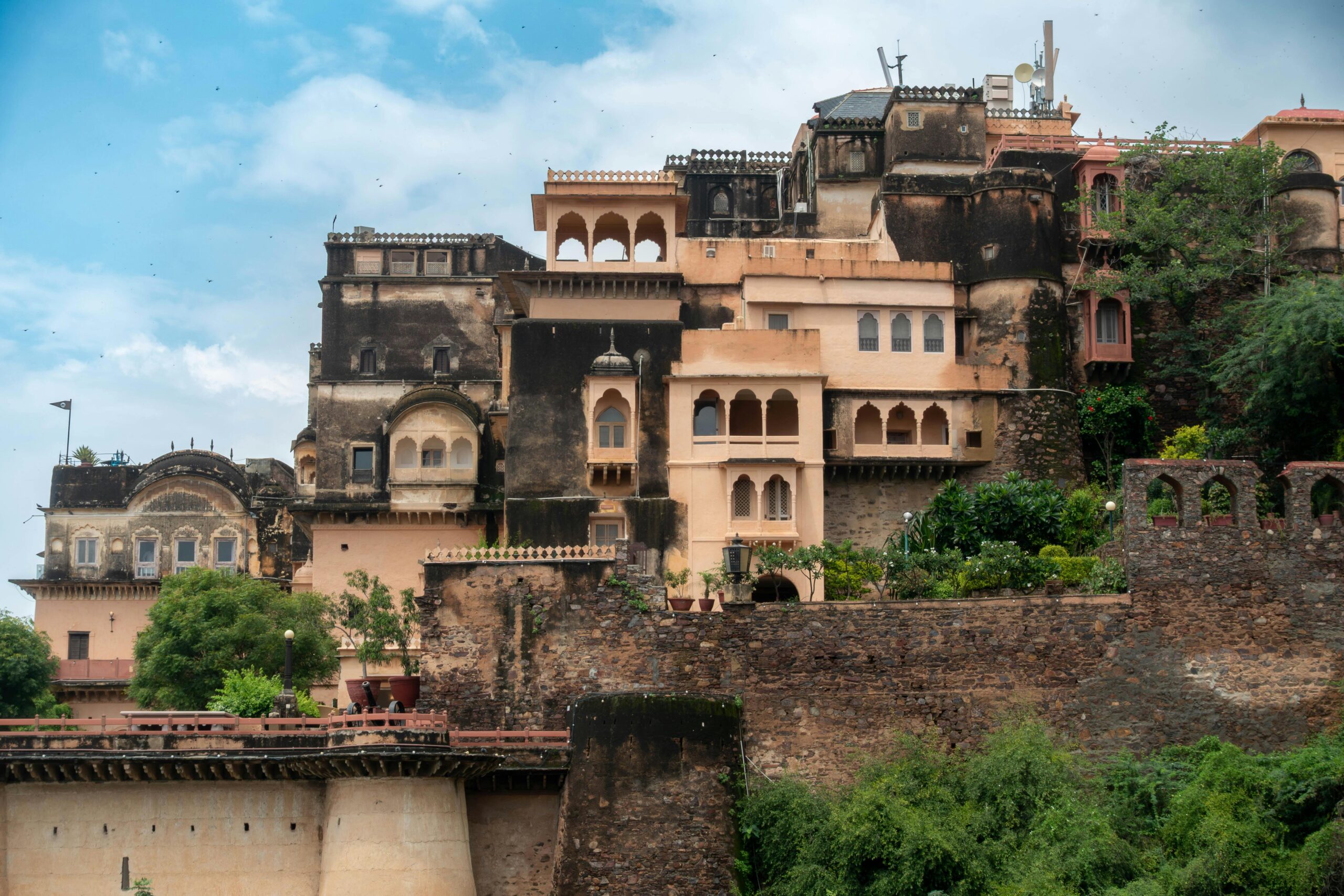
Regional differences and where to go by season
Rajasthan is large; weather patterns and attractions differ by region. Match destinations to seasons to get the best experience.
- Western Rajasthan (Jaisalmer, Barmer): Best from October to March for camel safaris and desert camping. Summers are extremely hot; monsoon has little impact here.
- Central plains (Jaipur, Bikaner, Jodhpur): Ideal October–March. Jaipur has year-round attractions, but cooler months make exploring palaces and bazaars more comfortable.
- Southern Rajasthan (Udaipur, Mount Abu, Chittorgarh): Udaipur is pleasant October–March and mildly enjoyable during monsoon when lakes fill. Mount Abu, as a hill station, is relatively cooler in summer and is a popular escape from interior heat.
- Aravalli hills and wildlife reserves (Ranthambore, Sariska, Keoladeo): Winter and early spring are best for safaris when wildlife is more active at water sources. Monsoon improves vegetation but can reduce sightings.
Consider travel time between these regions; internal transfers are most comfortable in the cooler months.
Festivals, events and practical travel tips
Rajasthan’s cultural calendar is rich, especially in the cooler months. Major events include the Pushkar Camel Fair (usually October/November), the Jaipur Literature Festival (January), Desert Festival at Jaisalmer (winter dates vary), and numerous district fairs tied to harvest cycles and religious calendars. Planning to attend a festival can greatly enhance your visit but requires early booking and flexible travel plans.
Booking accommodation ahead is especially important during peak festival season and the winter high season. For a wide range of hotel options and last-minute deals, check reliable booking platforms when planning stays in popular tourist hubs.
Browse accommodation options across Rajasthan
Packing and health tips:
- Winter (Oct–Feb): warm layers and a windproof jacket for desert nights; sun protection for daytime.
- Summer (Mar–Jun): breathable fabrics, sunhat, high-SPF sunscreen, electrolyte solutions and early-morning activity planning.
- Monsoon (Jul–Sep): light rain gear, waterproof bags for electronics, and flexible schedules for outdoor plans.
- Footwear: comfortable walking shoes for forts and city cobbles; closed shoes for wildlife areas.
- Hydration and food safety: drink bottled or treated water; prefer freshly cooked food and reputable eateries.
Comparison table: Seasons at a glance
| Season | Best months | Typical conditions | Recommended activities |
|---|---|---|---|
| Winter | Oct–Feb | Cool days, cold nights, dry | Palace tours, desert safaris, festivals, wildlife viewing |
| Summer | Mar–Jun | Hot to very hot, dry | Hill station visits (Mount Abu), early-morning sightseeing |
| Monsoon | Jul–Sep | Variable rainfall, greener landscapes | Photography, off-season travel, lower prices |
FAQs
What is the most comfortable month to travel across Rajasthan?
November through February generally provide the most comfortable daytime temperatures and clear skies for travel across most of the state. These months are especially suited to outdoor sightseeing, desert camping and attending festivals.
Can I visit Rajasthan during the monsoon season?
Yes. Monsoon (July to September) brings varying rainfall and greener landscapes in many parts of Rajasthan. It’s a quieter time with lower prices, but be prepared for occasional travel disruptions due to localized heavy rain and limited services in remote areas.
Is Rajasthan too hot to visit in April and May?
April and May are among the hottest months, especially in the Thar Desert and central plains. Travel is possible with planning—schedule outdoor activities early or late in the day, stay hydrated, and consider cooler destinations like Mount Abu or higher-elevation areas to escape peak heat.
When are the major festivals held in Rajasthan?
Major festivals cluster in the cooler months. Pushkar Camel Fair is usually October or November, Jaipur Literature Festival in January, and many local fairs occur between October and March. Exact dates change each year, so check local event calendars before planning travel.
How should I book accommodation and tours for a Rajasthan trip?
During peak season and for festival travel, book accommodation and major tours well in advance. For general planning and a wide selection of hotels across the state, online booking platforms offer user reviews and flexible options to compare locations and prices.
Compare hotels and read traveler reviews for Rajasthan
Conclusion
In short, the best time to visit Rajasthan for most travelers is October through March, when the climate is most favorable for sightseeing, outdoor events and desert experiences. If you prefer fewer crowds and lower prices, consider the shoulder months of September and March; if you want a green, quieter landscape and don’t mind occasional rain, monsoon months can be rewarding.
Use this guide alongside official climate data and local tourism advice to plan region-specific itineraries—matching destination choices to seasonal strengths will help you make the most of Rajasthan’s dramatic scenery, royal heritage and vibrant cultural life.