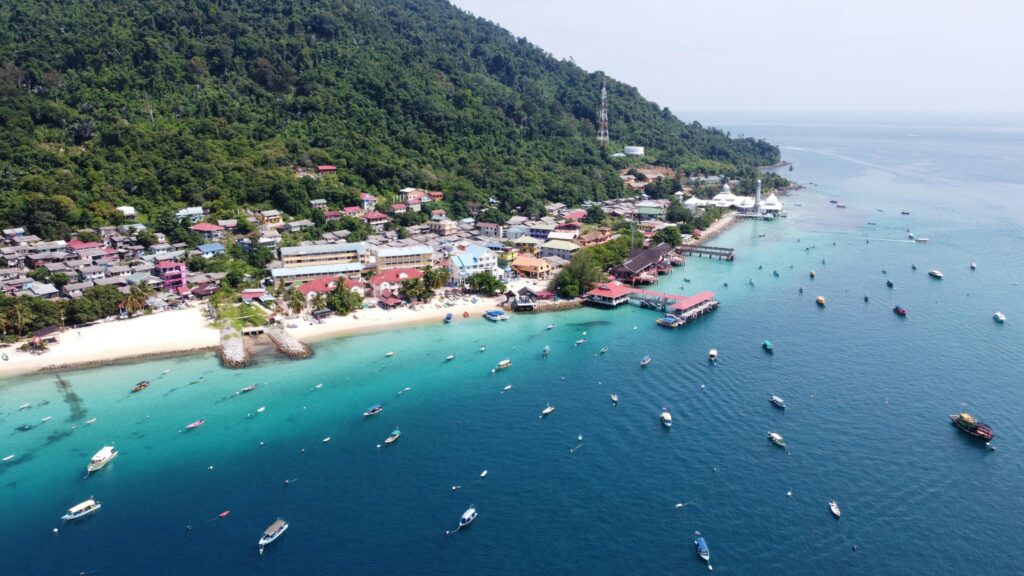
The best islands in Perhentian are a compact pair of emerald-splashed atolls off Malaysia’s east coast where powdery white sand meets some of Peninsular Malaysia’s clearest, teeming waters. Whether you are planning a snorkel-centric weekend or a longer beach-based escape, understanding which island and which shore suits your interests will shape the trip.
This guide covers island-by-island profiles, snorkeling and resort choices, practical arrival and conservation notes, and a comparison table to help you decide. It draws on regional listings and official tourism guidance so you can plan with confidence for a visit to the Perhentian Islands, Malaysia.
Quick overview: Perhentian Islands and what to expect
The Perhentian archipelago comprises two main inhabited islands — Perhentian Besar (Big) and Perhentian Kecil (Small) — plus several uninhabited islets. The islands are known for their soft sands, calm bays, and coral reefs that host colorful reef fish, sea turtles, and occasional reef sharks. Accommodation ranges from budget chalets and guesthouses to mid-range beach resorts geared toward divers and families.
Expect limited vehicle infrastructure; most movement happens by foot along sandy tracks or by boat between bays. Electricity can be limited in the low season on some parts of the islands, and resorts vary from basic to comfortable full-service properties. Planning around peak season and boat schedules will avoid surprises.
Getting there and best time to visit
Most visitors reach the Perhentian Islands from the northeast Malaysian state of Terengganu. The typical route is to fly or travel by long-distance bus to Kuala Terengganu or Kota Bharu, then continue by road to the departure jetties at Kuala Besut. From Kuala Besut the islands are a 30–60 minute boat ride depending on weather and the landing point.
Peak season runs from March to October when sea conditions are calmest and island services are in full swing. The monsoon closes many services from November to February; ferry schedules can be suspended. If you need to compare places to stay quickly, many travelers use online listings to check availability and guest reviews — it’s easy to search the current options on a trusted accommodation search site for Perhentian properties before you travel: search Perhentian hotels and resorts.
Island profiles: Perhentian Besar vs Perhentian Kecil
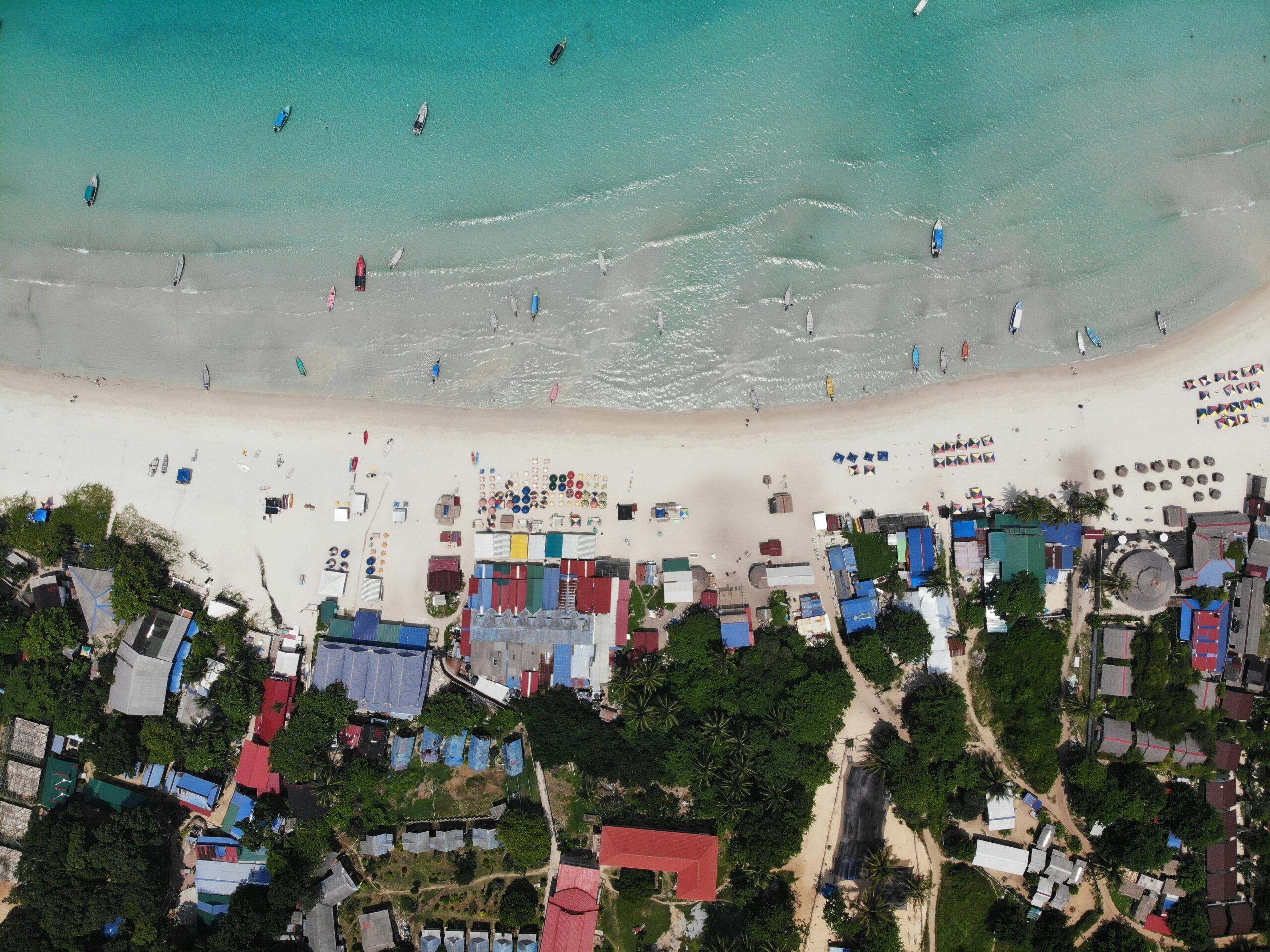
Choosing between Perhentian Besar and Perhentian Kecil depends mostly on the atmosphere you want. Perhentian Besar is quieter and family-oriented, with more resort-style accommodation and sheltered bays ideal for relaxed snorkeling and longer stays. Perhentian Kecil has a livelier backpacker and dive-community vibe, with budget options clustered near Long Beach and active nightlife during high season.
Both islands provide easy access to top snorkeling sites. Perhentian Besar tends to host a greater proportion of mid-range resorts offering guided snorkeling trips and dive centers, while Perhentian Kecil features simple beachfront huts beside popular swimming coves. If you plan to focus on diving and social evenings, Kecil can be ideal; for families or those seeking quieter beaches, Besar is usually the better choice.
Detailed island highlights and top beaches
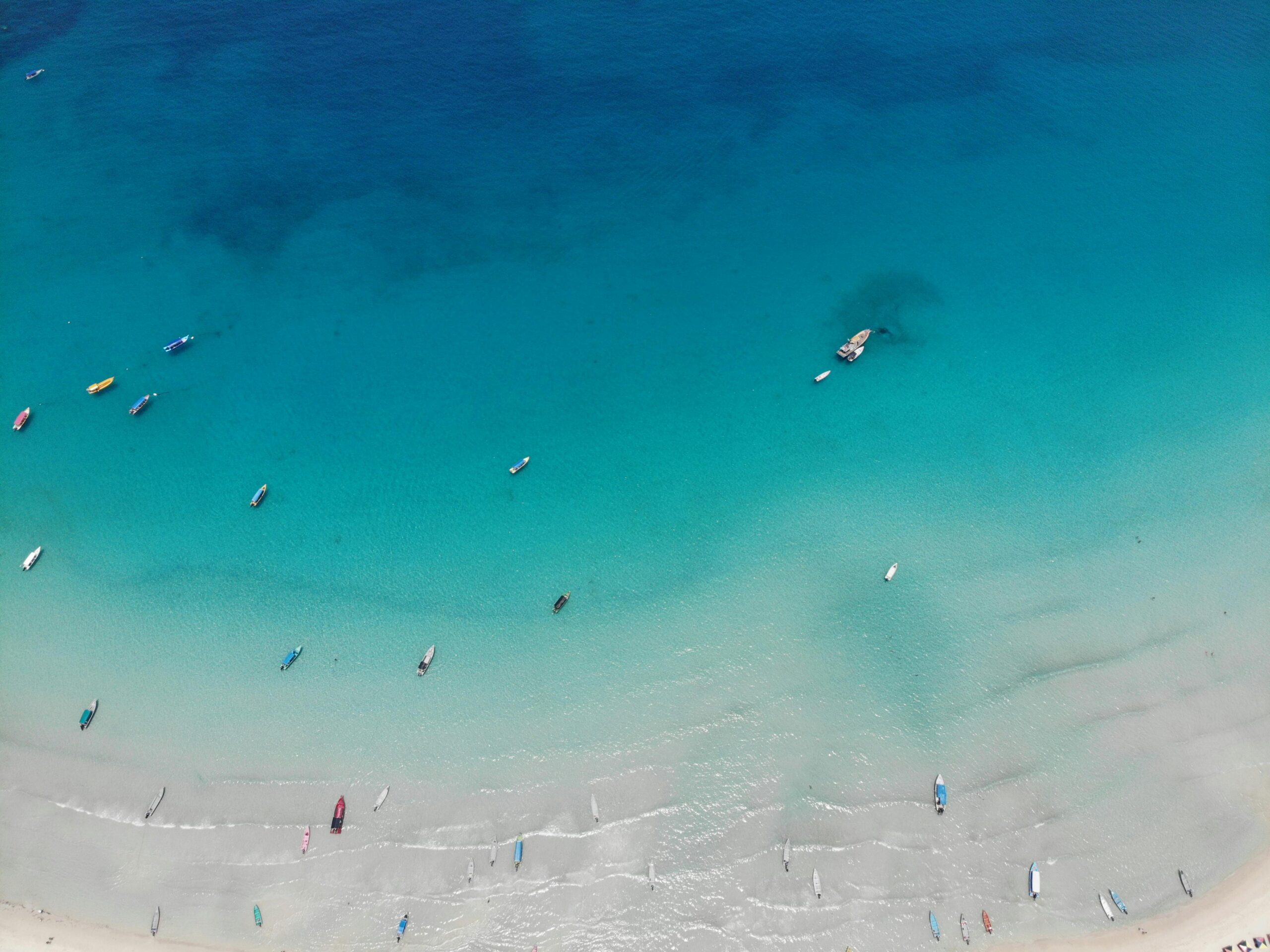
Key bays and beaches have distinct characters. Long Beach (Pantai Panjang) on Perhentian Kecil is the island’s most famous sand stretch — broad, lively, and dotted with eateries, dive shops, and budget accommodation. It’s the center for social activity and shore-based snorkeling right off the sand. Coral Bay on Kecil offers a more laid-back alternative, with smaller guesthouses and a quieter vibe.
On Perhentian Besar, Teluk Dalam and Teluk Keke are sheltered bays with powder sand and calm, shallow reefs for easy snorkeling. Turtle Bay (Teluk Kelah) and Romantic Beach are known for clear water and reef access, and some resorts operate house reefs that recover well when tourist numbers are managed. Boat trips to uninhabited nearby islets reveal secluded coves and excellent snorkeling walls.
Accommodation and perhentian island snorkeling resorts
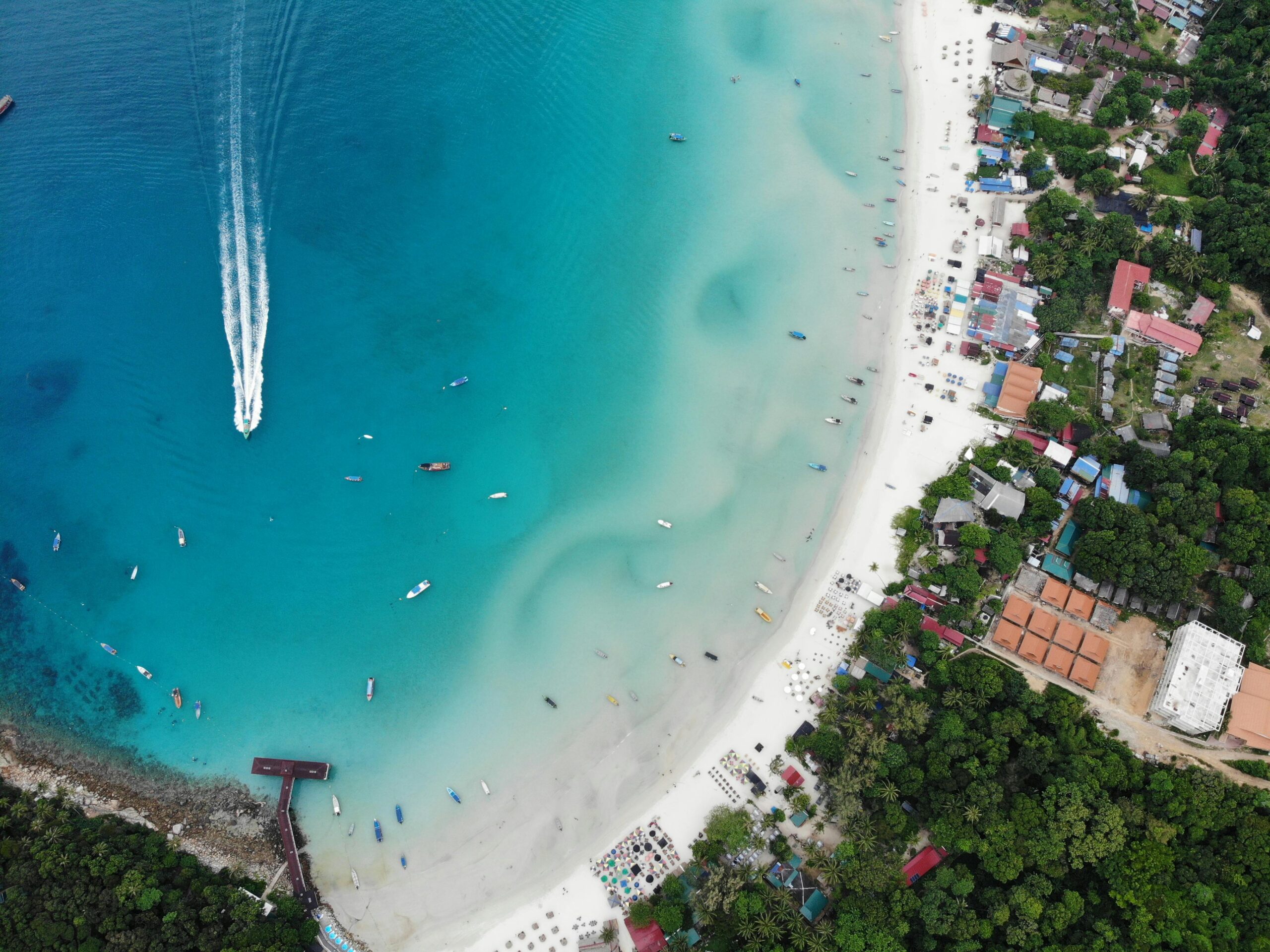
Resort choice often determines convenience to reefs and the type of snorkeling you’ll do. Many resorts on Perhentian Besar and Kecil arrange daily snorkeling trips to prime sites, supply equipment, and offer boat pick-ups for scheduled excursions. On Perhentian Kecil you’ll find a concentration of budget guesthouses and dive hostels near Long Beach, while Besar hosts more family-friendly resorts that include packages for snorkeling novices and children.
When selecting a snorkeling resort consider whether the property offers house-reef access, has a resident dive operator, and how they support reef conservation. Rates can vary widely by season and facilities; to compare current availability and read up-to-date guest feedback, check consolidated booking pages that list Perhentian properties and practical traveler information: view Perhentian accommodation options.
Top snorkeling sites, marine life and recommended activities
The Perhentian reefs are home to abundant hard and soft coral, reef fish such as angelfish, butterflyfish and parrotfish, and regular visitors like green turtles and hawksbills. Typical snorkeling trips include shallow fringing reefs, deeper coral walls and sand-channel sites where turtles often graze. Popular snorkeling spots include Shark Point (a reef slope with frequent reef sharks and large fish), Turtle Beach approaches and several reef flats around both islands.
- Shore snorkeling: Many bays offer easy access to corals within a few minutes of shore — ideal for families and novice snorkelers.
- Boat snorkel trips: Operators combine multiple sites in a half-day excursion to maximize marine encounters and visibility.
- Guided snorkel safaris: Led by experienced guides, these trips add local ecological insight and often target turtle or shark sightings.
Beyond snorkeling, consider a guided jungle hike, a sunset boat cruise, or a visit to local sea turtle conservation projects. Bring reef-safe sunscreen (zinc-based is preferred) to minimize harm to coral ecosystems, and avoid touching corals or feeding fish.
| Feature | Perhentian Kecil | Perhentian Besar |
|---|---|---|
| Best for | Backpackers, nightlife, budget snorkeling | Families, mid-range resorts, quieter beaches |
| Main beaches | Long Beach, Coral Bay | Teluk Dalam, Turtle Bay, Romantic Beach |
| Snorkeling access | Excellent shore snorkeling, busy sites | Good shore and resort house reefs, calmer water |
| Accommodation style | Guesthouses, dive hostels | Resorts, family chalets |
| Suitable for divers? | Yes — many dive shops and liveaboard options nearby | Yes — family-friendly dive operators |
Practical tips: money, health, transport and safety
Plan cash needs — ATMs are limited and some establishments accept only cash, especially in low season. Small local shops and many resorts welcome ringgit; credit cards are more likely to be accepted at larger properties but always confirm ahead. Bring a small first-aid kit for minor cuts or scrapes and a basic seasickness remedy if you’re prone to motion discomfort.
On-water safety: always check local weather and boat schedules before travel. Use life jackets for boat transfers and follow guides’ instructions when snorkeling around potentially strong currents. For health precautions, make sure routine vaccinations are up-to-date and consider travel insurance that covers water-based activities.
Responsible travel and conservation on the Perhentian Islands
Coral reefs around the Perhentians are vulnerable to bleaching, anchor damage and pollution. Responsible travelers can reduce impact by using reef-safe sunblock, avoiding single-use plastics, and choosing operators that follow sustainable practices such as mooring buoys to protect corals and responsible waste management. Many local initiatives and beach-clean efforts welcome voluntary participation from visitors.
Respect local customs and the island community: dress modestly off the beaches when visiting villages, ask permission before photographing local people, and support local businesses by patronizing village stalls and community-run services. These actions help maintain the islands’ natural character and support long-term conservation.
FAQs
Which is the best island in Perhentian for snorkeling?
Both Perhentian Kecil and Besar offer excellent snorkeling, but they suit different preferences: Kecil is lively with easy shore snorkel sites near Long Beach, while Besar tends to be quieter with family-friendly bays and resorts that often maintain accessible house reefs. The “best” island depends on whether you prioritize social atmosphere or quieter, resort-style comfort.
Are there good perhentian island snorkeling resorts for families?
Yes. Perhentian Besar hosts several mid-range resorts that orient services toward families, with calmer beaches, private bays and on-site amenities. When choosing, confirm shallow beach access, available safety equipment, and whether the resort organizes gentle snorkeling trips suitable for children.
How do I arrange snorkel trips or equipment on the islands?
Most resorts and dive centers provide or rent snorkel gear and run daily boat trips to nearby reefs. Walk into a reputable dive shop to ask about guided snorkeling tours, operator safety records, and small-group options. For convenience, book trips through your accommodation or a licensed dive operator.
When is the Perhentian season closed and what happens then?
The northeast monsoon (roughly November to February) sees many resorts and services on the Perhentian Islands close or operate at reduced capacity; ferry schedules may be suspended during heavy weather. If traveling during these months, confirm boat schedules and accommodation availability well in advance and allow flexible travel plans.
How can I observe turtles and reef life without disturbing them?
Keep a respectful distance and avoid chasing or cornering animals. Use hand signals and listen to guides, snorkel quietly without splashing, and never feed marine life. Use reef-safe sunscreen, avoid standing on coral, and adhere to no-anchoring zones when on private boat trips.
Conclusion
Choosing the best islands in Perhentian comes down to atmosphere and priorities: Perhentian Kecil for lively beaches and easy shore snorkeling, Perhentian Besar for quieter bays and family-friendly resorts. Plan travel during the calm season, select accommodation that supports reef access and conservation, and book snorkeling or dive services through reputable operators. With sensible planning and a conservation-minded approach, the Perhentian Islands offer accessible, memorable encounters with Malaysia’s coastal marine life.