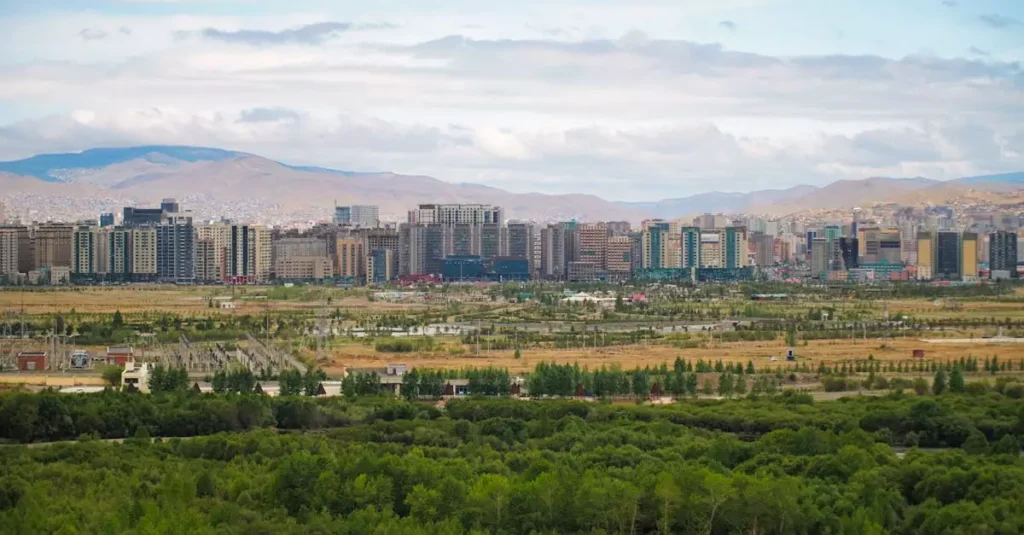
When planning an adventure to Central Asia’s most fascinating destinations, understanding the mongolia vs tibet travel cost becomes crucial for making an informed decision. Both Mongolia and Tibet offer extraordinary experiences with their unique cultures, stunning landscapes, and rich spiritual traditions, but the financial investment required for each destination varies significantly. Mongolia, with its vast steppes and nomadic heritage centered around Ulaanbaatar, presents a different cost structure compared to Tibet’s high-altitude monasteries and restricted access requirements.
The comparison between these two remarkable destinations extends beyond simple accommodation and meal prices. Mongolia offers more flexibility in terms of independent travel options, while Tibet requires mandatory guided tours and special permits that significantly impact overall expenses. Understanding these fundamental differences in travel requirements helps explain why the mongolia vs tibet tour price comparison reveals such distinct patterns in spending categories.
Budget-conscious travelers and luxury seekers alike will find valuable insights in examining the detailed cost breakdown between these destinations. From transportation and accommodation to permits and guided tour requirements, each aspect contributes to the total travel investment. This comprehensive analysis will help you determine which destination aligns better with your budget expectations and travel style preferences.
Transportation Costs: Getting There and Around
Transportation represents one of the most significant expense categories when comparing Mongolia and Tibet travel costs. Flying to Ulaanbaatar’s Chinggis Khaan International Airport typically costs between $800-1,500 from major international hubs, depending on your departure location and season. Direct flights are available from several Asian cities, while European and North American travelers usually connect through Beijing, Seoul, or Moscow.
Tibet presents more complex transportation logistics and costs. International travelers must fly into either Lhasa Gonggar Airport or enter overland through China, both requiring Chinese visas and Tibet Travel Permits. Flights to Lhasa from Beijing, Chengdu, or other Chinese cities range from $200-400, but this doesn’t include the substantial costs of reaching China first. The mandatory guided tour requirement means transportation within Tibet is typically included in package prices, ranging from $150-300 per day depending on group size and itinerary.
Within Mongolia, transportation flexibility allows for various budget options. Domestic flights between major cities cost $100-200, while hiring private vehicles with drivers runs $80-150 per day. Public transportation and shared taxis offer budget alternatives at $20-50 per day for longer distances. Tibet’s restricted access means independent transportation isn’t possible, with all movement coordinated through licensed tour operators as part of comprehensive packages.
Accommodation Options and Pricing
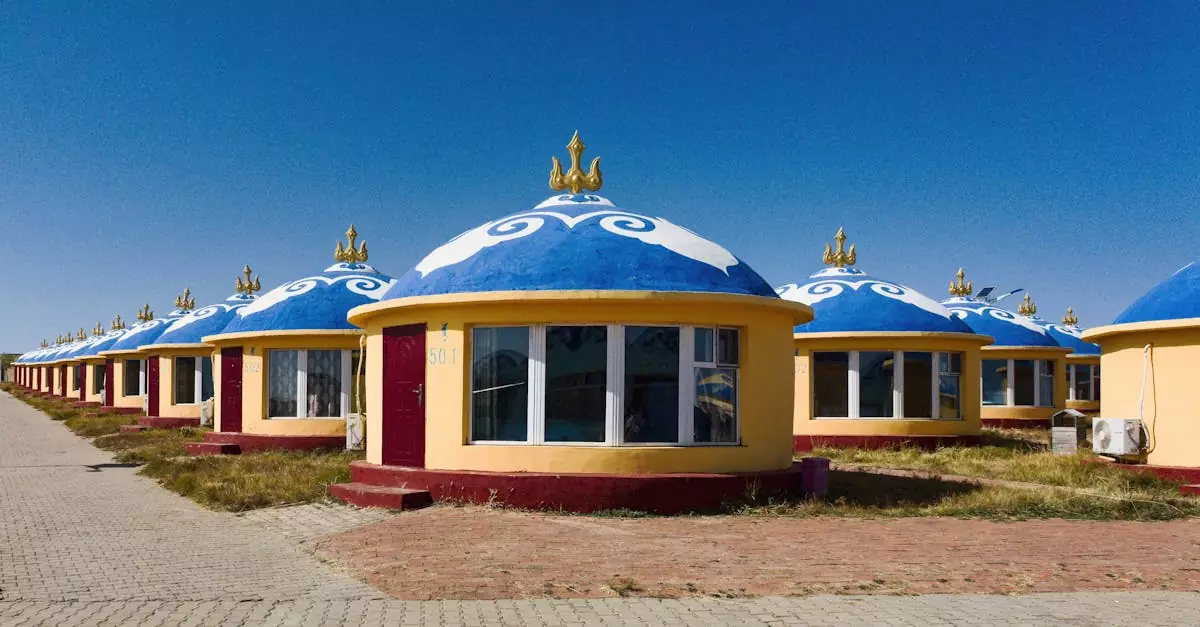
Accommodation costs reveal significant differences between Mongolia and Tibet travel experiences. In Mongolia, travelers enjoy extensive options ranging from budget guesthouses at $15-30 per night to luxury hotels in Ulaanbaatar costing $100-200 nightly. Traditional ger camps, offering authentic nomadic experiences, typically charge $50-120 per person including meals, representing excellent value for cultural immersion.
Tibet’s accommodation landscape operates within the guided tour framework, where lodging costs are bundled into package prices. Independent hotel booking isn’t permitted for international tourists, making direct price comparison challenging. However, tour packages indicate accommodation costs of $30-80 per night for standard hotels, with luxury options reaching $150-250 nightly. The mandatory nature of these arrangements often results in higher overall costs despite reasonable individual rates.
Mongolia’s accommodation flexibility extends to unique options like staying with nomadic families, costing $20-40 per night including meals and cultural experiences. This option doesn’t exist in Tibet due to tourism regulations. Camping is possible in Mongolia with proper equipment, reducing accommodation costs to near zero, while Tibet requires tourists to stay in approved accommodations only.
Food and Dining Expenses
Dining costs present another area where Mongolia and Tibet differ substantially in both price and accessibility. Mongolia offers diverse dining options from street food costing $2-5 per meal to upscale restaurants in Ulaanbaatar charging $15-30 for dinner. Traditional Mongolian cuisine, featuring mutton, dairy products, and hearty stews, provides filling meals at reasonable prices. Local markets and small restaurants outside major cities offer authentic meals for $3-8.
Tibet’s dining costs are largely predetermined through mandatory tour packages, which typically include most meals. When meals aren’t included, restaurant options in Lhasa and other tourist areas charge $8-20 per meal, with limited variety compared to Mongolia. The high altitude affects food prices due to transportation challenges, making imported items particularly expensive. Tibetan cuisine, featuring tsampa, yak meat, and butter tea, offers unique flavors but fewer dining venues.
Mongolia’s food scene accommodates various dietary preferences and budgets more easily. Vegetarian options, while limited in rural areas, are available in cities. Self-catering opportunities exist through local markets and grocery stores, allowing budget travelers to reduce food expenses significantly. Tibet’s restricted movement and tour-based structure limits such flexibility, though most tour packages provide adequate meal coverage.
Permits, Visas, and Mandatory Tour Costs
The most significant cost differential between Mongolia and Tibet lies in permit requirements and mandatory tour arrangements. Mongolia welcomes most international visitors visa-free for stays up to 30 days, eliminating visa costs entirely for many travelers. Citizens of countries requiring visas face minimal fees of $50-100, with straightforward application processes.
Tibet presents a complex and expensive permit structure that dramatically impacts total travel costs. All international visitors require Chinese visas ($140-200), Tibet Travel Permits (included in tour packages), and often additional permits for specific regions. More significantly, independent travel isn’t permitted – all international tourists must join organized tours through licensed operators, with minimum costs starting around $200 per day for basic group tours.
These mandatory tour requirements in Tibet include guide services, transportation, accommodation, and many meals, creating all-inclusive packages that appear comprehensive but limit budget flexibility. Tour costs escalate quickly for smaller groups, premium services, or specialized itineraries, often reaching $300-500 per day. Mongolia’s permit-free environment allows travelers complete control over their budgets and itineraries.
Activities and Attraction Costs
Activity costs showcase another area where Mongolia provides more budget flexibility compared to Tibet’s structured approach. Mongolia’s attractions, from the Gobi Desert to ancient monasteries, typically charge modest entrance fees of $2-10. Many natural attractions, including vast steppes and mountain ranges, are freely accessible. Organized activities like horseback riding, camel trekking, or cultural performances cost $20-80 per person, with prices varying by location and duration.
Tibet’s major attractions, including the Potala Palace, Jokhang Temple, and various monasteries, charge entrance fees of $10-30 each. However, since independent sightseeing isn’t permitted, these costs are usually included in mandatory tour packages. Specialized activities like trekking permits for Mount Everest Base Camp or other restricted areas require additional fees of $100-300, plus extended tour arrangements.
Mongolia offers unique experiences like staying with nomadic families, participating in traditional festivals, or exploring remote wilderness areas at relatively low costs. The famous Mongolia’s Naadam Festival provides exceptional cultural experiences for the price of accommodation and transportation. Tibet’s activities, while equally fascinating, come bundled in tour packages that may include unwanted elements, reducing cost efficiency for selective travelers.
Seasonal Price Variations
Understanding seasonal cost fluctuations helps optimize travel budgets for both destinations. Mongolia experiences significant seasonal price variations, with summer months (June-August) commanding premium rates for accommodation and tours. Ger camps and popular attractions charge 30-50% more during peak season, while winter travel offers substantial savings despite harsh weather conditions. Spring and autumn provide optimal balance between reasonable prices and favorable weather.
Tibet’s seasonal pricing follows similar patterns but with more extreme variations due to limited accessibility. The peak season (April-October) sees tour prices increase by 40-60%, with accommodation and flight costs rising correspondingly. Winter travel to Tibet, while possible, faces weather-related restrictions and reduced tour availability, though prices drop significantly for available options.
Mongolia’s shoulder seasons offer exceptional value, with accommodation costs dropping 25-40% and tour operators providing attractive packages to maintain business during slower periods. Tibet’s pricing structure, controlled through tour operators, shows less flexibility but still offers off-season discounts of 20-30% for travelers willing to brave challenging weather conditions.
Daily Budget Comparisons
Establishing realistic daily budget expectations helps travelers plan effectively for either destination. Mongolia accommodates various budget levels effectively, with backpacker budgets of $25-40 per day covering basic accommodation, local food, and public transportation. Mid-range travelers spending $60-100 daily enjoy comfortable ger camps, decent restaurants, and organized activities. Luxury travelers can expect to spend $150-300 daily for premium accommodations and exclusive experiences.
Tibet’s mandatory tour structure creates different budget dynamics, with minimum daily costs starting around $200 for basic group tours including accommodation, meals, transportation, and guide services. Mid-range Tibet tours cost $250-350 daily, while luxury options reach $400-600 per day. These prices include most expenses but offer limited flexibility for cost reduction or customization.
The fundamental difference lies in spending control and flexibility. Mongolia allows travelers to adjust expenses based on daily circumstances, choosing budget options when desired and splurging selectively. Tibet’s all-inclusive tour structure provides predictable costs but eliminates opportunities for budget optimization through independent choices.
FAQs
Which destination is more budget-friendly overall?
Mongolia generally offers more budget-friendly options due to visa-free entry for many nationalities and the ability to travel independently. Budget travelers can explore Mongolia for $25-40 per day, while Tibet requires minimum tour costs of around $200 daily. Mongolia’s flexibility allows for significant cost savings through independent planning and local transportation options.
Are there hidden costs in Tibet that don’t exist in Mongolia?
Yes, Tibet has several mandatory costs that don’t apply to Mongolia, including Chinese visa fees, Tibet Travel Permits, and compulsory guided tours. Additional permits for restricted areas and potential altitude sickness medication costs can add unexpected expenses. Mongolia’s straightforward entry requirements and independent travel options eliminate most hidden costs.
How do tour costs compare between the two destinations?
Mongolia offers optional tours ranging from $50-150 per day, while Tibet requires mandatory tours starting at $200 daily for basic packages. Mongolia’s tours can be customized and are entirely optional, allowing independent exploration. Tibet’s tours are comprehensive but inflexible, including most services but limiting personal choice in activities and accommodation.
What’s the minimum budget needed for a week-long trip to each destination?
A week in Mongolia can cost as little as $300-500 for budget travelers, including accommodation, food, and local transportation. Tibet requires a minimum of $1,400-1,800 for a week-long tour, including all mandatory services. These figures exclude international flights but include all in-country expenses and requirements.
Do accommodation costs include meals in both destinations?
In Mongolia, ger camps typically include meals in their rates, while hotels and guesthouses usually don’t. Travelers can choose based on preference and budget. Tibet’s tour packages generally include most meals, but the selection and quality depend on the tour operator and package level. Mongolia offers more dining flexibility and cost control options.
Making Your Decision: Value and Experience Considerations
The mongolia vs tibet travel cost comparison reveals fundamental differences in travel philosophy and budget management. Mongolia emerges as the more budget-flexible destination, offering exceptional value for independent travelers who appreciate the freedom to customize their experiences. The ability to travel visa-free, choose accommodation levels, and explore independently makes Mongolia particularly attractive for budget-conscious adventurers and those seeking authentic cultural immersion without mandatory tour structures.
Tibet provides a different value proposition through its comprehensive tour packages that eliminate planning stress but reduce cost flexibility. While more expensive overall, Tibet’s tours include expert guides, cultural insights, and access to restricted areas that independent travelers couldn’t reach. The higher costs reflect not just services provided but also the unique regulatory environment and limited access that makes Tibet travel exclusive.
Ultimately, your choice between Mongolia and Tibet should consider both financial constraints and travel preferences. Mongolia rewards flexible, independent travelers with exceptional value and authentic experiences, while Tibet offers structured, comprehensive cultural immersion at premium prices. Both destinations provide transformative experiences, but understanding their cost structures ensures your investment aligns with your travel goals and budget expectations. Consider your priorities: budget flexibility and independence favor Mongolia, while comprehensive cultural guidance and exclusive access justify Tibet’s higher costs.