
Introduction to Budgeting for Cambodia
For many visitors, Southeast Asia feels impressively affordable, and Cambodia often tops that list. Still, there are cambodia hidden costs tourists should know before you set foot in Phnom Penh or Siem Reap. Small fees, local payment quirks, and subtle service charges can add up fast, so planning realistic finances before your 2026 trip will save stress later.
Some travelers arrive assuming a few hundred dollars will stretch for weeks. While cheap street eats and basic hostels exist, modern tourist demand has pushed prices up in popular zones. Between entry rules and a market that often operates in two currencies, money matters in Cambodia deserve close attention. A quick look at the historical context of Cambodia makes it clear why the country has both low-cost local options and pricier services aimed at visitors.
This piece breaks down the expenses youre likely to meet on the ground. It covers transport pitfalls, temple ticket details, and the small but frequent costs of staying charged and connected. By the time you finish reading, you should have a firm handle on managing cash and avoiding common traps so your trip stays enjoyable and within budget.
The Financial Landscape of Cambodia in 2026
Cambodias economy runs on two currencies at once: US dollars and Cambodian Riel. That dual-currency reality produces some of the most important cambodia hidden costs tourists should know about. ATMs usually spit out US banknotes, but change is often returned in Riel. Local vendors commonly use a rounded ratearound 4,000 or 4,100 Riel to $1which can shave off value on each small purchase if youre not careful.
Another quirk is the strict attitude toward worn US bills. In many places a slightly damaged note is still accepted, but in Cambodia even a tiny tear or ink mark can render a $20 or $50 useless to merchants and banks. Inspect notes from ATMs and ask for fresh bills when possible to avoid being stuck with money you cant spend.
Expect a notable price gap between tourist centers and the countryside. A coffee that costs $0.50 in a village could be $3.50 in a popular Riverside caf. Those higher prices tend to reflect AC, WiFi, and convenience rather than higher food costs alone. If you want Western-style comforts while traveling, budget extra for those perks so your spending expectations match realitysomething cambodia travel enthusiasts often overlook.
Visa Fees and Entry Requirements
Visa charges are one of the first common fees cambodia travel plans must include. Most visitors need a visa: a 30-day tourist visa on arrival costs $30, and an evisa carries the same $30 fee plus a $6 processing charge. Many choose the evisa for the shorter lines at immigration, but it does add extra expense. Check the official tourism guidelines before you travel for the latest rules and pricing.
At some land border crossings, informal processing or stamp fees of $1$5 still surface occasionally. Authorities have made efforts to curb this, but it can happen in remote areas. Also keep your passport in excellent conditiondamage to the document can result in denied entry and the need for emergency travel arrangements, which is an avoidable and costly headache.
If you extend your stay, factor in extension fees. A onemonth extension usually runs about $45$50 when handled through an agent; doing it yourself at immigration saves money but takes time and potentially extra transport costs. Overstaying is far more expensive: fines currently run near $10 per day, so plan renewals in advance to avoid escalating charges.
Transportation and the Tuk-Tuk Economy
Moving around cities usually means hopping in a remorque, better known as a tuktuk. These are part of the cambodia hidden costs tourists should know because streethailing often leads to tourist pricing. A short ride that locals pay $2 for might be quoted at $5$7 if you dont negotiate or use an app. Ridehailing services like Grab or PassApp typically show fixed fares and help avoid inflated onthespot quotes.
For trips between cities, buses are the cheapest optiontickets commonly fall in the $10$20 rangebut the comfort and reliability vary. Budget coaches may stop frequently and sometimes have poor air conditioning. Private cars or taxis shorten travel time but can cost $60$100 one way. Given the long distances and rough roads in parts of the country, paying more for a better ride can be worth it.
Airport transfers add small but real expenses. Phnom Penhs airport sits well outside the center; a taxi may run about $15 while a tuktuk is closer to $9. Theres also a nominal airport tollroughly $0.50$1.00thats typically expected. Keep small Riel notes or singledollar bills handy for these tiny fees, and try to schedule travel outside peak times to dodge surge pricing on ride apps.

Hidden Costs of Sightseeing and Temple Passes
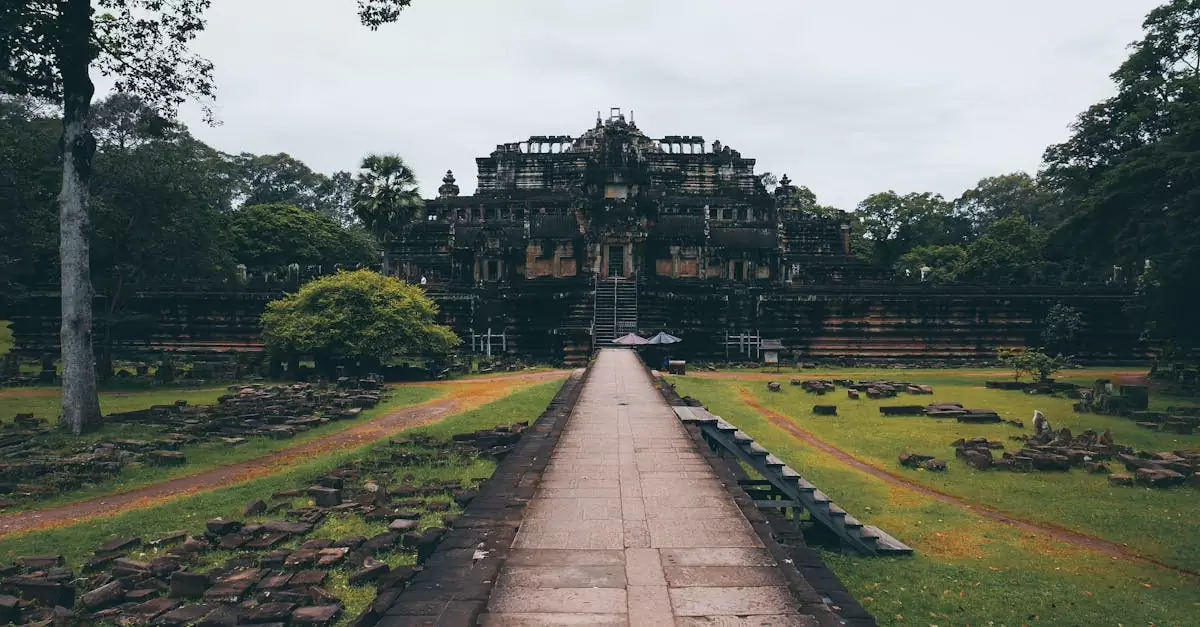
Angkor Archaeological Park draws most visitors, but the entrance fees are a notable portion of the cambodia hidden costs tourists should know. A singleday ticket is $37, three days cost $62, and a sevenday pass is $72. Those prices dont include transport or guides; expect to pay $15$25 for a fullday tuktuk, and sunrise pickups often carry a $5 premium. If you want a thorough visit, budget both the tickets and the local transport.
Prices for water and snacks inside temple areas are often marked up. A bottle that sells for $0.25 in town can be $1 or more around the sites. Nearby restaurant meals commonly range $8$12 per person. Some remote temple complexes, such as Koh Ker, may require separate entry feessometimes $10$15so doublecheck whether your main ticket covers the spots you plan to see to avoid surprises.
In Phnom Penh, attractions like the Royal Palace and S21 Genocide Museum carry their own chargesabout $10 and $5 respectively, with the latter offering an audio guide for an additional $3. Unofficial guides sometimes approach visitors at entrances; while many are knowledgeable, others may overcharge or provide uneven information. Hiring licensed guides through official channels supports the local economy and reduces the chance of paying for poor value.
Comparison Table: Budget vs. Mid-Range Daily Costs
Below is a sidebyside estimate of daily spending for backpacker and midrange travelers. It highlights where small charges tend to accumulate so you can pick which comforts are worth splurging on and which you can cut back.
| Expense Category | Budget Traveler (USD) | Mid-Range Traveler (USD) |
|---|---|---|
| Accommodation | $10 – $15 (Hostel) | $40 – $70 (Boutique Hotel) |
| Daily Meals | $10 – $15 (Street Food) | $30 – $50 (Cafes/Restaurants) |
| Transportation | $5 – $8 (Shared/Apps) | $15 – $25 (Private Tuk-Tuk) |
| Activities/Tours | $5 – $10 (Free sites) | $20 – $40 (Guided tours) |
| SIM Card & Data | $1 – $2 (Daily rate) | $3 – $5 (High-speed data) |
| Total Daily Est. | $31 – $50 | $108 – $190 |
Theres a clear gap between shoestring and midrange budgets, mostly driven by extras: better WiFi, airconditioned rides, and imported goods. Using local markets and apps keeps you close to the lower end; choosing comfort and convenience pushes costs higher. Add a 10% contingency to these figures for unexpected fees or spontaneous purchases.
Pros and Cons of Cambodia’s Dual-Currency System
Cambodias simultaneous use of USD and KHR brings both convenience and irritation for visitors. Its one of the most talkedabout cambodia hidden costs tourists should know about because it affects virtually every purchase. Below is a practical look at advantages and downsides when juggling both currencies.
- Pro: Easy Math for Westerners. Major prices are often quoted in USD, making it straightforward to understand big expenses without constant conversion.
- Con: The ‘Change’ Trap. Change under $1 usually comes back in Riel. Accumulating small Riel notes can leave you with bills that are tricky to spend later.
- Pro: Stability. Using the USD keeps hotel and tour prices stable and predictable for international visitors.
- Con: Note Condition. Merchants can reject worn or damaged dollar bills, which risks leaving you with unusable cash.
- Pro: Flexibility. If you run out of one currency, shops will often accept the otherjust be aware of the local rate.
- Con: Exchange Rate Loss. Vendors often round exchange rates (for example, 4,000:1), which can cost you a bit over time compared with bank rates.
A practical approach is to pay big items with crisp US dollars and keep Riel handy for snacks and small rides. That reduces the amount of change you receive and helps keep your money manageable during the trip.
Practical Tips to Avoid Overspending
One effective way to cut costs is to sort connectivity before youre stranded without data. Buying a local SIM at the airport is far cheaper than roaming; Smart and Cellcard offer monthly packages in the $5$10 range. With data you can use ride apps and compare prices instead of taking whatever street quote youre given.
Hydration and health also affect the budget. Tap water isnt safe to drink, and buying singleuse bottles every day adds up and harms the environment. Many guesthouses provide refill stationsbring a reusable bottle and top up when you can to save roughly $1$2 a day. Be cautious about gifts from vendors or children at tourist sites; what appears free often leads to awkward requests for payment.
Always confirm prices before accepting a service. Ask for the cost of laundry, massage, or repairs up front and whether charges are per piece or per kilogramhotel laundry can be surprisingly expensive. Small clarifying questions ahead of time prevent nasty surprises at checkout and keep your budget intact.
Dining, Tipping, and Local Etiquette Costs
Eating well in Cambodia is part of the trip, but note that midrange and upscale restaurants commonly add a 10% VAT and sometimes a 5% service fee. That $20 dinner can climb to $23 once taxes and service are included, so glance at the menus fine print before ordering.
Tipping is not historically ingrained but is increasingly expected in tourist zones. Its unnecessary at street stalls, but leaving a small amount in cafs is politeoften a dollar or the small Riel change suffices. In higherend venues, larger tips are common and appreciated; a modest gratuity can meaningfully help local staff.
Nightlife costs vary: local beers like Angkor and Cambodia are inexpensive, often under $1 during happy hour, while imported bottles carry hefty markups. Some upscale clubs charge a cover that may include a drink, so ask at the door to avoid surprises. Sticking to local brews is a smart budget move if you want to enjoy evenings without overspending.
Frequently Asked Questions
Is it better to use USD or Riel in Cambodia?
Both have a place. Use USD for larger purchases such as hotels and tours; carry Riel for small, everyday transactions like snacks or short tuktuk rides. Keeping both currencies helps you avoid poor exchange math.
Are there hidden fees at Cambodian ATMs?
Yes. Many ATMs charge $4$6 per withdrawal for foreign cards. To reduce fees, withdraw larger sums less often. Different banks like ABA and Canadia have varying limits, so compare options if you can.
Do I need to tip my tour guide in Cambodia?
Tipping isnt mandatory but is customary for good service. For a fullday guide, $5$10 is a generous and appreciated amount that acknowledges their effort and knowledge.
Is bargaining common in Cambodia?
Bargaining is expected at markets and with many street vendors, but do it respectfully. Avoid haggling over tiny amounts and never try to bargain in fixedprice stores or pharmacies; aiming for 2030% off initial prices in markets is a reasonable approach.
What is the ‘departure tax’ in Cambodia?
Departure taxes for international flights are typically included in your ticket price now, so you shouldnt need to pay anything extra at the airport. Still, review your ticket breakdown to confirm no separate fee appears during checkin.
Conclusion: Planning Your Cambodia Budget
Cambodia remains a richly rewarding destination and, with some planning, the cambodia hidden costs tourists should know become manageable. Learn the currency quirks, use technology to compare prices, and anticipate visa, temple, and transport fees so money worries dont overshadow the experience. A modest amount of preparation goes a long way toward a smooth, affordable trip.
Value often beats the lowest price; paying a bit more for a reliable guide or a comfortable bus can transform your visit. Keep US dollars in good condition, install ridehailing apps before you arrive, and carry a mixture of USD and KHR. With those steps, a 2026 journey through the Kingdom of Wonder should be effortless, budgetfriendly, and unforgettable. Safe travels as you discover Cambodias landscapes and history.