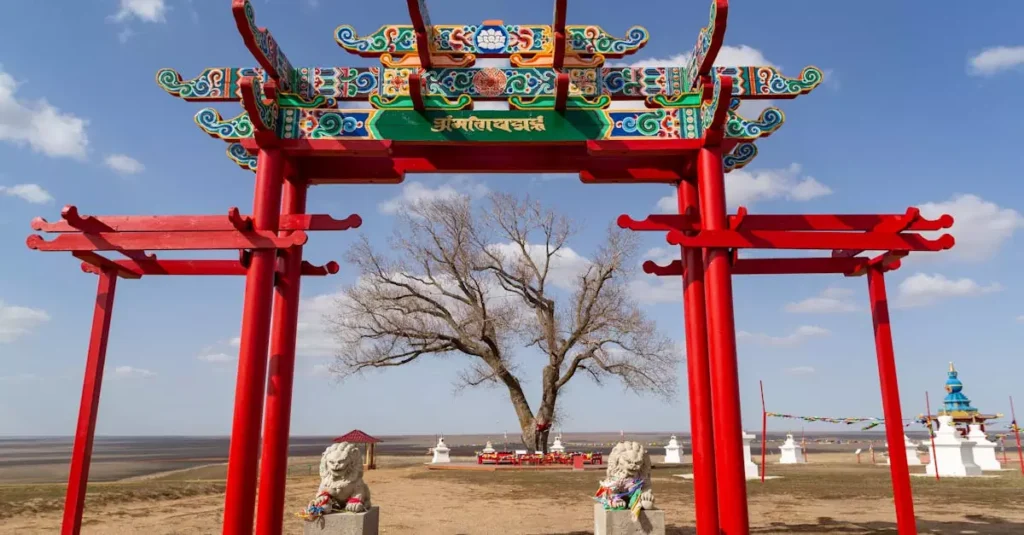
Planning a Mongolia tour cost for Indians requires careful consideration of various factors that can significantly impact your overall travel budget. Mongolia, with its vast steppes, nomadic culture, and unique experiences like staying in traditional gers, offers an extraordinary adventure for Indian travelers seeking something beyond the usual tourist destinations. The cost structure for Indians traveling to Mongolia differs considerably from other Asian destinations due to factors such as visa requirements, flight connectivity, and the specialized nature of tourism in this landlocked nation.
When calculating your Mongolia trip cost from India budget guide, you’ll need to account for several major expense categories including international flights, accommodation ranging from budget guesthouses to luxury ger camps, meals, transportation within Mongolia, guided tours, and miscellaneous expenses. The total cost can vary dramatically based on your travel style, with budget travelers potentially spending around $80-120 per day, mid-range travelers looking at $150-250 per day, and luxury travelers expecting to spend $300-500 or more per day. These estimates include all major expenses but can fluctuate based on seasonal variations, tour operator choices, and specific activities you choose to include in your itinerary.
The unique geography and tourism infrastructure of Mongolia means that many costs are fixed regardless of your budget level, particularly transportation and guided tour expenses. Unlike other Asian destinations where independent travel can significantly reduce costs, Mongolia’s vast distances and specialized tourism requirements often make organized tours more practical and sometimes more economical. Understanding these cost dynamics upfront will help you plan a realistic budget and make informed decisions about where to splurge and where to save during your Mongolian adventure.
Flight Costs from India to Mongolia
Flight expenses typically represent the largest single cost component for Indians traveling to Mongolia, with round-trip tickets ranging from ₹45,000 to ₹80,000 depending on the season, booking timing, and chosen route. There are no direct flights from India to Ulaanbaatar, Mongolia’s capital, which means you’ll need to connect through cities like Beijing, Seoul, Moscow, or Istanbul. The most common and often most economical routes involve connections through Beijing with Air China or through Seoul with Korean Air or Asiana Airlines.
Booking flights 2-3 months in advance generally offers the best prices, with significant savings possible during Mongolia’s shoulder seasons (May-June and September-October). Summer months (July-August) see the highest prices due to peak tourist season and the famous Naadam Festival. Budget-conscious travelers can save ₹10,000-15,000 by choosing flights with longer layovers or less convenient timing. Consider flying into Beijing and taking the Trans-Mongolian railway for a unique overland experience, though this adds time and modest additional costs to your journey.
When comparing flight options, factor in baggage allowances as Mongolia trips often require specialized gear like warm clothing and camping equipment. Some airlines offer better baggage policies that could save you money on excess baggage fees. Additionally, consider travel insurance costs, which typically range from ₹2,000-5,000 for comprehensive coverage, as medical facilities in Mongolia are limited and evacuation insurance is highly recommended for adventure activities.
Accommodation Options and Pricing
Accommodation costs in Mongolia vary significantly based on location, season, and type of lodging, with Ulaanbaatar offering the widest range of options from budget hostels at $15-25 per night to luxury hotels at $150-300 per night. Budget travelers can find decent guesthouses and hostels in the capital for ₹1,200-2,000 per night, while mid-range hotels typically cost ₹3,000-6,000 per night. Luxury accommodations in Ulaanbaatar, including international hotel chains, range from ₹8,000-15,000 per night with full amenities and services.
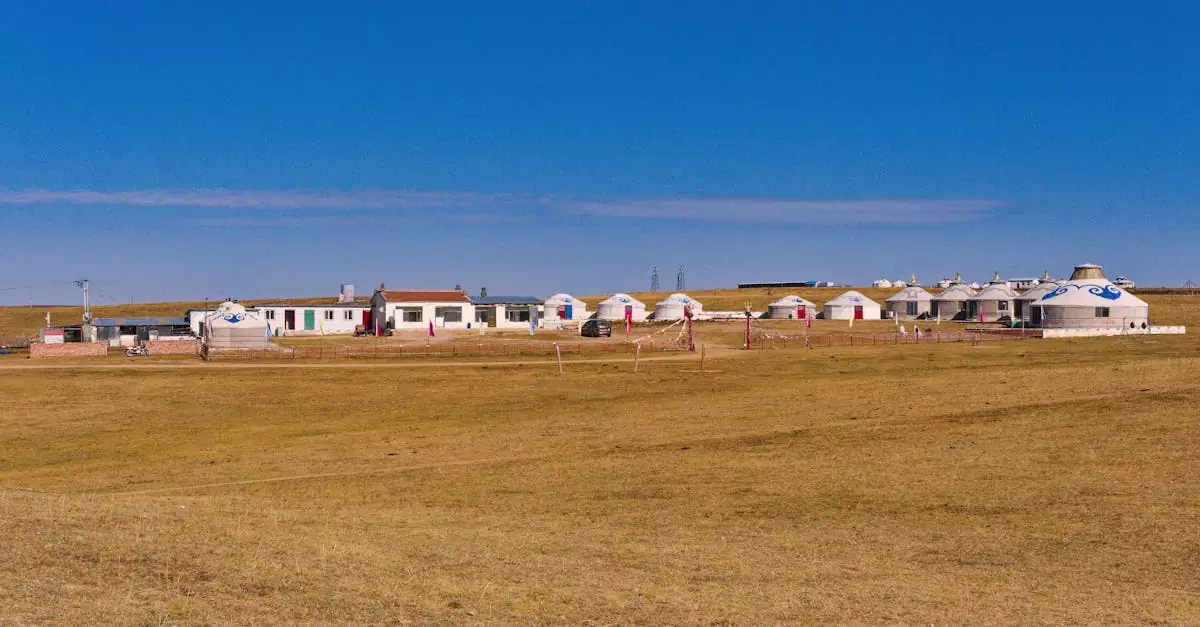
The real accommodation adventure begins outside Ulaanbaatar, where traditional ger camps offer the quintessential Mongolian experience. Tourist ger camps range from basic facilities at $30-50 per person per night to luxury camps with private bathrooms and gourmet meals at $150-300 per person per night. These camps typically include meals and some activities in their pricing, making them excellent value when you consider the remote locations and unique cultural experiences they provide. Many camps offer package deals that include transportation, meals, and guided activities, which can be more economical than booking components separately.
For the most adventurous and budget-conscious travelers, camping is possible in many areas of Mongolia, though you’ll need proper equipment and should always respect local customs and environmental regulations. Some tour operators offer camping-based tours that can reduce accommodation costs to $20-40 per night while providing necessary equipment and guidance. However, factor in the cost of renting or purchasing camping gear, as quality equipment suitable for Mongolia’s variable weather conditions can be expensive.
Transportation Costs Within Mongolia
Transportation within Mongolia represents a significant portion of your travel budget due to the country’s vast distances and limited infrastructure, with costs varying dramatically based on your chosen method of travel and destinations. Domestic flights between Ulaanbaatar and regional centers like Dalanzadgad (gateway to the Gobi Desert) or Murun (near Lake Hovsgol) cost approximately $100-200 one-way, offering time savings but at a premium price. These flights can be worth the cost for travelers with limited time, as overland journeys to the same destinations can take 8-12 hours or more.
Overland transportation options include public buses, shared taxis, rental vehicles, and organized tour transportation, each with distinct cost implications and comfort levels. Public buses are the most economical option at $10-30 for long-distance routes, but they’re often crowded, uncomfortable, and operate on limited schedules. Shared taxis or minivans cost $20-50 per person for similar routes but offer more flexibility and comfort. Many travelers find that the modest additional cost of shared transportation is worthwhile given the improved comfort and reliability.
Rental cars offer maximum flexibility but come with significant considerations including high daily rates ($60-120), fuel costs, insurance, and the challenge of navigating Mongolia’s often unmarked roads and extreme weather conditions. Most rental agencies require international driving permits and substantial deposits. For most Indian travelers, joining organized tours or hiring private drivers proves more practical and often more economical when you factor in the expertise, local knowledge, and safety benefits provided by experienced local guides and drivers.
Food and Dining Expenses
Food costs in Mongolia can vary considerably depending on your dining preferences and location, with Ulaanbaatar offering the most diverse and affordable options while remote areas have limited but often included meal arrangements. In the capital, budget travelers can eat well for $10-15 per day by choosing local restaurants, street food, and markets, while mid-range dining typically costs $20-35 per day at international restaurants and better local establishments. Luxury dining experiences, including high-end restaurants and hotel dining, can cost $50-80 per day or more.
Traditional Mongolian cuisine centers around meat and dairy products, reflecting the nomadic lifestyle, with popular dishes including mutton, beef, horse meat, and various dairy products that may be unfamiliar to Indian palates. Vegetarian options are extremely limited outside Ulaanbaatar, presenting challenges for Indian travelers with dietary restrictions. The capital has some Indian restaurants and international cuisine options, but expect to pay premium prices ($15-25 per meal) for familiar foods. Consider bringing some familiar snacks and dietary supplements to ensure nutritional needs are met throughout your journey.
When staying at ger camps or joining organized tours, meals are typically included in the package price, which can represent excellent value and eliminate daily food budgeting concerns. These meals usually feature traditional Mongolian dishes alongside some international options, though vegetarian travelers should communicate dietary requirements well in advance. Alcohol, particularly imported beverages, can be expensive throughout Mongolia, with beer costing $3-5 and imported spirits commanding premium prices. Local beverages like airag (fermented mare’s milk) offer cultural experiences at modest costs.
Tour Packages and Activities
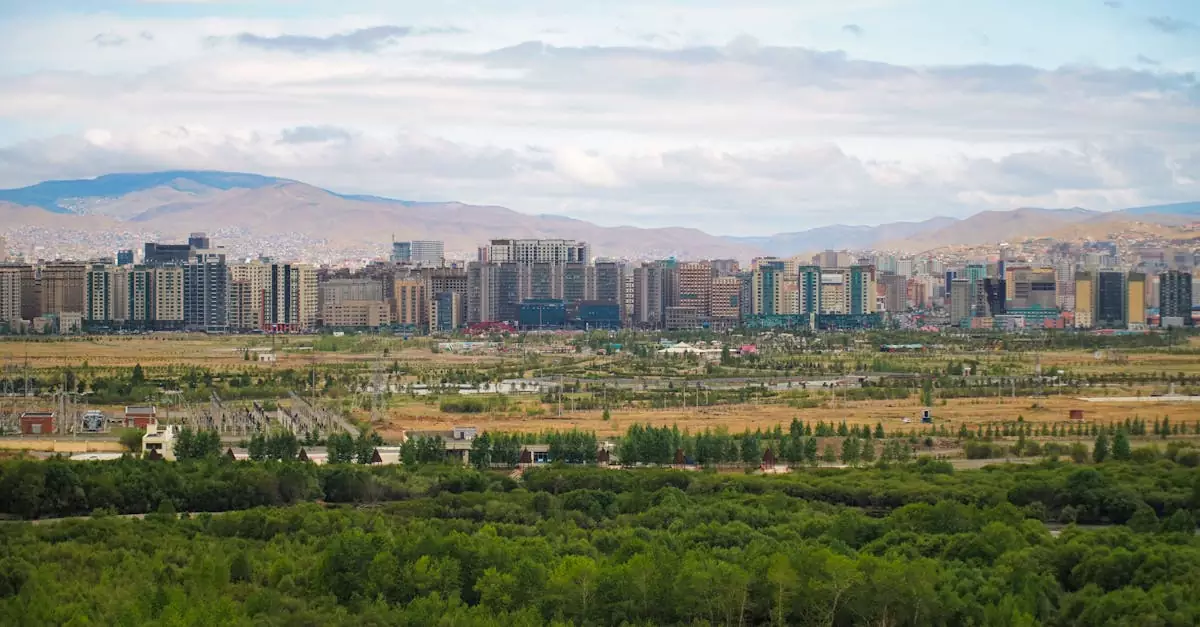
Organized tour packages often provide the best value and convenience for Indian travelers visiting Mongolia, with comprehensive packages ranging from $100-300 per person per day depending on group size, inclusions, and luxury level. Budget group tours typically cost $80-120 per day and include basic accommodation, transportation, meals, and guided activities, while luxury private tours can exceed $400-500 per day with premium accommodations, private vehicles, and specialized experiences. These packages often prove more economical than independent travel when you consider the logistics, local expertise, and safety benefits provided.
Popular activities and their associated costs include horseback riding lessons and excursions ($30-60 per day), camel trekking in the Gobi Desert ($40-80 per day), fishing at Lake Hovsgol ($20-40 per day), and cultural experiences like staying with nomadic families ($50-100 per night including meals). Adventure activities such as eagle hunting experiences, mountain climbing, and specialized wildlife viewing can cost $150-300 per day but offer once-in-a-lifetime experiences. The famous Naadam Festival period commands premium pricing across all services, with tour costs increasing 50-100% during this peak period.
When evaluating tour packages, carefully review inclusions and exclusions, as seemingly similar tours can have vastly different value propositions. Quality tour operators provide experienced English-speaking guides, reliable transportation, appropriate safety equipment, and cultural insights that significantly enhance your experience. Consider the group size, as smaller groups typically cost more per person but offer more personalized experiences and flexibility. Many operators offer customizable itineraries that allow you to balance must-see destinations with budget considerations.
Visa and Documentation Costs
Indian citizens require a visa to enter Mongolia, with tourist visas costing approximately $50-70 plus processing fees and service charges if using visa agencies. The visa application process requires a valid passport with at least six months remaining validity, completed application forms, passport photographs, proof of accommodation bookings, return flight tickets, and financial statements demonstrating sufficient funds for your stay. Processing times typically range from 5-10 working days for regular service, with expedited processing available at additional cost.
Many Indian travelers choose to use visa service agencies that charge ₹2,000-4,000 in service fees but handle the application process, document verification, and embassy interactions. While this adds to your overall cost, it can save significant time and reduce the risk of application errors that could delay your travel plans. Some tour operators offer visa assistance services as part of their packages, which can be convenient but may not always be the most cost-effective option.
Additional documentation costs may include travel insurance (₹2,000-5,000), international driving permits if planning to rent vehicles (₹2,000-3,000), and certified translations of documents if required. Consider obtaining multiple passport photographs and document copies before departure, as these services can be expensive and limited in Mongolia. Ensure all documentation is organized and easily accessible, as border crossings and hotel check-ins require proper documentation presentation.
Seasonal Price Variations
Mongolia’s extreme seasonal variations significantly impact travel costs, with summer months (June-August) commanding premium prices across all services while offering the most comfortable weather and accessible attractions. During peak season, accommodation costs can increase 50-100%, tour prices rise substantially, and advance booking becomes essential for popular destinations and experiences. The famous Naadam Festival in mid-July represents the absolute peak pricing period, with some services tripling their regular rates and requiring bookings months in advance.
Shoulder seasons (May and September) offer excellent value with moderate weather, lower prices, and fewer crowds, making them ideal for budget-conscious travelers who can be flexible with timing. Spring travel (April-May) can be particularly economical but weather can be unpredictable with possible late snow and muddy conditions affecting transportation. Autumn travel (September-October) provides beautiful weather, lower costs, and excellent photography opportunities, though some remote camps and services may begin closing for the winter season.
Winter travel (November-March) offers the lowest prices and unique experiences like ice festivals and winter nomadic life, but requires specialized cold-weather gear and limits accessibility to many attractions. Winter temperatures can drop to -30°C or lower, requiring significant additional clothing and equipment costs. However, for adventurous travelers prepared for extreme conditions, winter offers incredible value and authentic experiences of traditional Mongolian winter life that few tourists ever witness.
Money-Saving Tips and Budget Strategies
Smart budget management can significantly reduce your Mongolia travel costs without compromising the quality of your experience, starting with flexible travel dates that avoid peak season premiums and take advantage of shoulder season pricing. Booking flights and accommodations well in advance often provides substantial savings, while last-minute bookings rarely offer discounts due to Mongolia’s specialized tourism infrastructure. Consider extending your stay to take advantage of weekly or extended-stay discounts offered by many ger camps and tour operators.
Group travel provides excellent cost savings opportunities, as tour operators offer significant per-person discounts for larger groups, and transportation costs can be shared among multiple travelers. If traveling solo or as a couple, consider joining existing group tours or connecting with other travelers through online forums and travel communities. Many successful Mongolia travelers have formed groups through social media platforms, sharing costs while maintaining travel compatibility and shared interests.
Strategic spending decisions can maximize your budget impact, such as splurging on unique experiences like eagle hunting or luxury ger camps while economizing on standard accommodations and transportation. Mongolia’s diverse landscapes and cultural experiences offer opportunities to prioritize spending on activities that align with your interests while finding savings in less critical areas. Consider bringing some gear from India, such as warm clothing and basic camping equipment, rather than purchasing or renting expensive items locally. Pack essential medications, snacks, and personal care items, as these can be expensive and limited in remote areas.
FAQs
What is the average total cost for a 7-day Mongolia trip for Indians?
A 7-day Mongolia trip for Indians typically costs between ₹1,20,000-2,50,000 per person, including flights, accommodation, meals, transportation, and activities. Budget travelers can manage with ₹1,20,000-1,60,000, while luxury travelers should expect ₹2,50,000-4,00,000 or more. Group travel and advance booking can significantly reduce these costs.
Is it cheaper to book a package tour or travel independently in Mongolia?
Package tours are generally more cost-effective and practical for Mongolia due to the country’s vast distances, limited infrastructure, and specialized tourism requirements. Independent travel requires expensive private transportation and often costs more than organized tours when all factors are considered. Tours also provide essential local expertise and safety benefits that are particularly valuable in Mongolia’s remote regions.
What additional costs should Indians budget for beyond the basic tour price?
Indians should budget an additional ₹15,000-25,000 for visa fees, travel insurance, shopping, tips, alcoholic beverages, and personal expenses not included in tour packages. Consider costs for warm clothing if traveling in cooler months, international phone roaming, and emergency funds for unexpected expenses or itinerary changes.
When is the most economical time for Indians to visit Mongolia?
May and September offer the best balance of reasonable costs and good weather, with prices 30-50% lower than peak summer rates. Avoid July during the Naadam Festival when prices can double or triple. Winter months offer the lowest prices but require specialized gear and limit activity options significantly.
Are there vegetarian food options available, and do they cost extra?
Vegetarian options are extremely limited outside Ulaanbaatar and often cost extra at restaurants and ger camps. Indian restaurants in the capital charge premium prices (₹800-1,500 per meal), and vegetarian travelers should communicate dietary requirements clearly when booking tours. Consider bringing familiar vegetarian snacks and supplements to ensure adequate nutrition throughout your trip.
Conclusion
Planning your Mongolia tour cost for Indians requires careful consideration of multiple factors, but the investment rewards travelers with one of the world’s most unique and authentic cultural experiences. While Mongolia may not be the cheapest Asian destination, the value proposition becomes clear when you consider the exclusive access to nomadic culture, pristine wilderness, and adventures impossible to find elsewhere. The key to managing costs effectively lies in understanding the fixed expenses like flights and transportation, then making strategic decisions about accommodation levels, tour types, and activity priorities that align with your budget and interests.
The most successful Mongolia travelers from India are those who embrace the country’s organized tourism structure rather than fighting against it, recognizing that tour packages often provide better value and experiences than independent travel attempts.