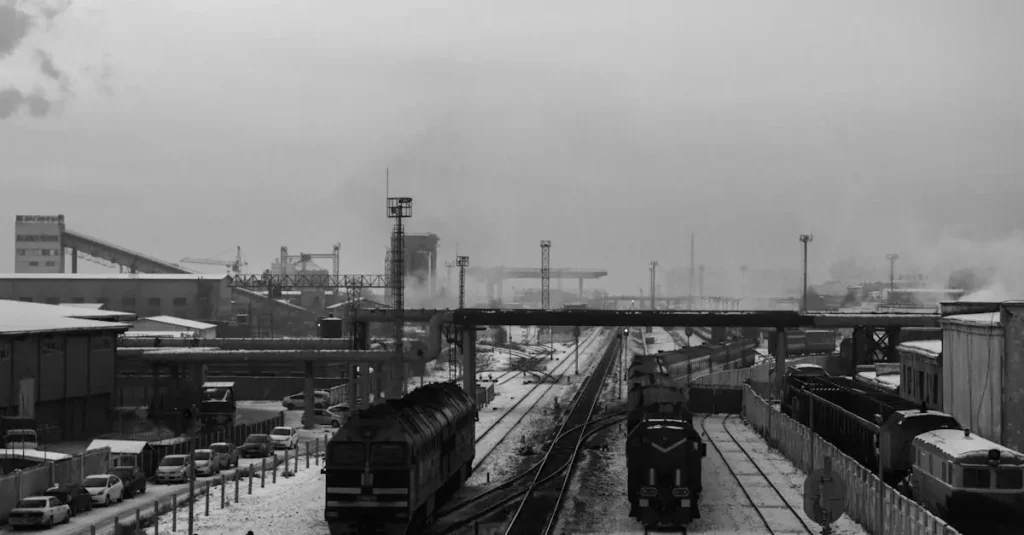
Planning a journey across Mongolia by train offers one of the world’s most spectacular railway experiences, but understanding Mongolia train travel cost is essential for proper budget planning. The Trans-Mongolian Railway, which connects Beijing to Moscow via Ulaanbaatar, presents travelers with various pricing tiers and booking options that can significantly impact your overall travel expenses. Whether you’re considering a complete transcontinental journey or planning shorter segments within Mongolia, train ticket prices vary considerably based on accommodation class, booking timing, and seasonal demand.
The Mongolia train ticket price structure reflects the country’s position as a crucial link in the legendary Trans-Siberian Railway network. Travelers can choose from multiple classes of service, ranging from budget-friendly hard sleepers to luxurious first-class compartments, with prices fluctuating throughout the year based on tourist seasons and local holidays. Understanding these pricing dynamics helps travelers make informed decisions about when to book and which class of service best fits their budget and comfort preferences.
Beyond basic ticket costs, the Trans Mongolian cost encompasses additional expenses such as visa fees, meals, border crossing procedures, and potential overnight stays in Ulaanbaatar or other stops along the route. Smart travelers factor in these supplementary costs when calculating their total journey budget, as they can add substantial amounts to the base ticket price. This comprehensive approach to budgeting ensures a smoother travel experience without unexpected financial surprises during your Mongolian railway adventure.
Understanding Trans-Mongolian Railway Ticket Classes
The Trans-Mongolian Railway offers three primary classes of accommodation, each with distinct pricing structures and comfort levels. First-class compartments, known as “Spalny Vagon” or SV, provide the highest level of comfort with two-berth compartments featuring lockable doors, premium bedding, and enhanced privacy. These luxury accommodations typically cost between $800-1,200 for the complete Beijing to Moscow journey, depending on the season and booking advance.
Second-class accommodations, called “Kupe,” feature four-berth compartments with adequate comfort for most travelers. This mid-range option represents the sweet spot for many international visitors, offering reasonable privacy and comfort at prices ranging from $400-700 for the full transcontinental route. The compartments include basic amenities, shared facilities, and sufficient space for luggage storage during the multi-day journey.
Third-class or “Platskart” provides the most economical option with open-plan sleeping arrangements featuring 54 berths per car. While lacking privacy, this option offers authentic cultural immersion opportunities with local travelers at prices between $200-350 for the complete route. Budget-conscious travelers often choose this class for shorter segments within Mongolia, where prices can be as low as $30-50 for domestic routes between major cities.
Seasonal Price Variations and Booking Strategies
Mongolia train travel costs fluctuate significantly throughout the year, with peak season prices occurring during summer months from June through August. During this period, ticket prices can increase by 30-50% compared to shoulder seasons, reflecting high international demand for experiencing Mongolia’s brief but spectacular summer weather. Peak season first-class tickets may reach $1,500 or more, while even budget options see substantial price increases.
Shoulder seasons in late spring (April-May) and early autumn (September-October) offer more moderate pricing while still providing favorable weather conditions for travel. During these periods, travelers can expect prices approximately 15-25% lower than peak summer rates, making them attractive options for budget-conscious adventurers. Winter travel, while challenging due to extreme temperatures, offers the lowest prices but requires careful preparation for harsh conditions.
Advance booking strategies significantly impact overall costs, with tickets typically available 60-90 days before departure. Early bookers often secure better prices and preferred accommodation classes, particularly important during peak seasons when popular classes sell out quickly. However, last-minute deals occasionally become available, though these require flexible travel plans and willingness to accept whatever accommodations remain available.
Route Options and Pricing Segments
The complete Trans-Mongolian journey from Beijing to Moscow covers approximately 7,621 kilometers over six days, but travelers can book individual segments based on their specific itineraries and budget constraints. The Beijing to Ulaanbaatar segment, popular among travelers wanting to explore Mongolia specifically, typically costs $150-400 depending on class and season. This 30-hour journey crosses the Gobi Desert and provides spectacular scenery while remaining more affordable than the complete transcontinental route.
The Ulaanbaatar to Moscow segment covers the longest portion of the journey at approximately 4,735 kilometers, taking roughly four days to complete. Prices for this segment range from $200-800 depending on accommodation class, with the route passing through diverse landscapes including Siberian forests, Lake Baikal, and the Ural Mountains. Many travelers consider this segment the most scenic portion of the entire Trans-Siberian network.
Domestic Mongolian routes connect Ulaanbaatar with other major cities and mining centers throughout the country. These shorter journeys typically cost $20-80 depending on distance and class, offering affordable ways to explore Mongolia’s vast territory. Popular domestic routes include connections to Darkhan, Erdenet, and various mining towns, providing insights into Mongolia’s industrial development alongside traditional nomadic culture.
Additional Costs and Hidden Expenses
Beyond basic ticket prices, travelers must budget for various additional expenses that can significantly impact total journey costs. Visa requirements for multiple countries along the route often necessitate fees ranging from $30-160 per country, depending on nationality and processing speed. Russian transit visas, Mongolian tourist visas, and Chinese visas may all be required depending on your specific route and nationality, with processing times requiring advance planning.
Meal costs during the journey vary considerably based on dining choices and route segments. Onboard restaurant cars typically charge $15-25 per meal, while platform vendors during station stops offer more affordable options at $3-8 per meal. Many experienced travelers recommend bringing non-perishable snacks and beverages to supplement onboard dining options, particularly during longer segments where meal variety may be limited.
Border crossing procedures sometimes involve unexpected costs, including potential overnight accommodation if delays occur during immigration processing. Budget travelers should allocate $50-100 for potential border-related expenses, including possible hotel stays in border towns if crossing procedures extend beyond normal train schedules. Travel insurance specifically covering international rail travel is highly recommended, typically costing $50-150 depending on coverage levels and trip duration.
Booking Platforms and Payment Methods
Several booking platforms serve international travelers seeking Trans-Mongolian Railway tickets, each with different pricing structures and service levels. Official railway websites offer direct booking but may require local language skills and specific payment methods. International booking agencies typically charge service fees of 10-20% above base ticket prices but provide English-language support and familiar payment processing systems.
Specialized travel agencies focusing on Trans-Siberian journeys often provide comprehensive packages including tickets, visa assistance, and accommodation arrangements. While these services cost more than independent booking, they can save considerable time and reduce stress for first-time travelers navigating complex international railway systems. Package deals typically range from $1,500-3,500 per person depending on route length, accommodation class, and included services.
Payment methods vary significantly between booking platforms, with some requiring wire transfers or specific credit card types. International travelers should verify accepted payment methods before beginning the booking process, as some platforms may not accept foreign credit cards or may charge substantial foreign transaction fees. Cash payments may be required for certain segments or last-minute bookings, particularly when purchasing tickets at local railway stations.
Budget Planning and Money-Saving Tips
Effective budget planning for Mongolia train travel requires considering both fixed costs like tickets and visas alongside variable expenses such as meals, souvenirs, and optional excursions. A realistic budget for the complete Trans-Mongolian journey ranges from $800-2,500 per person, depending on accommodation choices, dining preferences, and additional activities. Budget travelers focusing on essential transportation can complete the journey for under $1,000, while luxury seekers may spend $3,000 or more including premium services and extended stopovers.
Money-saving strategies include booking during shoulder seasons, choosing mixed accommodation classes for different route segments, and preparing your own meals when possible. Some travelers book first-class for shorter scenic segments while using budget accommodations for overnight portions, maximizing comfort during highlight portions while controlling overall costs. Group bookings sometimes qualify for discounts, making organized travel with friends or family more economical than solo journeys.
Currency considerations play important roles in overall costs, as the journey crosses multiple countries with different monetary systems. The Trans-Mongolian Railway passes through regions using Chinese yuan, Mongolian tugrik, and Russian rubles, requiring currency exchange planning to avoid unfavorable rates or excessive fees. Carrying small amounts of each currency helps with platform purchases and tips, while major expenses should be planned using favorable exchange rates obtained in advance.
Comparing Train Travel to Alternative Transportation
When evaluating Mongolia train travel costs, comparing alternatives provides valuable context for decision-making. Flying between major cities along the Trans-Mongolian route typically costs $300-800 for economy class tickets, potentially making air travel competitive with premium train accommodations. However, flights miss the scenic journey and cultural immersion that make train travel appealing to many adventurous travelers.
Overland bus travel offers the most economical transportation option, with tickets often costing 50-70% less than train travel. However, bus journeys take significantly longer, offer less comfort, and may require multiple transfers with varying reliability. For budget travelers prioritizing cost over comfort, buses provide viable alternatives for specific route segments, particularly shorter domestic routes within Mongolia.
Private vehicle rental or organized tours provide maximum flexibility but typically cost significantly more than train travel. Rental cars require international driving permits, insurance coverage, and fuel costs that can quickly exceed train ticket prices. Organized tours offer convenience and local expertise but may cost $200-500 per day depending on group size and service levels, making them expensive options for extended journeys.
FAQs
How much does a train ticket from Beijing to Ulaanbaatar cost?
Train tickets from Beijing to Ulaanbaatar typically range from $150-400 depending on the class of accommodation and season. Third-class tickets start around $150, second-class ranges from $200-300, and first-class can cost $350-400 or more during peak season. Booking in advance often secures better prices and preferred accommodations.
What is the total cost for the complete Trans-Mongolian Railway journey?
The complete Beijing to Moscow journey via the Trans-Mongolian Railway costs between $400-1,200 for tickets alone, depending on accommodation class and booking timing. When including visas, meals, and incidental expenses, total costs typically range from $800-2,500 per person. Budget travelers can complete the journey for around $800-1,000, while luxury travelers may spend $2,000-3,000 or more.
Are there additional fees beyond the basic ticket price?
Yes, several additional costs should be budgeted beyond basic ticket prices. These include visa fees ($30-160 per country), meals ($15-25 per meal in restaurant cars), border crossing expenses, and potential overnight accommodation during delays. Travel insurance and booking service fees may also apply depending on your booking method.
When is the cheapest time to travel on the Trans-Mongolian Railway?
The cheapest time to travel is during winter months (November through March), when ticket prices can be 30-50% lower than peak summer rates. However, winter travel involves extreme cold temperatures and challenging conditions. Shoulder seasons in spring (April-May) and autumn (September-October) offer good value with more favorable weather conditions.
Can I book individual segments instead of the complete route?
Yes, you can book individual segments of the Trans-Mongolian Railway based on your specific itinerary and budget. Popular segments include Beijing to Ulaanbaatar ($150-400) and Ulaanbaatar to Moscow ($200-800). Domestic routes within Mongolia cost $20-80 depending on distance and class, offering affordable options for exploring the country.
Making Your Trans-Mongolian Journey Affordable and Memorable
Understanding Mongolia train travel costs enables informed decision-making that balances budget constraints with travel goals and comfort preferences. The Trans-Mongolian Railway offers extraordinary value for travelers seeking authentic cultural experiences, spectacular scenery, and the adventure of crossing continents by rail. While costs vary significantly based on accommodation choices, seasonal timing, and route selection, careful planning can make this bucket-list journey accessible to travelers with diverse budgets.
Successful budget management requires considering both obvious expenses like tickets and visas alongside less apparent costs such as meals, border delays, and currency exchange fees. Travelers who research thoroughly, book strategically, and remain flexible with their plans often discover that the Trans-Mongolian Railway provides exceptional value compared to alternative transportation methods when factoring in the unique experiences and memories created during the journey.
The investment in Trans-Mongolian Railway travel pays dividends through unforgettable experiences, cultural connections, and scenic beauty that cannot be replicated through faster but less immersive transportation options. Whether you choose budget accommodations for an authentic adventure or premium classes for comfortable luxury, the journey across Mongolia by train represents one of the world’s great travel experiences at surprisingly reasonable costs when planned thoughtfully.