Understanding Mongolia tipping cost is essential for travelers planning to visit this fascinating Central Asian nation. Unlike many Western countries where tipping is deeply ingrained in the service culture, Mongolia follows different customs that reflect its unique blend of traditional nomadic values and modern urban practices. The tipping culture in Mongolia varies significantly between urban centers like Ulaanbaatar and rural areas, where traditional hospitality often takes precedence over monetary gratuities.
Mongolia’s tipping practices have evolved considerably over the past two decades as tourism has grown and international influences have shaped service expectations. In major cities, particularly Ulaanbaatar, Western-style tipping has become more common in restaurants, hotels, and tourist services. However, the amounts expected are generally lower than what travelers might be accustomed to in Europe or North America. The average monthly salary in Mongolia ranges from $300 to $600 USD, which provides important context for understanding appropriate tipping amounts.
The key to successful tipping in Mongolia lies in understanding when gratuities are appreciated versus when they might be considered unnecessary or even inappropriate. Traditional Mongolian culture emphasizes genuine hospitality without expectation of additional payment, particularly in rural areas where nomadic families may invite travelers to share meals or accommodation. This cultural foundation means that while tipping is increasingly accepted in tourist-oriented businesses, it should always be offered respectfully and in recognition of exceptional service rather than as an automatic obligation.
Restaurant Tipping Guidelines in Mongolia
Restaurant tipping in Mongolia follows a moderate approach compared to Western standards, with expectations varying significantly between establishment types and locations. In upscale restaurants in Ulaanbaatar, a tip of 10-15% is appreciated for excellent service, though it’s not mandatory. Mid-range restaurants typically see tips of 5-10%, while casual dining establishments and local eateries may not expect tips at all, though rounding up the bill or leaving small change is always welcomed.
The calculation of appropriate restaurant tips should consider the total bill amount and service quality. For a meal costing 30,000-50,000 Mongolian Tugrik (approximately $12-20 USD), a tip of 3,000-7,500 Tugrik ($1.20-3 USD) represents fair compensation for good service. Higher-end establishments where meals might cost 80,000-120,000 Tugrik ($32-48 USD) would warrant tips of 8,000-18,000 Tugrik ($3.20-7.20 USD) for exceptional service.
Payment methods for restaurant tips in Mongolia are predominantly cash-based, as credit card processing for gratuities remains uncommon outside major international hotels. It’s advisable to carry small denomination Tugrik notes specifically for tipping purposes. When dining in traditional Mongolian restaurants or ger (yurt) camps, observe local customs and consider that excessive tipping might be viewed as ostentatious rather than generous.
Hotel and Accommodation Tipping Standards
Hotel tipping in Mongolia varies dramatically based on accommodation type, from international luxury hotels to traditional ger camps and guesthouses. International hotels in Ulaanbaatar generally follow global standards, with bellhops expecting 2,000-5,000 Tugrik ($0.80-2 USD) per bag, housekeeping staff appreciating 5,000-10,000 Tugrik ($2-4 USD) per day, and concierge services warranting 10,000-25,000 Tugrik ($4-10 USD) for special assistance or tour arrangements.
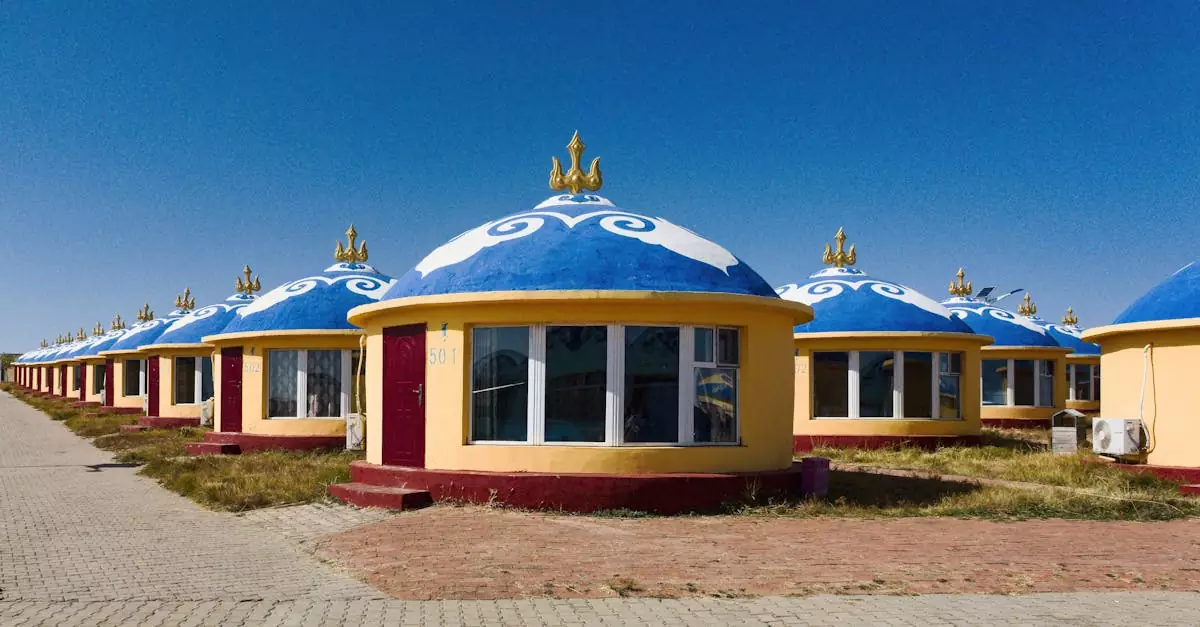
Traditional ger camps present unique tipping considerations, as these accommodations blend tourism with authentic cultural experiences. Staff at ger camps typically earn lower wages than urban hotel employees, making modest tips particularly meaningful. A general guideline suggests 15,000-30,000 Tugrik ($6-12 USD) per day for camp staff who provide meals, maintain facilities, and offer cultural activities, distributed among the team rather than individual workers.
Budget accommodations, including guesthouses and hostels, operate with minimal tipping expectations. However, exceptional service such as arranging transportation, providing detailed local guidance, or going beyond standard hospitality duties merits recognition through small tips of 5,000-15,000 Tugrik ($2-6 USD). The key principle across all accommodation types is recognizing genuine effort and personal attention rather than following rigid percentage-based formulas.
Transportation and Guide Tipping Practices
Transportation tipping in Mongolia encompasses various scenarios, from urban taxi rides to multi-day wilderness expeditions with drivers and guides. Taxi drivers in Ulaanbaatar don’t typically expect tips, though rounding up fares or adding 1,000-2,000 Tugrik ($0.40-0.80 USD) for helpful service is appreciated. For longer taxi journeys or when drivers assist with luggage or provide local insights, tips of 5,000-10,000 Tugrik ($2-4 USD) demonstrate appropriate gratitude.
Private drivers for day trips or extended tours represent a significant tipping category, as these professionals often serve as informal guides, translators, and cultural ambassadors. Daily tips for private drivers typically range from 25,000-50,000 Tugrik ($10-20 USD), depending on the complexity of the itinerary, vehicle quality, and additional services provided. Multi-day expeditions with the same driver might warrant 30,000-60,000 Tugrik ($12-24 USD) per day, recognizing the specialized skills required for navigating Mongolia’s challenging terrain.
Professional tour guides deserve particular attention in tipping considerations, as their expertise significantly enhances travel experiences. Local guides for half-day city tours typically receive 15,000-25,000 Tugrik ($6-10 USD), while full-day guides might earn 30,000-50,000 Tugrik ($12-20 USD). Specialized guides for activities like horseback riding, hiking, or cultural experiences command higher tips of 40,000-75,000 Tugrik ($16-30 USD) per day, reflecting their specialized knowledge and the personalized nature of their services.
Cultural Context and Regional Variations
Mongolia’s tipping culture reflects deep-rooted traditions of hospitality that predate modern tourism, creating unique dynamics that travelers should understand and respect. Traditional Mongolian society operates on principles of reciprocal generosity, where hosts provide for guests without expectation of immediate compensation, viewing hospitality as a moral obligation rather than a commercial transaction. This cultural foundation means that in rural areas, attempts to tip nomadic families or traditional herders might be politely declined or cause confusion.
Regional variations in tipping practices correspond closely with tourism development and urbanization levels. Mongolia’s capital and largest city, Ulaanbaatar, has embraced international tipping norms more readily than rural provinces, where traditional values remain stronger. Secondary cities like Darkhan, Erdenet, and Choibalsan fall somewhere between urban and rural expectations, with modest tipping appreciated but not assumed.
Seasonal considerations also influence tipping practices, particularly in tourism-dependent regions. During peak summer months when most international visitors arrive, service staff in tourist areas may expect tips more readily, having become accustomed to foreign tipping customs. Winter months see reduced tourism and correspondingly lower tipping expectations, though this also means that gratuities during off-season travel are often more meaningful to recipients who face reduced income during slower periods.
Specific Service Scenarios and Appropriate Amounts
Spa and wellness services in Mongolia, particularly in Ulaanbaatar’s upscale hotels and dedicated wellness centers, follow tipping practices similar to international standards but with locally adjusted amounts. Massage therapists typically receive tips of 15,000-30,000 Tugrik ($6-12 USD) for hour-long sessions, while spa attendants and support staff might receive 5,000-10,000 Tugrik ($2-4 USD) for exceptional service. Traditional Mongolian treatments, such as hot stone therapy or herbal treatments, warrant similar tipping levels when provided in commercial settings.
Shopping assistance and personal services present unique tipping scenarios in Mongolian contexts. Market guides who help navigate Ulaanbaatar’s large markets like Narantuul (Black Market) typically receive 10,000-20,000 Tugrik ($4-8 USD) for several hours of assistance, particularly when they help with language barriers and price negotiations. Personal shoppers or assistants for purchasing traditional items like cashmere, felt products, or artwork might receive 20,000-40,000 Tugrik ($8-16 USD) depending on the complexity and value of purchases facilitated.
Adventure and outdoor activity guides command specialized tipping consideration due to safety responsibilities and technical expertise required. Horseback riding guides for multi-day expeditions typically receive 40,000-80,000 Tugrik ($16-32 USD) per day, reflecting their skills in horse management, route navigation, and cultural interpretation. Hiking guides for challenging terrain or multi-day treks earn similar amounts, while fishing guides or hunting expedition leaders might receive 60,000-120,000 Tugrik ($24-48 USD) daily, acknowledging their specialized knowledge and the premium nature of these activities.
Payment Methods and Practical Considerations
Cash remains the predominant method for tipping throughout Mongolia, with Mongolian Tugrik being the preferred currency for all gratuities. While US dollars are sometimes accepted in high-end establishments catering to international tourists, local currency demonstrates cultural awareness and ensures recipients can use tips immediately without currency exchange complications. ATMs are readily available in Ulaanbaatar and major towns, though rural areas may have limited access, making cash planning essential for extended trips.
Denominations for tipping purposes should include plenty of smaller notes, as breaking large bills for tips can be challenging and awkward. Useful denominations include 1,000, 5,000, 10,000, and 20,000 Tugrik notes, which cover most tipping scenarios without requiring complex calculations or change-making. Many travelers find it helpful to prepare daily tipping budgets in advance, setting aside appropriate amounts in small envelopes or separate wallet compartments to streamline the tipping process.
Timing and presentation of tips in Mongolia should reflect cultural sensitivity and respect. Tips are best offered discreetly, either handed directly to service providers with a brief expression of gratitude or left in appropriate locations like hotel rooms for housekeeping staff. Group tipping situations, such as at ger camps or during tours, benefit from designating one person to collect and distribute tips appropriately, ensuring fair distribution and avoiding confusion or embarrassment among staff members.
Budget Planning for Tipping Expenses
Comprehensive budget planning for Mongolia tipping expenses should account for trip duration, accommodation types, dining preferences, and planned activities. A moderate 7-day trip to Mongolia including Ulaanbaatar city exploration and countryside ger camp experiences might require $50-100 USD in total tipping budget, covering restaurant meals, accommodation services, transportation, and guided activities. Luxury travelers staying in high-end hotels and utilizing premium services should budget $150-250 USD for the same duration.
Daily tipping budgets provide practical frameworks for expense management. Budget travelers focusing on local experiences and modest accommodations might allocate $5-10 USD daily for tips, while mid-range travelers using a mix of international and local services should consider $10-20 USD daily. Luxury travelers or those participating in specialized activities like multi-day horseback expeditions or premium hunting/fishing experiences may require $25-50 USD daily for appropriate tipping.
Seasonal adjustments to tipping budgets reflect varying service levels and availability throughout Mongolia’s extreme climate cycles. Summer travel (June-August) typically requires higher tipping budgets due to peak service levels and increased tourist activity, while winter travel may require lower overall amounts but higher per-service tips to acknowledge the challenges of providing quality service in harsh conditions. Spring and autumn shoulder seasons often provide the best balance of service quality and reasonable tipping expectations.
FAQs
Is tipping mandatory in Mongolia?
Tipping is not mandatory in Mongolia, unlike some Western countries where it’s considered essential. Traditional Mongolian culture emphasizes genuine hospitality without expectation of additional payment. However, in tourist-oriented businesses, especially in Ulaanbaatar, tipping has become more common and appreciated for good service, though it remains voluntary.
How much should I tip at restaurants in Mongolia?
Restaurant tipping in Mongolia typically ranges from 5-15% depending on the establishment and service quality. Upscale restaurants in Ulaanbaatar appreciate 10-15% for excellent service, while mid-range restaurants see 5-10% tips. Casual local eateries don’t expect tips, though rounding up the bill or leaving small change is welcomed.
What’s appropriate for tipping tour guides in Mongolia?
Tour guide tipping varies by duration and specialization. Half-day local guides typically receive 15,000-25,000 Tugrik ($6-10 USD), while full-day guides earn 30,000-50,000 Tugrik ($12-20 USD). Specialized guides for activities like horseback riding or multi-day expeditions command 40,000-80,000 Tugrik ($16-32 USD) per day, reflecting their expertise and responsibilities.
Should I tip in US dollars or Mongolian Tugrik?
Mongolian Tugrik is strongly preferred for all tipping situations, as it demonstrates cultural awareness and ensures recipients can use tips immediately. While some high-end establishments accept US dollars, local currency is more practical and respectful. ATMs are available in cities for currency exchange, though rural areas have limited access.
Do I need to tip at traditional ger camps?
Ger camps operate with different expectations than urban hotels, blending tourism with authentic cultural experiences. A general guideline suggests 15,000-30,000 Tugrik ($6-12 USD) per day for camp staff, distributed among the team rather than individual workers. This recognizes their lower wages compared to urban hotel employees and acknowledges the cultural experience they provide.
Making Informed Tipping Decisions in Mongolia
Successful tipping in Mongolia requires balancing respect for traditional culture with recognition of evolving service expectations in the tourism industry. Understanding that Mongolia’s tipping culture reflects a unique blend of nomadic hospitality traditions and modern commercial practices helps travelers make appropriate decisions that honor both cultural values and individual service quality. The key lies in observing local customs, recognizing genuine effort and exceptional service, and offering gratuities as expressions of gratitude rather than obligatory payments.
Travelers who approach tipping in Mongolia with cultural sensitivity and reasonable expectations will find their gestures of appreciation warmly received and meaningful to recipients. The relatively modest amounts involved make generous tipping accessible to most visitors, while the significant impact on local service providers’ incomes makes thoughtful gratuities particularly valuable. Remember that authentic experiences often emerge from genuine interactions and mutual respect, which appropriate tipping practices can enhance and support.
As Mongolia continues developing its tourism infrastructure and international connections, tipping practices will likely evolve further, but the fundamental principles of respect, fairness, and cultural awareness will remain constant. By following these guidelines and remaining observant of local customs, travelers can contribute positively to Mongolia’s tourism economy while ensuring their own experiences are enriched through meaningful connections with the people who make their journeys memorable and rewarding.