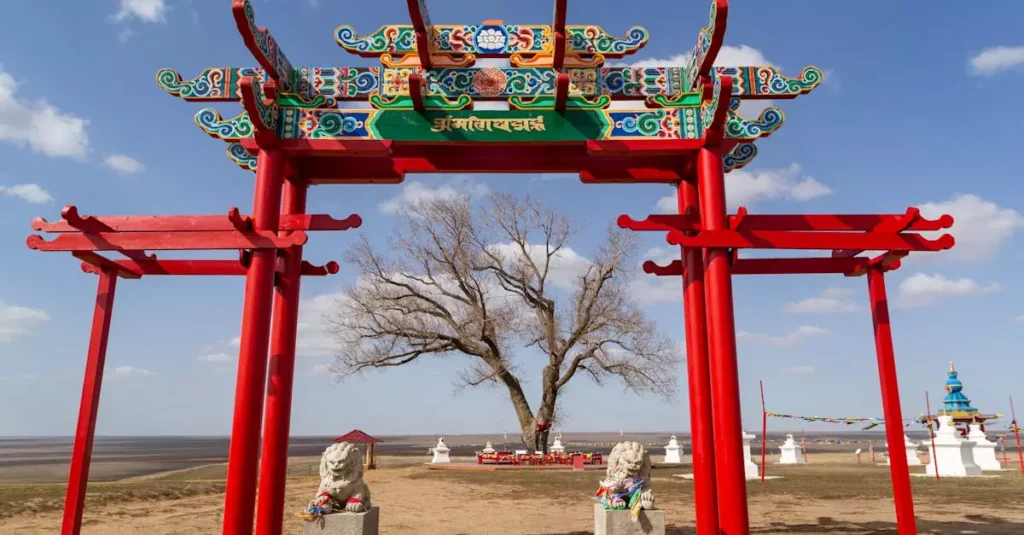
Mongolia’s vibrant festival scene offers travelers an extraordinary opportunity to immerse themselves in centuries-old traditions while experiencing the raw beauty of the steppes. Understanding mongolia festival travel cost is essential for planning an authentic cultural journey that won’t break the bank. From the world-famous Naadam Festival to intimate local celebrations, Mongolia’s festivals provide unique insights into nomadic culture, traditional sports, and spiritual practices that have remained largely unchanged for generations.
The cost of attending festivals in Mongolia varies significantly depending on the event’s scale, location, and timing. Major festivals like Naadam attract international visitors and command premium prices for accommodations and tours, while smaller regional celebrations offer more budget-friendly alternatives with equally authentic experiences. Festival travel costs typically include transportation to remote locations, specialized accommodations ranging from ger camps to luxury resorts, meals featuring traditional Mongolian cuisine, and entrance fees or tour packages that provide access to exclusive viewing areas and cultural activities.
Budget-conscious travelers can expect to spend between $50-150 per day during festival periods, while luxury seekers might invest $300-500 daily for premium experiences. These costs fluctuate based on advance booking, group size, and the level of cultural immersion desired. Understanding these financial considerations allows travelers to make informed decisions about which festivals to attend and how to structure their Mongolian adventure for maximum cultural impact within their available budget.
Major Mongolian Festivals and Their Associated Costs
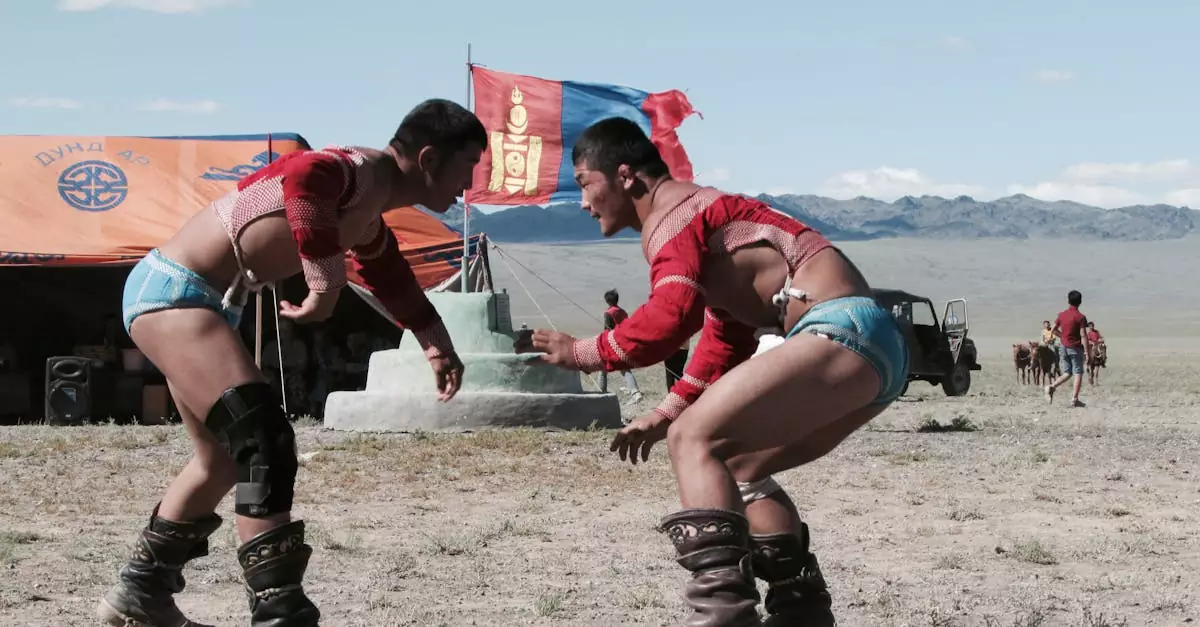
The Naadam Festival stands as Mongolia’s most prestigious celebration, held annually from July 11-13 in Ulaanbaatar and various provinces. This “Three Games of Men” festival showcases wrestling, horse racing, and archery competitions that date back to Genghis Khan’s era. Attending Naadam in the capital requires significant financial planning, with stadium tickets ranging from $15-50 depending on seating location. Premium viewing packages can cost $200-400 per person, including transportation, meals, and guided commentary.
The Golden Eagle Festival in Bayan-Ölgii Province represents one of Mongolia’s most spectacular cultural events, typically held in early October. This celebration of Kazakh eagle hunting traditions requires substantial travel investment due to its remote location. Tour packages generally cost $1,200-2,500 per person for 4-6 day experiences, including domestic flights, accommodations, meals, and festival access. Independent travelers can reduce costs by arranging local transportation and staying in guesthouses, potentially cutting expenses by 30-40%.
Ice Festival celebrations during winter months offer unique cultural experiences at more moderate costs. These events, held in various locations including Khövsgöl Lake, feature ice sculptures, traditional games, and cultural performances. Daily costs typically range from $40-80 per person, including basic accommodations and meals. The remote nature of these festivals often requires specialized transportation, adding $100-200 to overall trip expenses depending on group size and departure location.
Regional festivals throughout Mongolia provide authentic cultural experiences at significantly lower costs than major international events. Local Naadam celebrations in smaller towns cost $5-15 for entrance, while accommodations remain affordable at $20-40 per night. These intimate gatherings offer closer interaction with local communities and often include spontaneous cultural exchanges that larger festivals cannot provide.
Transportation and Accommodation Expenses
Getting to Mongolia’s festival locations requires careful transportation planning that significantly impacts overall travel costs. International flights to Ulaanbaatar typically range from $800-1,500 depending on departure location and booking timing. Domestic transportation within Mongolia varies dramatically based on destination and comfort level. Domestic flights to remote festival locations like Bayan-Ölgii cost $150-300 per person, while overland travel by hired vehicle ranges from $80-150 daily including driver and fuel.
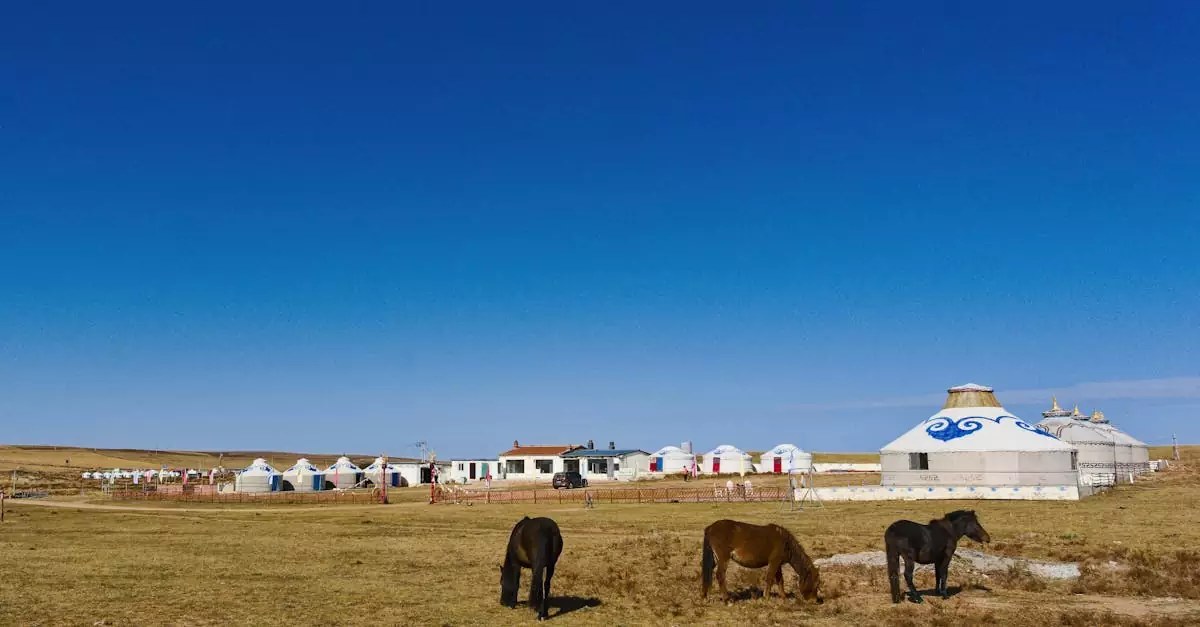
Accommodation options during festival periods span from budget guesthouses to luxury ger camps, each offering distinct cultural experiences. Traditional ger camps provide authentic nomadic living experiences at $60-120 per night per person, typically including meals and cultural activities. These camps often book months in advance during major festivals, making early reservation essential for securing reasonable rates. Budget travelers can find guesthouse accommodations in Ulaanbaatar for $25-45 per night, though availability becomes scarce during peak festival periods.
Luxury accommodations cater to travelers seeking comfort while experiencing Mongolian culture. High-end ger camps and boutique hotels charge $200-400 per night, offering amenities like private bathrooms, gourmet meals, and exclusive cultural programming. These premium options often include transportation from Ulaanbaatar, guided excursions, and preferential festival seating, justifying higher costs through comprehensive service packages.
Transportation between festival events and accommodations requires additional budget consideration. Local taxis in Ulaanbaatar cost $0.50-2.00 per kilometer, while hiring private vehicles for rural festival attendance ranges from $60-100 daily. Many travelers opt for organized tour packages that bundle transportation, accommodation, and festival access, often providing better value than independent arrangements while ensuring reliable logistics in challenging terrain.
Food and Cultural Experience Costs
Mongolian festival cuisine represents an integral part of the cultural experience, with costs varying significantly between tourist-oriented venues and authentic local establishments. Traditional festival foods like mutton, dairy products, and fermented mare’s milk (airag) are often included in ger camp packages but require separate budgeting for independent travelers. Local restaurants in Ulaanbaatar charge $8-15 per meal for traditional dishes, while international cuisine costs $12-25 per person.
Festival-specific dining experiences command premium prices due to limited availability and cultural significance. Special ceremonial meals during major festivals cost $25-50 per person, often including multiple courses, traditional beverages, and cultural entertainment. These experiences provide invaluable insights into Mongolian hospitality customs and food preparation techniques that have sustained nomadic communities for centuries.
Cultural activities beyond the main festival events require additional budget allocation for maximum immersion. Horseback riding lessons cost $30-60 per session, while traditional craft workshops range from $15-40 depending on complexity and materials provided. Many festivals offer package deals combining multiple cultural activities at reduced rates, typically saving 20-30% compared to individual bookings.
Purchasing authentic Mongolian crafts and souvenirs during festivals supports local artisans while providing lasting memories of the cultural experience. Traditional items like cashmere products, leather goods, and handcrafted jewelry range from $20-200 depending on quality and complexity. Negotiating prices is expected in local markets, though festival vendors often maintain fixed pricing due to increased demand from international visitors.
Budget Planning Strategies for Festival Travel
Effective budget planning for Mongolian festival travel requires understanding seasonal price fluctuations and booking strategies that maximize value while ensuring authentic experiences. Early booking discounts of 15-25% are common for major festivals, particularly when reserving accommodations and tour packages 3-6 months in advance. Group travel arrangements often yield significant savings, with many tour operators offering reduced per-person rates for parties of 4-8 travelers.
Shoulder season festival attendance provides substantial cost savings while maintaining cultural authenticity. Regional festivals held outside peak summer months cost 30-50% less than major events, offering intimate cultural experiences with greater local interaction opportunities. Winter festivals, despite harsh weather conditions, provide unique cultural perspectives at significantly reduced accommodation and transportation costs.
Mixed accommodation strategies help balance comfort with budget constraints during extended festival tours. Combining luxury ger camp experiences for 2-3 nights with budget guesthouses for remaining days allows travelers to experience authentic nomadic living without exceeding budget limitations. This approach typically reduces overall accommodation costs by 25-40% while maintaining cultural immersion opportunities.
Independent travel arrangements require more planning but offer greater budget control and flexibility. Hiring local guides directly costs $40-80 per day compared to $100-150 through tour operators, though this requires more advance research and language preparation. Self-arranged transportation using public buses and shared vehicles can reduce costs by 40-60%, though comfort levels and reliability may be compromised.
Seasonal Cost Variations and Timing Considerations
Mongolia’s extreme seasonal variations create dramatic cost fluctuations that significantly impact festival travel budgets. Summer months (June-August) represent peak season with maximum prices for all travel components. Accommodation costs during this period can be 50-100% higher than off-season rates, while transportation and tour services command premium pricing due to increased demand from international visitors.
The timing of specific festivals creates micro-seasons within Mongolia’s broader tourism patterns. Naadam Festival week sees the highest prices of the year, with some accommodations charging 200-300% of normal rates. Booking alternatives like staying outside Ulaanbaatar and commuting to festival events can reduce accommodation costs by 40-60% while maintaining access to main celebrations.
Autumn festivals (September-October) offer excellent value propositions with moderate weather conditions and reduced tourist crowds. The Golden Eagle Festival period represents an exception, with specialized tour costs remaining high due to limited accommodation options and challenging logistics in remote locations. However, other autumn celebrations provide authentic cultural experiences at 30-50% lower costs than summer equivalents.
Winter festival attendance requires specialized equipment and clothing that adds $200-400 to overall trip costs but provides unique cultural experiences unavailable during other seasons. Ice festivals and winter celebrations offer intimate settings with local communities, often including spontaneous cultural exchanges and traditional activities like ice fishing and winter horseback riding that enhance the overall cultural immersion experience.
Hidden Costs and Additional Expenses
Mongolian festival travel involves numerous hidden costs that can significantly impact overall budgets if not properly anticipated. Visa fees for many nationalities range from $50-100, while travel insurance specifically covering adventure activities and remote location medical evacuation costs $80-150 for typical festival trip durations. These essential expenses are often overlooked during initial budget planning but represent mandatory costs for safe and legal travel.
Equipment rental for festival activities adds substantial costs, particularly for specialized events like the Golden Eagle Festival. Warm clothing rental in remote locations costs $30-50 daily, while photography equipment suitable for outdoor festival conditions ranges from $40-80 per day. Many travelers underestimate these costs, leading to budget overruns or missed opportunities for full festival participation.
Communication costs in remote festival locations can be surprisingly high, with international roaming charges reaching $10-20 daily and local SIM cards costing $20-40 including data packages. Satellite communication devices for emergency contact in extremely remote areas cost $15-25 daily but provide essential safety coverage for independent travelers attending isolated festivals.
Tipping customs and cultural gift-giving expectations represent important cultural considerations with financial implications. Local guides expect tips of $10-20 daily, while host families for homestay experiences appreciate gifts valued at $20-50. Understanding these cultural expectations prevents awkward situations while ensuring respectful interaction with local communities during festival celebrations.
Money-Saving Tips and Budget Alternatives
Experienced Mongolia festival travelers employ various strategies to reduce costs while maintaining authentic cultural experiences. Traveling during regional festival periods instead of major international events provides 40-60% cost savings while offering more intimate cultural interactions. Local Naadam celebrations in provincial centers deliver authentic experiences at fraction of Ulaanbaatar costs, with accommodation, food, and transportation expenses significantly lower.
Collaborative travel arrangements with other international visitors create opportunities for shared costs and enhanced experiences. Joining existing tour groups at the last minute often yields discounted rates, while organizing informal groups through social media and travel forums allows cost-sharing for transportation, guides, and accommodation. These arrangements typically reduce individual costs by 25-40% while providing social benefits and shared cultural discoveries.
Extending stay duration beyond festival periods allows travelers to experience daily Mongolian life at reduced costs while gaining deeper cultural understanding. Post-festival periods offer discounted accommodation rates and opportunities for authentic cultural exchange without tourist crowds. Many travelers find these quieter periods more rewarding for meaningful cultural interaction and photography opportunities.
Learning basic Mongolian phrases and cultural customs enables more effective negotiation and demonstrates respect that often results in preferential pricing and enhanced experiences. Local communities appreciate visitors who show genuine interest in their culture beyond tourist attractions, often leading to invitations for authentic cultural experiences that money cannot purchase. This cultural investment pays dividends in both cost savings and meaningful cultural exchange throughout the festival experience.
Comparing Tour Packages vs Independent Travel
Tour packages for Mongolian festivals offer convenience and comprehensive experiences but at premium prices that may not suit all budgets. Luxury tour operators charge $2,500-5,000 per person for week-long festival experiences, including international flights, accommodations, meals, guides, and exclusive access to cultural events. These packages eliminate planning stress and provide expert cultural interpretation but limit flexibility and authentic local interaction opportunities.
Mid-range tour options provide balanced approaches between cost and convenience, typically costing $1,200-2,500 per person for similar durations. These tours often use local accommodations and transportation while providing professional guides and cultural activities. Group sizes are usually smaller than luxury options, allowing more personalized experiences while maintaining cost efficiency through shared resources.
Independent travel requires significantly more planning and cultural preparation but offers maximum flexibility and cost control. Experienced independent travelers can attend major festivals for $800-1,500 total cost including international flights, though this requires extensive advance research, language preparation, and comfort with uncertainty. The cultural rewards of independent travel often exceed organized tours through spontaneous interactions and authentic experiences unavailable to large tour groups.
Hybrid approaches combining independent travel with selective tour services provide optimal balance for many travelers. Arranging independent flights and accommodation while purchasing day tours for specific festival events and cultural activities allows cost control while ensuring access to expert cultural interpretation. This approach typically costs 30-50% less than full tour packages while maintaining most convenience benefits and cultural learning opportunities.
The choice between tour packages and independent travel ultimately depends on individual comfort levels, available time for planning, and desired cultural immersion depth. Mongolia’s rich cultural heritage rewards both approaches when travelers maintain respectful attitudes and genuine interest in local customs and traditions.
FAQs
What is the average daily cost for attending Mongolian festivals?
Daily costs for Mongolian festival attendance typically range from $50-150 for budget travelers, $150-250 for mid-range experiences, and $300-500 for luxury accommodations and services. These costs include accommodation, meals, local transportation, and festival entrance fees. Costs vary significantly based on festival location, timing, and chosen comfort level.
When should I book accommodations for major Mongolian festivals?
Booking accommodations 3-6 months in advance is essential for major festivals like Naadam and the Golden Eagle Festival. Early booking often provides 15-25% discounts and ensures availability during peak periods. Last-minute bookings may result in limited options and significantly higher prices, particularly for authentic ger camp experiences.
Are there budget-friendly alternatives to expensive festival tours?
Regional festivals and off-season celebrations offer authentic cultural experiences at 40-60% lower costs than major international festivals. Local Naadam celebrations in provincial towns, winter ice festivals, and smaller cultural events provide intimate cultural immersion opportunities without premium pricing. Independent travel arrangements can further reduce costs while maintaining cultural authenticity.
What hidden costs should I budget for Mongolian festival travel?
Hidden costs include visa fees ($50-100), travel insurance ($80-150), equipment rental ($30-80 daily), communication expenses ($20-40), and cultural gifts/tips ($50-100 total). These additional expenses can add $300-500 to overall trip costs but are essential for safe, respectful, and fully immersive festival experiences.
How much should I budget for food during Mongolian festivals?
Food costs vary from $15-25 daily for local restaurants and street food to $50-80 daily for tourist-oriented establishments and special festival meals. Many ger camps include meals in accommodation packages, while independent travelers should budget $20-40 daily for authentic local dining experiences. Traditional festival foods and ceremonial meals cost $25-50 per experience but provide invaluable cultural insights.
Planning Your Mongolian Festival Adventure
Successfully navigating mongolia festival travel cost requires careful planning, cultural sensitivity, and realistic budget expectations that account for both obvious expenses and hidden costs. The investment in attending Mongolian festivals yields extraordinary cultural rewards that extend far beyond typical tourist experiences, providing insights into one of the world’s last nomadic cultures and traditions that have remained largely unchanged for centuries. Whether choosing luxury tour packages or independent travel arrangements, the key to successful festival attendance lies