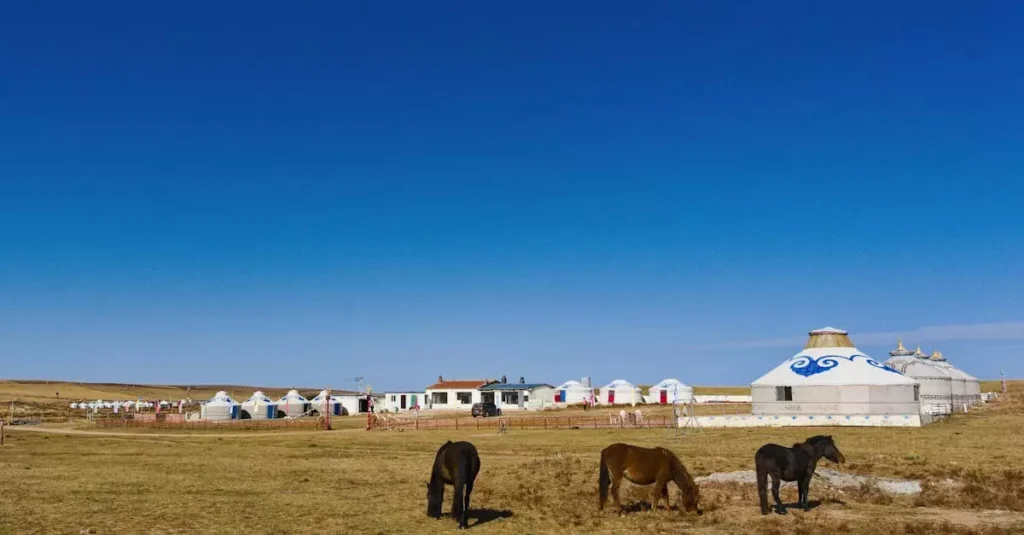
Planning a Mongolia nomadic experience cost requires careful consideration of various factors that influence the overall price of immersing yourself in one of the world’s last remaining traditional nomadic cultures. The vast landscapes of the Gobi Desert and Mongolia’s steppes offer travelers an authentic glimpse into a lifestyle that has remained largely unchanged for centuries, but understanding the financial investment needed for such an adventure is crucial for proper trip planning. From staying in traditional gers (yurts) with nomadic families to participating in daily herding activities, the costs can vary significantly depending on the level of authenticity, comfort, and duration you seek.
The pricing structure for nomadic experiences in Mongolia typically ranges from budget-friendly community-based tourism options to luxury glamping experiences that blend traditional nomadic elements with modern amenities. Most travelers find that a genuine nomadic experience requires a minimum investment of $50-150 per day, though this can fluctuate based on seasonal demand, group size, and the specific region you choose to explore. The Gobi Desert, being one of Mongolia’s most sought-after destinations for nomadic experiences, often commands premium pricing due to its remote location and the logistical challenges involved in reaching authentic nomadic communities.
Understanding the true value of a Mongolia nomad lifestyle tour price guide involves looking beyond simple accommodation costs to consider the cultural exchange, meals, activities, transportation, and guide services that create a comprehensive nomadic immersion. Many travelers discover that the initial investment in a quality nomadic experience pays dividends in terms of cultural understanding, personal growth, and memories that last a lifetime. The key lies in selecting an experience that aligns with your budget while ensuring authentic interaction with nomadic families and their traditional way of life.
Types of Nomadic Experiences Available
Mongolia offers several distinct categories of nomadic experiences, each with its own pricing structure and level of authenticity. Community-based tourism programs represent the most affordable option, typically costing between $35-60 per day per person. These programs directly connect travelers with nomadic families who open their homes and share their daily routines, from milking livestock to preparing traditional dairy products like airag (fermented mare’s milk). Participants sleep in traditional gers, eat meals prepared by the host family, and contribute to daily chores alongside their hosts.
Mid-range nomadic experiences, priced between $80-120 per day, often include professional guides who can bridge language barriers and provide cultural context while maintaining authentic interactions with nomadic families. These packages typically feature more structured activities such as horseback riding lessons, traditional craft workshops, and organized visits to multiple nomadic settlements. Transportation between locations is usually included, along with higher-quality camping equipment for nights spent under the stars.
Luxury nomadic experiences can cost $200-400 per day and focus on comfort while preserving cultural authenticity. These premium packages often feature beautifully appointed ger camps with private bathrooms, gourmet meals that blend traditional Mongolian cuisine with international flavors, and exclusive access to renowned nomadic families or regions. Professional photographers, cultural specialists, and even academic experts may accompany these high-end experiences to provide deeper insights into nomadic traditions and history.
Accommodation Costs and Options
Traditional ger stays with nomadic families represent the most authentic and economical accommodation option, typically costing $15-30 per night per person when arranged directly with families or through community tourism organizations. These stays include sleeping space within the family’s ger, shared meals, and participation in daily activities. Guests should expect basic amenities, with outdoor pit toilets and washing facilities that may consist of a basin and pitcher. The experience emphasizes cultural exchange over comfort, with families often sharing stories, teaching traditional skills, and including visitors in seasonal activities like animal migrations or felt-making.
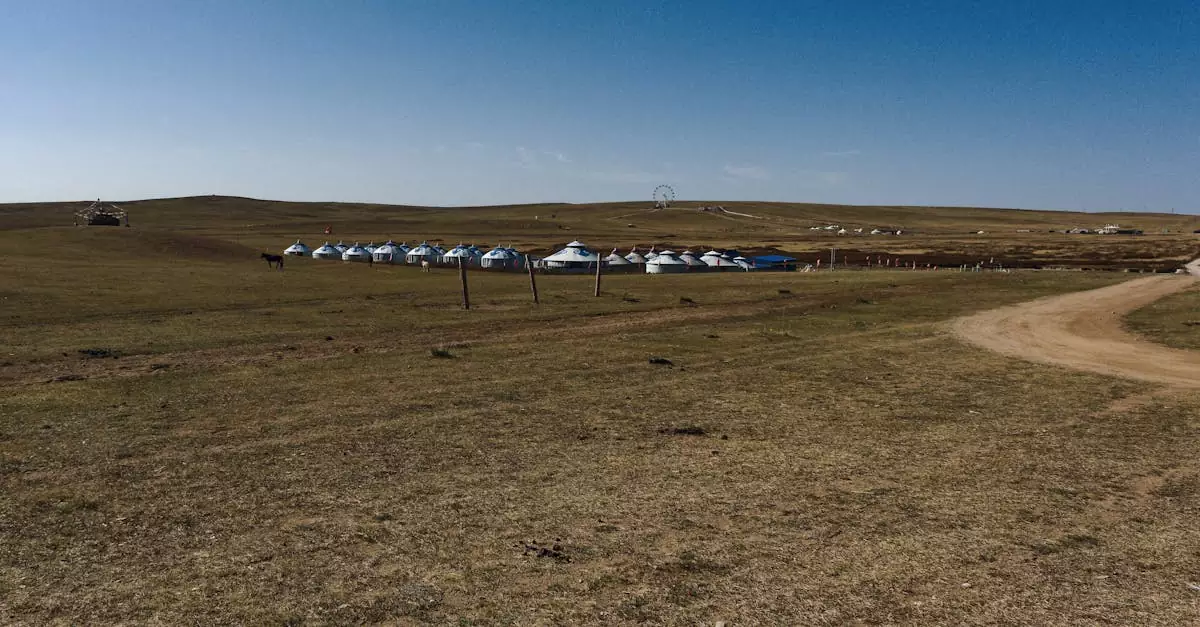
Semi-permanent ger camps designed for tourists offer a middle ground between authenticity and comfort, with prices ranging from $40-80 per night. These camps feature traditional gers equipped with beds, basic furniture, and sometimes electricity generated by solar panels or small generators. Shared bathroom facilities with running water and Western-style toilets are typically available, along with a central dining ger where meals are served. Many camps employ local nomadic families as staff, maintaining cultural connections while providing more predictable service standards.
Luxury ger camps and glamping experiences can cost $150-300 per night and feature individually appointed gers with private bathrooms, comfortable furnishings, and modern amenities like WiFi and charging stations. These establishments often include spa services, fine dining experiences featuring both traditional and international cuisine, and organized cultural programs with professional entertainment. While less authentic than family stays, luxury camps provide access to nomadic regions for travelers who require higher comfort levels while still experiencing traditional architecture and cultural programs.
Transportation and Guide Expenses
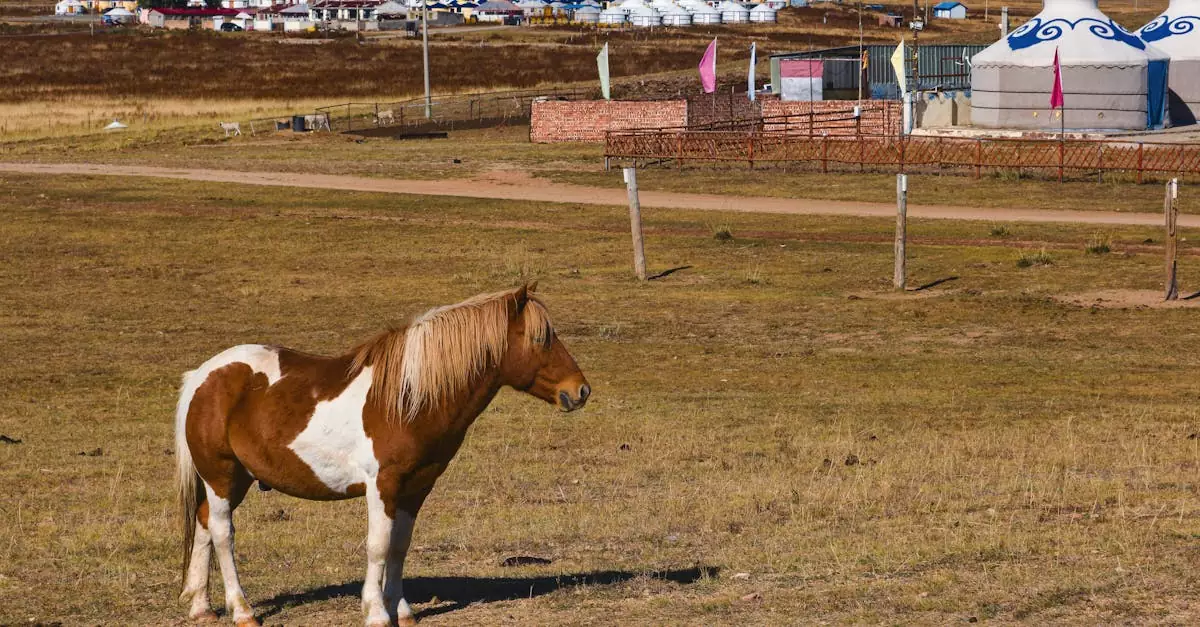
Transportation costs represent a significant portion of nomadic experience expenses, particularly when visiting remote areas like the Gobi Desert where nomadic families may be located hundreds of kilometers from the nearest town. Private vehicle hire with driver typically costs $80-150 per day, depending on vehicle type and distance traveled. Russian UAZ vans, the most common transport for nomadic region access, offer durability and affordability but limited comfort during long journeys across rough terrain. More comfortable Toyota Land Cruisers or similar 4WD vehicles command premium prices but provide better ride quality and reliability.
Professional guide services add $30-80 per day to trip costs but prove invaluable for meaningful cultural exchange and practical assistance. Experienced guides facilitate communication with nomadic families, explain cultural practices and taboos, assist with activity participation, and handle logistical arrangements. Many guides come from nomadic backgrounds themselves, bringing personal insights and family connections that enhance the authenticity of interactions. English-speaking guides typically cost more than those speaking other languages, reflecting the specialized training required and limited availability in remote regions.
Group transportation arrangements can significantly reduce individual costs, with shared vehicle expenses dropping to $20-40 per person per day when traveling in groups of 4-6 people. Many tour operators offer fixed-departure group tours that combine transportation, guiding, and accommodation into package deals ranging from $90-180 per person per day. These packages often include multiple nomadic family visits, cultural activities, and sightseeing stops at natural landmarks, providing comprehensive experiences while distributing costs across multiple participants.
Food and Cultural Activity Costs
Meals during nomadic experiences vary dramatically in cost and style depending on accommodation type and cultural immersion level. Family stays typically include all meals as part of the daily rate, featuring traditional foods like mutton, dairy products, and seasonal vegetables. Guests participate in food preparation, learning to make traditional items like buuz (steamed dumplings), aaruul (dried cheese curds), and traditional tea with milk and salt. These meals, while simple, provide authentic cultural experiences and cost approximately $10-20 per day when included in family stay arrangements.
Organized tours and ger camps often feature more varied menus that blend traditional Mongolian dishes with international options to accommodate diverse dietary preferences. Professional camp kitchens can prepare vegetarian options, accommodate food allergies, and provide familiar breakfast items alongside traditional fare. Meal costs in these settings range from $25-50 per day, with luxury camps offering elaborate buffets and à la carte options that can exceed $60 daily per person. Many camps pride themselves on sourcing ingredients locally, including fresh meat from nomadic herders and dairy products made using traditional methods.
Cultural activities integrated into nomadic experiences include horse riding lessons ($15-30 per session), traditional archery instruction ($10-20), felt-making workshops ($20-40), and participation in seasonal activities like sheep shearing or livestock herding. These hands-on experiences provide deeper cultural understanding while supporting nomadic families through additional income. Some activities, particularly those requiring specialized equipment or extensive instruction, may cost extra even within package deals. Seasonal activities like attending local festivals or participating in animal migrations may require additional fees of $50-100 but offer once-in-a-lifetime cultural experiences.
Seasonal Pricing Variations
Mongolia’s extreme continental climate creates dramatic seasonal variations in both nomadic experience availability and pricing. Summer months (June through August) represent peak season when nomadic families are most accessible, weather conditions are favorable, and cultural activities are most diverse. During this period, prices typically increase by 30-50% above shoulder season rates, with popular destinations like the Gobi Desert commanding premium pricing due to high demand and limited accommodation capacity. Summer also offers optimal conditions for traditional activities like horseback riding, livestock herding, and outdoor cultural demonstrations.
Spring (April-May) and autumn (September-October) shoulder seasons provide excellent value for nomadic experiences, with prices often 20-30% lower than peak summer rates. Weather remains generally favorable, though travelers should prepare for more variable conditions and potential temperature extremes. Spring offers unique opportunities to witness animal births and participate in seasonal migrations, while autumn provides harvest-related activities and preparation for winter. Many nomadic families appreciate visitors during these periods when tourism pressure is reduced, allowing for more intimate cultural exchanges.
Winter nomadic experiences, while challenging due to extreme cold and limited accessibility, offer the most authentic glimpse into nomadic resilience and adaptation strategies. Prices during winter months (November-March) can be 40-60% lower than summer rates, though available options are significantly limited. Winter experiences focus on survival skills, traditional crafts practiced during the harsh season, and understanding how nomadic families endure temperatures that can drop below -40°C. These experiences require specialized cold-weather gear and higher fitness levels but provide unparalleled insights into nomadic adaptability. The concept of nomadic lifestyle becomes most apparent during these harsh winter months when traditional knowledge systems prove their worth.
Hidden Costs and Budget Considerations
Beyond basic accommodation, transportation, and activity costs, nomadic experiences often involve additional expenses that can significantly impact total trip budgets. Travel insurance specifically covering remote area activities and medical evacuation can cost $50-150 depending on coverage level and trip duration. Many standard travel insurance policies exclude coverage for horseback riding, remote area trekking, and other activities common in nomadic experiences, making specialized adventure travel insurance essential for comprehensive protection.
Equipment rental or purchase represents another significant cost consideration, particularly for travelers lacking appropriate gear for Mongolia’s extreme climate and outdoor activities. Quality cold-weather clothing, sleeping bags rated for low temperatures, and sturdy hiking boots can cost $200-500 to purchase or $30-60 per day to rent. Many tour operators include basic equipment in package prices, but personal comfort items, specialized photography equipment, and premium outdoor gear typically require additional investment. Travelers should carefully review what equipment is provided versus what they need to bring or rent separately.
Tipping and gift-giving customs add another layer of expense that respectful travelers should budget for when planning nomadic experiences. Nomadic families appreciate small gifts from visitors’ home countries, particularly items for children like school supplies, toys, or clothing. Professional guides and drivers expect tips ranging from $5-15 per day depending on service quality and trip duration. Some travelers also choose to provide monetary gifts to host families, particularly when staying in community-based tourism arrangements where families receive limited direct compensation. Budgeting $100-200 for gifts and tips ensures travelers can participate appropriately in cultural exchange customs without financial stress.
Value Comparison and Cost-Effectiveness
When evaluating Mongolia nomadic experience costs against similar cultural immersion opportunities worldwide, the value proposition becomes quite compelling. Comparable authentic cultural experiences in regions like Tibet, Bhutan, or remote areas of Central Asia often cost 50-100% more than Mongolian nomadic experiences while offering less direct family interaction and cultural participation. Mongolia’s relatively developed tourism infrastructure, combined with nomadic families’ openness to hosting visitors, creates unique opportunities for authentic cultural exchange at reasonable prices.
The cost-effectiveness of different nomadic experience types depends heavily on individual priorities and travel styles. Budget-conscious travelers seeking maximum cultural immersion often find community-based family stays offer exceptional value, providing authentic experiences at $40-70 per day including accommodation, meals, and activities. Mid-range travelers typically discover that organized tours priced at $100-150 per day provide optimal balance between authenticity and comfort, with professional guides enhancing cultural understanding while maintaining genuine nomadic interactions.
Luxury nomadic experiences, while expensive at $200-400 per day, often provide value through exclusive access, expert interpretation, and comfort levels that enable longer stays and deeper cultural engagement. These premium experiences frequently include cultural specialists, professional photographers, and access to renowned nomadic families or restricted areas that independent travelers cannot easily reach. For travelers with limited time but strong interest in nomadic culture, luxury experiences can provide concentrated cultural immersion that justifies higher daily costs through efficiency and depth of experience.
FAQs
What is the average daily cost for an authentic nomadic experience in Mongolia?
Authentic nomadic experiences in Mongolia typically cost between $50-150 per day per person, depending on accommodation type, group size, and included services. Community-based family stays represent the most affordable option at $35-60 daily, while mid-range organized tours cost $80-120 per day. Luxury experiences can exceed $200-400 daily but include premium amenities and exclusive access to remote nomadic communities.
Are meals included in nomadic experience pricing?
Most nomadic experiences include meals as part of the daily rate, particularly family stays and organized tour packages. Traditional meals featuring mutton, dairy products, and seasonal vegetables are typically provided, with guests often participating in food preparation as part of the cultural experience. Luxury camps may offer more diverse menus with international options, while budget arrangements focus on authentic traditional cuisine prepared by host families.
What additional costs should I budget for beyond the basic package price?
Additional costs typically include travel insurance ($50-150), equipment rental for cold-weather gear ($30-60 daily), tips for guides and drivers ($5-15 daily), and gifts for host families ($50-100 total). Transportation to Mongolia, visa fees, and personal shopping should also be considered. Budget an extra 20-30% above package prices to cover these supplementary expenses comfortably.
How do seasonal variations affect nomadic experience pricing?
Summer months (June-August) command peak pricing with rates 30-50% higher than shoulder seasons due to optimal weather and high demand. Spring and autumn offer excellent value with prices 20-30% lower than summer while maintaining favorable conditions. Winter experiences provide the lowest prices, often 40-60% below summer rates, but require specialized cold-weather preparation and have limited availability.
Is it more cost-effective to book independently or through tour operators?
Independent booking can reduce costs by 20-40% but requires extensive research, language skills, and cultural knowledge to arrange authentic experiences safely. Tour operators provide valuable services including transportation, professional guides, cultural interpretation, and emergency support that often justify higher costs. First-time visitors typically find organized tours offer better value through comprehensive services and guaranteed authentic cultural interactions with nomadic families.
Making the Most of Your Investment
Understanding Mongolia nomadic experience costs enables travelers to make informed decisions that align their cultural curiosity with budget realities while ensuring meaningful interactions with one of the world’s last remaining nomadic cultures. The investment in a quality nomadic experience extends far beyond simple accommodation and meals, encompassing cultural education, personal growth, and support for traditional communities maintaining ancient lifestyles in an increasingly modern world. Whether choosing budget-friendly family stays or luxury ger camps, the key lies in selecting experiences that provide genuine cultural exchange while respecting both nomadic traditions and your financial boundaries. Proper planning, realistic budgeting, and clear expectations ensure that your investment in Mongolia’s nomadic culture yields rich returns in understanding, memories, and personal transformation that justify every dollar spent on this extraordinary cultural journey.