
A trip to Uyuni, Bolivia opens up a world of stunning vistas and experiences you won’t forget anytime soon. But while you’re busy planning those salt flat expeditions and lining up your perfect shots, it pays to know what you’ll actually spend on food. Your daily meals represent one of the biggest chunks of your travel budget, so getting a handle on typical uyuni food price per day makes real sense for your planning.
Uyuni serves up plenty of ways to eat, depending on what you’re after. You’ll find everything from hole-in-the-wall street vendors to sit-down restaurants with proper menus. The breakdown of breakfast, lunch, and dinner costs varies quite a bit based on where you choose to eat. Whether you’re hunting for bargains or willing to spend a bit more, you’ll find solid information here to help you manage your money without sacrificing good meals.
The goal here is straightforward: give you honest, practical advice based on what travelers actually encounter and what locals know. By the time you finish reading, you should have a clear picture of what your uyuni meal cost might look like. That way, you can dig into Bolivia’s food scene with confidence, knowing there won’t be any surprise bills at the end of your stay.
Understanding Your Uyuni Food Price Per Day
How much you spend on food in Uyuni really depends on your travel style and what kind of experiences matter to you. The town itself offers a wide range of eating options. Hunt around and you’ll find incredibly cheap meals, especially if you’re willing to eat where locals do. On the flip side, restaurants that cater to tourists naturally charge more. Most people find a sweet spot somewhere in the middle without too much trouble.
Picture a typical day: maybe a quick breakfast at your hostel, a proper lunch at a neighborhood spot, and something more substantial for dinner. The prices swing all over the place depending on what you pick. A basic breakfast might run you just 5-10 Bolivian Bolivianos (BOB). A full, traditional lunch could be anywhere from 15-30 BOB. Dinner usually costs the most of any meal. You might spend as little as 20 BOB for something simple, or 60 BOB or more if you’re at a nicer place. These numbers give you a ballpark to work with when you’re mapping out your budget.
Keeping tabs on the local currency and how it stacks up against your home money matters too. Exchange rates shift your perception of whether something’s cheap or expensive. The good news is Bolivia ranks among the most wallet-friendly destinations for travelers. That extends straight to the foodyou can eat well and still have money left over. Keep some smaller bills of BOB on hand for markets and street vendors. It makes transactions smoother and often gets you better prices.
Breakfast, Lunch, and Dinner: A Daily Breakdown
Breaking down what each meal typically costs helps you see where your money goes. Breakfast tends to be the simplest part of the day. Many hostels and hotels throw breakfast in with your room. You usually get bread, jam, coffee, maybe some eggs. If it’s not included, local bakeries and cafes have cheap options. A coffee and pastry might cost 5-10 BOB (roughly $0.70-$1.40 USD). Want something heartier? Empanadas or salteas run about 4-8 BOB each.
Lunch is where Bolivians take their time. You’ll notice many restaurants offer an ‘almuerzo’a set lunch menu that’s genuinely hard to beat. Typically you get soup, a main dish, and sometimes a small dessert or drink. These menus go for 15-30 BOB (around $2.15-$4.30 USD) and give you a real taste of Bolivian cooking. Find places where you see locals eating and you’ll score both the best prices and the freshest food. These spots care about value and flavor, giving you the real deal.
Dinner offers more flexibility depending on your budget. Stick with another set lunch menu at a local spot if money’s tight. Street food vendors sell quick bites like anticuchos (grilled beef hearts) or salchipapas (sausage and fries) for 10-20 BOB. Head to a restaurant that welcomes tourists and you’re looking at 35-70 BOB (around $5-$10 USD) for a main course. You might get llama steak, trout, pastathe options vary. Don’t forget to add drinks to your uyuni meal cost when you’re calculating what you’ll actually spend.
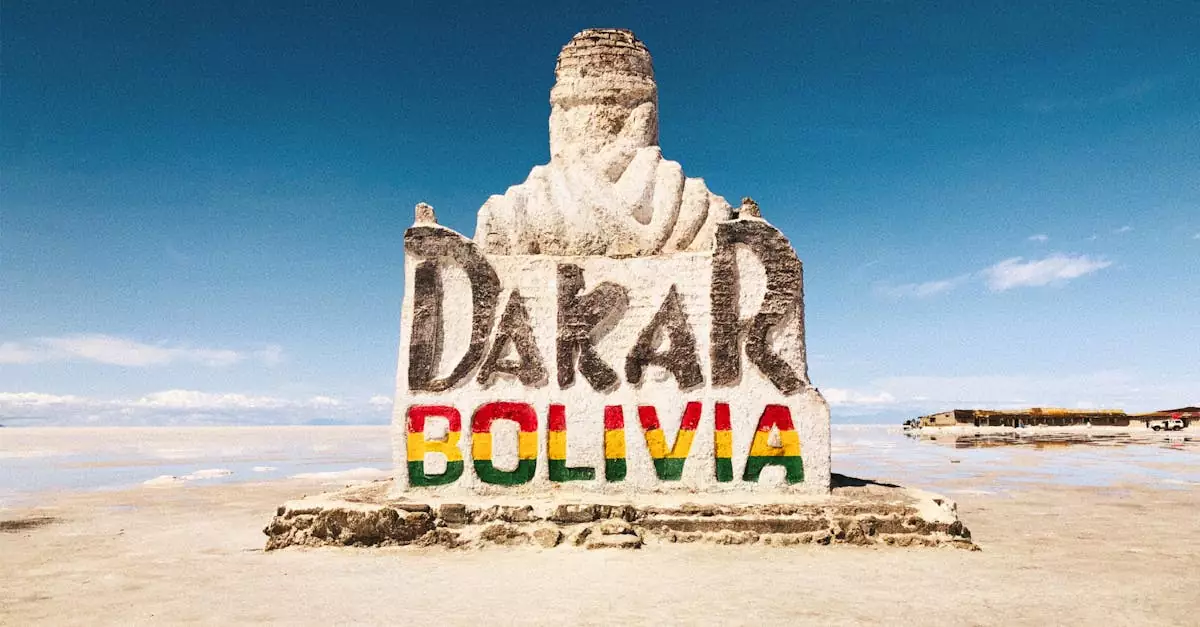
Dining Options: From Street Food to Local Eateries
Your options for eating in Uyuni run the full spectrum, and each one has its own personality and price tag. Street food wins the affordability contest hands down. Vendors pop up all overespecially near the main plaza and market areasselling snacks and quick meals throughout the day. Salteas, empanadas, and humitas (steamed corn cakes) are everywhere, rarely costing more than 8 BOB each. When dinner rolls around, look for stalls grilling meat or frying chicken with potatoes. You can get a filling meal for around 15-25 BOB. Stick with vendors who have a line of customers waiting; that usually means the food’s fresh and the setup’s clean.
Local eateriescalled ‘comedores’ or ‘pensiones’deliver authentic, affordable food without the fuss. These are typically family-run places serving traditional Bolivian dishes. The ‘almuerzo’ really shines here. Dinner might feature ‘silpancho’ (a thin, pounded piece of beef or chicken with rice, potatoes, and a fried egg on top) or ‘pique macho’ (a loaded platter with beef, sausage, fries, and veggies). Dinner mains at these places usually run 25-45 BOB. This is where you actually experience Bolivian food culture at its heart.
Don’t shy away from trying things you’ve never had before when you’re exploring these spots. Bolivian cooking is packed with flavor and tradition. Potatoes, corn, quinoa, and various meats show up constantly in hearty, satisfying dishes. Ask locals where they like to eatthey’ll point you toward hidden spots with great value and even better food. Diving into these local dining experiences is how you keep your uyuni food price per day reasonable while making your trip richer at the same time.
Mid-Range and Upscale Restaurants Bolivia Guide
If you want a more comfortable meal or a bigger menu to choose from, Uyuni has mid-range and upscale restaurants that fit the bill. These places cater more to tourists and usually blend traditional Bolivian dishes with international influences. You’ll pay more than at local comedores, but it’s still cheap compared to eating out in most Western countries. Mid-range restaurants typically charge 40-70 BOB (around $5.70-$10 USD) for a main course. You might order alpaca steak, trout from Lake Titicaca, or various pasta dishes. The drink menus tend to be more extensive too, with local beers and wines available.
Upscale dining spots are rarer in Uyuni but they do exist. They offer a polished atmosphere and often serve gourmet takes on Bolivian ingredients. Plan on spending 70-120 BOB (around $10-$17 USD) or more for a main dish. While that’s higher than other Uyuni restaurants, it’s still solid value compared to fine dining elsewhere. These places work well for a special dinner or when you just want to pamper yourself after a long day exploring. Staff usually speak English and menus are available in multiple languages, which helps international visitors. When you’re budgeting your uyuni food price per day, setting aside money for one or two mid-range meals makes sense.
A quick search for ‘restaurants Bolivia guide’ will surface some of the better-known places in Uyuni. You might find spots famous for their atmosphere or regional specialties. Keep in mind that even fancy restaurants in Bolivia serve generous portions. You’ll leave the table feeling completely full. Mixing in these dining experiences adds variety to your food journey and lets you appreciate different sides of Uyuni’s eating scene. Whether you go simple or refined, the food here is a major part of your trip.
Comparing Meal Costs: Budget vs. Mid-Range vs. Splurge
Seeing how prices differ across various dining styles helps you figure out where to put your food money. There are three basic tiers: Budget, Mid-Range, and Splurge. Each one delivers a different experience and costs differently. This comparison lets you pick where to spend and how to mix things up based on what you feel like each day.
Budget travelers stick mostly to street food, local markets, and comedores. This approach cuts costs dramatically. Mid-range travelers enjoy a mix of local spots and more tourist-friendly restaurants, treating themselves to something nicer once in a while. Splurge travelers hit the higher-end places more often and prioritize comfort and variety. This tiered system gives you flexibility. You can save on some days and treat yourself on others. It’s all about finding what works for you.
Look at your overall travel budget guide when making these choices. Food costs pile up fast if you’re not paying attention. The silver lining in Uyuni is that even a splurge meal costs less than a mid-range meal in lots of other travel spots. That makes it a fantastic place to enjoy good food without spending a fortune. The table below shows you exactly what daily food costs look like across these categories, so you can see your potential spending clearly.
| Category | Breakfast (BOB) | Lunch (BOB) | Dinner (BOB) | Daily Total (BOB) | Daily Total (USD Approx.) |
|---|---|---|---|---|---|
| Budget Traveler | 5-10 (Hostel/Street) | 15-25 (Almuerzo) | 15-25 (Street/Comedor) | 35-60 | $5-$9 |
| Mid-Range Traveler | 10-20 (Cafe/Hostel) | 25-40 (Local Restaurant) | 40-70 (Tourist Restaurant) | 75-130 | $11-$19 |
| Splurge Traveler | 20-35 (Hotel/Cafe) | 40-70 (Upscale Restaurant) | 70-120+ (Gourmet Dining) | 130-225+ | $19-$32+ |
Pros and Cons of Eating Out in Uyuni
Eating out in Uyuni comes with both real advantages and some drawbacks worth knowing about. The biggest pro is how cheap it is, especially for local food. You can get hearty, flavorful meals for way less than you’d pay almost anywhere else. This stretches your travel budget significantly. Another major plus is tasting authentic Bolivian cooking. Dishes like ‘pique macho’, ‘silpancho’, and various soups are delicious and you won’t find them anywhere else. Eating out also saves you the hassle of cooking, which matters after spending hours touring the salt flats.
On the downside, variety can be limited outside tourist restaurants, especially if you’re looking for international food. People with dietary restrictions might struggle to find suitable meals and need to ask around more. Hygiene standards at some smaller local spots or street stalls might not match what you’re used to. While most vendors keep things clean, it’s smart to pick busy, well-maintained places. Tourist restaurants sometimes charge a bit more than truly local spots, so you need to be selective to get the best bang for your uyuni meal cost.
Overall, the positives outweigh the negatives when eating out in Uyuni. The chance to enjoy local flavors at such reasonable prices is something many visitors highlight as a trip highlight. It’s a big part of experiencing the culture. By being thoughtful about where you eat and what you choose, you can enjoy delicious food safely and affordably. Jump at the chance to try new dishes. It’ll make your time in Bolivia that much better. Bolivian cuisine on Wikipedia shows just how diverse and worth exploring the local food really is.
Practical Tips for Managing Your Uyuni Meal Cost
Keeping your uyuni food price per day under control takes a few smart moves. First, take advantage of the local ‘almuerzo’ (set lunch menu). It’s the best value for a real meal. Lots of places give you soup, a main, and a drink for 15-30 BOB. Making lunch your biggest meal saves money compared to spending more at dinner. Second, if your place has a kitchen, cook some of your own meals. Buying stuff from the local market costs almost nothing. You can whip up simple breakfasts or dinners and save even more.
Third, pay attention to where Bolivians actually eat. Restaurants packed with locals are usually a solid bet for good quality and fair prices. Don’t hesitate to walk a block or two away from the main tourist drag. You’ll find better deals there. Fourth, bring a reusable water bottle. Buying bottled water adds up. Refilling at your accommodation or at purified water stations cuts that cost down. Fifth, go easy on alcohol if you’re watching your spending. Drinks, especially imported ones, cost more relative to food.
Finally, always ask the price before you order, particularly at street stalls. It avoids confusion down the road. While Uyuni is generally safe, being clear about cost is always smart. Think about bringing some non-perishable snacks from homegranola bars, nuts, that sort of thing. They’re handy for long travel days or when you need a quick bite. By using these strategies, you can really bring down your uyuni meal cost. That leaves more cash for tours and other experiences you’ll remember forever in Bolivia.
Frequently Asked Questions About Food in Uyuni
What is the average daily food cost in Uyuni for a budget traveler?
Budget travelers typically spend around 35-60 BOB ($5-$9 USD) daily on food. That covers a simple breakfast, a set lunch menu, and street food or a basic dinner.
Are vegetarian options readily available in Uyuni restaurants?
Vegetarian dishes exist but might be scarce at very local spots. You can usually find vegetable soups, rice dishes, or ask for meals without meat. Bigger tourist restaurants have more variety.
Is it safe to eat street food in Uyuni?
Street food can be safe if you pick wisely. Go for vendors with lots of customers, hot food, and clean setups. Trust your gut; skip any place that feels off.
Can I find international cuisine in Uyuni?
Yes, some tourist-oriented restaurants serve international dishes like pizza, pasta, or Chinese food. These cost more than traditional Bolivian meals.
Should I tip in Uyuni restaurants?
Tipping isn’t required in Bolivia, but it’s nice if service was good. A small tip of 5-10% is appreciated. Most locals don’t tip, so it’s completely your call.
Conclusion: Planning Your Uyuni Culinary Adventure
Getting the hang of Uyuni’s food scene doesn’t have to stress you out. Once you understand what uyuni food price per day looks like, you can plan your meals and money with real confidence. Street food and local comedores appeal to some, while others prefer mid-range restaurants. Uyuni has something for every taste and budget. The cost breakdowns for breakfast, lunch, and dinner plus the practical advice here give you what you need to budget properly.
Eating like locals doespecially grabbing that ‘almuerzo’ set lunchis your ticket to keeping your uyuni meal cost reasonable. Don’t hesitate to browse the markets and chat with vendors. It saves money and makes your experience richer culturally. Knowing what hygiene to expect and where to find safe, delicious food means your meals will be enjoyable from start to finish.
Your Uyuni trip is about more than just those incredible salt flats. It’s also your chance to taste what Bolivia has to offer. Using this guide, you can savor every meal without financial stress and focus on making memories. Eat smart, be adventurous with your choices, and have an unforgettable time discovering what Uyuni has waiting for you. Check out the best time to visit to plan your trip even better.