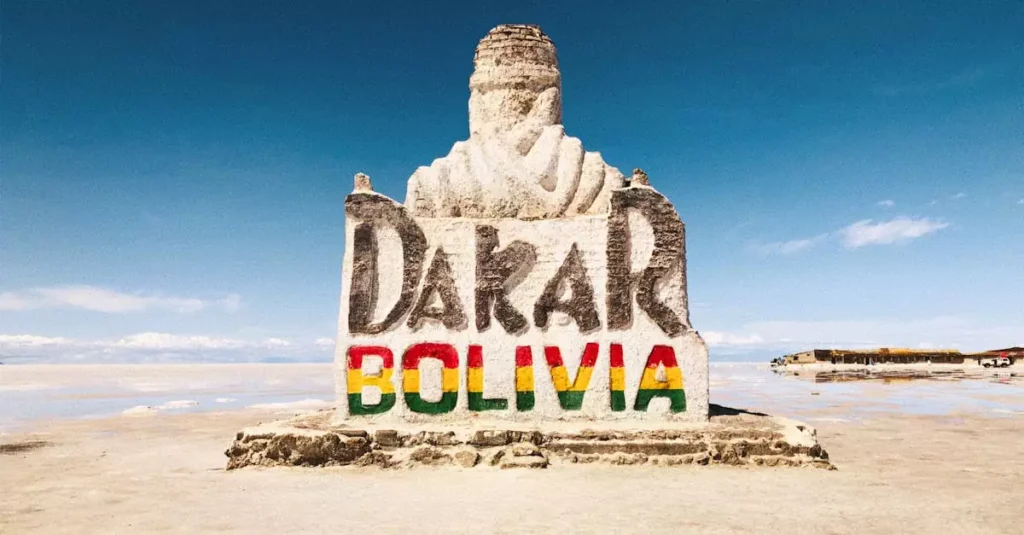
Dreaming of visiting the otherworldly Salar de Uyuni in Bolivia? You’re in for a treat. This guide is loaded with practical uyuni travel hacks designed to help you experience this natural wonder without draining your bank account. The salt flats are genuinely spectacular, but figuring out the logistics and keeping costs down can feel overwhelming. Plenty of travelers want to see this iconic landscape while staying budget-conscious. We’ve compiled advice from experienced guides and seasoned travelers to help you make the most of every moment and every dollar.
Selecting the right tour, packing strategically, and managing your budget smartly are all critical pieces of the puzzle. Bolivia delivers exceptional value for travelers, but you need to know where to cut corners. Transportation, where you sleep, and how you spend money on food all matter. You’ll witness the vast, alien-like terrain of Uyuni with confidence and money left in your pocket. This resource gives you everything you need for a savvy, wallet-friendly adventure.
Ready to discover what works best for visiting Uyuni? Our focus here is straightforward, actionable strategies. Find affordable transportation options that don’t sacrifice safety. Learn what locals do to stretch their money further. Understand the culture and where you can realistically save. Everything you need to tackle one of South America’s most famous destinations is right here. Your experience will be amazing, and you’ll have stories to tell for years.
Mastering Uyuni Travel Hacks for Budget Tours
The tour operator you choose makes or breaks your Uyuni experience. While many companies run similar routes, their pricing and quality differ dramatically. Start hunting for tours once you’re in Uyuni itself, or check out nearby hubs like La Paz and San Pedro de Atacama. Booking online weeks in advance typically costs more than what you’ll find locally. Arriving in person lets you shop around, ask questions, and negotiate directly. Seek out agencies with solid reviews and transparent safety practices. Always dig into what’s actually includedfood, water, where you’ll sleep, entrance fees. Negotiating is totally normal in Bolivia, so don’t hesitate to push for a better price. This is one of the smartest uyuni cheap travel hacks for landing a solid deal.
Most 3-day, 2-night tours departing from Uyuni run between 700-1200 Bolivian Bolivianos (BOB), or roughly $100-$170 USD. Your money typically covers a 4×4 vehicle, a driver or guide, meals, and basic lodging. Be suspicious of rock-bottom pricesthey often signal corners being cut on safety or comfort. Group tours cost considerably less than private options. Hunt for other travelers at your hostel or through local agencies to split costs. This approach saves money and creates instant friendships. Before committing, inspect the vehicle itself. Look for signs of good maintenance and check that every seat has a belt. Ask about the driver’s background and whether they speak English if that matters to you.
Think about starting from Tupiza instead of Uyuni for a fresh angle on the landscape. Tupiza-based tours tend to cost a bit more but showcase more varied terrain and typically wrap up in Uyuni. If you’re coming from Chile, San Pedro de Atacama tours are another option. These cross the border and finish in Uyuni but come with a higher price tag due to the international component. Always confirm the exact route beforehand. Make sure it hits all the spots you wantIncahuasi Island, the train graveyard, the colorful lagoons. Knowing your options is essential for anyone trying to stretch their budget when exploring Uyuni.
Smart Accommodation & Food: Uyuni Cheap Travel Hacks
Uyuni town itself is pretty basicit’s mainly a jumping-off point for the salt flats. You’ll find hostels and simple hotels scattered around. Dorm beds run 40-80 BOB ($6-$12 USD). A private room goes for 100-200 BOB ($15-$30 USD). You don’t necessarily need to book ahead, especially during slower months. Walk-in rates are often competitive. Once you’re on your salt flat tour, accommodation is bundled in. You’ll stay in rustic salt hotels or simple refuges with minimal amenities. Expect basic beds and shared bathrooms. Hot showers usually cost extra (10-20 BOB). The spartan conditions are part of the charmembrace them as an authentic piece of the journey.
Eating affordably in Uyuni is straightforward. Head to local markets or comedoressmall, family-run restaurants where locals eat. A full lunch menu (almuerzo) costs 15-25 BOB ($2-$4 USD) and typically includes soup, a main dish, and a beverage. You get genuine Bolivian food at unbeatable prices. Supermarkets stock snacks, water, and other supplies. Buy before your tour since prices jump in remote areas. Hydration is crucial at this altitude and in the dry climateaim for 2-3 liters daily. A large bottle of water costs around 10 BOB ($1.50 USD) in town. A 5-liter jug offers better value.
Pack your own snacks, instant coffee, or tea bags to save on the road. Tour meals are usually simplepasta, rice, chicken, vegetablesso having favorite treats makes things more pleasant. Keep small bills and coins of Bolivian Bolivianos on hand. Many places, especially away from town, won’t take cards. Uyuni has ATMs, but they sometimes run dry. Withdraw sufficient cash in a bigger city like La Paz before arriving. This prevents headaches later. These food and lodging strategies are core uyuni cheap travel hacks for a successful trip.
Transportation Tips: Getting to and Around Uyuni
Getting to Uyuni involves multiple options, each with different costs and travel times. The most common choice is the bus. From La Paz, an overnight bus takes 9-10 hours and costs 80-150 BOB ($12-$22 USD). Go for a cama (sleeper) or semi-cama (reclining) bus if you want to be comfortable. These depart in the evening and arrive early morning, saving you a night’s hotel bill. Buy tickets at the bus terminal or through a trusted agency to sidestep scams. You can also catch buses from Sucre (8-9 hours, 70-120 BOB) or Potos (6-7 hours, 50-90 BOB). These typically run during the day.
Flying is another route. Flights from La Paz to Uyuni exist but are pricey$80-$150 USD one way for about an hour in the air. Speed comes at a cost. If time is tight, flying makes sense. For budget-minded travelers, the bus wins every time. Once you land in Uyuni, everything’s walkable. The bus station, train station, and tour agencies cluster in the center. Taxis exist but are usually unnecessary unless you’re hauling lots of gear or arriving super late. A short ride shouldn’t exceed 10-15 BOB.
Coming from Chile? San Pedro de Atacama is the popular starting point. You can book a 3-day tour that kicks off there and finishes in Uyuni. It’s convenient but typically pricier than starting in Bolivia. Another option: take a bus from Calama, Chile, to Uyuni, crossing at Hito Cajones. It’s a long haul requiring careful logistics. Always have your passport and visa documents ready. Double-check that your entry and exit stamps are correct to avoid complications. Understanding these transport choices is key for anyone trying to save money guide for Uyuni.
Health and Safety: Essential Uyuni Travel Hacks
Altitude is the big challenge at Uyuniyou’re sitting at 3,700 meters (12,140 feet). Altitude sickness doesn’t care how fit you are. Spend a few days acclimatizing in La Paz (3,640m) or Potos (4,090m) before heading higher. Drink water constantly. Skip alcohol and heavy food for the first few days. Coca leaves are a traditional fixchew them or sip coca tea, which many hotels provide. Diamox is a prescription option worth discussing with your doctor beforehand. Pay attention to what your body tells you. Severe headaches, nausea, or dizziness mean rest and possibly descending. Your guide can help if things get serious.
The sun at this elevation is intense and unforgiving. UV rays are brutal. Slather on high-SPF sunscreen, wear a wide-brimmed hat, and grab quality sunglasses. Clouds don’t protect youthe salt reflects light and amplifies exposure. Get a lip balm with SPF too. The air is parched, so bring moisturizer. Sip water nonstop. Dehydration makes altitude sickness worse. Pack a basic first-aid kit with pain relievers, bandages, antiseptic wipes, and any medications you take regularly. Antidiarrheal meds are handy to have.
Tour safety matters most. Pick established operators with solid reputations. Don’t sacrifice safety for a few dollars. Check the vehicle condition. The driver should look alert and experienced. Drivers often double as guides, and English ability varies. Pick up some basic Spanish phrases to bridge communication gaps. Keep valuables out of sight. Use a money belt or secure bag. Bolivia is relatively safe, but petty theft happens in busy areas. Stay aware, especially in bus terminals and markets. These health and safety tips are essential uyuni travel hacks for peace of mind.
Packing Smart for the Salt Flats: A Comprehensive Guide
Packing for the salt flats means preparing for wild temperature swings. Days can feel warm and sunny, but nights drop below freezingespecially in winter (May-August). Layer everything. Start with thermal underwear as your base. Add a fleece or wool layer, then a warm jacket. Top it with a windproof, waterproof shell. Basic tour accommodations offer minimal heating, so nights get genuinely cold. A warm beanie, gloves, and a scarf are non-negotiable. These items transform your comfort level dramatically.
Footwear deserves real thought. Bring broken-in hiking boots that grip well. You’ll walk on rocky terrain and across the salt itself. A second pairsneakers or sandalsworks for evenings. Pack flip-flops for shared showers. Thick wool socks keep feet warm and blister-free. Sun protection is critical. Beyond sunscreen, a wide-brimmed hat and solid sunglasses prevent eye damage from the salt’s glare. Unprotected eyes can suffer from snow blindness. This matters for your save money guide for Uyunibuying these items last-minute costs more.
Don’t forget a power bank for charging devices. Electricity is spotty during tours. A headlamp helps navigate dark accommodations. A reusable water bottle cuts plastic waste and keeps you hydrated. A small daypack is useful for excursions. Bring a camera with spare batteriesthe views demand photos. A tripod opens up creative perspective shots on the flats. Pack toiletries including hand sanitizer. Wet wipes become your best friend when showers aren’t available. These smart packing choices are excellent uyuni travel hacks for comfort on the road.
Comparing Uyuni Tour Options: Budget vs. Comfort
Your choice between budget and comfort tours shapes both your experience and your wallet. Budget tours draw the biggest crowds. You’ll share a 4×4 with 6-7 other people. Lodging is basicmulti-share rooms in salt hotels or simple refuges with few amenities. Food is filling but straightforward. The goal is maximum sights for minimum cash. These tours excel at connecting you with fellow travelers and delivering raw, unfiltered Uyuni. Comfort takes a hit, though. Showers are scarce, heating is minimal. This is where most uyuni cheap travel hacks shine, maximizing value.
Comfort tours flip the script. Smaller groups, better vehicles, nicer places to sleep. Some premium options include hotels with private bathrooms and actual heating. Meals step up in quality. These tours suit people who prioritize rest and privacy. The price tag reflects itcomfort tours often cost double or triple a budget option. A $150 budget tour might become a $400-$600 comfort experience. Both show you the same incredible landscapes of Salar de Uyuni, a natural wonder documented on Wikipedia. Your choice depends on what matters most to you.
Think about your priorities. Money-focused? A budget tour works perfectly, especially with smart packing. A warm sleeping bag liner, extra snacks, and a portable charger boost comfort without breaking the bank. Value a good night’s sleep and privacy? A comfort tour might justify the splurge. Some travelers split the differencebudget tour plus a nicer hotel in Uyuni town before or after. Weighing these options helps you pick what fits your style and expectations. Check our travel budget guide for broader planning tips.
Comparison Table: Uyuni Tour Types
| Feature | Budget Tour (3D/2N) | Comfort Tour (3D/2N) |
|---|---|---|
| Price (approx. USD) | $100 – $170 | $300 – $600 |
| Group Size | 6-7 passengers | 2-4 passengers (often private) |
| Accommodation | Basic salt hotels/refuges, shared rooms, limited facilities | Better hotels, private rooms, some with heating/hot water |
| Meals | Simple, local cuisine | Higher quality, more variety |
| Vehicle | Standard 4×4 (older models common) | Newer, more comfortable 4×4 |
| Guide | Driver often acts as guide (Spanish-speaking) | Dedicated English-speaking guide (often separate from driver) |
| Flexibility | Fixed itinerary | More flexible, customizable |
Pros and Cons of DIY vs. Organized Uyuni Tours
Weighing a do-it-yourself adventure against an organized tour requires honest reflection. DIY travel offers complete freedom. You explore on your schedule. You pick where to sleep and what to see. Seasoned adventurers might find this appealing. But here’s the reality: the salt flats are vast, remote, and largely unmarked. You’d need a capable 4×4, serious navigation skills, and deep local knowledge. Gas stations are few and far between. Cell service vanishes in many areas. Getting lost or breaking down becomes a genuine crisis. For most people, DIY is impractical and risky.
Organized tours handle the heavy lifting. Drivers, accommodations, food, logisticsit’s all arranged. Tour operators employ experienced drivers who know every route and condition. They’re prepared for emergencies. You can simply relax and soak in the views. Costs are predictable since most expenses bundle together. You sacrifice some flexibility compared to solo travel, but you gain safety, access to remote spots, and peace of mind. This is why our uyuni travel hacks focus on optimizing your tour experience rather than going solo.
Pros and Cons of Organized Uyuni Tours
- Pros:
- Safety and expertise of local drivers/guides.
- All logistics (transport, food, accommodation) handled.
- Access to remote areas not easily reached independently.
- Opportunity to meet other travelers.
- Cost-effective compared to renting a 4×4 and self-guiding.
- Cons:
- Less flexibility in itinerary and schedule.
- Basic accommodation and food on budget tours.
- Language barrier if driver does not speak English.
- Group dynamics can impact experience.
Practical Tips for Saving Money on Your Uyuni Trip
Trimming costs goes way beyond tour prices. Every small saving adds up fast. Always carry Bolivian Bolivianos. Exchange rates are better in major cities than in Uyuni or airports. ATMs exist in Uyuni but aren’t always reliable. Withdraw enough in La Paz or Sucre to cover your tour, park fees, and personal spending. The Eduardo Avaroa Andean Fauna National Reserve charges around 150 BOB ($22 USD)this is mandatory and usually not included in tour packages.
Pack strategically to save even more. Bring your own warm clothes, snacks, and a reusable water bottle. Buying these in Uyuni costs more. A sleeping bag liner boosts warmth without paying for extra blankets. A small gift for your guide if they go above and beyond is a kind gesture that often improves the whole experience. Check for student discounts if you have an international student ID. Some attractions and bus companies offer reduced rates. This tip works for any uyuni cheap travel hacks save money guide.
Be smart about souvenirs. Tourist hotspots mark things up. You’ll find salt crafts and alpaca products cheaper in markets in La Paz or Potos. Bargaining is expectedstart at 50-70% of the asking price, stay polite and friendly. Travel during shoulder seasons (April-May or September-October) when tour and accommodation prices dip slightly. Weather is pleasant too, and crowds are thinner. For timing advice, check our best time to visit guide.
FAQs About Uyuni Travel Hacks
How much money should I bring to Uyuni?
Plan on 1000-1500 BOB ($145-$215 USD) per person for a 3-day tour. This covers the tour itself, park entrance fees (150 BOB), extra water, snacks, and small souvenirs. Always have a buffer for unexpected costs.
Can I do a Uyuni tour by myself?
Solo tours are strongly discouraged. The landscape is enormous and remote with zero cell coverage. Organized tours provide experienced drivers, safety measures, and all the logistics you need.
What is the best time to visit Uyuni for budget travelers?
Shoulder seasons (April-May and September-October) work best. You’ll find lower prices and fewer crowds. Weather is generally favorablea mix of dry flats and occasional water reflections.
Are credit cards accepted in Uyuni?
Credit cards work