If you’ve ever fantasized about witnessing one of Earth’s most dramatic wildlife events, the Masai Mara in Kenya delivers exactly that. The masai mara peak season safari price becomes your gateway to one of nature’s greatest spectacles. Getting a clear picture of what you’ll spendand what you’ll experiencemakes all the difference when planning your journey. Costs fluctuate based on timing, accommodation choices, and the specific experiences you’re after, so understanding these variables helps you make smart decisions.
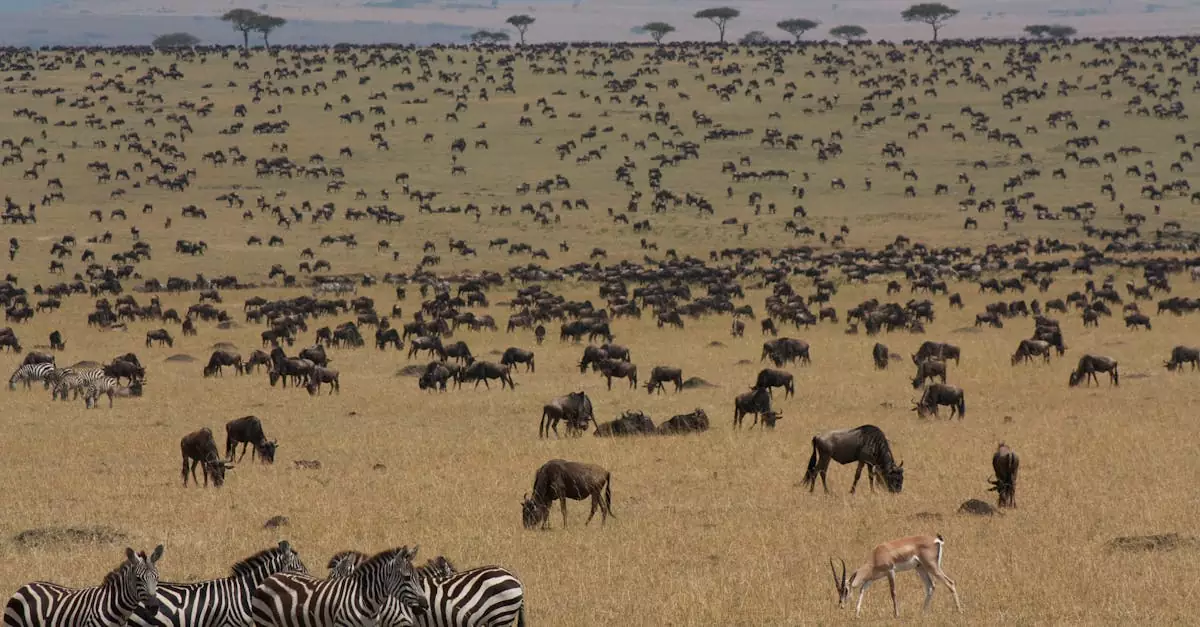
The Great Migration transforms the Masai Mara during its peak months. Massive herds of wildebeest and zebra surge across the Mara River in a stunning display of survival and movement. This natural phenomenon pulls travelers from every corner of the globe. When demand skyrockets, so do prices. The factors driving these costs up are worth examining if you want to understand your budget.
Before you commit to dates and book your flights, you need solid information about what different price points actually buy you. Safari packages vary dramatically depending on where you stay, how you travel, and which activities you choose. Getting these details straight helps you allocate your money wisely and sidestep any unpleasant surprises when you arrive.
Understanding Peak Season in Masai Mara
July through October marks the busiest time in the Masai Mara, driven by the annual Great Migration. Wildebeest and zebra herds flow northward from Tanzania’s Serengeti, searching for fresh grass and water. The sight is genuinely awe-inspiring. Thousands of tourists flock here hoping to witness this natural drama. Conditions during these months tend to be dry and clear, making it easier to spot animals. Water sources concentrate the wildlife, and predators become more active as prey congregates around these vital spots.
Many safari enthusiasts rank this as the ideal time to visit Kenya, largely because river crossingsthose nail-biting moments when herds plunge into crocodile-filled watersare most likely to happen. It’s the kind of experience people talk about for decades. The downside? Lodges fill up fast, prices climb, and you’ll share viewing spots with other safari-goers. Securing your accommodation requires booking half a year or more in advance if you want first pick. This advance planning pays off by ensuring you get the lodge you want and avoiding the stress of last-minute scrambling. Think carefully about whether the migration spectacle matters more to you than having a quieter, less crowded experience.
Why Peak Season Costs More
The masai mara peak season safari price climbs steeply for straightforward economic reasons. Supply and demand is the main culpriteveryone wants to visit when the migration is happening. This lets lodges and tour operators charge premium rates without losing bookings. You’ll see accommodation prices jump 30-50% above low-season rates. Getting to Kenya and moving around internally also costs more. Safari operators raise prices because their vehicles and experienced guides are booked solid. Park entrance fees stay fixed, but they represent a meaningful chunk of your total spend and support the reserve’s conservation work.
Beyond simple economics, peak season delivers a genuinely superior experience, and operators price accordingly. They schedule longer game drives knowing visitors want maximum chances to catch the migration. Some exclusive camps control access to prime viewing areas, giving guests an edge. Your guide brings expertise and dedicationthey’re out there working hard to track animals and share fascinating insights about behavior and ecology. All these factors stack up to justify the higher price tag. You’re not just paying for a place to sleep; you’re investing in an exceptional wildlife encounter that’s genuinely difficult to replicate at other times of year.
Masai Mara Peak Season Safari Price Breakdown
Daily rates for a masai mara peak season safari price swing widely depending on your accommodation choice and safari style. Budget-conscious travelers might find options starting around $300-$500 per person daily. Mid-range packages typically fall between $600-$1000. Luxury safaris frequently exceed $1200-$2000+ per person each day. Most of these rates bundle accommodation, meals, game drives, and park fees together. Your international flight to Kenya is almost always separate. Many higher-end packages do include the internal flight from Nairobi to the Mara. For additional budgeting strategies, check out our travel budget guide.
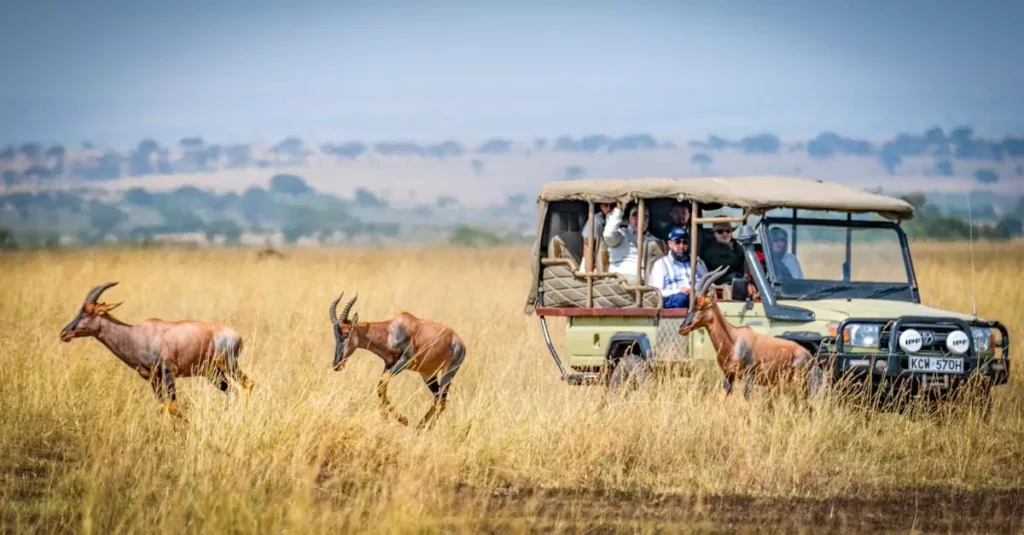
Where you sleep makes a huge difference in your daily cost. Basic tented camps provide comfortable but simple accommodations with shared bathrooms. Mid-range lodges step things up with private en-suite tents or rooms and better amenities. Luxury camps pamper you with lavish tents, private pools, and attentive personal service. Game drives happen in open-sided 4×4 vehicles with pop-up roofs for unobstructed viewing. Most safaris include morning and afternoon drives as standard. Some operators offer full-day excursions with packed lunches in the field. Hot air balloon safaris provide a completely different perspective and typically cost $450-$600 per person as an add-on. Factor these extras into your total when budgeting for your Masai Mara migration season safari price Kenya.
Comparison: Peak vs. Off-Peak Safaris
Side-by-side, peak and off-peak seasons reveal stark contrasts in both cost and what you’ll actually see. Off-peak monthsApril through May when the long rains fall, and November during the short rainscharge substantially less. Savings of 20-40% on lodging and packages are typical. Fewer tourists roam the reserve, creating a more peaceful, personal experience. The landscape turns lush and verdant during rainy periods, offering stunning photography opportunities. Game viewing becomes trickier, though. Animals disperse across the landscape since water is abundant everywhere. Muddy roads can slow travel and limit access to certain areas. Spotting the Great Migration’s dramatic river crossings? Virtually impossible during these months.
Peak season guarantees you’ll see the migration and enjoy generally sunny, dry weather. You’ll pay more and navigate larger crowds. Off-peak delivers affordability and solitude, but with less predictable wildlife encounters. Your decision hinges on what matters mostbudget, crowds, or specific wildlife experiences. Shoulder seasons like June, October, and early November split the difference. Prices dip below peak levels while the migration remains within reach. Knowing these trade-offs lets you pick the timing that aligns with your priorities and wallet.
Peak Season vs. Off-Peak Safari Comparison Table
| Feature | Peak Season (July-Oct) | Off-Peak Season (Apr-May, Nov) |
|---|---|---|
| Average Daily Cost (Mid-Range) | $600 – $1000+ | $400 – $700 |
| Great Migration Viewing | Excellent (River Crossings) | Unlikely |
| Crowd Levels | High | Low |
| Weather | Dry, Sunny, Pleasant | Rainy, Lush, Humid |
| Game Viewing | Excellent (animals concentrated) | Good (animals dispersed, challenging) |
| Photography | Clear skies, dusty | Vibrant green landscapes, dramatic skies |
Pros and Cons of a Peak Season Safari
Deciding whether peak season makes sense for you requires weighing real advantages against genuine drawbacks. Determining if the masai mara peak season safari price justifies the experience depends on your personal priorities.
Pros:
- Guaranteed Great Migration viewing, including river crossings.
- Excellent game viewing due to dry conditions and concentrated wildlife.
- Pleasant weather with less rain and cooler mornings/evenings.
- Higher chance of seeing predators in action.
- More safari activity and buzz, a vibrant atmosphere.
Cons:
- Significantly higher prices for accommodation and packages.
- Larger crowds, especially around popular river crossing points.
- Need to book far in advance, limiting spontaneity.
- More vehicles at sightings, potentially impacting exclusivity.
- Dustier conditions from increased vehicle traffic.
Practical Tips for Your Peak Season Safari
Smart planning separates a smooth safari from a stressful one. Lock in your safari and flights as far ahead as possibleideally 9-12 months if you’re targeting the most sought-after camps. Conservancy camps sitting just outside the main reserve often deliver more exclusive experiences with fewer vehicles and the freedom to drive off-road, which can significantly boost your wildlife sightings. Pack clothing in light, neutral tones that won’t startle animals. A wide-brimmed hat, sunglasses, and serious sunscreen (SPF 50+) are non-negotiable. Bug spray matters for evening hours. Layering is smart since mornings feel chilly but afternoons heat up fast.
Invest in quality binoculars and a camera with good zoom capabilitythese tools make the difference between distant blurs and clear animal encounters. Your guide knows what they’re doing, so follow their instructions carefully for both safety and animal welfare. Drink water constantly throughout the day. Tipping your guide and camp staff is expected and appreciated, so research local customs beforehand. Patience during game drives pays off; animals don’t follow schedules, and spotting them takes time and a bit of luck. Soak in every moment of your Masai Mara migration season safari price Kenya experience. For broader travel guidance, our article on the best time to visit various destinations offers additional insights.
FAQs About Masai Mara Peak Season Safari Price
What is the best month to see the Great Migration?
July, August, and September typically offer your best chances to witness the Great Migration in the Masai Mara. The herds concentrate in the reserve during these months, and river crossings happen most frequently.
How much does a 5-day luxury safari cost in peak season?
Expect to spend $6,000 to $10,000+ per person for a 5-day luxury safari during peak season. This usually covers internal flights, high-end lodging, all meals, private game drives, and park entrance fees.
Are park fees included in the safari price?
Reputable safari operators typically bundle park fees into their quoted prices, but always verify this directly. The Masai Mara National Reserve currently charges $80 per adult per 24 hours for international visitors.
Can I save money by booking a last-minute peak season safari?
Last-minute peak season bookings rarely offer savings. Demand stays high, prices remain elevated, and available spots vanish quickly. Booking several months ahead gives you better rates and more choices.
What is the Great Migration?
Over 1.5 million wildebeest, zebra, and gazelles move annually between Tanzania’s Serengeti and Kenya’s Masai Mara, following the rains and fresh vegetation. This movement ranks among the planet’s most spectacular natural events, sometimes called the ‘world’s greatest wildlife show.’ Learn more on Wikipedia.
Conclusion: Is the Peak Season Price Worth It?
The masai mara peak season safari price reflects access to an extraordinary wildlife experience. Seeing the Great Migration ranks as a once-in-a-lifetime moment for countless travelers. The elevated costs from July through October stem directly from this demand and the exceptional viewing opportunities available. You witness vast herds, thrilling predator encounters, and comfortable, dry weather. Despite sharing the landscape with other visitors, the sheer magnitude of the migration leaves you speechless. For most people, the investment pays dividends in memories.
Strategic planning and early booking help you stretch your budget further. Different accommodation tiers let you balance comfort with cost. A Masai Mara migration season safari price Kenya adventure creates the kind of stories you’ll retell for years. The experience transforms how you see the natural world. If your heart is set on watching millions of animals migrate across the savanna, peak season is your answer. Prepare yourself for an adventure that will surpass your wildest expectations. The Masai Mara stands ready to reveal its wonders.