A safari through Kenya’s iconic Masai Mara captures the imagination of travelers worldwide. This sprawling wilderness delivers some of the most remarkable wildlife encounters on the planet. Yet getting there and staying comfortably requires serious financial planning. Knowing what a Masai Mara safari actually costsfrom lodging to gearmakes all the difference between a smooth trip and one filled with budget surprises.
Breaking down every expense helps you prepare mentally and financially for what’s ahead. You’ll need to account for everything from where you sleep to what you pack. Our goal here is straightforward: give you the real numbers so you can budget without guessing. By the end, you’ll have a clear sense of what to expect financially before you ever board a plane.
Seasoned travel experts and local guides have shaped the insights you’ll find here. This means you’re getting practical, tested advice rather than theoretical estimates. You can head into Africa’s wild heart knowing exactly what awaits you. Ready to dig into the specifics of your Masai Mara journey?
Understanding the Masai Mara Safari Essentials Cost
Your total safari bill depends heavily on when you go and what style of travel suits you best. Accommodation choices matter toothey often represent your biggest expense. Budget safaris run roughly $200-$400 per person daily. Step up to mid-range options and you’re looking at $400-$800 each day. Luxury experiences start around $800-$1500+ per day and climb from there. Most of these daily rates bundle in game drives, park entry, and your meals, plus ground transport within the Mara itself.
Park entry fees hit your wallet hard and deserve careful attention. The Masai Mara National Reserve charges non-resident adults $80 daily; kids pay $45. These rates change periodically, so verify current prices when booking. Conservation depends on these fees, making them a necessary part of your budget. Tour operators frequently include park fees in their package pricing, though you should always confirm this before signing any contracts. Knowing this baseline helps you spot what’s actually included versus what costs extra.
International flights represent another major line item. Expect to pay $800-$1,500+ for a round-trip ticket from London or New York to Nairobi, depending on season and how early you book. Getting from Nairobi to the Mara airstrips costs another $150-$300 per person each way if you fly. Prefer to drive? The road journey takes 5-6 hours and runs about $200-$300 for a private vehicle. Shared minibus shuttles are far cheaperoften just $30-$50 per personbut take longer. Your choice here shapes both your wallet and your travel experience.
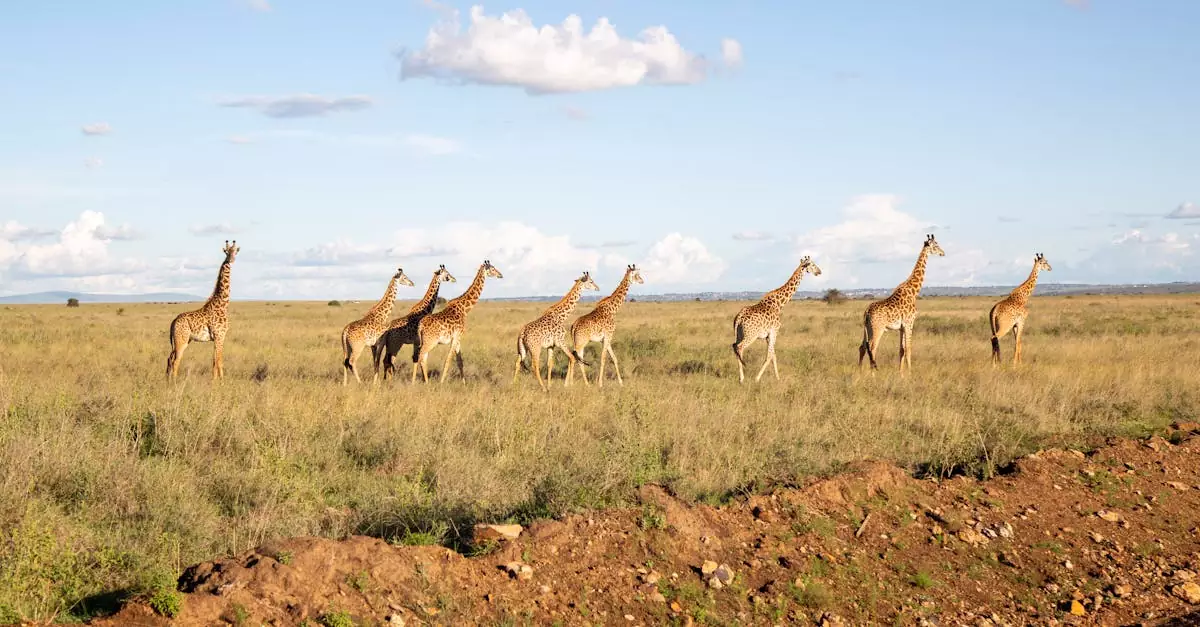
Key Factors Influencing Your Safari Budget
Timing your trip makes an enormous difference to what you’ll spend. Peak seasonespecially July through October when the Great Migration happenssees prices climb steeply. Lodges fill up fast, guides command premium rates, and flights cost more. The shoulder months (April-May and November-December) offer breathing room on prices without sacrificing much wildlife action. March through May brings green landscapes and fantastic bird watching, plus rates drop noticeably compared to peak times.
Where you rest your head each night shapes your entire budget. Basic tented camps offer simple comfort with shared or private bathrooms at lower cost. Mid-range properties add amenities like private decks and better restaurants. Luxury lodges deliver opulent rooms, gourmet food, and white-glove servicesome even feature private plunge pools. Many properties offer all-inclusive packages covering meals, drinks, and daily game drives, which simplifies budgeting considerably. Spend time researching different properties to find one matching both your comfort expectations and financial limits.
How many days you spend in the Mara directly affects your bottom line. Most visitors spend 3-5 days there. Shorter stays mean lower total costs but fewer opportunities to spot the Big Five. Longer stays let you experience more game drives and explore deeper into the reserve. Think about what you want from this trip, then match it to your budget. Beyond basic game drives, optional activities add up quickly. Hot air balloon safaris cost $450-$600 per person and offer stunning aerial views. Cultural visits to Maasai villages typically run $20-$30 and provide rich cultural experiences that many travelers find priceless.
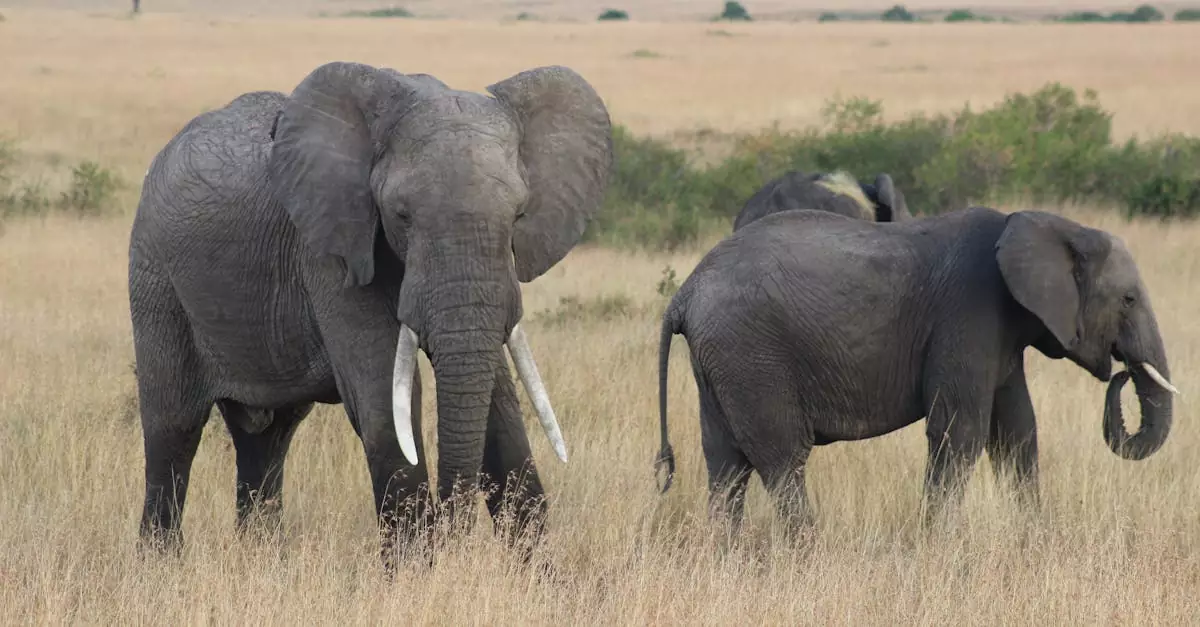
Safari Packing List: What Gear Do You Really Need?
Smart packing prevents wasteful spending once you arrive. Stick with lightweight, breathable fabrics in neutral shadeskhaki, olive, and brown work best. These colors blend naturally with the landscape and actually discourage tsetse flies. Long sleeves and pants protect your skin from sun damage and insect bites. Evenings cool down noticeably, particularly June through August, so bring a fleece or lightweight jacket. A wide-brimmed hat and quality sunglasses are non-negotiable for sun protection. Comfortable walking shoes matter too since you might trek short distances during bush walks or around camp.
Photography gear significantly impacts your masai mara safari packing cost. A solid camera with zoom capability lets you capture those unforgettable wildlife moments. Binoculars are equally essentialthey let you spot animals from distance and observe natural behavior without disturbing them. Renting these items is possible, though buying often delivers better quality and gives you practice beforehand. Stock up on extra batteries and memory cards since power outlets aren’t guaranteed everywhere. A portable power bank keeps phones and cameras charged throughout your days out in the field.
Several smaller items round out your essential gear. A small backpack for daily use carries water, snacks, and personal items during game drives. A quality water bottle reduces reliance on bottled water, which many camps discourage for environmental reasons. Insect repellent with DEET is highly recommended for mosquito-heavy areas. A basic first-aid kit with pain relievers, bandages, and antiseptic wipes covers minor injuries. Bring any personal medications you need. Sunscreen is absolutely critical for protecting exposed skin. Wet wipes and hand sanitizer maintain hygiene between wash opportunities. A headlamp or small flashlight helps you navigate your tent after dark. Check Kenya’s electrical standardType G sockets are standardand bring an appropriate adapter. Layering is your best strategy for handling temperature swings. For additional budgeting strategies, see our travel budget guide.
Accommodation Options and Their Costs
The Mara offers accommodation spanning every budget category and comfort level. Your choice shapes both your experience and your spending. Budget camps outside the main reserve offer basic but comfortable facilities, typically with en-suite bathrooms. Nightly rates start around $150-$250 per person and usually include all meals plus one daily game drive. The trade-off is locationthese camps sit further from prime wildlife areas, meaning longer drives to reach the reserve gates.
Mid-range properties hit a sweet spot between comfort and value. Most sit closer to or inside the reserve itself. Expect well-appointed tents or cottages with private verandas, solid dining options, and often a pool. Rates typically run $300-$600 nightly per person, covering full board, game drives, and sometimes transfers from the airstrip. These camps usually host fewer guests than larger lodges, delivering more personalized attention. They also position you better for wildlife encounters thanks to their strategic locations.
Luxury lodges and exclusive camps represent the pinnacle of safari indulgence. Exquisite suites, gourmet kitchens, private guides, and bespoke services define these properties. Many occupy prime positions within the reserve or private conservancies, guaranteeing exceptional game viewing. Nightly rates begin at $800 and regularly exceed $1500+, with some ultra-exclusive camps pushing past $2500. These rates typically include all meals, drinks, multiple daily game drives, and laundry service. You get an unforgettable, pampered experience with unparalleled wilderness access.
The Pros and Cons of Different Safari Types
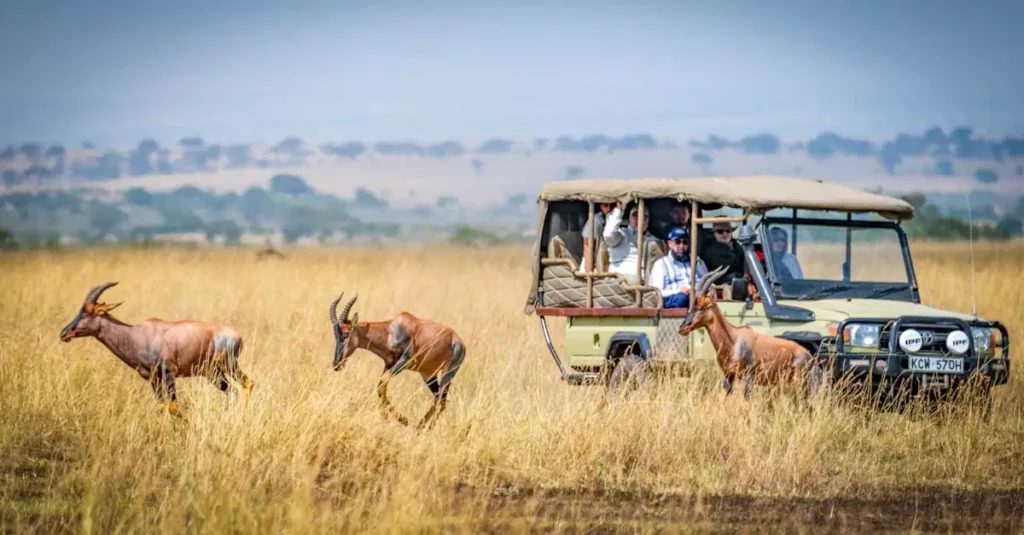
Several distinct safari formats exist, each with unique strengths and weaknesses. The classic lodge or camp safari is most commonyou stay in fixed accommodation and take daily game drives in open vehicles. Advantages include comfort, amenities like pools and fine dining, and convenience. Disadvantages can include a less immersive feel and shared vehicles during peak season, which sometimes feels crowded rather than wild.
Mobile tented safaris deliver more adventure and authenticity. These trips move camps, following wildlife migrations or exploring new areas. You develop a deeper connection to nature, often get exclusive campsites, and frequently work with private guides offering flexibility in game viewing. The downside includes less luxury, more basic facilities, and sometimes unreliable hot water or electricity. Costs can run higher due to logistical complexity. These safaris suit adventurous travelers seeking true wilderness immersion rather than those prioritizing maximum comfort.
Walking safaris offer a completely different perspective. Armed rangers lead you on foot through the bush, teaching tracking skills and revealing smaller creatures most visitors miss. You gain intimate knowledge of flora and fauna in a thrilling, active way. However, your view of large predators is limited for safety reasons, these trips are typically short, and they demand decent physical fitness. Walking safaris usually complement traditional game drives rather than replace them in the Mara. Consider your fitness level and appetite for adventure when choosing your safari style. Think about what you genuinely want from this experience. For general Kenya context, visit wikipedia.org/Kenya.
Practical Tips for Saving on Your Masai Mara Safari
Traveling during low or shoulder seasons cuts costs dramatically without sacrificing wildlife viewing quality. Prices for flights, rooms, and packages drop 20-40% compared to peak season. April, May, and November deliver lush landscapes and migratory birds while avoiding crowds. This is a smart way to reduce your overall masai mara safari packing cost and gear budget simultaneously.
Package deals from tour operators often beat booking everything separately. All-inclusive packages covering accommodation, meals, game drives, and park fees typically cost less than piecing things together. Compare multiple operators and read reviews carefully to ensure quality. Look for deals including Nairobi transfers to avoid extra transport charges. Group tours spread guide and vehicle costs across more people, lowering per-person expenses. Always clarify what’s included and what isn’t to prevent unexpected bills.
Road transfers from Nairobi beat internal flights on cost despite taking longer. Shared shuttles run as low as $30-$50 per person versus $150-$300 for flights. This savings multiplies for families or groups. Pack light to dodge excess baggage fees on international flights. Bring your own reusable water bottlecamps provide filtered water, eliminating daily bottled water purchases. Compare gear prices before buying; online retailers and local outdoor shops often have deals. Borrowing items from friends cuts your initial masai mara safari packing cost substantially. For seasonal timing advice, check our best time to visit guide.
Masai Mara Safari Gear Budget Breakdown
| Item Category | Budget Option (USD) | Mid-Range Option (USD) | Premium Option (USD) |
|---|---|---|---|
| Clothing (Per Person) | $100 – $200 (Basic, few items) | $200 – $400 (Versatile, quality fabrics) | $400 – $800+ (Specialized, technical gear) |
| Footwear (Per Person) | $50 – $100 (Comfortable sneakers) | $100 – $200 (Light hiking shoes) | $200 – $400+ (Waterproof, durable boots) |
| Camera & Lenses | $200 – $500 (Basic DSLR/Mirrorless + kit lens) | $500 – $1500 (Mid-range DSLR/Mirrorless + zoom lens) | $1500 – $5000+ (Pro-grade camera + telephoto lens) |
| Binoculars | $30 – $80 (Basic compact) | $80 – $200 (Good quality, 8×42 or 10×42) | $200 – $500+ (High-end, low-light performance) |
| Backpack (Daypack) | $20 – $50 (Simple, lightweight) | $50 – $100 (Comfortable, multiple compartments) | $100 – $200+ (Durable, hydration compatible) |
| Sun Protection (Hat, Sunglasses, Sunscreen) | $30 – $70 | $70 – $150 | $150 – $300+ |
| Insect Repellent & First Aid | $15 – $30 | $30 – $60 | $60 – $100+ |
| Power Bank/Adapters | $20 – $50 | $50 – $100 | $100 – $200+ |
| TOTAL ESTIMATE (Per Person, excluding camera) | $265 – $530 | $530 – $1010 | $1010 – $2300+ |
This breakdown gives you a realistic picture of masai mara safari packing cost across different spending levels. Brand choices, sales, and specific features will shift these numbers. Remember that expensive gear doesn’t guarantee a better safari. Focus instead on functionality and durability. Renting or borrowing can slash your upfront costs significantly. Prioritize items that genuinely enhance your experiencequality binoculars and a decent camera matter. Comfortable clothing and sun/insect protection matter too. Your personal comfort directly impacts how much you enjoy every moment in the wild. A well-prepared traveler maximizes every experience.
FAQs About Masai Mara Safaris
How much money should I budget for a 5-day Masai Mara safari?
Budget travelers typically spend $1000-$2000 per person for five days, covering basic lodging, park fees, and game drives. Mid-range visitors usually spend $2000-$4000 per person. Luxury safaris easily exceed $4000-$7500+ per person. These figures exclude international flights.
What is the best time to visit Masai Mara for wildlife viewing?
July through October offers peak wildlife viewing, especially the Great Migration when millions of wildebeest and zebras cross the Mara River. However, excellent wildlife viewing happens year-round. The green season (March-May) excels for birdwatching and spotting newborn animals.
Are safaris in Masai Mara safe for tourists?
Yes, safaris in Masai Mara are generally very safe. Tour operators and camps maintain strict safety protocols. Follow your guide’s instructions carefully and avoid wandering alone, especially after dark. Kenya is a well-established tourist destination with solid safety infrastructure.
Do I need a visa to enter Kenya for a safari?
Most non-African nationals require an e-Visa for Kenya, applied online before travel. The cost is typically around $50. Check your specific nationality’s requirements well ahead of your trip. Your passport must have at least six months validity remaining.
What currency is used in Masai Mara, and should I bring cash?
Kenya uses the Kenyan Shilling (KES). US Dollars work in tourist areas and camps, though carrying smaller KES denominations helps with tips and local purchases. Most camps accept credit cards, but cash proves useful for local markets and cultural visits. ATMs exist in larger towns but not within the reserve.
Conclusion: Planning Your Unforgettable Masai Mara Adventure
Mapping out a Masai Mara safari demands attention to countless details. Understanding the masai mara safari essentials cost, selecting appropriate gear, and budgeting for your masai mara safari packing cost are all pieces of the puzzle. We’ve broken down accommodation options, transport choices, and realistic price ranges across different comfort levels. Research and flexibility serve as your best tools throughout this planning process.
Whether you choose a budget adventure or indulge in luxury, the Masai Mara delivers an unforgettable experience. Endless plains, remarkable wildlife, and vibrant Maasai culture will captivate you completely. Using the practical tips and detailed cost breakdowns here, you can plan with confidence and manage your spending effectively. This sets you up for a smooth, genuinely enjoyable journey.
Your dream safari is absolutely achievable with proper preparation. Prioritize creating memories that will stay with you forever. Embrace the raw beauty of Kenya’s wilderness. Get ready for an adventure that stands apart from ordinary travel. The real value of a Masai Mara safari goes far beyond what you spendit’s an investment in experiences and natural wonders you’ll treasure always.