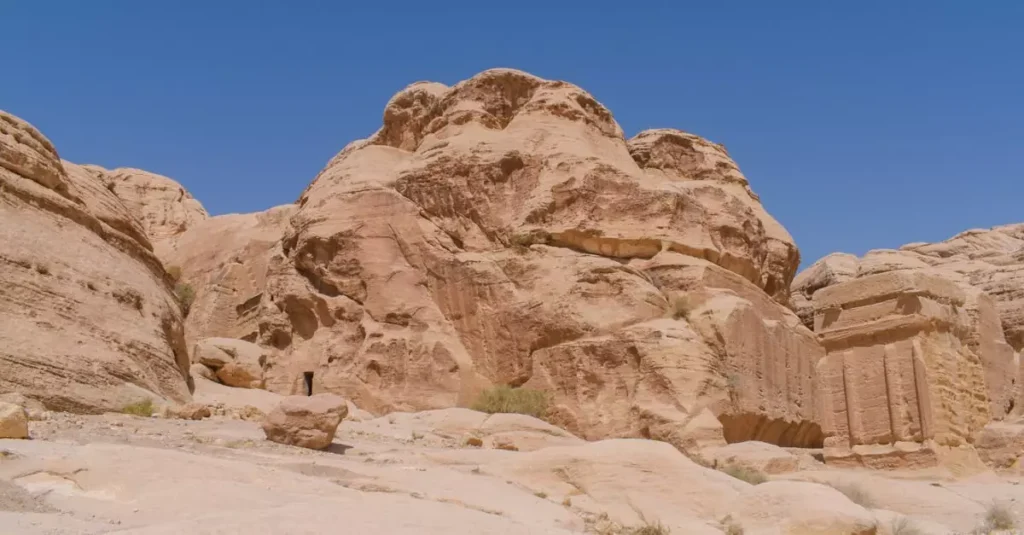
Jordan is a treasure trove of remarkable experiences, with Petra and Wadi Rum standing out as two of its most famous highlights. Travelers often ask about the expenses involved in visiting these sites. Knowing the costs beforehand can make a big difference in planning your trip. This article breaks down the petra vs wadi rum cost to help you craft your ideal desert escapade.
Choosing between Patras ancient ruins and the vast, mesmerizing desert of Wadi Rum can be challenging. Each place has its own charm, but your budget might steer your decision. This comparison dives into all the Details from entrance fees to lodging, meals, and Transportation offering a comprehensive view for your Jordan travel cost comparison desert adventure.
With information gathered from local experts and tourism professionals, the data presented here is both accurate and practical. Youll find real-world prices and useful advice to guide your choices, ensuring your Jordan trip is both unforgettable and budget-conscious. Now, lets examine the expenses tied to these two extraordinary destinations.
Understanding the Petra vs Wadi Rum Cost: An Overview
Before setting off for Jordan, its essential to get a clear picture of the costs involved. The phrase petra vs wadi rum cost captures a common travel dilemma. Both are bucket-list destinations, yet they differ considerably in price. Petra, with its iconic Nabataean rock-cut architecture, commands higher entry fees. In contrast, Wadi Rum, known as the ‘Valley of the Moon,’ boasts vast desert scenery and rich Bedouin heritage, with tour packages that often include lodging and meals, making it feel more all-inclusive. The duration of your stay and the experiences you seek will greatly influence your budget. This guide will unpack these differences so you can better prepare for your Jordan travel cost comparison desert journey.
The expense comparison goes well beyond tickets. Think about lodging choices, dining options, and how youll get around. Accommodation near Petra, in the town of Wadi Musa, ranges from economical hostels to high-end hotels. Meanwhile, in Wadi Rum, stays typically take place in desert camps, from simple tents to luxury glamping setups. Dining also varies: Petra offers a range of restaurants, while meals in Wadi Rum are usually part of your camp package. Transportation costs, whether taxis, buses, or private drivers, add another dimension to your spending. Understanding these elements will help you navigate your budget with confidence.
Petra: The Rose City’s Expenses
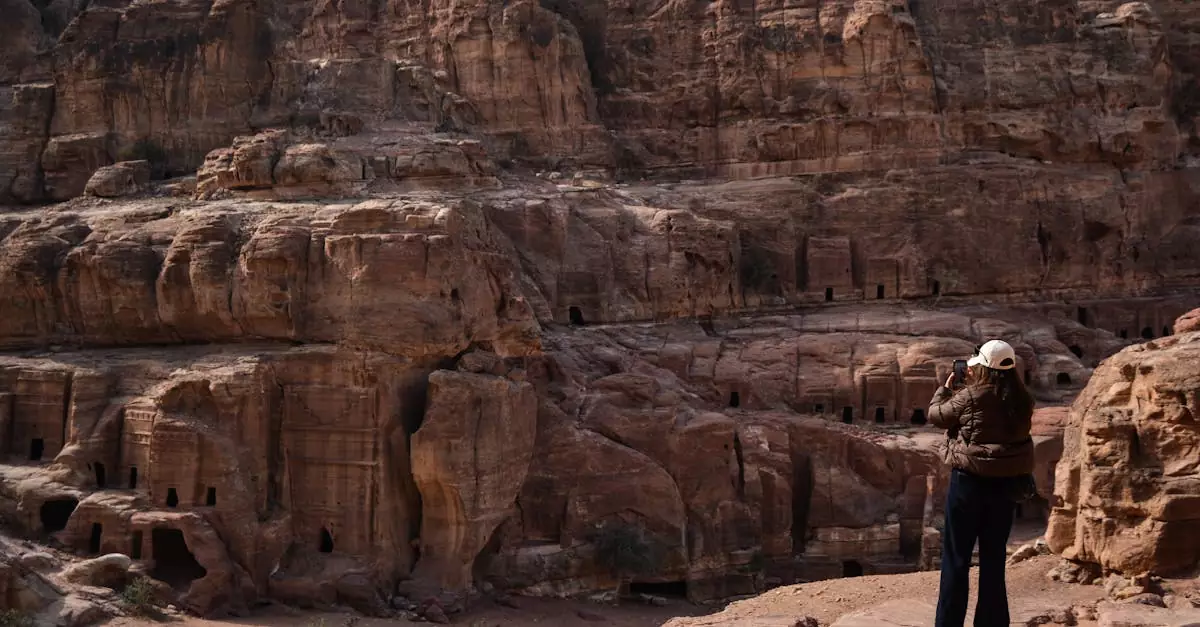
Visiting Petra, a UNESCO World Heritage site, is a highlight of any Jordan trip. The biggest cost here is the entry fee. For international visitors, a single-day ticket is priced at 50 Jordanian Dinars (JOD), roughly $70 USD. Tickets for two days cost 55 JOD ($77 USD), and for three days, 60 JOD ($85 USD). Visitors who Don’t stay overnight in Jordan pay a steeper rate of 90 JOD ($127 USD) for a one-day pass. This makes the Jordan Pass, which covers your visa and entry to over 40 attractions including Petra, a great bargain starting at 70 JOD ($99 USD). Its highly recommended for most travelers as it lowers the overall cost of visiting Petra.
Besides the entrance fee, other expenses in Wadi Musa should be taken into account. Accommodation prices vary widely: budget hostels charge between 15-30 JOD ($21-42 USD) per night, mid-range hotels fall in the 40-80 JOD ($56-113 USD) bracket, and luxury options can exceed 100 JOD ($140 USD). Food costs also differ; a casual local meal might set you back 5-10 JOD ($7-14 USD), while restaurants catering to tourists can charge 15-25 JOD ($21-35 USD) per person. Inside Petra, prices for bottled water and snacks tend to be higher, with water costing about 1-2 JOD ($1.40-2.80 USD). Animal rides within Petra are available but usually overpriced and raise ethical concerns; if you consider one, negotiation is essential. These details are crucial for a solid Jordan travel cost comparison desert plan.
Wadi Rum: Desert Adventure Budget
Wadi Rum offers a contrasting kind of adventure, where many expenses come bundled in tour packages. Most visitors choose to stay overnight in a Bedouin camp, with typical packages including a jeep tour, accommodation, dinner, and breakfast. Basic overnight tours start around 50-70 JOD ($70-99 USD) per person, usually covering a half-day jeep excursion. More comprehensive tours, such as full-day jeep trips with overnight stays, range from 80-120 JOD ($113-170 USD). For those seeking luxury, glamping options can cost anywhere between 150-300 JOD ($210-420 USD) per night, often featuring private tents, en-suite bathrooms, and premium amenities. The Wadi Rum Protected Area charges a 5 JOD ($7 USD) entrance fee, which is commonly included in tour prices. Its wise to check precisely what your package covers before booking to better understand your petra vs wadi rum cost.
Activities here are varied, from jeep tours and camel rides to hiking and stargazing. Camel rides typically cost 10-20 JOD ($14-28 USD) per hour, and guided hikes are available, usually at an additional charge. Food is generally part of the overnight camp package, featuring traditional Bedouin dishes like Zarbmeat and vegetables slow-cooked underground. Breakfast tends to be simple, with bread, cheese, eggs, and tea. If you opt for a full-day tour, lunch might be included; otherwise, packing your own is advisable. Drinks such as water and Bedouin tea are usually complimentary, though soft drinks or special requests may incur extra fees. Bringing your own snacks and extra water is recommended, especially for longer outings. Negotiating prices for tours and activities is common, so always agree on the cost upfront to avoid surprises in your Jordan travel cost comparison desert budget.

Accommodation Costs: Where to Sleep
Lodging is a major factor in your Jordan travel cost comparison desert. In Wadi Musa, which serves Petra, options abound. Budget guesthouses can be found starting at 15 JOD ($21 USD) per night, typically with basic amenities and shared bathrooms. Mid-range hotels offering private rooms and sometimes breakfast usually cost between 40 and 80 JOD ($56-113 USD). For those wanting to indulge, luxury hotels like the Mvenpick Resort Petra can charge upwards of 150 JOD ($210 USD) per night. Booking ahead, especially in peak season, helps secure better deals. Hotels closer to Petras entrance tend to be pricier, so staying a bit further away and taking a short taxi ride can be a smart savings strategy.
In Wadi Rum, accommodation is a different experience altogether. Most visitors stay in desert camps, ranging from basic tents with shared facilities to luxurious bubble tents featuring air conditioning and private bathrooms. Basic camps usually start around 25-40 JOD ($35-56 USD) per person per night and often include dinner and breakfast. Mid-range camps, with better amenities and possibly private tents, range from 50 to 80 JOD ($70-113 USD). High-end glamping experiences, offering panoramic views and modern comforts, can easily surpass 100 JOD ($140 USD) per night, sometimes reaching 200-300 JOD ($280-420 USD). These pricier options often bundle extensive tours and extra services. When comparing petra vs wadi rum cost, bear in mind that Wadi Rums lodging frequently packages meals and activities, making direct price comparisons a bit tricky. Always clarify whats included before booking.
Food and Drink: Fueling Your Journey
Enjoying local cuisine is an essential part of travel, and costs for food and drink in Jordan vary widely. Around Wadi Musa near Petra, theres a rich variety of options. Street food and small eateries serve tasty meals at affordable pricesa falafel sandwich might cost just 1-2 JOD ($1.40-2.80 USD). Casual local meals, such as Mansaf or Maqluba, typically range from 5 to 10 JOD ($7-14 USD). Tourist-oriented restaurants, especially those overlooking Petra, tend to be pricier, with main courses costing between 15 and 25 JOD ($21-35 USD). Alcohol is available at some places but is generally expensive, with local beers priced around 5-8 JOD ($7-11 USD). Buying bottled water and snacks at local shops costs far less than purchasing inside Petras gates.
In Wadi Rum, meals are mostly included in your desert camp package. Dinner often features traditional Bedouin fare like Zarb, while breakfast is simple, typically bread, cheese, eggs, and tea. If you select a full-day tour, lunch might be covered; otherwise, packing food is advisable. Water and Bedouin tea are usually supplied throughout your stay, but soft drinks or special requests may come at an additional charge. Since there are no formal restaurants in Wadi Rum, all your meals will be provided by your camp, which simplifies budgeting for food while in the desert. This integrated meal plan can offer good value when weighing the petra vs wadi rum cost.
Transportation: Getting Around Jordan
Transport expenses play a major role in your Jordan travel cost comparison desert. Traveling from Amman to Petra (Wadi Musa) offers several options. The JETT bus is a popular, comfortable choice, costing about 10-15 JOD ($14-21 USD) one way and taking roughly 3-4 hours. Public buses are cheaper but less comfortable and less reliable. Shared or service taxis generally cost 15-20 JOD ($21-28 USD) per person, while a private taxi from Amman to Petra can run 80-100 JOD ($113-140 USD). Renting a car provides freedom to explore at your own pace, with daily rates starting around 25-40 JOD ($35-56 USD), plus fuel expenses, which are moderate in Jordan. However, driving can be challenging for those unfamiliar with local roads.
Getting between Petra and Wadi Rum is relatively straightforward, with a drive time of about 1.5 to 2 hours. Shared taxis from Wadi Musa to Wadi Rum Village (the main tour starting point) usually cost 5-10 JOD ($7-14 USD) per person, while private taxis range from 20 to 30 JOD ($28-42 USD). Many Wadi Rum tour operators also offer transfers, which may be included in your package or available at an extra cost. If you have rented a car, you can drive directly to Wadi Rum Village and leave your vehicle there before joining your desert tour. Returning to Amman or Aqaba from Wadi Rum follows similar pricing patterns. Confirming transport costs before traveling is key to managing your petra vs wadi rum cost effectively. Planning ahead can save both time and money.
Petra vs Wadi Rum: A Cost Comparison Table
To put the petra vs wadi rum cost into perspective, heres a comparison table with estimated expenses for a solo traveler on a 2-day, 1-night trip. Prices fluctuate depending on season, booking timing, and personal preferences.
| Expense Category | Petra (1 night in Wadi Musa) | Wadi Rum (1 night desert camp) |
|---|---|---|
| Entry Fee | 50-55 JOD (with Jordan Pass) | 5 JOD (often included in tour) |
| Accommodation (1 night) | 25-70 JOD (mid-range hotel) | 50-100 JOD (mid-range camp, incl. food) |
| Food & Drink (2 days) | 20-40 JOD (local restaurants) | Included in camp cost |
| Main Activity/Tour | Walking Petra (included in entry) | 50-120 JOD (half-day to full-day jeep tour) |
| Local Transport (e.g., taxi to site) | 2-5 JOD (within Wadi Musa) | Included in camp transfer/tour |
| Estimated Total (excluding inter-city transport) | 97-170 JOD (~$137-240 USD) | 105-225 JOD (~$148-317 USD) |
This snapshot offers a practical overview for your Jordan travel cost comparison desert planning. Petras costs tend to be broken down individually, while Wadi Rums are often combined into packages. Both deliver excellent value depending on what kind of experience you seek. Dont forget to include travel between these locations, which can add an extra 50-100 JOD ($70-140 USD) or more, depending on your mode of transport. Its wise to factor in the whole journey when budgeting.
Pros and Cons of Each Destination for Your Budget
Deciding whether to visit Petra, Wadi Rum, or both means weighing their financial pros and cons. Understanding these can help you manage your petra vs wadi rum cost effectively. Petra offers a rich historical and architectural experience, with the main expense being the entrance fee. Once inside, exploring on foot keeps extra costs low. Wadi Musas range of accommodations and dining options allows for flexible spending, from budget stays to luxurious hotels. The Jordan Pass is a definite advantage for Petra visitors, as it combines visa and entry fees, making multi-day visits more affordable.
- Petra Pros:
- The Jordan Pass provides great savings on entry and visa fees.
- Wide variety of accommodation and dining options in Wadi Musa.
- Most of the sightseeing inside Petra involves walking, so no extra activity fees.
- Petra Cons:
- Entry fees without the Jordan Pass can be quite steep.
- Prices for food and drinks inside Petra tend to be higher.
- Animal rides inside the site are costly and raise ethical concerns.
Wadi Rum delivers an immersive desert experience, with many expenses rolled into comprehensive tour packages. This makes budgeting simpler and often offers good value. Desert camps vary from basic setups to luxurious glamping, catering to different budgets. The entrance fee is low and generally included in tours. The deserts natural beauty is the main draw, with fewer commercial activities to spend on. However, extended jeep tours can become expensive, and options for independent dining and lodging are limited, relying heavily on your tour operator. These factors affect flexibility for those who like to organize every detail themselves.
- Wadi Rum Pros:
- Many costs bundled into tours, including lodging, meals, and activities.
- Unique and authentic desert camp experience.
- Low entrance fee often included in packages.
- Wadi Rum Cons:
- Limited choices for independent food and accommodation.
- Jeep tours can become costly if extended or private.
- Less flexibility for travelers who prefer to plan independently.
Practical Tips for Saving Money
Exploring Jordan Doesn’t have to break the bank when you plan wisely. First, purchasing the Jordan Pass is usually a smart move if You’re visiting Petra and staying at least three nights. It covers your visa and entry fees to many sites, cutting down your petra vs wadi rum cost significantly. Second, traveling during shoulder Seasons spring (March to May) and autumn (September to November)offers pleasant weather and often lower prices for flights and accommodation, along with fewer crowds. For more details, check out the best time to visit Jordan.
Third, eating like a local helps stretch your budget. In Wadi Musa, opt for small, family-run restaurants away from tourist hotspots to enjoy authentic Jordanian meals at lower prices. Meals in Wadi Rum are typically part of your camp package, so this tip mainly applies outside the desert. Fourth, use public transportation or shared taxis for traveling between cities. JETT buses are comfortable and affordable, while shared taxis strike a good balance between cost and convenience. Renting a car may be economical for groups but remember to factor in fuel and parking fees. Fifth, dont hesitate to negotiate prices when appropriatethis applies to taxis, souvenirs, and sometimes tours in Wadi Rum. Always do so politely but firmly. Lastly, bringing a reusable water bottle can save money and reduce plastic waste, as you can refill it during your travels. These strategies will help you keep your Jordan travel cost comparison desert budget in check.
FAQs About Jordan Travel Costs
Is it cheaper to visit Petra or Wadi Rum?
Generally, Petra has higher individual costs, mainly because of its entrance fee. However, Wadi Rums all-inclusive tour packages can sometimes make its overall price higher, depending on the type of camp and tour you choose. For a basic visit, Petra might be slightly more affordable if you purchase the Jordan Pass.
Can I visit Petra and Wadi Rum on a tight budget?
Yes, its doable. For Petra, use the Jordan Pass, stay in budget hostels in Wadi Musa, and eat at local eateries. For Wadi Rum, select a basic overnight camp package with a half-day jeep tour. Use shared taxis for transfers between locations to keep costs down.
What is the average daily cost for a traveler in Jordan?
Budget travelers can expect to spend around 40-60 JOD ($56-85 USD) per day, which covers basic lodging, local food, and shared transportation. Those preferring mid-range options should budget about 80-120 JOD ($113-170 USD) daily, including nicer hotels, a broader food selection, and some private transport.
Is the Jordan Pass worth it for Petra and Wadi Rum?
Absolutely. If you plan to visit Petra and stay in Jordan for at least three nights, the Jordan Pass is highly recommended. It reduces the cost of your visa and entry to Petra, plus many other attractions, making the petra vs wadi rum cost easier to manage.
How much money should I budget for transportation between Amman, Petra, and Wadi Rum?
Budget roughly 40-70 JOD ($56-99 USD) for round-trip transport using JETT buses or shared taxis. This covers travel from Amman to Petra, Petra to Wadi Rum, and Wadi Rum back to Amman or Aqaba. Private taxis will cost substantially more.
Conclusion: Making Your Jordan Adventure Affordable
Whether you choose Petra, Wadi Rum, or both, managing your budget carefully is key. This breakdown of the petra vs wadi rum cost covers entrance fees, accommodation, food, and transport to help you plan effectively. Petra offers timeless historical beauty with higher entry fees but flexible spending on other elements. Wadi Rum invites you into an immersive desert world, often with bundled costs for lodging, meals, and activities. Both destinations provide excellent value depending on your preferences. Smart choices like using the Jordan Pass, dining locally, and booking in advance go a long way toward keeping your trip affordable. With a bit of planning, the wonders of Petra and the stunning landscapes of Wadi Rum can be yours to enjoy without stretching your budget. Your unforgettable Jordan adventure awaits.