While the Middle East is often envisioned as vast deserts and ancient cities, it also boasts serene and beautiful lake destinations. These aquatic landscapes offer a refreshing contrast to the arid surroundings, showcasing unique natural beauty, historical significance, and recreational opportunities. Exploring the best lakes in the Middle East unveils diverse experiences, from the lowest point on Earth where you can float effortlessly to tranquil freshwater bodies surrounded by mountains and rich history.
This guide will delve into these remarkable destinations, highlighting what makes each lake special, the best times to visit, how to reach them, and the activities available. Whether you seek adventure, relaxation, or a connection with nature and history, these Middle Eastern lakes promise unforgettable journeys.
Top Lakes in the Middle East for Stunning Scenery
Though often associated with arid landscapes, the Middle East is home to several remarkable lakes that offer unique beauty, historical significance, and recreational opportunities. These aquatic destinations provide a refreshing contrast to the desert, attracting travelers in search of tranquility and adventure. From the lowest point on Earth to ancient biblical sites, these lakes present diverse experiences.
Lake Kinneret (Sea of Galilee), Israel: A Spiritual and Scenic Gem
Known worldwide as the Sea of Galilee, Lake Kinneret holds profound spiritual significance for Christians, Jews, and Muslims. As Israel’s largest freshwater lake, it is a vital water source and a popular pilgrimage and tourism destination. Its shores are lined with ancient historical sites, including Capernaum and the Mount of Beatitudes, offering a journey through biblical history.
Beyond its religious importance, Lake Kinneret is a hub for water sports. Visitors can swim, boat, and fish in its clear waters. The surrounding landscape features rolling hills and agricultural fields, providing a picturesque backdrop. Traveling to the Sea of Galilee is often part of broader tours of northern Israel and is easily accessible from major cities like Jerusalem or Tel Aviv.
Traveler Tips for Lake Kinneret:
- Best Time to Visit: Spring (March-May) and Autumn (September-November) offer pleasant weather, avoiding the summer heat.
- Getting Around: Renting a car provides the most flexibility to explore the various sites around the lake. Public buses also connect major towns.
- Accommodation: Options range from kibbutz guesthouses to hotels in cities like Tiberias.
Dead Sea, Jordan/Israel: Floating in the Lowest Point on Earth
The Dead Sea is an unparalleled natural wonder, known for its hypersaline waters and its status as the lowest point on Earth’s surface. Situated between Jordan and Israel, this ancient salt lake offers a unique buoyancy experience, allowing visitors to float effortlessly. The mineral-rich mud along its shores is famous for its therapeutic properties, attracting wellness seekers from around the globe.
Navigating the Dead Sea requires awareness of its high salt content. It’s advisable to rinse off shortly after swimming. The stark, dramatic landscape, with rugged mountains and vast salt flats, creates an otherworldly atmosphere. Resorts on both the Jordanian and Israeli sides provide comfortable stays with direct access to the sea.
Dead Sea Experience Comparison:
| Feature | Jordan Side | Israel Side |
|---|---|---|
| Atmosphere | More natural, rugged beauty | Developed resorts, extensive amenities |
| Accessibility | Easy from Amman | Easy from Jerusalem and Tel Aviv |
| Activities | Floating, mud baths, Wadi Mujib hikes | Floating, mud baths, spa treatments, Masada |
| Budget | Generally more budget-friendly resorts | Wider range, including luxury options |
Lake Urmia, Iran: The Salty Wonder and Its Birdlife
Lake Urmia, once the largest lake in the Middle East, is a vast hypersaline body of water in northwestern Iran. Despite facing significant environmental challenges and declining water levels, it remains a crucial ecosystem, especially for migratory birds. Its islands and surrounding wetlands are vital habitats, making it a significant site for birdwatching enthusiasts.
The lake’s high salinity means that swimming is a unique, buoyant experience, similar to the Dead Sea, though less common due to accessibility and water levels. The surrounding region is rich in history and culture, with cities like Tabriz nearby offering a glimpse into Persian heritage. Efforts are underway to restore the lake, emphasizing its ecological importance.
Lake Urmia Wildlife Highlights:
- Flamingos: Often seen in large flocks during migration seasons.
- Pelicans: Another common sight in the lake’s wetlands.
- Other Waterfowl: Numerous species of ducks, waders, and gulls inhabit the area.
Lake Van, Turkey: Europe’s Largest Soda Lake and Ancient History
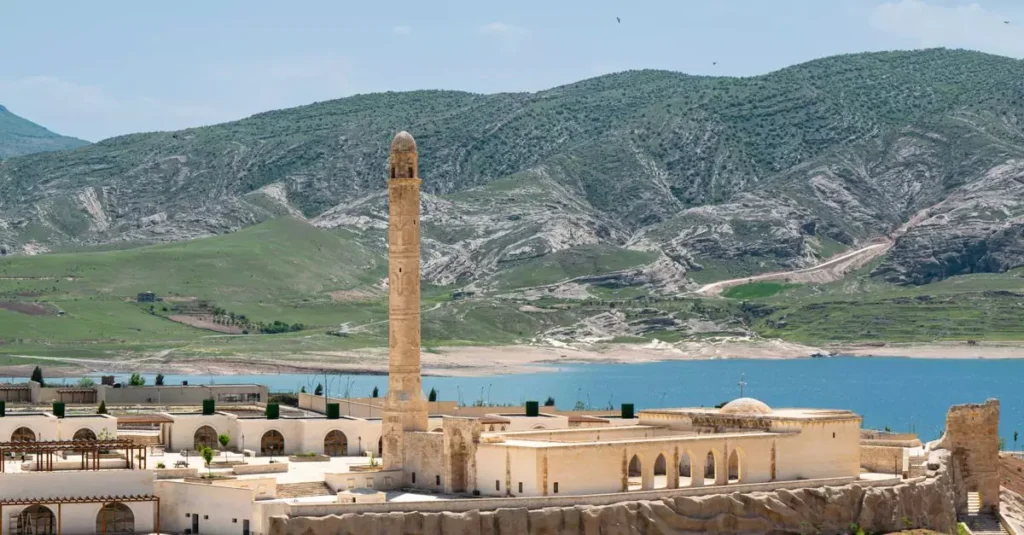
Located in eastern Turkey, Lake Van is the largest soda lake in Europe. Its alkaline waters are strikingly blue, set against volcanic mountains. The lake is not only a natural spectacle but also an archaeological treasure, with submerged ruins of ancient churches and settlements, notably the sunken castle of Akdamar.
Visitors can take boat trips to Akdamar Island to visit the Armenian Cathedral of the Holy Cross, a testament to the region’s rich historical tapestry. The city of Van serves as a gateway to exploring the lake and its surroundings, with opportunities for hiking and enjoying local cuisine. The lake’s unique chemistry supports specific types of life, including the rare Pearl Mullet fish.
Logistical Considerations for Lake Van:
- Getting There: Fly into Van Ferit Melen Airport (VAN).
- Exploring the Lake: Boat tours are the primary way to visit the islands. Car rental is recommended for exploring the wider region.
- Best Time to Visit: Summer months (June-August) provide the warmest weather for lake activities.
Planning Your Visit to the Best Lakes in the Middle East
The Middle East, often associated with vast deserts and ancient cities, also harbors serene and beautiful lake destinations. Planning a trip to these unique aquatic landscapes requires attention to seasonal conditions, transportation logistics, and budgeting for a memorable experience. Understanding these factors will help you navigate your journey to the best lakes in the region.
Best Time to Visit Middle Eastern Lakes: Seasonal Weather Guide
The ideal time to visit the best lakes in the Middle East largely depends on the specific location and climate. Many of these bodies of water are situated in higher altitudes or cooler regions, making spring and autumn the most pleasant seasons.
- Spring (March to May): This period generally offers mild temperatures, blooming flora, and comfortable conditions for outdoor activities around the lakes. Rainfall is usually moderate, and the landscape is at its most vibrant.
- Autumn (September to November): Similar to spring, autumn provides agreeable weather with cooler evenings and clear skies. The changing foliage in some mountainous lake regions can offer spectacular scenery.
- Summer (June to August): Summers can be very hot in most parts of the Middle East. However, higher-altitude lakes, such as those in parts of Iran or Turkey, might still provide respite from the heat, though daytime temperatures can still be high. Coastal or lower-elevation lakes may be too hot for comfortable exploration.
- Winter (December to February): Winters can be cold, with snow common in mountainous areas. Some lakes may freeze over, offering a starkly beautiful but less accessible experience. Road closures due to snow are also a possibility in these regions.
Researching the specific climate of your chosen lake destination is crucial, as microclimates can vary significantly. For instance, the Dead Sea, while a lake, has a very different seasonal profile than a mountain lake in the Zagros Mountains.
Navigating Your Way: Transportation Options to Key Lakes
Reaching the best lakes in the Middle East often involves a combination of travel methods. The infrastructure varies, with some lakes being relatively accessible while others require more adventurous travel.
- By Air: The most efficient way to reach a broader region is often by flying into major international airports. From there, you might need to arrange onward travel. For example, flying into Tehran, Iran, is a common gateway for accessing lakes like Urmia or the Caspian Sea’s southern shores. Similarly, Istanbul serves as a hub for Turkish lake destinations.
- By Car: Renting a car offers the most flexibility, especially for exploring areas around the lakes or reaching more remote spots. However, road conditions can vary, and driving in some Middle Eastern countries may be challenging for unfamiliar travelers. Always ensure you have appropriate international driving permits and understand local traffic laws.
- Public Transportation: Buses and trains connect many major cities and towns. While less direct for reaching specific lakefronts, they are a budget-friendly option. You may need to take local taxis or minivans (known as ‘service’ in some countries) for the final leg of your journey to a lake.
- Tours and Private Drivers: For a more curated and stress-free experience, booking a guided tour or hiring a private driver is an excellent option. This is particularly useful for navigating unfamiliar terrain or for those who prefer not to handle logistics independently.
Consider the proximity of the lake to major urban centers and the availability of local transport once you arrive in the general area. For instance, reaching the shores of the Dead Sea from Amman, Jordan, is straightforward via taxi or organized tour.
Budgeting Your Lake Adventure: Costs for Accommodation and Activities
The cost of visiting Middle Eastern lakes can range from very affordable to moderately expensive, depending on your travel style, destination, and chosen activities.
Accommodation:
- Budget: Hostels and guesthouses in towns near lakes are typically the most economical choices, often ranging from $20-$50 per night. Camping is also an option in designated areas, offering significant savings.
- Mid-Range: Three-star hotels or comfortable apartments can cost between $60-$150 per night. Many lake regions feature charming boutique hotels or lakeside resorts.
- Luxury: High-end resorts, often with private beaches or exclusive amenities, can start from $200 per night and go upwards.
Activities:
Activity costs vary widely. Entrance fees to national parks surrounding lakes might be nominal ($5-$15). Boat tours, water sports, or guided hiking trips can add to your expenses, typically ranging from $30-$100 per activity. Dining can also significantly impact your budget, with local eateries offering affordable meals ($10-$20 per day) while upscale restaurants will cost more.
When budgeting, also factor in transportation costs, visa fees (if applicable), and miscellaneous expenses. Researching specific costs for your chosen lake destination is highly recommended. For example, while visiting a remote lake in Turkey might be budget-friendly, a resort experience on the Dead Sea could be pricier.
What Are the Most Unique Lakes in the Middle East?
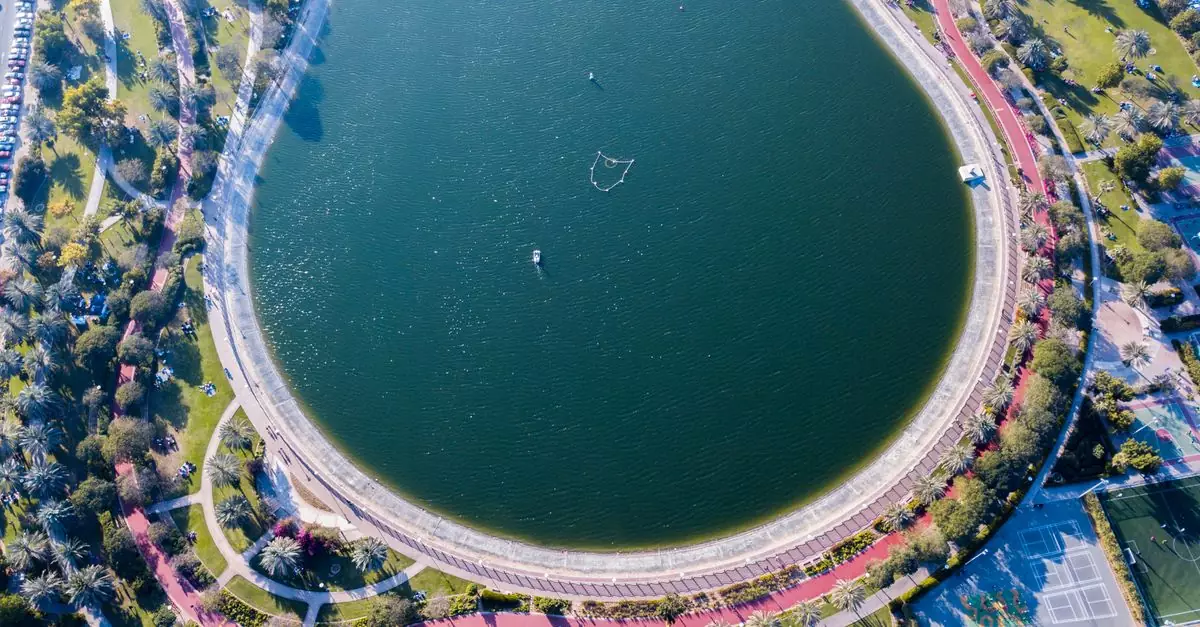
The Middle East, often perceived as an arid landscape, harbors truly exceptional bodies of water that defy expectations. From the mineral-rich depths of hypersaline seas to the serene beauty of high-altitude mountain lakes and the functional elegance of man-made reservoirs, these unique aquatic environments offer distinct experiences for travelers. Understanding these variations is key to planning a memorable journey through the region’s diverse natural wonders.
The Hypersaline Wonders: Exploring the Dead Sea’s Unique Properties
The Dead Sea stands out as one of the planet’s most unusual natural phenomena. Its extreme salinity, approximately ten times that of the ocean, makes floating effortless and provides a unique therapeutic experience. The high concentration of minerals like magnesium, sodium, and potassium is believed to benefit the skin, drawing visitors seeking wellness retreats.
Travelers should be aware that the Dead Sea’s water is not for drinking and can irritate the eyes. The best time to visit is during the cooler months, from October to April, to avoid the intense summer heat. Access points are primarily from the Jordanian side, with resorts offering spa facilities and direct beach access. Be sure to rinse thoroughly after swimming to remove the salt residue.
High-Altitude Retreats: Discovering Lakes in Mountainous Regions
Beyond the desert plains, the Middle East’s mountainous terrain hides pristine, high-altitude lakes. These bodies of water, often fed by snowmelt, offer a stark contrast to the region’s more arid landscapes. Countries like Iran and Turkey boast stunning alpine lakes, providing opportunities for hiking, nature photography, and a refreshing escape from the heat.
In Iran, Lake Urmia, though facing significant environmental challenges due to drought and water diversion, was once the largest lake in the Middle East and is known for its hypersalinity. For a more accessible experience, consider Lake Van in eastern Turkey, which is the largest lake in Turkey and a site of historical significance with ancient monasteries on its islands. Visiting these lakes is best done during spring and summer months when roads are clear and the weather is pleasant for outdoor activities.
Man-Made Marvels: Artificial Lakes Offering Recreational Opportunities
While natural lakes capture much of the attention, the Middle East also features impressive man-made lakes that serve vital purposes and offer significant recreational value. These reservoirs, created by dams, not only manage water resources but also provide spaces for boating, fishing, and enjoying scenic views.
One notable example is Lake Nasser in Egypt, a vast artificial lake created by the Aswan High Dam. It is one of the largest man-made lakes in the world and offers opportunities for Nile cruises and exploring ancient sites relocated to higher ground before the dam’s construction. Another example is the reservoirs around Tehran, Iran, such as Amir Kabir Dam Lake, which provide weekend getaways for city dwellers with options for water sports and picnicking amidst mountain backdrops. These artificial lakes are accessible year-round, though water levels can fluctuate seasonally.
Activities and Experiences Around Middle Eastern Lakes
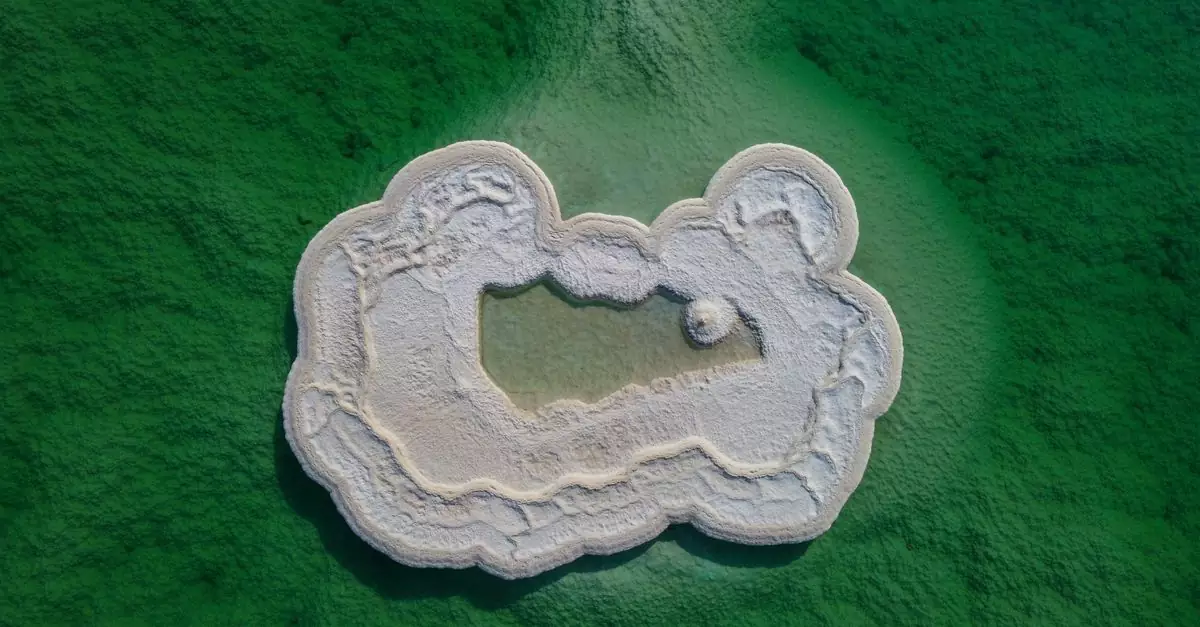
The diverse aquatic landscapes of the Middle East offer more than just scenic beauty; they serve as hubs for a range of activities catering to relaxation, adventure, and cultural immersion. From the shores of the Sea of Galilee to the mineral-rich waters of the Dead Sea, travelers can find unique experiences suited to various interests.
Water Sports and Relaxation on Lake Kinneret’s Shores
Lake Kinneret, also known as the Sea of Galilee, is a vital freshwater lake in northern Israel. Its tranquil waters and surrounding verdant hills provide an idyllic setting for both active pursuits and peaceful retreats. Visitors can swim, kayak, and paddleboard during the warmer months, typically from April through October. Many also opt for boat tours, offering a different perspective of the landscape and its historical significance. Numerous kibbutzim and resorts along the shores provide accommodations and amenities, making it easy to combine a lakeside stay with regional exploration. The lake’s biblical associations draw many pilgrims, adding a spiritual dimension to any visit.
Therapeutic Escapes: Health and Wellness at the Dead Sea
The Dead Sea, a hypersaline lake bordering Jordan and Israel, is renowned for its unique therapeutic properties. Floating effortlessly in its buoyant, mineral-rich waters is an experience unlike any other. The high concentration of salts and minerals is believed to offer significant benefits for skin conditions and general well-being. Visitors can indulge in mud baths at various resorts, packed with natural elements beneficial for the skin. The surrounding arid desert landscape provides a dramatic backdrop for relaxation. Planning a visit outside the peak summer heat (July and August) is advisable, with spring and autumn offering more comfortable temperatures for enjoying the therapeutic benefits.
Birdwatching and Nature Photography at Lake Urmia National Park
Lake Urmia, located in northwestern Iran, is the largest lake in the Middle East and a critical ecosystem, particularly for migratory birds. Although its water levels have fluctuated significantly in recent years, the surrounding national park remains a haven for biodiversity. Birdwatchers can spot various species, especially during the spring and autumn migration seasons. The park offers opportunities for hiking and photography, with unique salt flats and diverse birdlife providing ample subjects. Access to certain areas of the lake and park may depend on current environmental conditions and local regulations. Travelers interested in visiting should check for the latest information on accessibility and wildlife viewing opportunities.
Exploring the Historical Sites Near Lake Van
Lake Van, Turkey’s largest lake, is a vast saline body of water surrounded by a region rich in history and archaeology. The lake itself is known for its striking blue waters and the ancient Armenian churches and monasteries that dot the surrounding islands and shores. A boat trip to Akdamar Island to see the intricate carvings of the Armenian Cathedral of the Holy Cross is a highlight for many visitors. The region also boasts ancient Urartian fortresses and remnants of historical settlements, offering a glimpse into millennia of human activity. Exploring these sites provides a fascinating blend of natural beauty and deep historical context, making it a compelling destination for culturally curious travelers.
Where to Stay: Accommodation Near Popular Middle Eastern Lakes
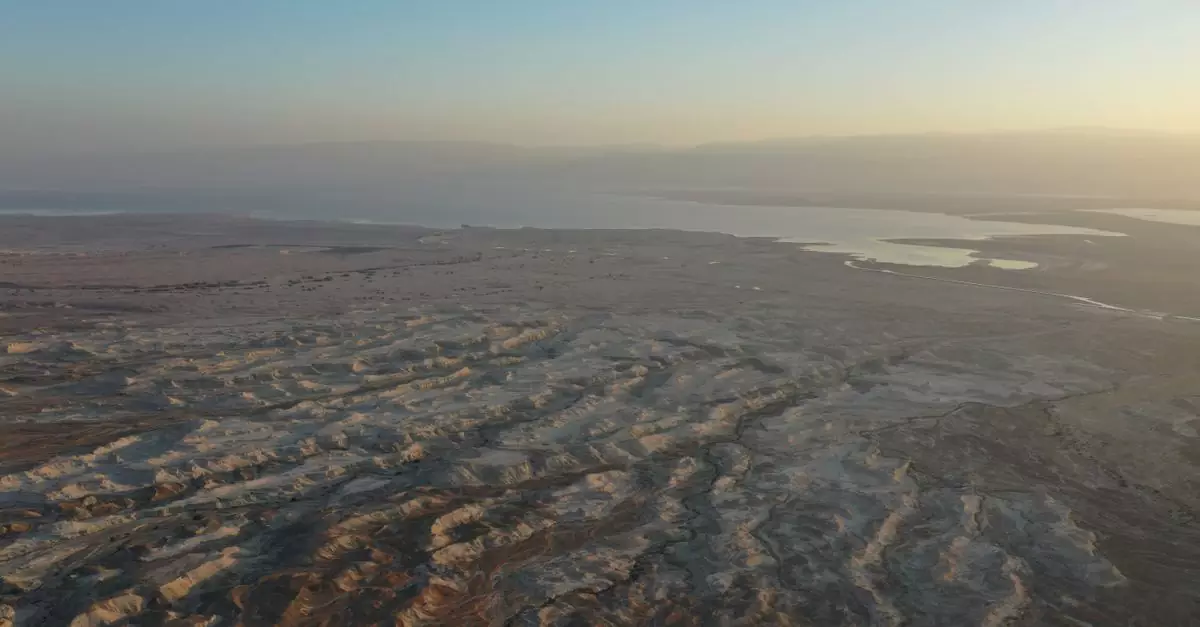
Choosing the right accommodation can significantly enhance your experience at any of the best lakes in the Middle East. From luxurious spa retreats to charming guesthouses, options cater to various travel styles and budgets. Proximity to the water, access to local attractions, and the overall ambiance of the lodging are key considerations for travelers planning their visits.
Luxury Resorts and Spa Hotels by the Dead Sea
The shores of the Dead Sea, a uniquely mineral-rich body of water straddling Jordan and Israel, are lined with high-end resorts that capitalize on the area’s therapeutic properties. These establishments often feature extensive spa facilities offering mud wraps, mineral baths, and massages, leveraging the natural salinity and mineral content of the Dead Sea. Many offer direct beach access, allowing guests to experience floating in the hypersaline water.
Expect amenities like infinity pools with stunning desert views, gourmet dining options, and spacious rooms or suites. These resorts are well-equipped to cater to international visitors, with multilingual staff and services designed for comfort and relaxation. Booking in advance is highly recommended, especially during peak seasons like spring and autumn, when the weather is most pleasant. Consider resorts on the Jordanian side for panoramic views of the Israeli coastline, or opt for Israeli properties for easy access to Masada and Ein Gedi.
Family-Friendly Stays Near Lake Kinneret
Lake Kinneret, also known as the Sea of Galilee, is a freshwater lake in northern Israel with significant religious and historical importance. For families, the area surrounding the lake offers a range of accommodations, from hotels with family suites and swimming pools to vacation rentals and kibbutz guesthouses. Many options are situated within easy reach of attractions like historical sites, water parks, and nature reserves, making them convenient bases for family exploration.
When choosing a family-friendly stay, look for properties that offer amenities like children’s play areas, kid-friendly menus, and family activities. Proximity to the lake’s beaches is also a plus, allowing for spontaneous trips for swimming and water sports. The town of Tiberias features a good selection of hotels and apartments, while smaller communities around the lake provide a more tranquil setting. Traveling during school holidays requires early booking, and consider visiting during the shoulder seasons of spring or early autumn for milder weather and fewer crowds.
Boutique Guesthouses and Eco-Lodges for Nature Lovers
For travelers seeking a more intimate connection with nature and local culture, boutique guesthouses and eco-lodges offer a unique lodging experience near various Middle Eastern lakes. These accommodations are often smaller, family-run establishments that prioritize sustainability and authentic experiences. They might be located in quieter areas, providing a peaceful retreat away from larger tourist hubs.
Guests at these places can expect personalized service, locally sourced cuisine, and opportunities to engage with the natural surroundings. Activities might include guided nature walks, birdwatching, or learning about local agricultural practices. Eco-lodges often focus on minimizing their environmental impact through practices like renewable energy use and waste reduction. These options are ideal for those who appreciate a slower pace and deeper immersion into the destination. Look for these gems in areas surrounding smaller, less-developed lakes or in rural communities bordering larger bodies of water.
Frequently Asked Questions About Middle Eastern Lakes
Are Middle Eastern lakes safe for swimming?
Safety for swimming varies significantly by lake. Some lakes, particularly those in developed tourist areas or designated recreational zones, are generally safe. However, it’s crucial to research local conditions and advisories before entering the water. Factors like water quality, depth, and potential currents should be considered. Always look for posted signs or ask local authorities for guidance.
What are the best lakes for families in the Middle East?
For families, lakes offering a range of activities and amenities are often the best choice. Consider locations with calm waters for younger children, picnic areas, and nearby attractions. Lakes like the Dead Sea, while unique, require supervision due to its high salinity. Many resorts around lakes in countries like Turkey offer family-friendly facilities.
Can you find freshwater lakes in the Middle East?
Yes, while the region is known for its arid climate and saline bodies like the Dead Sea, several freshwater lakes exist. Lake Van in Turkey is a prime example, being the largest lake in Turkey and boasting freshwater characteristics, though its water can be slightly alkaline. Other significant freshwater sources are often reservoirs created by dams, serving vital irrigation and drinking water needs for local communities.
What should I pack for a trip to a Middle Eastern lake?
Packing for a trip to a Middle Eastern lake requires preparation for varied climates and activities. Essential items include:
- Sun Protection: High SPF sunscreen, wide-brimmed hats, and sunglasses are vital due to strong sun exposure.
- Lightweight Clothing: Breathable fabrics like cotton and linen are best for warm days.
- Swimwear: For designated swimming areas.
- Modest Attire: When visiting more conservative areas or religious sites near lakes, it’s respectful to pack clothing that covers shoulders and knees.
- Insect Repellent: Especially for evenings near freshwater bodies.
- Comfortable Footwear: For walking around lake shores or exploring nearby trails.
- Reusable Water Bottle: Staying hydrated is key in the region’s climate.