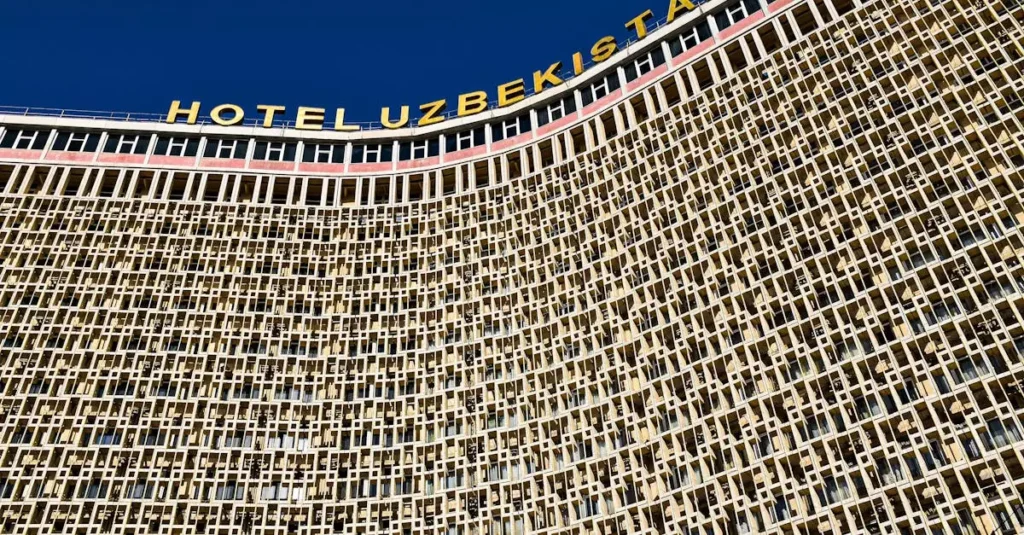
If you are tracking the uzbekistan cheapest month to travel cost, start with Tashkent. It is the easiest place to compare prices, weather, and crowd levels.
I have made one classic mistake here. I arrived during a festival week and paid more for a basic hotel room. The lobby smelled like fresh tea and polished marble, but my budget did not like the bill.
The short answer is simple. The cheapest months are usually late November, December, January, and February. Prices drop because cold weather keeps many tourists away.
Why Tashkent Sets the Tone for Uzbekistan Prices
Tashkent is the main entry point for many visitors. It has the biggest airport, the widest hotel range, and the most reliable metro.
That matters for budget planning. If prices rise in Tashkent, your trip often starts expensive.
In the low season, business hotels and mid-range stays often cut rates. You may find better deals near the metro than in the city center.
Food stays affordable year-round. A simple meal can cost far less than in many Asian capitals. Taxi prices also stay manageable if you use local apps.
For background on the country, see Uzbekistan on Wikipedia.
Uzbekistan Cheapest Month to Travel Cost: When Prices Usually Drop
The cheapest months are usually January and February. Late November can also be strong for savings.
These months bring colder nights and shorter sightseeing days. That keeps demand lower for hotels and tours.
March and April get expensive fast. Spring weather is excellent, and everyone knows it.
May is still popular. June through September can be hot, but prices do not always fall much in Tashkent.
October can be a sweet spot. It is not always the cheapest, but it often balances weather and cost.
“Check hotel rates on Thursday night. Many Tashkent properties release weekend discounts late.”
What You Can Expect to Pay in Low Season
Budget travel in Tashkent is realistic. The city is not cheap in every category, but it is manageable.
Hostels and simple guesthouses often sit at the lowest end. Mid-range hotels become the best value in winter.
Daily costs depend on your style. A frugal traveler can keep expenses low with metro rides and local meals.
Here is a practical comparison.
| Category | Low Season Price | Utility |
|---|---|---|
| Budget hostel bed | Low | Best for solo travelers |
| Mid-range hotel | Medium | Best value in winter |
| Taxi across city | Low to medium | Fast and convenient |
| Metro ride | Very low | Best for daily movement |
| Local meal | Low | Strong budget control |
For official tourism context, visit Uzbekistan’s tourism portal.
How Weather Changes the Real Cost of Travel
Winter in Tashkent is cold, but not brutal every day. Expect frosty mornings and crisp afternoons.
That weather changes spending. You may pay less for rooms, but more for warm clothing and indoor transport.
Summer brings heat. Walking between sights becomes tiring. You may spend more on taxis and cold drinks.
Spring is lovely. It is also the most crowded and often the most expensive.
Autumn is a strong compromise. It is cooler, calmer, and easier on your feet.
“Book a hotel within 500 meters of a metro stop. In winter, that saves time and taxi money.”
Transport Costs in Tashkent and Beyond
Tashkent has a clean, practical metro. It is one of the cheapest ways to move around the city.
Taxis are still affordable. Use app-based rides when possible. They reduce haggling and make pricing clearer.
The airport sits close enough to the city for a short ride. That keeps arrival costs low compared with many capitals.
For longer routes, trains matter. Uzbekistan’s rail network links Tashkent with Samarkand, Bukhara, and beyond.
High-speed trains can sell out during peak season. In winter, seats are easier to find and sometimes cheaper.
Distances are useful when planning a budget. Tashkent to Samarkand is roughly 300 kilometers by rail. Tashkent to Bukhara is farther, so costs rise with speed and comfort.
“If you need intercity rail, check seats 14 to 21 days ahead. That window often gives the best balance.”
Crowd Behavior, Hotel Demand, and Booking Timing
Crowds in Tashkent shift with the calendar. School holidays, Nowruz, and spring weekends can raise demand sharply.
In low season, lobbies feel quieter. Breakfast rooms are calmer. You may even get more flexible check-in times.
That said, cheap does not always mean empty. Business travel keeps some hotels busy, especially weekdays.
Weekend patterns matter. Some properties lower prices on Sunday through Tuesday. Others raise them for short city breaks.
Reality check: the cheapest month is not always the nicest month. You may save money, but spend more time indoors.
What Low Season Looks Like on the Ground
The uzbekistan low season price period is useful for practical travelers. It rewards people who plan around weather, not just headlines.
Street life is still active. Markets stay open. Cafes remain busy at lunch.
But some tour desks run shorter hours. Day trips may need more advance coordination.
That is normal. It is not a sign of poor service.
Winter also changes clothing choices. Bring layers. Dry air can feel colder than the thermometer suggests.
“Use local taxi apps before sunset. Night surcharges can appear after major events and bad weather.”
Pros and Cons of Traveling in the Cheapest Months
- Pros: Lower hotel rates in many areas.
- Pros: Easier booking for trains and taxis.
- Pros: Fewer crowds at major sights.
- Pros: Better chances of room upgrades.
- Cons: Colder weather in Tashkent.
- Cons: Shorter sightseeing windows.
- Cons: Some tours run less often.
- Cons: Spring and holiday spikes can still surprise you.
How to Build a Smarter Budget for 2026
In 2026, travel planning is a little different. Europe’s ETIAS rules can affect multi-country routes for some travelers. That matters if Uzbekistan is part of a larger trip.
Also watch for eco-taxes and local fee changes in some hotels. These are small, but they add up.
For culture and heritage planning, UNESCO sites can shape your route. That matters if you combine Tashkent with Samarkand or Bukhara.
See more at UNESCO Uzbekistan.
For a broader country overview, you can also check Britannica’s Uzbekistan profile.
Plan around your priorities. If you want the lowest price, choose winter. If you want the easiest weather, pay more in spring or autumn.
That tradeoff is normal. Budget travel always has one.
Important Tips Before You Lock Dates
“Compare rates for the same hotel across three date ranges. One-night shifts can change the total by a lot.”
“Ask hotels if breakfast is included. In Tashkent, that can quietly save a full meal budget.”
These two moves are simple. They often beat chasing the absolute lowest nightly rate.
Also, check cancellation rules. Winter deals can be cheap but rigid.
If your dates are flexible, you gain leverage. That is especially useful for the uzbekistan cheapest month to travel cost question.
FAQ
How cheap is Tashkent in January?
Usually cheaper than spring. Hotels often discount more, and crowds stay lighter.
Why is winter the best low season price period?
Cold weather reduces demand. That pushes down room rates and some tour prices.
When should I book trains for the best value?
Book 2 to 3 weeks ahead for popular routes. Earlier is better in holiday periods.
How much should I budget for transport in Tashkent?
Use the metro for the lowest daily cost. Add taxis for late-night or cross-city trips.
Why do spring prices rise so fast?
The weather is ideal, and regional tourism increases. Demand rises before supply does.
Conclusion
If you want the lowest overall spend, aim for January or February. If you want a better weather balance, try late October or November.
Build your plan around transport, hotel location, and crowd patterns. That is how the real savings happen.
Choose the month that fits your comfort level. Then book early enough to keep control of the cost.
