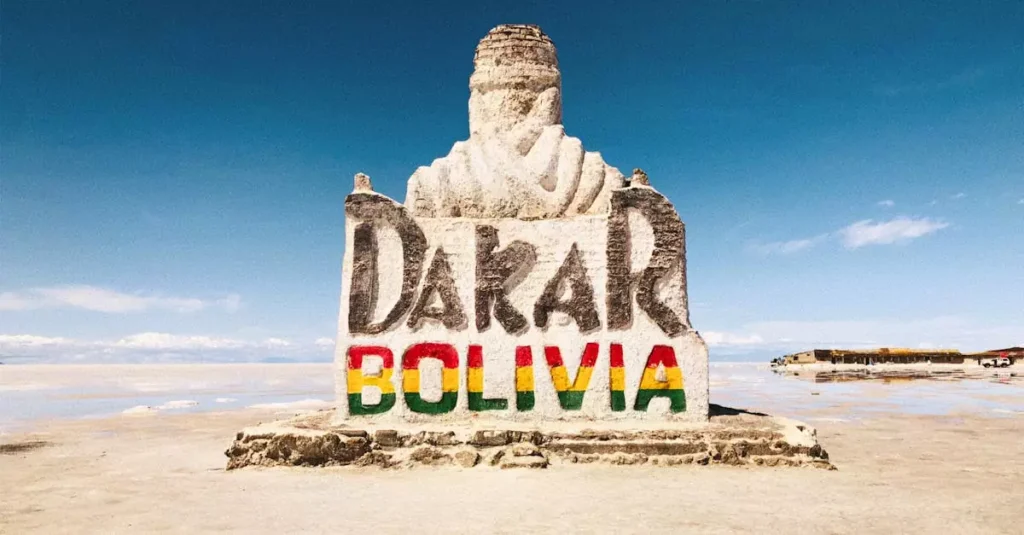
The Salar de Uyuni draws adventurers from across the globe, and for good reason. Bolivia’s sprawling salt flat delivers landscapes that feel genuinely otherworldly. Visitors flock here dreaming of mirror-like reflections, endless expanses of white, and those vibrant lagoons that seem almost unreal. It’s the kind of destination that immediately captures a spot on any South America bucket list.
Yet many travelers arrive unprepared for the full financial picture. They book the main tour and call it done, missing several essential expenses along the way. Grasping the complete cost breakdown matters far more than most realize. It’s the difference between a smooth adventure and one plagued by constant surprises.
This guide pulls back the curtain on the common uyuni hidden travel costs that catch visitors off guard. You’ll discover what actually gets covered and what doesn’t. Armed with this knowledge, you can prepare for an amazing trip without any financial curveballs.
Understanding the Uyuni Salt Flats Experience
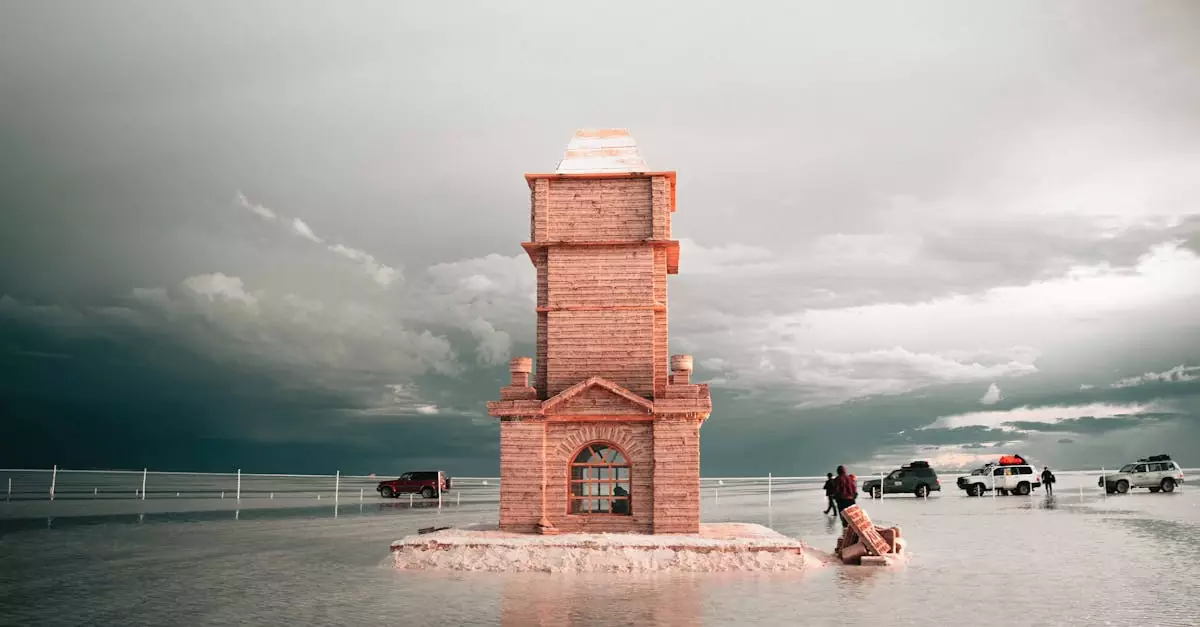
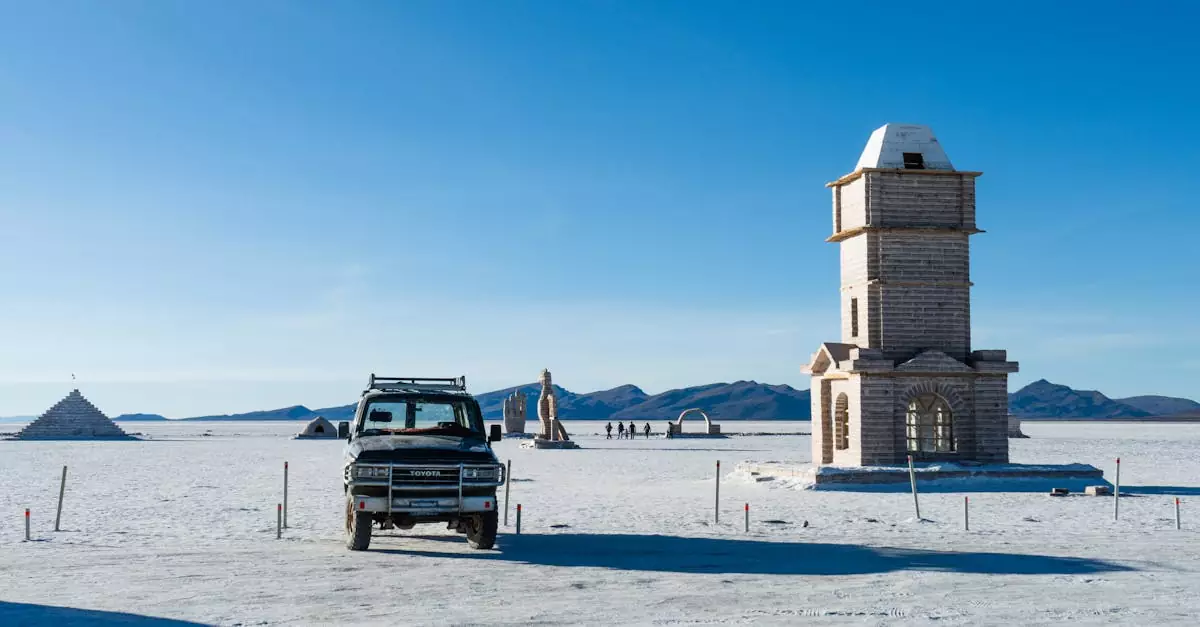
The Salar de Uyuni ranks as the world’s largest salt flat, sprawling across more than 10,000 square kilometers in southwest Bolivia. This natural wonder emerged from prehistoric lakes that once covered the region. What remains is a stunning white landscape that stretches endlessly in every direction. When the wet season arrives, a thin water layer transforms the entire expanse into a massive mirror, perfectly reflecting the sky above. Photographers consider it paradise. Most travelers tackle the flats through multi-day organized tours, typically departing from the town of Uyuni itself.
Standard tours run three days and two nights, taking you through the salt flats, colorful lagoons, geysers, and hot springs. You’ll sleep in basic accommodations, sometimes in actual salt hotels. Meals come included, though quality varies considerably. The altitude here presents a serious considerationaround 3,656 meters (11,995 feet). This elevation demands proper acclimatization before you arrive. The landscape’s remote nature means limited services and infrastructure. Think of it as a true adventure rather than a pampered escape.
Many people weave Uyuni into a larger Bolivia itinerary, combining it with La Paz or even the Atacama Desert in Chile. Getting to Uyuni itself requires either a bus ride or flight, both of which take considerable time. Always partner with reputable tour operatorssafety standards matter in this rugged terrain. The experience itself is genuinely once-in-a-lifetime, and understanding the financial realities makes it even better.
Unveiling Uyuni Hidden Travel Costs: Beyond the Tour Price
Booking a tour and assuming you’ve covered everything? That’s where most travelers go wrong. The advertised tour price rarely tells the complete story. Several significant uyuni hidden travel costs exist beyond what you initially pay, and they accumulate fast. These extras range from park entry fees to basic comfort amenities. Recognizing them beforehand prevents financial stress when you’re already in the field.
The Eduardo Avaroa Andean Fauna National Reserve entry fee represents one major charge. This protected area encompasses much of the stunning landscape you’ll actually see. Most multi-day tours spend considerable time within the reserve boundaries. The fee doesn’t come included in your tour packageyou pay it separately in cash at the entrance. Expect around 150 Bolivian Soles (BOB). Bring local currency for this. Hot springs access adds another layer. After a cold day exploring, that thermal water dip sounds perfect. It typically costs roughly 6 BOB. These small charges accumulate into something substantial.
Personal comfort items chip away at your budget too. Hot showers at basic lodges rarely come free. Budget 10-20 BOB for a few minutes of warm water. Charging your phone or camera might incur a small fee at remote salt hotels with limited power generation. Snacks and drinks represent another spending category. While meals get provided, they’re usually quite basic. You’ll probably crave extra water, soft drinks, or treats. Everything costs more in remote areas. Small but frequent purchases add up quickly, so plan accordingly. These unexpected expenses shouldn’t spoil your experience.
Essential Pre-Trip Fees and Charges
Before you even set foot in Uyuni, certain costs may apply. These often slip through the cracks during initial budget planning. Visa requirements depend entirely on your nationality. Some travelers need to secure a visa beforehand; others obtain one upon arrival. Check the current visa policies for your country well ahead of time. Visa fees range from $30 to $160 USD depending on your situation. This represents a significant upfront expense. Ensure your passport remains valid for at least six months beyond your travel dates and has enough blank pages for stamps.
Vaccinations warrant serious consideration before departure. Yellow Fever vaccination is frequently recommended or required. This depends on your travel history and specific entry points into Bolivia. Get vaccinated at least 10 days before you travel, and carry your certificate with you. Other shots worth discussing with a travel doctor include Hepatitis A and B, Tetanus, and Typhoid. Schedule a consultation well before your trip. Vaccination costs accumulate, but they represent a crucial health investment for your journey.
Travel insurance isn’t optionalit’s genuinely essential. Uyuni’s remote location and high altitude create real risks. Accidents, altitude sickness, or lost luggage happen to travelers regularly. Comprehensive coverage protects you against medical emergencies, trip cancellations, and theft. It provides genuine peace of mind. Policies vary dramatically in price, ranging from $50 to $200 USD for solid coverage. Don’t compromise on this vital protection. It’s arguably the most important uyuni extra costs tips fees to consider before departure.
On-the-Ground Uyuni Extra Costs Tips Fees
Once you arrive in Uyuni, local expenses begin accumulating immediately. These day-to-day costs rarely appear in tour pricing. Local transportation represents one category. Getting from the bus station or airport to your hotel requires a taxi, typically costing 10-20 BOB. While not enormous individually, these add up. If you arrive early or extend your stay, you’ll need additional transport around town.
Toilet fees surprise many visitors. Public restrooms throughout Bolivia charge small fees, usually 1-2 BOB per use. This applies at bus stations, markets, and tourist stops alike. Always keep small change handy. It’s a minor expense but a frequent one. Getting caught without coins creates awkward situations. These small charges represent part of the broader uyuni extra costs tips fees picture.
Tipping is customary in Bolivia, particularly for quality service. Your guide and driver work long hours in demanding conditions. A tip acknowledges their effort appropriately. Many travelers tip 50-100 BOB per person for a 3-day tour. Consider tipping your cook as wellit’s always appreciated. Budget for these gratuities to avoid last-minute scrambling. They’re a key component of the unwritten uyuni hidden travel costs. Remember, these amounts support local livelihoods and the regional economy.
Food, Drink, and Comfort: Unexpected Spending
Most Uyuni tours include meals, but they’re typically quite basic. They may not satisfy your preferences or dietary requirements. Smart travelers budget for extra snacks. Energy bars, dried fruit, or chocolate prove invaluable during long drives. Bottled water deserves special attention. Tap water isn’t safe in Uyuni, so you’ll need plenty of bottled water to stay hydrated. High altitude increases this need significantly. Large bottles cost 10-15 BOB in remote areas. Buying a supply in Uyuni town before your tour saves money compared to purchasing on the road.
Hot showers represent a luxury in remote salt hotels. Many places offer only cold water as standard. Wanting a hot shower? Prepare to pay 10-20 BOB for a brief duration. After a dusty day, most travelers consider it worthwhile. Electronics charging also carries a fee in some lodges. Power outlets are genuinely scarce in remote locations. Some places charge a few BOB to plug in your phone or camera. A portable power bank helps reduce these recurring small expenses. It’s a practical way to manage your uyuni hidden travel costs.
Alcoholic beverages don’t appear in tour packages. Want a beer or wine? You’re buying it separately. Remote areas charge premium prices. Purchasing drinks in Uyuni town before departure makes financial sense. Souvenirs present another temptation. Unique handicrafts abound in the region. Set a small souvenir budget if you plan to buy gifts. These small indulgences enhance your experience. They also add to your overall spending. Keep potential uyuni extra costs tips fees in mind.
Souvenirs and Optional Activities: The Temptation
The Uyuni region offers distinctive souvenir opportunities. Salt figurines, local textiles, and alpaca wool items make wonderful gifts or personal keepsakes. Vendors appear at popular stops like Incahuasi Island. While not required, resisting proves difficult. A small salt figurine might run 10-30 BOB. A woven scarf could cost 50-100 BOB. These purchases accumulate rapidly. Establish a souvenir budget beforehand. This prevents these discretionary uyuni hidden travel costs from spiraling.
Beyond the standard itinerary, some optional activities exist. Sunrise viewings over the salt flats sometimes require an early start and extra payment to your driver. While often modest, it’s not always included. Market visits or museum tours might be available. Always ask your tour operator if any ‘optional’ activities carry additional costs. Most tours follow a fixed itinerary. Occasionally, drivers offer small detours for a fee.
Photography dominates the Uyuni experience. You might need extra memory cards or batteries. Purchase these before your tripUyuni town prices are higher. A tripod helps capture those stunning long exposure shots. These items aren’t direct tour costs. Yet they’re essential for maximizing your experience. They represent indirect uyuni extra costs tips fees. Planning for these personal needs ensures you capture the beauty properly.
Comparison Table: Tour Package vs. DIY Budgeting for Uyuni
| Expense Category | Standard Tour Package (Typical Inclusions) | DIY Budgeting (Considered Extras) |
|---|---|---|
| Main Tour Price (3D/2N) | Included (Jeep, Driver, Basic Meals, Basic Accommodation) | Base cost for tour only |
| National Reserve Entry Fee | NOT included (approx. 150 BOB) | Budgeted as a separate item |
| Hot Springs Entry Fee | NOT included (approx. 6 BOB) | Budgeted as a separate item |
| Hot Showers | NOT included (approx. 10-20 BOB per shower) | Budgeted for comfort |
| Charging Electronics | NOT included (approx. 5-10 BOB) | Budgeted for convenience or use power bank |
| Extra Snacks & Drinks | NOT included (basic meals only) | Budgeted for personal preference (e.g., 50-100 BOB) |
| Tips for Guide/Driver/Cook | NOT included (approx. 50-100 BOB per person) | Budgeted as a gratuity |
| Toilet Fees | NOT included (approx. 1-2 BOB per use) | Budgeted for frequent small needs |
| Souvenirs | NOT included | Budgeted for personal spending (e.g., 50-150 BOB) |
| Travel Insurance | NOT included | Essential pre-trip expense (e.g., $50-200 USD) |
| Visa Fees (if applicable) | NOT included | Essential pre-trip expense (e.g., $30-160 USD) |
Pros and Cons of Budgeting for Uyuni’s Extras
Proactively budgeting for uyuni hidden travel costs delivers several tangible advantages. The primary benefit is genuine peace of mind. Knowing you’ve allocated funds for every potential expense eliminates financial stress. You can absorb the stunning landscapes without constantly checking your wallet. This allows for a more relaxed and immersive experience. It prevents the panic of running low on cash in remote areas far from ATMs. Proper budgeting also means you can embrace small indulgences. A hot shower or extra snack becomes an easy choice. You won’t feel guilty about these minor comforts.
Better financial control represents another significant pro. You gain clarity about your total trip cost. This improves your overall travel planning for your Bolivia adventure. It also reduces overspending tendencies. You can allocate specific amounts for different categories. This disciplined approach often saves money in the long run. You avoid impulse purchases that aren’t truly necessary. Furthermore, it prepares you for the realities of traveling in developing regions. Services frequently come with small charges. This is simply how things work across much of South America.
The cons, however, are relatively minor. Detailed budgeting requires more upfront planning. Some travelers prefer spontaneity over spreadsheets. Researching every potential small fee can feel tedious. There’s also the possibility of over-budgeting. You might allocate money for things you ultimately don’t need. This means carrying extra cash, which presents a slight security concern. Yet the benefits far outweigh these drawbacks. The peace of mind gained is invaluable. It ensures a smoother and more enjoyable Uyuni experience. Considering these uyuni extra costs tips fees is always worthwhile.
Practical Tips to Minimize Uyuni Hidden Travel Costs
Minimizing your uyuni hidden travel costs begins with smart preparation. First, always carry plenty of Bolivian Soles (BOB) in small denominations. ATMs are scarce outside Uyuni town. Many small feespark entries, toilet charges, tipsrequire cash. Small bills make transactions smoother. They also prevent change-making headaches with vendors. A practical guideline: carry at least 500-700 BOB per person for a 3-day tour, separate from your main tour payment.
- Book Reputable Tours: Research tour operators thoroughly. Read reviews to identify companies known for transparency. Budget tours sometimes cut corners or surprise you with hidden fees.
- Pack Smart: Bring your own snacks, water bottle, and a portable power bank. Purchasing these in Uyuni town or beforehand costs less.
- Bring a Filtered Water Bottle: This reduces expensive bottled water purchases. It’s also environmentally responsible.
- Consider Travel Insurance: As discussed, this is non-negotiable. It protects you from major unexpected expenses.
- Check Visa Requirements: Confirm visa needs well in advance. This avoids last-minute rush fees or travel delays.
- Learn Basic Spanish: Even a few phrases help when negotiating souvenir prices or taxi fares.
- Acclimatize Properly: Arrive in Uyuni a day or two early. This prevents altitude sickness, which can trigger unexpected medical costs.
- Understand Tour Inclusions: Request a detailed list from your operator about what’s included and what isn’t. Clarify all potential uyuni extra costs tips fees.
- Budget for Tips: Set aside money specifically for your guide, driver, and cook.
- Utilize Our Resources: For deeper planning, explore our guide on the best time to visit Uyuni and our comprehensive travel budget guide.
Following these tips significantly reduces unexpected out-of-pocket expenses. Your journey through the stunning Salar de Uyuni becomes smoother and more enjoyable. Prepare thoroughly, and your Bolivia travel adventure will be truly unforgettable. For additional regional information, visit Wikipedia’s Salar de Uyuni page.
FAQs About Uyuni Travel Expenses
What is the average cost for a 3-day Uyuni tour?
A standard 3-day, 2-night Uyuni tour typically ranges from 700 to 1200 Bolivian Soles (BOB) per person. This usually includes transportation, basic meals, and accommodation. Prices vary based on the tour operator’s reputation and group size. Always confirm what’s actually included before booking.
Are national park fees included in Uyuni tour packages?
No, national park fees almost never appear in the base tour price. The Eduardo Avaroa Andean Fauna National Reserve entry fee is approximately 150 BOB. You must pay this in cash at the entrance. Budget for this significant extra cost.
How much cash should I bring to Uyuni?
Beyond your main tour payment, bring at least 500-700 BOB per person for a 3-day tour. This covers park fees, hot showers, snacks, drinks, toilet fees, and tips. Small denominations are essential for these transactions.
Are hot showers available and free on Uyuni tours?
Hot showers are generally available only at some accommodations, particularly on the second night. They’re almost never free. Expect to pay 10-20 BOB for a short hot shower. Many places offer only cold water.
Is travel insurance necessary for Uyuni?
Yes, travel insurance is highly recommended and essentially necessary for Uyuni. The high altitude and remote location present genuine risks. Insurance covers medical emergencies, altitude sickness, and trip interruptions. It provides vital protection and genuine peace of mind.
Conclusion: Mastering Your Uyuni Budget
Experiencing the Salar de Uyuni ranks among the world’s most incredible adventures. Its vast, ethereal landscapes create memories that endure for decades. However, truly enjoying your trip requires careful financial planning. Overlooking potential uyuni hidden travel costs can quickly transform an adventure into a stressful ordeal. By understanding these extra expenses, you empower yourself. You can prepare adequately and budget wisely for every aspect of your journey.
From park entrance fees and hot showers to tips and personal snacks, every small expense compounds. Our detailed breakdown of uyuni