Understanding the Annapurna Base Camp Trek Cost in 2026
Heading into the Himalayas excites anyone who loves high country, and for many the Annapurna Base Camp trek cost shapes the whole plan for 2026. This page lays out the expenses youre likely to face so youre not surprised on trail: permits, meals, night stops, and travel to and from the trailhead. For a typical ten-day itinerary most people budget roughly $700 to $1,500. How much you actually spend will depend on choices like accommodation level, transport preferences, and whether you hire staff or travel independently.
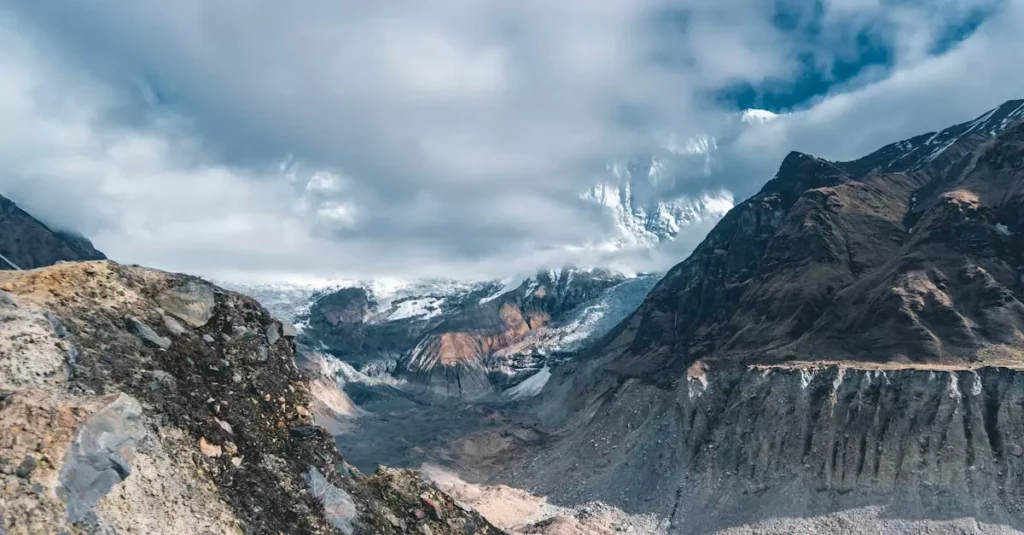
The Annapurna Region delivers some of the planets most memorable mountain scenery verdant forests, stone-built villages and finally the bowl of towering peaks at base camp. Prices have edged up in recent seasons as inflation and local policy changes affect rates for food, rooms and services. Having a clear sense of those costs beforehand prevents nasty surprises and helps you tailor a plan, whether you want the cheapest tea-house route or a more comfortable private trip.
Good budgeting also means accounting for the small but accumulating extras. Think about equipment rental, tipping, water treatment and device charging all are commonly overlooked and add up over a week. This comprehensive abc trek price guide breaks down each category so you can assemble a realistic budget. Read on for a detailed look at where your money goes and how to keep costs under control while enjoying the Annapurna sanctuary.
Mandatory Permits and Entry Fees for the Annapurna Region
Before you set off you must secure a couple of official permits. The main one is the Annapurna Conservation Area Project (ACAP) permit, which contributes to conservation and trail upkeep. For international visitors the ACAP typically costs about 3,000 Nepalese Rupees (NPR), and you can obtain it in Kathmandu or Pokhara at the tourism offices. For current rates and any rule changes, check the Nepal Tourism Board. Keep a printed copy of the permit and a few passport photos handy for registration.
The other required document is the Trekkers Information Management System (TIMS) card, used to track hikers for safety and rescue. An individual TIMS card runs around 2,000 NPR. From 2026 the government has tightened rules and the majority of trekkers are expected to hire a licensed guide a move designed to improve safety and channel income into the local economy. Most agencies will sort both the ACAP and TIMS for you; if you must register yourself, expect to visit the permit office before heading out. Checkpoints along the route will require you to present these papers or you risk fines.
Permits are non-refundable and cannot be transferred between regions, so if you plan side trips you may need additional paperwork. For the standard ABC itinerary, ACAP and TIMS are normally sufficient. Allocating about $40$50 for permits and documentation is a sensible estimate. Store your permits in a waterproof sleeve in your pack officials will inspect them at multiple checkpoints and remember these small fees fund the services and protection that keep the region healthy and safe.
Daily Expenses for Food and Accommodation on the Trail
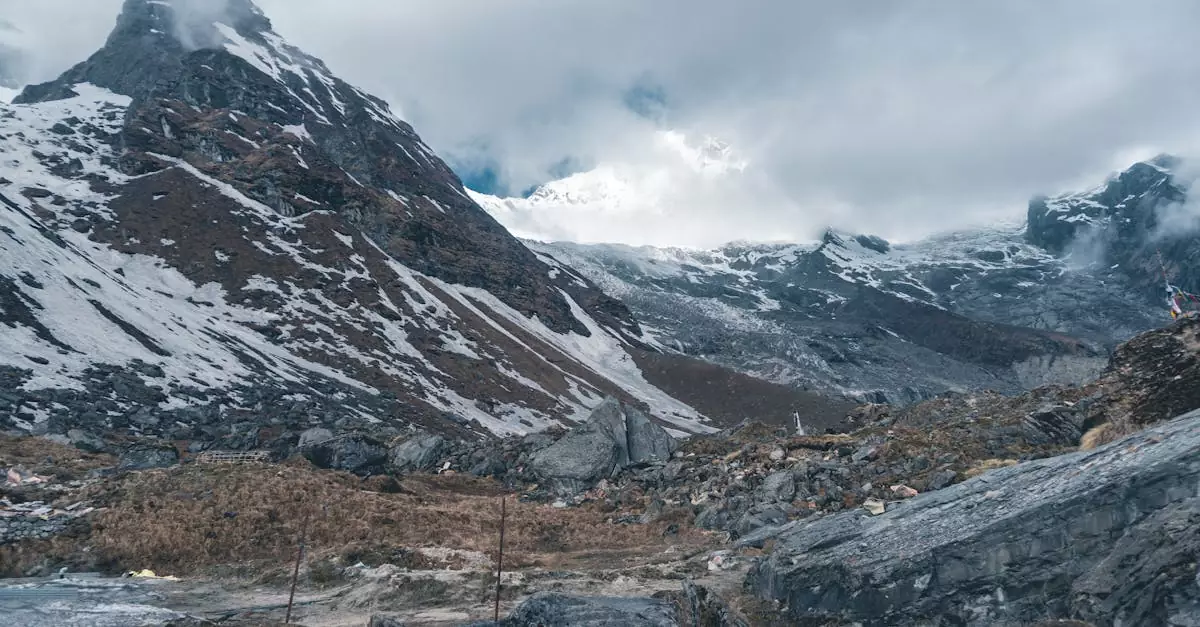
Accommodation along the ABC trail is dominated by tea houses family-run lodges where rooms are basic but usually clean and welcoming. In the lower sections expect twin-share rooms to cost around $5 to $10 per night. As elevation rises the lodging prices stay relatively modest, but most owners expect guests to eat at their place; choosing not to order food there can significantly increase the room rate. This arrangement helps support the small businesses that operate the lodges.
Meal prices rise with altitude since people must carry supplies up the trail. A typical Dal Bhat plate rice, lentils and vegetables generally costs between $6 and $10 and offers the best value thanks to generous refills. Menus also commonly include pasta, eggs or pizza in many villages. Plan on budgeting about $30 to $40 daily for three meals plus teas or coffee during breaks. For background on Nepal’s tourism patterns see the Tourism in Nepal page.
Small on-trail charges catch a lot of first-time visitors off guard. Hot showers usually cost $2$5, charging phones or cameras about $1$3 per hour, and WiFi when available can be slow and pricey at $3$5 per day in higher spots. Avoid buying bottled water to reduce plastic waste; instead use purification tablets or a filter with tap water. Not only does that habit save money, it also helps preserve the fragile mountain environment.
Transportation Costs from Kathmandu to the Annapurna Region
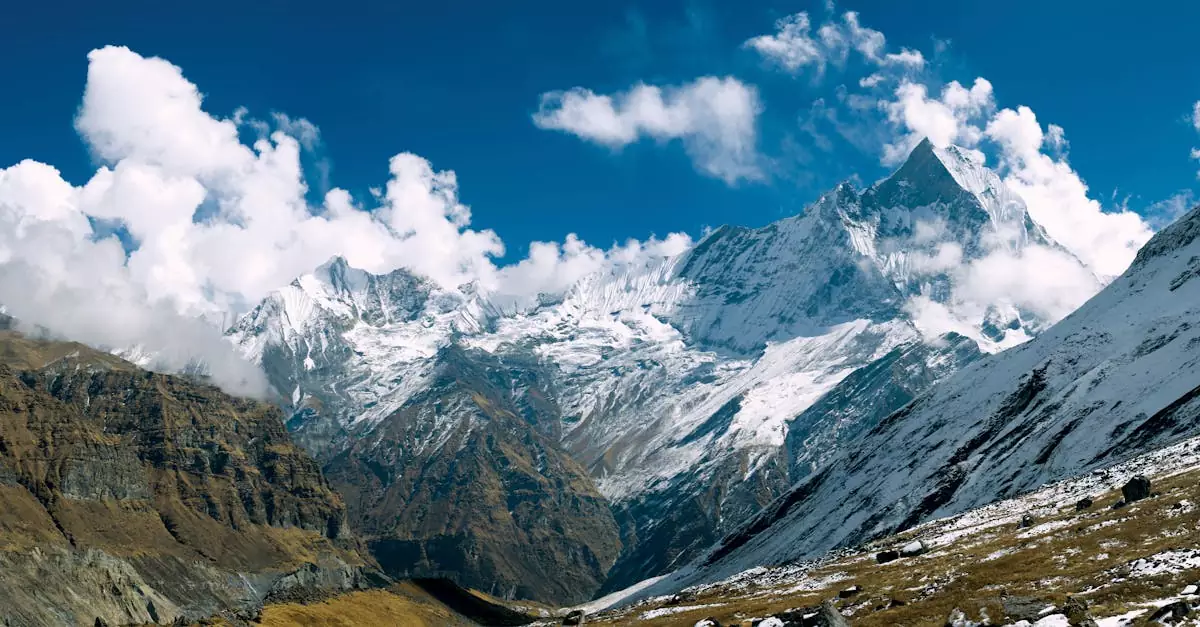
Most treks start in Kathmandu and require a transfer to Pokhara before the trailhead. The fastest option is a 25-minute domestic flight, which offers lovely aerial views of the ranges; a one-way ticket usually runs $100$120 for foreign passengers. These flights are sold through local carriers and travel agents the Nepal Tourism Organization lists authorized providers.
On a tighter budget the tourist bus is a practical alternative, taking around 79 hours depending on road conditions and costing roughly $10$25 for a comfortable seat. The route follows the scenic Prithvi Highway alongside rivers and terraced hills. Local buses are cheaper still but can be crowded and slow. From Pokhara youll need a taxi or jeep to reach trailheads like Nayapul or Ghandruk; that short transfer typically costs $20$50.
Sharing a jeep with fellow trekkers cuts your per-person annapurna trek cost for the road segment considerably. Private jeeps are quicker and better suited to rough mountain tracks; when split among a group they become very economical. Dont forget to budget for your return to Kathmandu or for a few relaxation days in Pokhara hotels there range from about $15 to $150 per night. Factoring transport and any city stays into your planning smooths the logistics at both ends of the hike.
Hiring Professional Guides and Porters for Safety
Using a licensed guide greatly improves safety and the overall experience. Guides know the trails, weather patterns and local customs, they can liaise with lodge owners and coordinate help during emergencies. Typical daily rates for a licensed guide in 2026 land between $25 and $35, which normally includes their food, accommodation and insurance. A guides knowledge adds context to what you see and reduces stress on tricky sections of trail.
Porters shoulder the heavy loads so you can trek light and enjoy the route. Hiring one reduces fatigue and makes steep stretches much more manageable. Daily porter rates are commonly $20$25; they can carry up to about 20 kilograms and often split loads between two trekkers. Treat porters fairly, provide decent gear and confirm whether staff insurance is included in any agency quote you accept.
Tipping is customary and an important part of the local trekking economy. Many groups set aside around 10%15% of the crews total fee for tips; for a 10-day trek that typically translates to about $100$150 split among the team. Guests generally hand over tips on the final day. That additional annapurna base camp trek cost is highly valued by guides and porters and helps families through quieter months, so include it in your cash planning.
Equipment Rental and Trekking Gear Investment
You dont have to purchase every piece of kit before leaving home Kathmandu and Pokhara have numerous rental shops offering good-quality equipment at reasonable daily rates. Renting can cut your annapurna base camp trek cost significantly: a warm down jacket often rents for $1$2 per day, and a four-season sleeping bag is similar. These items matter at altitude, where nights can drop below freezing, so inspect zippers and cleanliness before you walk away with them.
Smaller items such as trekking poles, hats and gloves are readily available to rent or buy cheaply. Bring your own well-broken-in hiking boots to avoid blisters; good socks and moisture-wicking layers are also worth investing in. Shops in Thamel and Lakeside stock branded gear and local makes the latter are often perfectly adequate for a single trek. Below is a comparison table that outlines typical budget tiers for the ABC trek.
| Expense Category | Budget Trek (Self-Planned) | Standard Trek (Group) | Luxury Trek (Private) |
|---|---|---|---|
| Daily Food & Water | $25 – $30 | $35 – $45 | $50 – $60 |
| Accommodation | $5 – $8 | Included | $40 – $80 (Luxe Lodges) |
| Guide & Porter | Shared Guide Only | Included | Private Guide & Porter |
| Transport (Return) | $40 (Bus) | $220 (Flight) | $250 (Private Jeep/Flight) |
| Total (10 Days) | $650 – $800 | $1,100 – $1,300 | $1,800 – $2,500+ |
Choosing appropriate gear affects comfort and safety more than you might expect. For novice trekkers, skimping on essentials a solid rain jacket or adequate insulation can turn a pleasant trip into an uncomfortable one. Specialist sites provide detailed annapurna trek cost breakdowns for gear purchases. Carry a small medical kit with remedies for headaches and stomach upsets; these are cheap to buy in Kathmandu but scarce on the trail.
Pros and Cons of Different Trekking Styles
There are multiple ways to approach the Annapurna Base Camp experience, and each affects your budget in different ways according to this abc trek price guide. Independent trekking gives freedom and typically lowers cost, but it demands more logistical work and risk around full lodges. Group tours reduce administrative hassle, bring a social dynamic and often reduce per-person price, though they follow a set pace. Private or luxury options provide extra comfort and flexibility at a premium.
- Independent Trekking: Pros include lower costs and a flexible schedule. Cons include the stress of managing logistics and finding lodges.
- Group Tours: Pros include meeting new people and having everything pre-arranged. Cons include a rigid pace and less privacy.
- Luxury Treks: Pros include better food, heated rooms where available, and private transport. Cons include the very high financial cost.
- Teahouse Trekking: Pros include supporting local families and a cultural experience. Cons include basic shared bathrooms and thin walls.
Practical reality: solo independent plans can be tricky during peak season when lodges prioritize groups and rooms fill quickly. Solo trekkers sometimes end up sleeping in dining areas unless they book ahead or use an agency. Paying a bit more for an organized option guarantees a bed each night and reduces hassle. Match your chosen style to your fitness, schedule and how much comfort you want many people find standard group treks to be the best compromise.
Practical Money-Saving Tips for Your ABC Adventure
You can cut costs on trail without risking your comfort. Bring snacks from the city chocolate, nuts and dried fruit are far cheaper in Pokhara or Kathmandu than in mountain stores and can save $20$30 overall. A lightweight solar charger eliminates incremental phone- and camera-charging fees at tea houses; strap it to your pack and top up while you walk.
Water treatment is another area for savings: at altitude bottled water can cost $3 per liter, so if you drink three liters a day thats $9. Using a LifeStraw, filter or purification tablets lets you drink safely from taps for a fraction of the price. Trekking during shoulder seasons such as late May or early September can also yield lower room rates, though weather is less predictable. Carry sufficient Nepalese Rupees because ATMs dont exist on the trail; exchange money in Kathmandu for the best rates before you leave.
Avoid ordering imported dishes like pizza or burgers high on the trail theyre costly and often lack freshness. Rely on Dal Bhat for a filling, nutritious and affordable meal. Pack a roll of toilet paper and basic toiletries rather than buying them at altitude, where prices multiply. Small daily savings add up and might leave enough for a treat meal in Pokhara after the trek. With a bit of planning the annapurna base camp trek cost becomes much more manageable.
FAQs about the ABC Trek Price Guide
How much cash should I carry per day?
A reasonable daily cash amount is $30$40 in Nepalese Rupees to cover meals, small comforts like showers and incidental costs. Its wise to carry a buffer for unexpected needs.
Is travel insurance included in the trek cost?
No travel insurance is separate and you should secure it before arriving. Make sure the policy covers trekking up to 5,000 meters and includes helicopter evacuation.
Can I use credit cards on the ABC trek?
Credit cards are rarely accepted in mountain tea houses; most transactions are cash-only. A few larger lodges in lower villages may take cards but typically add fees.
Are there any hidden costs I should know about?
Yes device charging, WiFi access and hot showers carry extra fees, and youll want to budget tipping for guides and porters. Those small items can total another $10$15 daily if you arent careful.
Is it cheaper to trek in the off-season?
Off-season trekking can reduce room rates in some places, but many tea houses close during winter or monsoon months and flights are more likely to cancel. Balance savings against increased logistical risk.
Conclusion: Planning Your Perfect Annapurna Adventure
The Annapurna Base Camp trek delivers unforgettable scenery and cultural encounters, and understanding the annapurna base camp trek cost helps you design a trip that fits your finances. Whether traveling frugally or opting for extra comfort, prioritize safety by hiring a guide and purchasing appropriate insurance. With sensible planning you can enjoy the regions dramatic landscapes and warm hospitality without unnecessary stress start budgeting, prepare carefully and the mountains will reward you.