Peru is a land of staggering contrasts, where ancient wonders meet some of the world’s most dramatic natural landscapes. From the mist-shrouded peaks of the Andes to the vibrant hues of geological marvels, this South American gem offers a journey for the senses. If you’re dreaming of exploring these awe-inspiring vistas, understanding the best scenic destinations in Peru is your first step toward an unforgettable adventure.
This guide will lead you through must-see locations, providing insights into what makes each place special. You’ll discover iconic sites like Machu Picchu and the otherworldly Rainbow Mountain, alongside lesser-known treasures that promise equally breathtaking views. We’ll also discuss the best times to visit and how to navigate these incredible environments, ensuring your trip is as seamless as it is spectacular. Prepare to be captivated by Peru’s unparalleled natural beauty.
Discovering Peru’s Unparalleled Natural Beauty
Peru captivates with its dramatic landscapes, from soaring Andean peaks to vibrant, otherworldly geological formations. Planning a journey here means immersing yourself in some of the world’s most breathtaking scenic destinations—a true bucket list experience for any nature enthusiast. Knowing the best times to visit and how to navigate these stunning locales will greatly enhance your trip.
Machu Picchu: The Iconic Inca Citadel Amidst Andean Peaks
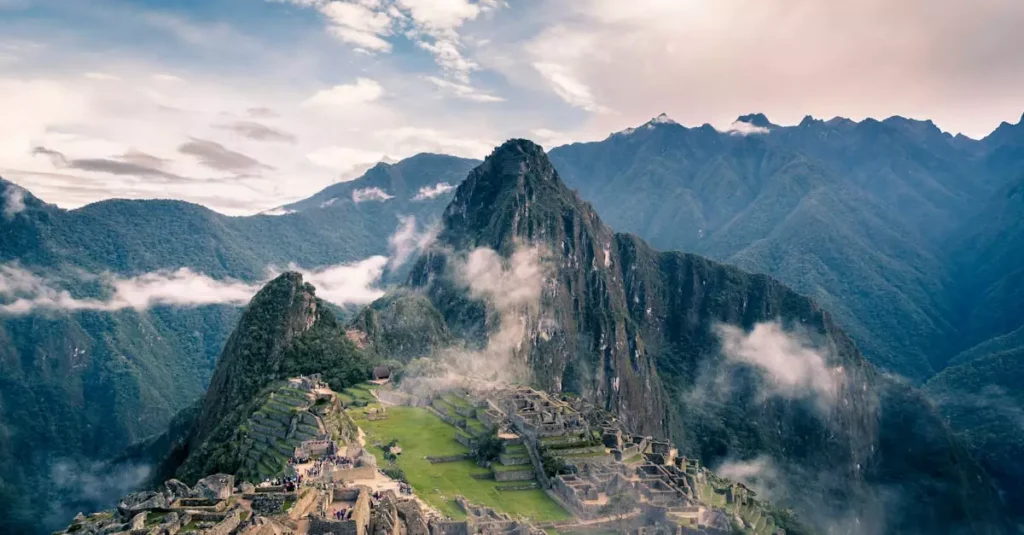
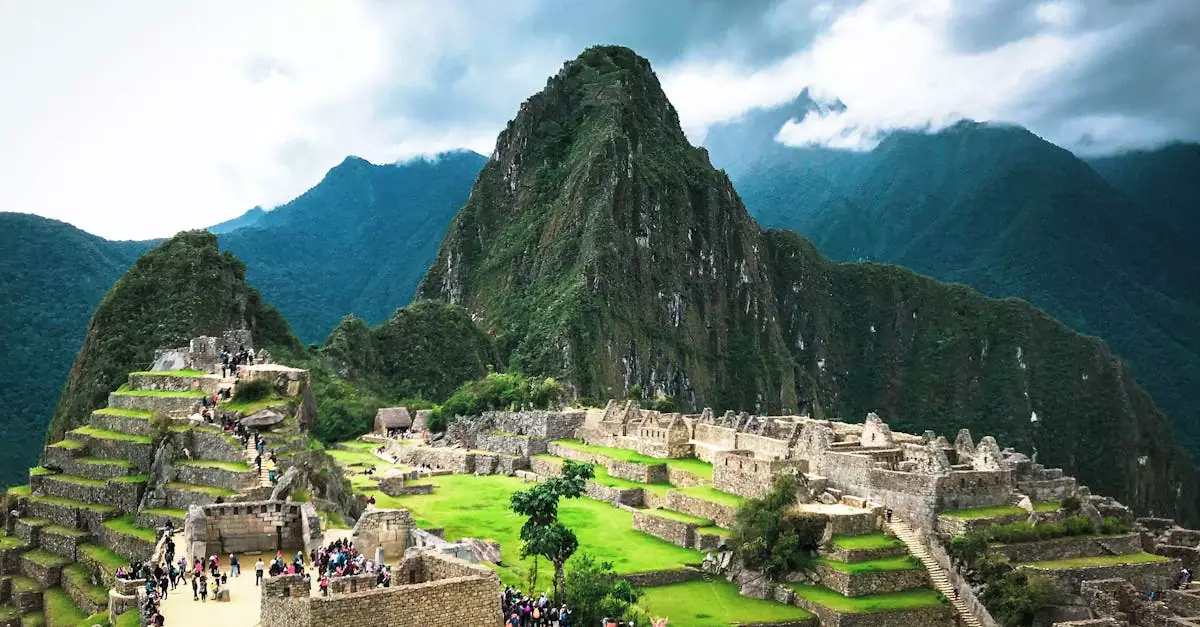
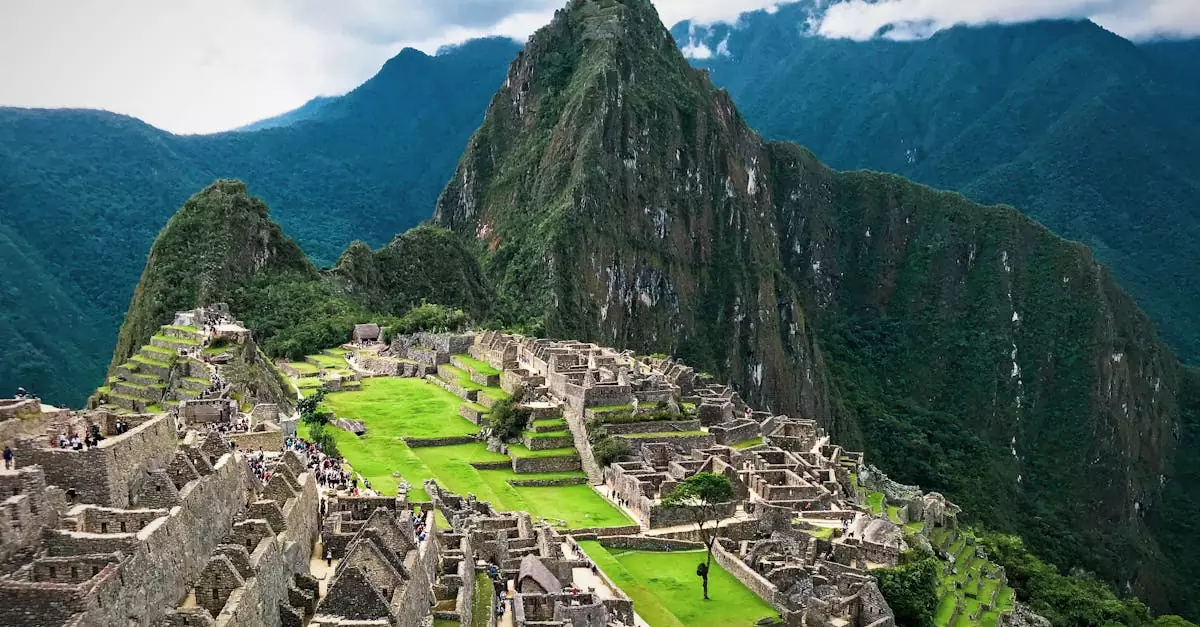
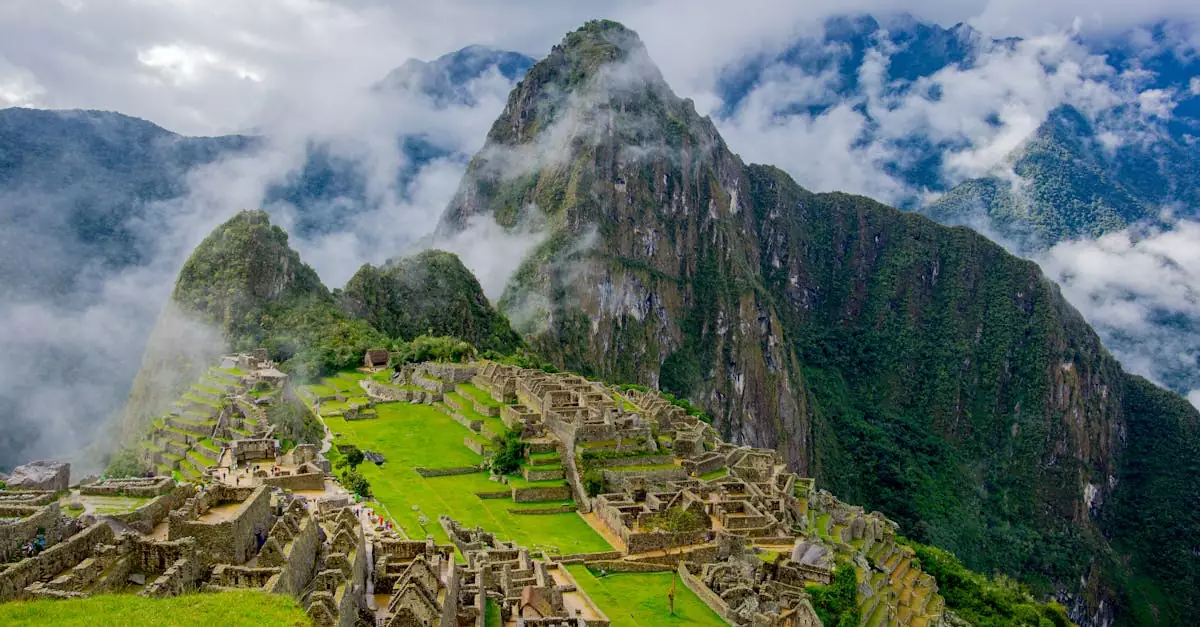
No exploration of Peru’s natural wonders is complete without a visit to Machu Picchu. This ancient Inca citadel, perched high in the Andes Mountains, showcases the remarkable integration of human ingenuity with its rugged surroundings. The mist-shrouded ruins, set against lush green peaks and deep valleys, create an unforgettable panorama.
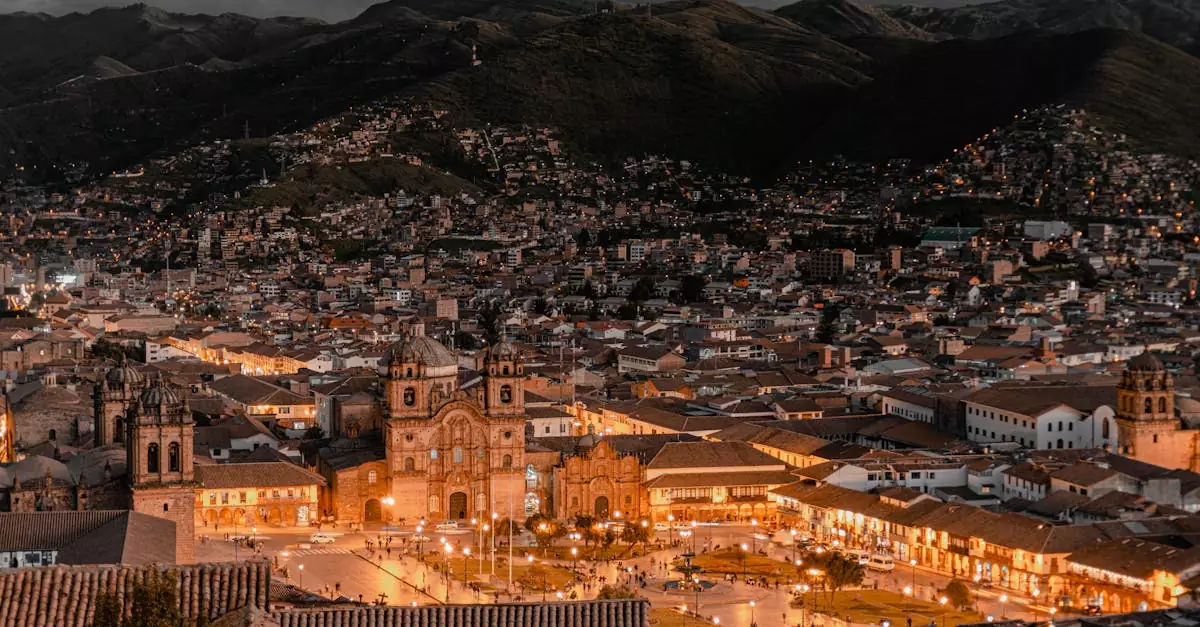
Reaching Machu Picchu involves several steps. Most travelers fly into Cusco, the historic capital of the Inca Empire, and then take a scenic train ride to Aguas Calientes, the town at the base of the citadel. From Aguas Calientes, buses transport visitors up the winding road to the entrance. Booking train tickets and entrance fees well in advance is crucial, especially during the peak dry season from May to September. For a more adventurous experience, consider the Inca Trail, which requires booking several months ahead.
The scale of the construction and its harmony with the natural topography are awe-inspiring. Early morning visits often provide the most magical light and fewer crowds, allowing for a deeper connection with this UNESCO World Heritage site. The surrounding mountains, including Huayna Picchu and Machu Picchu Mountain, offer challenging hikes with unparalleled views of the citadel below.
Rainbow Mountain (Vinicunca): A Multi-Colored Geological Marvel
Rainbow Mountain, or Vinicunca, showcases Peru’s extraordinary geological diversity. This striking attraction features hills striped with vibrant colors—reds, yellows, purples, and greens—formed by mineral deposits over millions of years. The visual impact is stunning, especially under the bright Andean sun.
The most common starting point for visiting Rainbow Mountain is Cusco. Day trips are readily available, typically involving an early morning pick-up, a drive to the trailhead, and a hike to the viewpoint. The altitude here is significant, often exceeding 5,000 meters (16,400 feet), making acclimatization in Cusco or the Sacred Valley essential to avoid altitude sickness.
The hike itself is moderately challenging due to elevation and the steepness of the final ascent. While horses are available for hire to ease the climb, many visitors choose to walk the entire route. The weather can change rapidly, so packing layers, including rain gear, is advisable. The vibrant colors are most pronounced during the dry season (May to October), when snow cover is minimal, though visiting during the shoulder seasons can offer fewer crowds.
The Sacred Valley: Ancient Terraces and Picturesque Villages
Nestled between Cusco and Machu Picchu, the Sacred Valley of the Incas is a fertile river valley dotted with ancient Inca ruins, traditional villages, and agricultural terraces. It offers a more serene experience than the iconic citadel while being equally rich in history and natural beauty.
Key sites within the Sacred Valley include the impressive Inca ruins of Ollantaytambo, a well-preserved fortress and town that served as a royal estate for Emperor Pachacuti. Pisac is another highlight, famous for its sprawling hilltop ruins and a vibrant artisan market that showcases local crafts. The terraced fields at Moray, believed to have been an agricultural laboratory for the Incas, present a unique circular design.
Transportation through the Sacred Valley is convenient. Many visitors opt for guided tours from Cusco, which typically cover several key sites. Alternatively, hiring a private taxi or using local buses and colectivos (shared taxis) allows for more flexibility. Staying overnight in towns like Ollantaytambo or Urubamba provides an opportunity to soak in the valley’s tranquil atmosphere and enjoy its stunning scenery at a slower pace. The valley’s lower altitude compared to Cusco makes it an excellent place to acclimatize before heading to higher elevations. For those interested in Peru’s rich cultural heritage, exploring the Sacred Valley is a truly rewarding experience.
Beyond the Tourist Trail: Lesser-Known Peru Nature Destinations
While Machu Picchu draws global attention, Peru offers a wealth of natural wonders that extend far beyond the Inca citadel. For travelers seeking unique landscapes and fewer crowds, venturing off the beaten path reveals some of the country’s most stunning scenery. These destinations showcase Peru’s diverse geography, from arid deserts to immense canyons and high-altitude lakes.
Huacachina Oasis: A Desert Paradise for Sandboarding Adventures
Imagine an emerald lagoon surrounded by towering sand dunes—a mirage come to life. Huacachina, a small village built around a natural oasis, offers a surreal desert experience just a few hours south of Lima. This unique spot serves as a hub for adrenaline seekers and those looking for a tranquil escape.
The primary draw here is sandboarding. You can rent boards or join guided tours that provide dune buggies for exhilarating rides across the massive dunes. Even if you’re not an extreme sports enthusiast, watching the sunset paint the desert in hues of orange and purple from atop a dune is unforgettable.
- Getting there: Buses run regularly from Lima to Ica, the nearest city to Huacachina. From Ica, a short taxi or mototaxi ride will take you to the oasis.
- Best time to visit: The desert climate is warm year-round, but consider the shoulder seasons (April-May, September-October) for more comfortable temperatures and fewer crowds.
- Accommodation: Options range from budget hostels to upscale hotels, many featuring pools to cool off after a day in the sun.
Colca Canyon: One of the World’s Deepest Canyons
For those captivated by dramatic geological formations, Colca Canyon is a must-see. Deeper than the Grand Canyon, this vast chasm plunges to depths of over 3,200 meters (10,500 feet) and is renowned for breathtaking vistas and the majestic Andean condor.
The canyon is best experienced through hiking. Trails wind along the rim and descend into the valley, offering varying levels of difficulty. The most iconic viewpoint is Cruz del Condor, where you can witness condors soaring on thermal currents—a truly awe-inspiring spectacle. The surrounding villages, like Chivay and Yanque, provide a glimpse into traditional Andean life and are known for their hot springs.
- Logistics: Most visitors base themselves in Arequipa and take organized tours or public transport to the canyon. The journey itself offers scenic views.
- Budget considerations: Entrance fees to the Colca National Reserve apply. Hiring local guides can enhance the experience and provide valuable insights.
- Altitude: Be aware that Colca Canyon is at a high altitude, so acclimatization in Arequipa before visiting is recommended.
Lake Titicaca: Floating Islands and Andean Culture
Straddling the border between Peru and Bolivia, Lake Titicaca is the world’s highest navigable lake and holds profound cultural significance. Its deep blue waters are dotted with islands, most famously the Uros floating islands, man-made structures constructed entirely from totora reeds.
Visiting the Uros islands offers a unique cultural exchange, allowing you to learn about the traditional lifestyle of the Uru people. Beyond Uros, Taquile Island is known for its skilled weavers and stunning textiles, while Amantani Island provides opportunities for homestays, offering a deeper immersion into local life. The sheer scale of the lake and the surrounding Andean peaks create a serene and visually striking landscape.
- Travel: The gateway city is Puno, accessible by bus or train from Cusco. Boat tours are the primary way to visit the islands.
- Cultural insights: Respect local customs and traditions. Photography on the islands may require permission and a small fee.
- Best scenic destinations: For panoramic views of the lake, consider hiking to the highest points on Taquile or Amantani. The reflections of the sky on the water are particularly beautiful at sunrise and sunset.
What’s the Best Time to Experience Peru’s Scenic Wonders?
Choosing the right time to visit Peru significantly impacts your experience of its diverse landscapes, from the Andean peaks to the Amazon rainforest. Understanding the country’s distinct seasons is crucial for planning a trip that aligns with your interests and desired conditions.
Navigating Peru’s Dry Season (May-October) for Optimal Views
The dry season, roughly from May to October, is generally considered the prime time for visiting many of Peru’s celebrated natural attractions. During these months, the skies are typically clear, offering unobstructed views of the majestic Andes and making treks like the Inca Trail to Machu Picchu more accessible and pleasant. Rainfall is minimal, especially in the highlands, which means fewer disruptions to travel plans and a higher likelihood of crisp, sunny days.
This period also coincides with the shoulder months of May and October, which can offer a good balance between favorable weather and fewer crowds compared to the peak of the dry season in June, July, and August. Many travelers find that planning their visit during these shoulder months provides a more relaxed experience. The lower humidity and cooler temperatures in the mountains make hiking and sightseeing more comfortable.
Understanding the Rainy Season (November-April) and Its Impact
Peru’s rainy season, spanning from November to April, brings a different kind of beauty and presents unique travel considerations. While the highlands experience frequent downpours, often in the afternoon, the Amazon basin sees its heaviest rainfall during this time, leading to higher river levels. This can be a fantastic period for wildlife viewing in the Amazon, as animals often come closer to the riverbanks.
However, the rainy season can pose challenges for certain activities. Trekking routes, including popular ones in the Sacred Valley, may become muddy and less accessible, and landslides can sometimes cause road closures. Machu Picchu remains open, but cloudy skies can obscure the iconic views. For those seeking to experience the coastal regions, like Lima and the Paracas National Reserve, the rainy season generally has less impact, with coastal fog being more prevalent during the winter months (June-August).
Seasonal Highlights: When to See Specific Natural Phenomena
Beyond the general dry and wet seasons, specific natural phenomena offer unique windows for observation. For instance, the migration of sea lions and various bird species in the Paracas National Reserve is often best viewed during the warmer months, from September to March. The dramatic flowering of certain high-altitude plants can also be tied to specific rainfall patterns.
Wildlife enthusiasts might consider the Amazon during the rainy season for increased animal visibility. Conversely, the dry season is ideal for spotting condors in the Colca Canyon, as they tend to be more active in the cooler, clearer air. When planning your trip, research specific natural events you wish to witness and align your visit with their peak occurrences. This detailed approach ensures you maximize your chances of experiencing Peru’s breathtaking natural world at its finest.
Planning Your Itinerary for Peru’s Beautiful Places
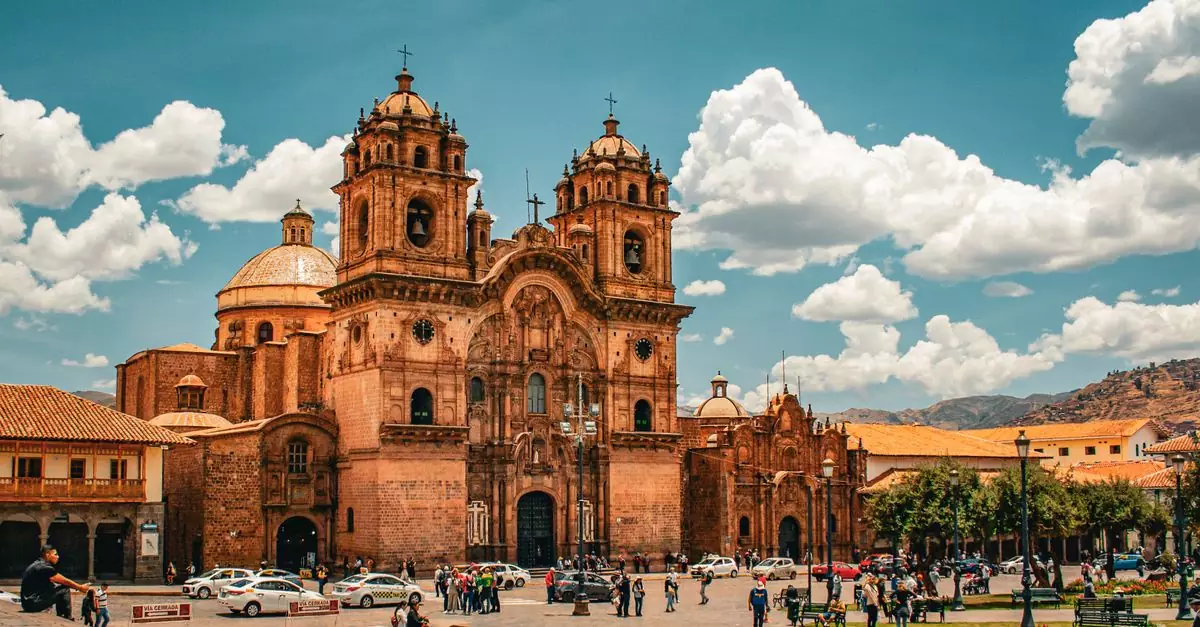
When planning a trip to experience the best scenic destinations in Peru, a well-structured itinerary is key to maximizing your time and witnessing the country’s diverse natural wonders. Peru offers a spectrum of experiences, from ancient ruins nestled in dramatic landscapes to vast coastal deserts and the towering Andes. Deciding on the duration of your visit will significantly shape the scope of your journey.
A 7-Day Itinerary: Cusco, Sacred Valley, and Machu Picchu Essentials
For travelers with limited time, a focused seven-day itinerary concentrating on the Cusco region provides an unforgettable introduction to Peru’s iconic beauty. This route is highly recommended for first-time visitors aiming to see Machu Picchu and its surrounding wonders. Begin in Cusco, acclimatizing to the altitude before venturing into the Sacred Valley. Spend your days visiting Pisac’s market and ruins, exploring Ollantaytambo’s impressive fortress, and enjoying the scenic train ride to Aguas Calientes. Dedicate a full day to exploring the citadel of Machu Picchu, followed by a return to Cusco.
- Logistics: Book Machu Picchu entrance tickets and train tickets well in advance, especially during peak season. Consider hiring a guide in Cusco and at Machu Picchu for deeper historical context.
- Altitude: Allow at least 24-48 hours in Cusco (elevation 3,400 meters / 11,150 feet) to adjust before undertaking strenuous activities.
A 14-Day Adventure: Exploring Coastal Deserts to Andean Highlands
A two-week journey allows for a more comprehensive exploration, incorporating coastal and highland attractions. Start in Lima, experiencing its culinary scene and historical sites, before flying south to Arequipa. From Arequipa, a trip to the Colca Canyon offers dramatic scenery and opportunities to spot condors. Continue to Puno on the shores of Lake Titicaca, visiting the unique Uros floating islands and Taquile Island. Afterward, travel to Cusco to undertake the classic Sacred Valley and Machu Picchu exploration. This extended trip provides a richer understanding of Peru’s varied geography and cultures.
- Transportation: Internal flights are efficient for covering long distances between cities like Lima, Arequipa, and Cusco. Buses are a more budget-friendly option for journeys between Arequipa, Puno, and Cusco, though significantly longer.
- Budget Considerations: While internal flights add to costs, they save valuable travel time. Opting for overnight buses can reduce accommodation expenses.
Customizing Your Trip: Balancing Iconic Sights with Hidden Gems
Beyond the most famous destinations, Peru holds countless breathtaking scenic spots that can be woven into a personalized itinerary. For those seeking unique natural beauty, consider adding the Nazca Lines for their enigmatic geoglyphs, or venturing to the Huacachina oasis for desert adventures. Further north, the ancient ruins of Kuélap in the Chachapoyas region offer a less crowded alternative to Machu Picchu, set amidst cloud forest landscapes. If your interests lie in raw, untamed nature, the Amazon basin, accessible from Iquitos or Puerto Maldonado, presents an unparalleled biodiversity experience.
- Off-the-Beaten-Path: Research smaller towns in the Sacred Valley or venture into the less-visited regions of the Peruvian Andes to reveal stunning vistas and authentic cultural encounters away from large crowds.
- Timing: The dry season (May to October) is generally best for clear skies in the highlands but also coincides with peak tourist numbers. The shoulder months can offer a good balance of weather and fewer visitors. For the Amazon, the wet season (November to April) means higher rivers for boat access but more rain.
Getting Around Peru: Transportation for Scenic Exploration
Peru’s diverse landscapes, from coastal deserts to the soaring Andes and lush Amazon rainforest, necessitate varied transportation methods for experiencing its most breathtaking scenic destinations. Understanding these options is key to planning an efficient and enjoyable journey.
Navigating the Andes: Train Journeys to Machu Picchu
The most iconic train journeys in Peru wind through the Sacred Valley, culminating in the journey to Machu Picchu. PeruRail and Inca Rail are the primary operators, offering different service levels from budget-friendly to luxury. The most common departure points are Ollantaytambo and Poroy (near Cusco).
Booking train tickets well in advance is crucial, especially during peak season (May to September). Prices can fluctuate significantly based on demand and the class of service. The train ride itself is a scenic experience, offering glimpses of the Urubamba River and dramatic Andean scenery. Consider the Expedition or Vistadome services for a good balance of comfort and views.
Bus Travel: Connecting Major Cities and Scenic Routes
For budget-conscious travelers and those seeking to traverse longer distances between Peru’s major cities, bus travel is a popular and extensive option. Companies like Cruz del Sur, Oltursa, and Civa offer comfortable services, often with reclining seats, onboard entertainment, and even meals on longer routes.
Traveling by bus allows for a more grounded perspective of the changing landscapes, from the arid coast to the high sierra. Routes connect Lima to Cusco, Arequipa, and Puno, passing through varied terrain. Overnight buses can save on accommodation costs and maximize daylight hours for sightseeing. Always opt for reputable companies and consider booking first-class or executive seats for enhanced comfort on journeys exceeding six hours.
- Safety Tip: Secure your luggage and keep valuables with you, especially during overnight journeys.
- Booking Advice: Purchase tickets a day or two in advance, or even earlier for popular routes during holidays.
Domestic Flights: Efficient Travel to Remote Natural Wonders
When time is limited or you aim to reach more remote natural wonders, domestic flights are the most efficient way to cover vast distances in Peru. LATAM, Sky Airline Peru, and Star Peru operate regular flights connecting major hubs like Lima, Cusco, Arequipa, and Iquitos.
Flying into Iquitos, for instance, is the primary gateway to the Peruvian Amazon, offering access to lodges and river cruises that explore this biodiverse region. Similarly, flights to Juliaca (near Puno) significantly reduce travel time to Lake Titicaca. While more expensive than buses, domestic flights can be cost-effective when booked in advance, especially when considering the time saved.
- Budget Consideration: Look for flight deals several weeks or months ahead of your travel dates.
- Logistics: Factor in travel time to and from airports, as well as check-in procedures.
Frequently Asked Questions About Peru’s Scenic Destinations
Is Peru safe for solo travelers exploring nature?
Peru is generally safe for solo travelers, but as with any destination, it’s important to exercise caution. Stick to well-traveled tourist routes, especially when visiting remote natural areas. Be aware of your surroundings, avoid displaying valuables, and inform someone of your itinerary. Research specific regions before you go, as safety can vary. Popular hiking trails near Cusco or in the Sacred Valley usually have good infrastructure and other travelers around, which can enhance safety.
What are the must-try local foods in the Andean region?
The Andean region of Peru offers a rich culinary landscape. Cuy chactado (fried guinea pig) is a traditional delicacy, often prepared crispy and served with potatoes. Lomo saltado, a stir-fry of beef, onions, tomatoes, and french fries, is a popular fusion dish found throughout the country. Another staple is Aji de Gallina, a creamy chicken stew with a mild spicy kick, served over rice. Don’t miss out on trying quinoa-based dishes, given the grain’s Andean origins.
What should I pack for diverse Peruvian climates?
Packing for Peru requires layers due to its varied geography. You’ll experience coastal desert, Andean highlands, and Amazonian rainforest, each with distinct weather patterns.
- Highlands (Cusco, Machu Picchu): Pack warm layers, including a fleece or down jacket, a waterproof outer shell, a hat, gloves, and sturdy hiking boots. Days can be sunny and warm, but nights and early mornings are cold. Altitude sickness is a consideration, so pack accordingly and stay hydrated.
- Coast (Lima): The coastal climate is generally mild and dry, with cooler temperatures from May to October due to the Humboldt Current. A light jacket or sweater is usually sufficient.
- Amazon (Iquitos, Puerto Maldonado): Expect hot, humid, and rainy conditions. Pack lightweight, breathable clothing, long sleeves and pants to protect against insects, a wide-brimmed hat, sunglasses, and waterproof gear.
Regardless of the region, always include sunscreen, insect repellent, and a reusable water bottle. Comfortable walking shoes are essential for exploring cities and ancient sites.