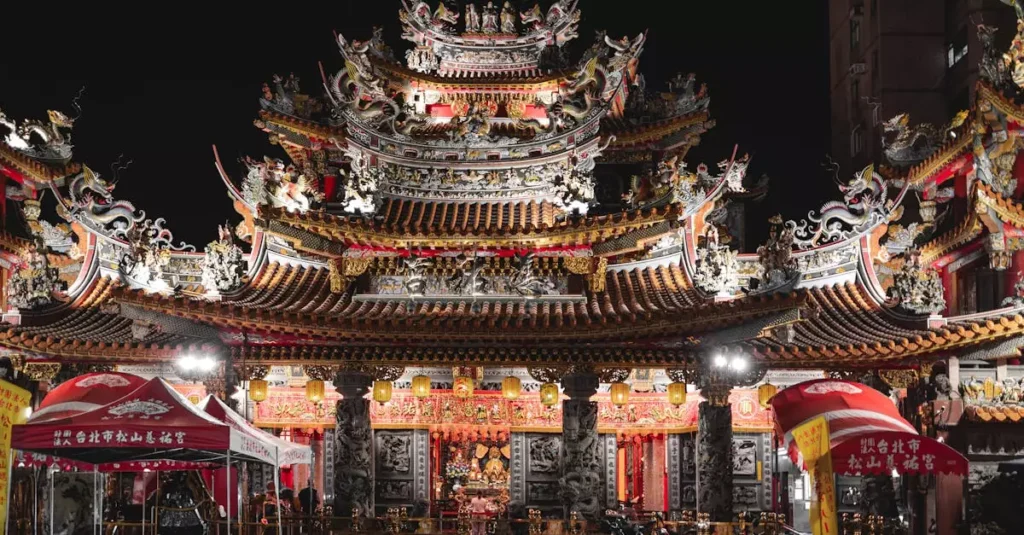
Taiwan beckons with a captivating mix of ancient traditions, vibrant cityscapes, and breathtaking natural beauty, making it an increasingly popular destination for travelers in Asia. For those eager to explore this island gem, understanding the best things to do in Taiwan is essential for crafting an unforgettable experience. This guide will walk you through must-see attractions, from the bustling night markets and iconic landmarks of Taipei to the serene landscapes of Sun Moon Lake and the rugged beauty of Taroko Gorge. You’ll discover key tips on when to visit for ideal weather, how to navigate the island efficiently, and what culinary delights await your taste buds. Prepare to uncover the heart of Taiwan, where every corner offers a new discovery.
Must-See Taiwan Attractions for First-Time Visitors
Taiwan offers a fascinating blend of ancient traditions and modern marvels, making it a compelling destination for any travel itinerary in Asia. For those planning their inaugural trip, several iconic landmarks provide an excellent introduction to the island’s rich culture and stunning landscapes. These key attractions are essential for understanding the essence of Taiwan.
Taipei 101 Observatory: Panoramic City Views
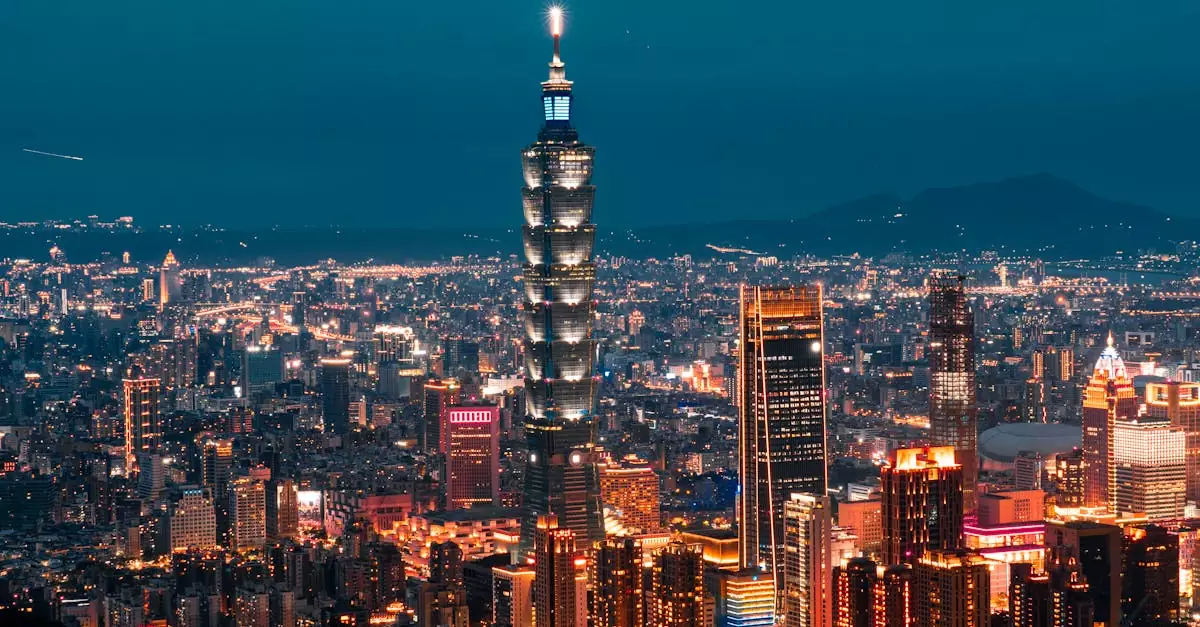
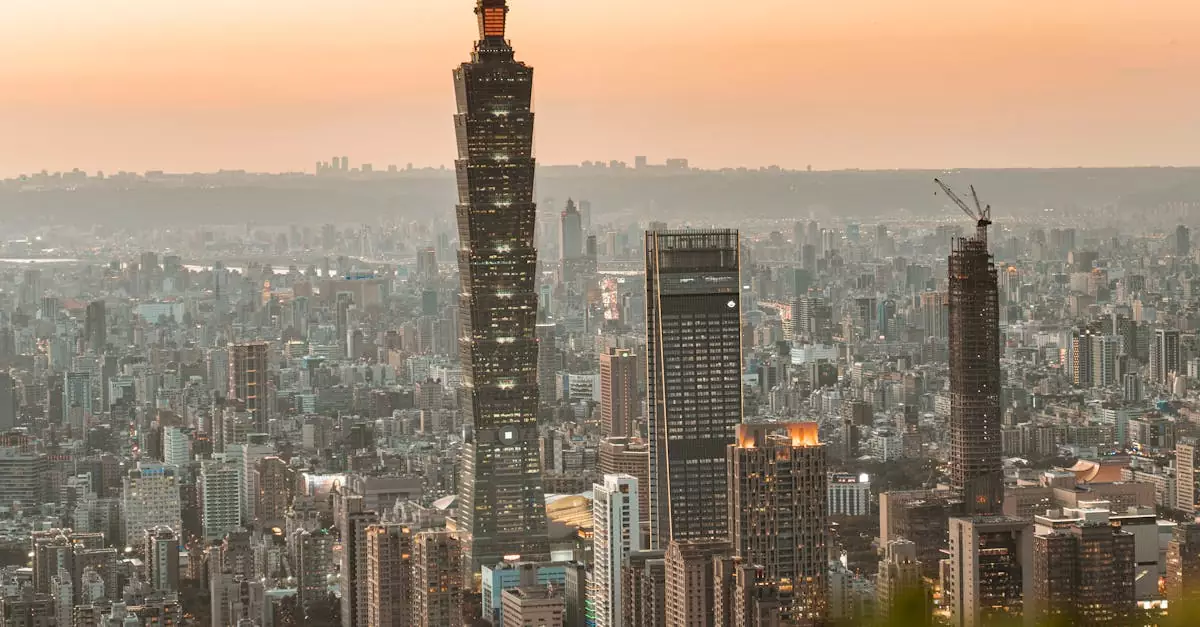
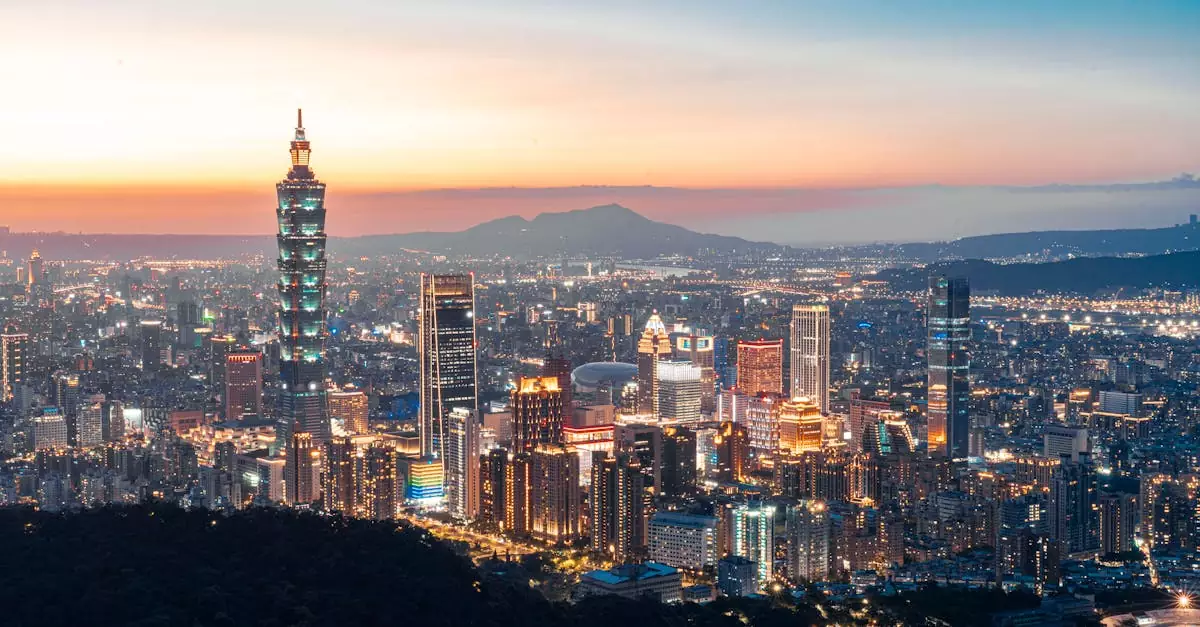
Once the world’s tallest building, Taipei 101 remains a prominent symbol of Taiwan’s economic prowess and architectural ambition. Ascending to its observatory decks on the 89th and 91st floors rewards visitors with breathtaking 360-degree views of the sprawling Taipei metropolis. On a clear day, the cityscape stretches out to meet distant mountains.
- Best time to visit: Late afternoon allows you to experience the city in daylight, witness a spectacular sunset, and see the urban lights twinkle as night falls. Booking tickets in advance is highly recommended to avoid long queues, especially during peak tourist seasons.
- Getting there: The building is easily accessible via the Red Line of the Taipei Metro at the Taipei 101/World Trade Center Station.
- Budget tip: While the observatory ticket is a significant expense, many consider the unparalleled views worth the cost for first-time visitors.
National Palace Museum: Imperial Chinese Art Treasures
Housing one of the world’s most extensive collections of ancient Chinese imperial artifacts and artworks, the National Palace Museum is a treasure trove for history and art enthusiasts. The museum’s holdings span nearly 8,000 years of Chinese history, featuring jade carvings, porcelain, calligraphy, paintings, and bronzes. It offers a deep dive into the artistic and cultural heritage of China, much of which was brought to Taiwan during the Chinese Civil War.
Key exhibits often include the Jadeite Cabbage and the Stone of Meat. Allow at least half a day to appreciate the vastness of the collection.
- Logistics: The museum is located in the Shilin District of Taipei. Public buses and taxis are readily available from major transit hubs. Consider purchasing a Taipei Fun Pass for potential discounts on admission and transportation if you plan to visit multiple attractions.
- Visitor insight: The sheer volume of items can be overwhelming. Prioritize specific galleries or periods that interest you most for a more focused and enjoyable visit.
Chiang Kai-shek Memorial Hall: Historical Landmark Exploration
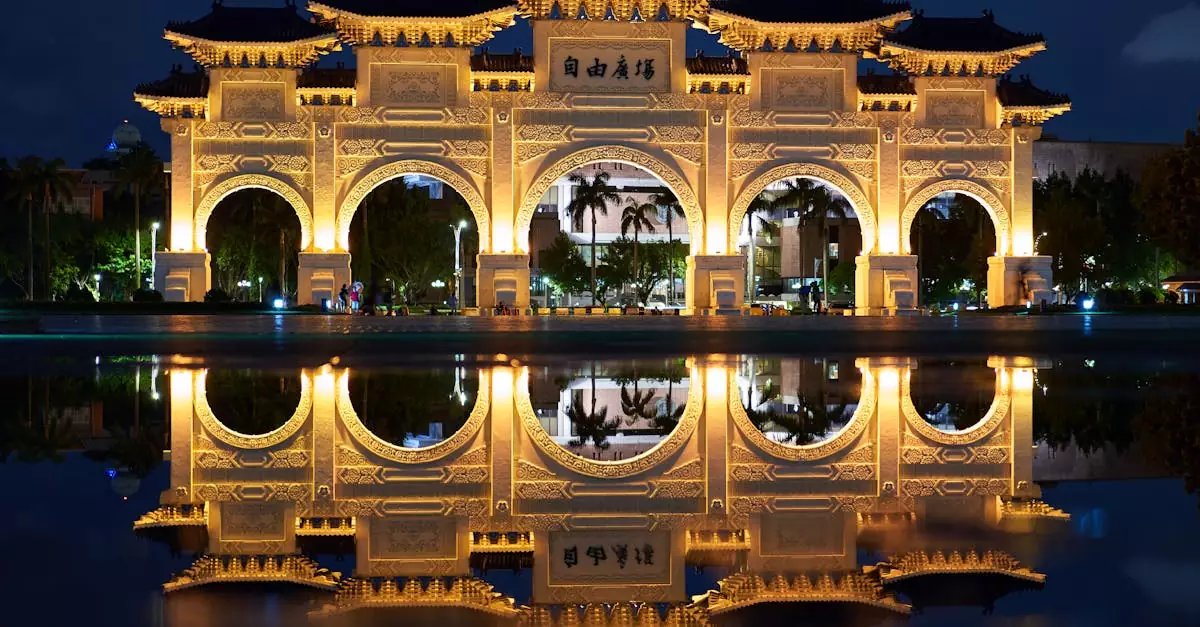
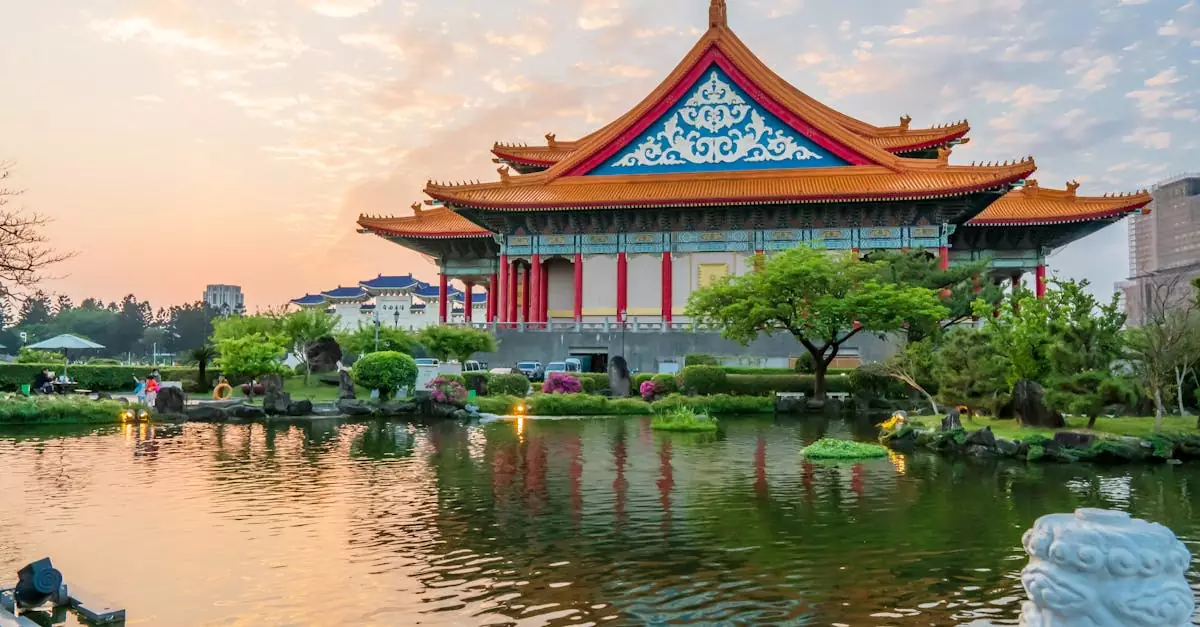
This grand monument, dedicated to the former President of the Republic of China, Chiang Kai-shek, is a significant historical and cultural landmark in Taipei. The expansive complex includes the towering Memorial Hall, the National Theater, and the National Concert Hall, all set within beautiful gardens and surrounded by reflective pools. The changing of the guard ceremony, held hourly from 9 AM to 5 PM, is a popular spectacle showcasing precision and discipline.
The architecture blends traditional Chinese styles with a modern, imposing presence. Inside the hall, exhibits detail Chiang Kai-shek’s life and political career, offering a glimpse into a pivotal era of Taiwanese history.
- Transportation: Easily reached via the Red or Green Line of the Taipei Metro, exiting at Chiang Kai-shek Memorial Hall Station.
- Cultural context: Understanding the historical significance of Chiang Kai-shek is key to appreciating this site’s importance within Taiwan’s political narrative.
Sun Moon Lake: Serene Natural Beauty
Nestled in the central mountains of Taiwan, Sun Moon Lake is the island’s largest body of freshwater and a renowned scenic destination. The lake’s name comes from its unique shape, resembling both the sun and the moon. Visitors can enjoy its tranquil beauty through various activities, including boat tours, cycling along picturesque paths, and visiting nearby temples like Wenwu Temple.
The surrounding mountains provide a dramatic backdrop, and the mist that often settles over the water adds to its ethereal charm. For a unique perspective, consider taking the Sun Moon Lake Ropeway, which offers aerial views of the lake and connects to the Formosan Aboriginal Culture Village.
- Getting there: Access typically involves taking a high-speed rail to Taichung, followed by a bus service directly to Sun Moon Lake. The journey offers scenic views as you ascend into the mountains.
- Accommodation: A range of hotels and guesthouses are available around the lake, from luxury resorts to budget-friendly options. Booking in advance is advisable, particularly for weekends and holidays. This location is a must for anyone seeking natural tranquility on their Taiwan itinerary.
Uncovering Taiwan’s Hidden Gems Beyond the Tourist Trail
While Taipei’s vibrant energy and popular landmarks attract many visitors, Taiwan offers a wealth of lesser-known treasures waiting to be discovered. Venturing off the beaten path reveals a more intimate side of the island, showcasing its rich history, stunning natural beauty, and diverse cultural heritage. These hidden gems provide a deeper understanding of Taiwan, moving beyond the typical tourist circuit to experience authentic local life.
Jiufen Old Street: A Glimpse into Old Taiwan
Perched on a mountainside overlooking the Pacific Ocean, Jiufen Old Street is a charming labyrinth of narrow alleyways, traditional teahouses, and vibrant market stalls. Its evocative atmosphere, often compared to scenes from Miyazaki’s animated film Spirited Away, makes it a captivating destination. Visitors can wander through the historic streets, sample local snacks like taro balls and peanut ice cream rolls, and enjoy panoramic ocean views. The area truly comes alive in the late afternoon as lanterns begin to glow, casting a magical ambiance.
- Getting there: Jiufen is accessible by bus from Taipei, typically taking about 1.5 hours. Consider booking a private driver for more flexibility, especially if visiting other nearby attractions.
- Best time to visit: Weekdays and early mornings offer a more serene experience, as weekends can become quite crowded.
Shifen Waterfall & Sky Lantern Release
Shifen, a small town in the Pingxi District, is renowned for its dramatic waterfall and the unique tradition of releasing sky lanterns. Shifen Waterfall, often called the “Little Niagara of Taiwan,” cascades powerfully over rocky cliffs, creating a misty spectacle. Nearby, the train tracks run through the heart of the town, where visitors can purchase sky lanterns, write their wishes on them, and release them into the sky, a practice believed to bring good fortune.
- Logistics: The Pingxi Line, a scenic railway branch, connects Shifen to other charming towns like Pingxi and Houtong. A day pass for this line is an economical way to see multiple locations.
- Cultural Insight: Releasing lanterns is a significant cultural practice, but it’s essential to be mindful of the environmental impact. Look for designated areas and support responsible tourism initiatives.
Qixingtan Beach, Hualien: Taiwan’s Most Beautiful Shoreline
Located on the eastern coast near Hualien City, Qixingtan Beach is a stunning crescent-shaped pebble beach framed by the majestic Central Mountain Range. Unlike typical sandy beaches, Qixingtan is characterized by its smooth, colorful pebbles and the powerful, turquoise waves of the Pacific. It’s an ideal spot for a leisurely stroll, enjoying the fresh sea air, or simply watching the dramatic interplay of sea and mountains. The beach is also popular for stargazing on clear nights.
- Transportation: From Hualien City, you can reach Qixingtan Beach by local bus or a short taxi ride. Renting a bicycle is also a pleasant way to explore the coastal path.
- What to Expect: The water can be rough, so swimming is not always advisable. The beauty lies in the scenery and the unique pebble shore.
Wulai Aboriginal Village: Indigenous Culture Immersion
South of Taipei, Wulai offers a fascinating opportunity to connect with Taiwan’s indigenous heritage, particularly the Atayal people. The village is known for its hot springs, traditional crafts, and cultural performances. Visitors can explore the Wulai Old Street, sample indigenous delicacies like wild boar and millet wine, and learn about the Atayal’s rich history and customs. A ride on the Wulai Scenic Train offers picturesque views of the lush landscape and waterfalls.
- Cultural Etiquette: When visiting indigenous communities, it’s respectful to be mindful of local customs and ask permission before taking photographs of people.
- Accommodations: While day trips are common, staying overnight in one of the local hot spring resorts provides a more immersive experience.
What is the Best Time to Visit Taiwan for Ideal Weather?
Choosing the right time to visit Taiwan significantly impacts your experience, from comfortable sightseeing to avoiding extreme weather. The island’s diverse climate means that while some periods offer pleasant conditions for enjoying the best things to do in Taiwan, others can be challenging. Understanding the seasonal nuances will help you craft the perfect Taiwan itinerary.
Spring (March-May): Pleasant Temperatures and Blooming Flora
Spring ushers in agreeable weather across most of Taiwan. Temperatures are mild, typically ranging from the low 20s Celsius (70s Fahrenheit) in March to warmer highs in May. This season is excellent for outdoor activities, from hiking in the mountains to exploring bustling city streets.
The landscape bursts with color as flowers bloom, particularly in areas like Yangmingshan National Park near Taipei. This is a fantastic time for photography and enjoying the island’s natural beauty. Humidity is moderate, and rainfall is generally less intense than in the summer months.
Summer (June-August): Hot, Humid, and Typhoon Season
Summer in Taiwan is characterized by high temperatures and significant humidity, making it feel considerably hotter than the thermometer suggests. Daytime temperatures often soar into the high 30s Celsius (90s Fahrenheit), especially in the western plains. This can make prolonged outdoor exploration tiring for some travelers.
Crucially, summer is also typhoon season. While not every year experiences direct hits, tropical storms can bring heavy rainfall and strong winds, disrupting travel plans, including flights and ferry services. It’s wise to monitor weather forecasts closely if traveling during these months. Despite the heat and potential for storms, many festivals occur during this period, offering vibrant cultural experiences.
Autumn (September-November): Crisp Air and Harvest Festivals
Autumn is widely considered one of the most pleasant times to visit Taiwan. The oppressive heat and humidity of summer begin to recede, replaced by cooler, drier air. Temperatures are comfortable, averaging in the low to mid-20s Celsius (70s Fahrenheit), making it ideal for extensive sightseeing and outdoor adventures.
This season also coincides with harvest festivals, particularly for fruits like pomelos and tea. The clear skies and pleasant conditions are perfect for exploring places like Taroko Gorge or the tea plantations of Alishan. The lower humidity also makes the cities more enjoyable to navigate.
Winter (December-February): Cooler Climate and Festive Lights
Winter in Taiwan offers a welcome respite from the heat, with cooler temperatures prevailing across the island. Northern Taiwan, including Taipei, can experience temperatures in the low teens Celsius (50s Fahrenheit), with occasional dips and rain. Southern Taiwan remains milder, often staying in the mid-to-high teens Celsius (60s Fahrenheit).
While not cold enough for snow in most populated areas, the higher mountains can receive snowfall, offering a unique sight. This period is also festive, with Christmas and Lunar New Year celebrations bringing a special atmosphere to cities and towns. The clear, crisp air can be invigorating for exploring historical sites or enjoying hot springs.
Crafting Your Perfect Taiwan Itinerary: 7 to 14 Days
Planning your trip to Taiwan involves deciding how much time you can dedicate to this diverse island. Whether you have a week or two, you can experience a rich blend of bustling city life, serene natural landscapes, and unique cultural encounters. The best things to do in Taiwan are spread across its north and south, so a well-structured itinerary ensures you capture its essence.
A Whirlwind 7-Day Taiwan Itinerary: Taipei & Surrounds
A 7-day trip to Taiwan is best focused on the vibrant capital, Taipei, and its easily accessible surroundings. This allows for a deeper dive into one region rather than rushing through too many places. You’ll get a solid introduction to Taiwan’s modern pulse and ancient roots.
Days 1-3: Taipei Exploration
Begin by immersing yourself in Taipei. Dedicate at least two full days to the city itself. Must-visit spots include the iconic Taipei 101 for panoramic views, the solemn Chiang Kai-shek Memorial Hall, and the historic Longshan Temple. For a taste of local life and delicious street food, explore Shilin Night Market or Raohe Street Night Market. A visit to the National Palace Museum is essential for art and history enthusiasts, housing a vast collection of ancient Chinese imperial artifacts.
Days 4-5: Day Trips from Taipei
Use the remaining days for excursions outside the city. Popular choices include the charming old mining town of Jiufen, with its narrow streets and tea houses, and Shifen, famous for its cascading waterfall and sky lanterns. Consider a hike in Yangmingshan National Park for volcanic landscapes and hot springs.
Days 6-7: Culture and Departure
Spend your final day revisiting favorite spots in Taipei, perhaps exploring a different neighborhood like Ximending for its youthful energy, or picking up last-minute souvenirs. Depart from Taoyuan International Airport (TPE).
A Comprehensive 14-Day Taiwan Itinerary: North to South Exploration
With two weeks, you can venture beyond Taipei to discover more of Taiwan’s diverse attractions. This itinerary balances urban exploration with natural beauty and cultural immersion across the island.
Days 1-4: Taipei and Northern Taiwan
Start with Taipei as outlined in the 7-day itinerary, but allocate an extra day to explore more of the city or visit less common attractions like the Beitou Hot Spring Museum. Consider a day trip to the coastal town of Keelung for its historic harbor and Miaokou Night Market.
Days 5-7: Taroko Gorge National Park & Hualien
Take the scenic train journey to Hualien on the east coast. The main draw here is the breathtaking Taroko Gorge, a marble canyon with stunning hiking trails. Spend a full day exploring its cliffs, tunnels, and temples. Hualien itself offers a more relaxed pace and beautiful coastal scenery.
Days 8-10: Southern Taiwan – Kaohsiung & Tainan
Travel south, either by train or a domestic flight. Kaohsiung, Taiwan’s second-largest city, boasts a modern harbor, the Fo Guang Shan Buddha Museum, and the vibrant Pier-2 Art Center. Afterward, head to Tainan, Taiwan’s oldest city and former capital. Tainan is a culinary paradise and a treasure trove of historical sites, including Anping Fort and Chihkan Tower.
Days 11-13: Sun Moon Lake & Central Taiwan
Journey inland to Sun Moon Lake, Taiwan’s largest natural lake. Enjoy cycling around the lake, taking a boat tour, or visiting nearby temples and pagodas. This region offers a peaceful escape with beautiful natural vistas.
Day 14: Return to Taipei & Departure
Travel back to Taipei by High-Speed Rail (HSR) for your departure from Taoyuan International Airport (TPE).
Day Trips from Taipei: Jiufen, Shifen, and Yangmingshan National Park
These popular day trips offer a fantastic glimpse into Taiwan’s natural beauty and cultural heritage, all within easy reach of the capital. They are essential for anyone looking to experience the best things to do in Taiwan beyond the city limits.
Jiufen
Once a gold mining town during the Japanese era, Jiufen’s atmospheric narrow streets, traditional tea houses, and stunning views of the coast have made it a must-visit. It’s believed to have inspired the setting of the animated film Spirited Away. Getting there is straightforward; you can take a train to Ruifang Station and then a bus or taxi.
Shifen
Known for its picturesque waterfall, Shifen is also famous for the tradition of releasing sky lanterns inscribed with wishes. Walking along the railway tracks while lanterns ascend into the sky is a unique experience. It’s often combined with a visit to Jiufen due to their proximity.
Yangmingshan National Park
Located just north of Taipei, Yangmingshan offers a refreshing natural escape. This volcanic park features hot springs, fumaroles, hiking trails, and diverse flora that changes with the seasons. It’s an excellent spot for a day of walking and enjoying cooler mountain air, especially during the summer months. Transportation options include public buses from various points in Taipei.
- Transportation Tip: The High-Speed Rail (HSR) is the most efficient way to travel between major cities in western Taiwan. For the east coast and more remote areas, traditional railways are scenic and reliable.
- Budget Consideration: While Taipei can be moderately expensive, other regions offer more budget-friendly options for food and accommodation. Street food is abundant and affordable across the island.
- Best Time to Visit: Spring (March-May) and Autumn (September-November) generally offer pleasant weather with fewer crowds. Summer can be hot and humid with a risk of typhoons, while winter is mild but can be rainy in the north.
Savoring the Flavors: Must-Try Taiwanese Local Food
Taiwan’s culinary scene is a vibrant tapestry of flavors, an integral part of any visit and a key element of the best things to do in Taiwan. From bustling night markets to humble street stalls, the island offers an unforgettable gastronomic adventure. Preparing for this culinary journey involves understanding the sheer variety and prioritizing what to sample.
Night Market Delights: Shilin, Raohe, and Ningxia
Taiwanese night markets are an essential experience, offering a concentrated burst of local life and incredible food. Shilin Night Market in Taipei, one of the largest, presents an overwhelming array of choices, from classic snacks to more adventurous options. Raohe Street Night Market, also in Taipei, is renowned for its traditional atmosphere and iconic dishes like the pepper bun. For a more local, less tourist-centric feel, Ningxia Night Market focuses heavily on traditional Taiwanese snacks.
When navigating these markets, be prepared for crowds, especially on weekends. A good strategy is to arrive early, around 5-6 PM, to beat the peak rush. Budget around NT$300-500 (approximately $10-17 USD) per person for a satisfying sampling of various dishes. Don’t hesitate to try smaller portions from multiple vendors to experience a wider range of tastes.
Iconic Taiwanese Dishes: Beef Noodle Soup, Gua Bao, and Oyster Omelets
Beyond the night markets, certain dishes are synonymous with Taiwanese cuisine. Beef noodle soup, or niúròu miàn, is a national treasure, featuring rich, savory broth, tender beef, and chewy noodles. Each region and even each restaurant boasts its unique recipe, making it a dish worth seeking out multiple times. Gua bao, often referred to as the “Taiwanese hamburger,” is a fluffy steamed bun filled with braised pork belly, pickled greens, and crushed peanuts.
Oyster omelets (o-ā-tsuân) are another staple, a savory and slightly chewy pancake made with fresh oysters, eggs, and a starchy batter, often served with a sweet and spicy sauce. These dishes represent the heart of Taiwanese comfort food. To truly appreciate them, look for restaurants that specialize in these items, often indicated by long queues of locals.
Bubble Tea Origins: Where to Find Authentic Taiwanese Brews
Taiwan is the birthplace of bubble tea, or zhēnzhū nǎichá, a global phenomenon. While it’s available everywhere, experiencing it in its homeland is a different affair. The original shops, like Chun Shui Tang and Hanlin Tea Room, offer a taste of history and the classic Taiwanese milk tea with chewy tapioca pearls. Many smaller, independent shops across the island craft unique variations using high-quality teas and fresh ingredients.
When ordering, consider the sweetness and ice levels, which are usually customizable. A medium sweetness with regular ice is a good starting point for most milk teas. Exploring different tea bases, such as oolong or green tea, and various toppings beyond tapioca pearls, like grass jelly or pudding, can lead to delightful discoveries.
Exploring Local Markets for Fresh Produce and Snacks
For a deeper dive into Taiwan’s food culture, visiting local wet markets and dry goods markets is highly recommended. Markets like Dongmen Market in Taipei offer a sensory overload of fresh fruits, vegetables, seafood, and prepared foods. These are excellent places to see the ingredients that form the foundation of Taiwanese cooking and to sample local snacks that might not make it to the tourist-heavy night markets.
These markets are typically most active in the morning. They provide a glimpse into daily Taiwanese life and are a budget-friendly way to try authentic flavors. Vendors are often happy to let you sample their wares, and purchasing fresh fruit here is a delicious and refreshing way to stay energized while sightseeing. Understanding a few basic Mandarin phrases can enhance the experience, though many vendors are accustomed to international visitors.
Frequently Asked Questions About Traveling in Taiwan
Is Taiwan Safe for Solo Travelers?
Taiwan consistently ranks as one of the safest countries in Asia, making it an excellent destination for solo travelers. Crime rates are very low, and locals are generally friendly and helpful towards visitors. This high level of safety extends to public transportation and common tourist areas.
You can feel comfortable walking alone, even at night in most cities. Emergency services are efficient and readily accessible. Many solo travelers find it easy to strike up conversations with locals or fellow travelers, enhancing their experience.
How Easy is it to Get Around Taiwan?
Getting around Taiwan is remarkably straightforward and efficient. The island boasts a well-developed public transportation network.
- High-Speed Rail (HSR): Connects major cities along the west coast quickly. Booking tickets in advance is recommended, especially during peak travel times.
- TRA Trains: Taiwan Railways Administration trains offer a more extensive network, reaching more towns and cities, including those on the east coast.
- MRT (Mass Rapid Transit): Major cities like Taipei and Kaohsiung have excellent subway systems that are clean, punctual, and easy to navigate.
- Buses: An extensive bus network covers both intercity and local routes, often reaching areas not served by trains.
- Taxis & Ride-Sharing: Readily available in urban areas. Ensure the meter is used for taxis or confirm the fare before starting your journey with ride-sharing apps.
Renting a scooter is popular for exploring smaller towns or scenic rural areas but requires an international driving permit and caution due to local traffic conditions. For those seeking a comprehensive Taiwan itinerary, relying on public transport is a practical and budget-friendly choice.
What is the Currency and Average Daily Budget in Taiwan?
The official currency is the New Taiwan Dollar (NTD), often abbreviated as TWD. You’ll find ATMs readily available, and credit cards are accepted in larger hotels, department stores, and some restaurants, though cash is preferred for smaller establishments and street food.
A realistic average daily budget for a traveler in Taiwan can range from $50 to $100 USD per person. This estimate covers accommodation, food, local transportation, and some activities.
- Budget travelers: Staying in hostels, eating street food, and using public transport can bring costs down to around $50 per day.
- Mid-range travelers: Opting for comfortable hotels, dining in casual restaurants, and taking more frequent train journeys might average $75-$100 daily.
- Luxury travelers: High-end hotels, fine dining, and private transport will significantly increase the daily expenditure.
Taiwan offers excellent value for money, especially regarding food. You can enjoy delicious and diverse meals without breaking the bank.
What Should I Pack for a Trip to Taiwan?
Packing for Taiwan depends on the season and the specific regions you plan to visit. The climate is generally subtropical, with distinct wet and dry seasons.
- Clothing: Pack lightweight, breathable clothing for the hot and humid summers. Include a light jacket or sweater for cooler evenings or air-conditioned interiors. For winter (December-February), especially in the north, pack warmer layers.
- Rain Gear: An umbrella and a waterproof jacket are essential, particularly during the typhoon season (roughly June to September) and the frequent afternoon showers in other months.
- Comfortable Shoes: You’ll be doing a lot of walking, so comfortable walking shoes or sneakers are a must.
- Sun Protection: Sunscreen, a hat, and sunglasses are advisable year-round.
- Adapter: Taiwan uses Type A and Type B electrical outlets, with a standard voltage of 110V.
- Insect Repellent: Useful, especially if you plan to visit rural areas or national parks.
Consider packing versatile items that can be layered. You can find most necessities in local stores if you forget something, but bringing essentials like specific medications is always recommended.