Imagine standing on the vast plains of Kenya’s Masai Mara, watching millions of wildebeest thunder across the landscape. This sprawling wilderness delivers some of the most spectacular wildlife viewing on the planet. But getting there at the right time and price requires smart planning. The difference between peak and off-season costs can be staggering, and knowing when to go makes all the difference.
Your safari budget hinges on several moving parts. Timing matters enormouslyas does where you sleep, how you get around, and which package you choose. The right combination of these factors can cut your costs dramatically while actually improving your experience. That’s what we’re breaking down here: the real numbers behind a Masai Mara adventure.
This guide walks through the best time to visit Masai Mara cost for each season, with a complete expense breakdown and practical strategies. By the end, you’ll know exactly when to book and how much to budget for the safari of your life.
Understanding Masai Mara’s Seasons and Wildlife
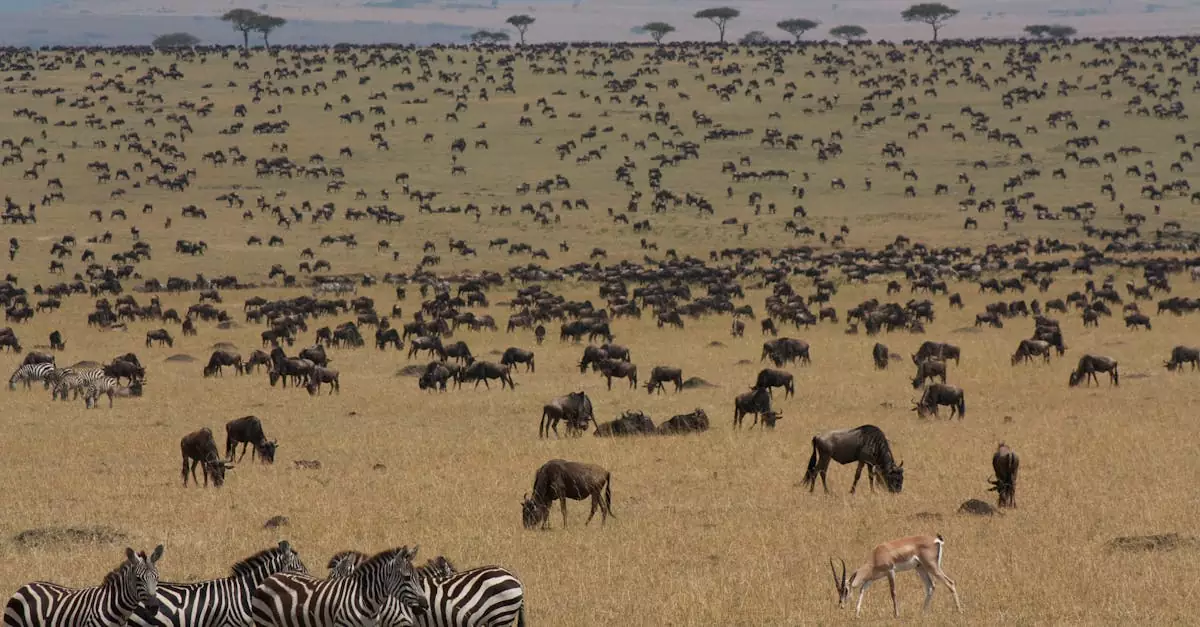
Two distinct seasons define the Masai Mara’s rhythm: the dry months and the green months. Each brings its own character and wildlife patterns. From July through October, the dry season takes hold. This is when the legendary Great Migration unfoldsmillions of wildebeest and zebras pour into the reserve, crossing the Mara River in a desperate race for fresh grass. Water becomes scarce across the landscape, forcing animals to cluster around rivers and waterholes. Predators know this too, making kills easier to witness. It’s nature’s most intense drama.
November through June marks the green season, split between short rains (November-December) and long rains (March-May). The Mara transforms completely during these months. Grass explodes across the plains, trees burst with fresh foliage, and the entire reserve glows emerald. The migration has moved on, but the resident wildlife thrives. Newborn calves and cubs dot the landscape. Birdwatchers find themselves overwhelmed with optionsmigratory species arrive in stunning numbers. The green season offers a completely different kind of magic, and prices reflect that difference dramatically.
Your choice between seasons shapes everything about your trip. Chasing the migration means higher costs but unmatched spectacle. Opting for the green season means spending less while discovering a quieter, more intimate side of the Mara. Both deliver unforgettable moments. The masai mara seasonal safari price swings significantly between them, so understanding what each season offers is essential for making the right call.
The Great Migration: Peak Season Costs and Experience
Nothing compares to witnessing the Great Migration in person. Roughly two million wildebeest, zebras, and gazelles surge into the Masai Mara between July and October. They’re fleeing drought in Tanzania’s Serengeti, searching for water and grass. The Mara River crossing is particularly brutalcrocodiles wait below as animals plunge into the current. It’s raw, unfiltered nature, and it draws visitors from every corner of the globe.
That demand comes with a price. Peak season rates run 30-50% higher than the rest of the year. A mid-range safari during the migration season typically costs $700-$1200 per person dailythat’s accommodation, meals, park entry, and game drives bundled together. Luxury camps push that to $1500-$2500+ each day. Flights into Nairobi spike too. The smart move is booking far aheadmany people reserve their spots 12 months in advance. Popular lodges fill completely during peak months. If you wait until a few months before, you’ll face limited options and premium pricing.
The experience justifies the expense for many travelers. You’re surrounded by an almost incomprehensible number of animals. Lions and cheetahs hunt constantly, making kills frequent enough that you’ll likely witness predation. Every game drive feels packed with action. The downside: you won’t be alone. River crossings attract dozens of vehicles. Popular camps buzz with tourists. Still, the Mara’s sheer size means solitude is possible if you venture away from the crowds. The best time to visit Masai Mara cost during these months reflects what you’re getting: a once-in-a-lifetime spectacle.
Green Season: Value and Unique Experiences
From November through June, the Mara shifts into a completely different mode. The migration has vanished, but costs plummet. Expect to pay 20-40% less than peak season. Mid-range safaris run $400-$800 per person daily. Luxury options become surprisingly affordable at $1000-$1800 per day. Flights and lodges offer real discounts, especially if you avoid school holidays. Suddenly, a premium safari experience becomes accessible to more budgets.
Beyond the savings, the green season reveals the Mara’s other face. The landscape explodes with coloremerald grass, flowering trees, dramatic cloud formations. Photography lovers find the light softer and more forgiving than the harsh peak season sun. Tourist vehicles thin out considerably, meaning you’ll have longer, more personal encounters with wildlife. Birdwatching becomes exceptional. Hundreds of migratory species flood in, painting the sky with color and filling the air with calls. Newborn animals are everywherelion cubs, elephant calves, zebra foals. Watching a mother leopard teach her cubs to hunt offers a different kind of intimacy than watching the migration.
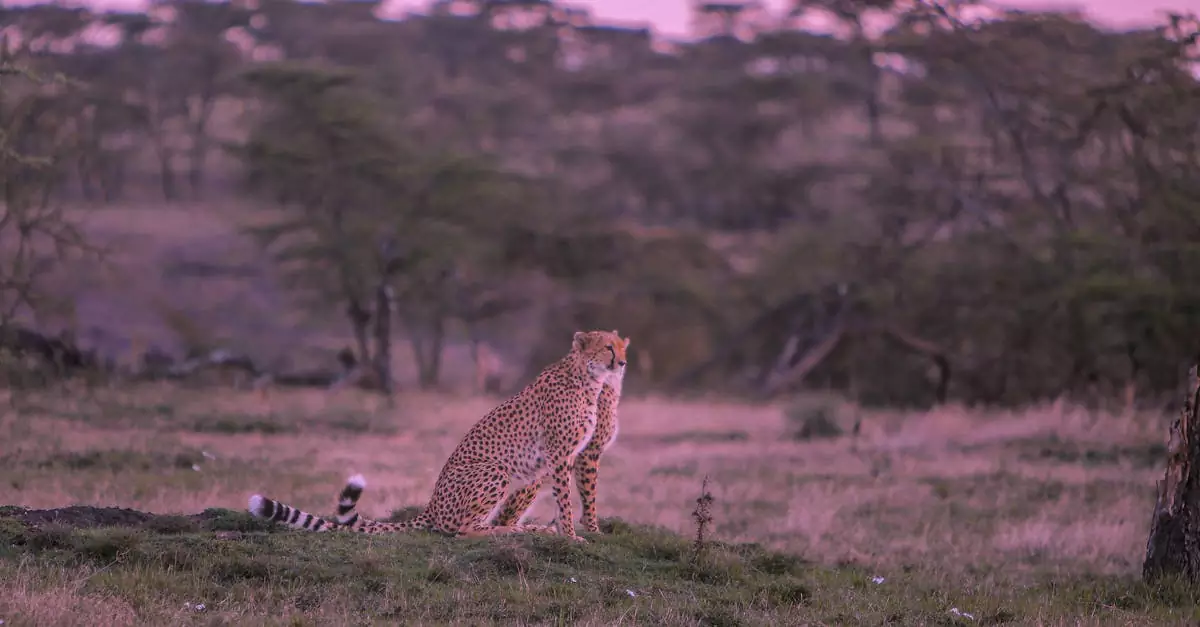
The resident wildlife population is massive year-round. You’ll still encounter the Big Fivelions, leopards, elephants, rhinos, and buffalo. The difference is you’re watching individual animals and family groups rather than massive herds. You might spend an hour observing a pride’s dynamics or tracking a leopard through the bush. This slower pace creates deeper connections. The masai mara seasonal safari price during green season offers remarkable value without sacrificing wildlife encounters. If budget matters, this season deserves serious consideration.
Masai Mara Safari Cost Breakdown
Breaking your budget into components helps you understand where money actually goes. Park fees are the first line item. Non-residents staying outside the reserve pay $70 per person daily. If you’re lodging inside, it’s $80 per person daily. These fees are mandatory and non-negotiablethey fund conservation and maintain park infrastructure.
Accommodation typically eats the biggest chunk of your budget. Camping options start around $150-$250 per person daily with basic tents and shared bathrooms. Mid-range tented camps and lodges range from $400-$800 per person daily, offering comfortable beds, private bathrooms, and solid meals. Luxury camps deliver gourmet dining, private plunge pools, and exceptional serviceexpect $1000-$2500+ daily. Your accommodation choice essentially determines your overall spend.
Getting to the Mara adds another layer. Flying from Nairobi to a local airstrip costs roughly $200-$400 per person round trip but saves significant time. Driving takes 5-6 hours and runs $100-$200 per personcheaper but exhausting. Game drives come included in most packages, conducted in 4×4 vehicles with experienced guides. A knowledgeable guide transforms your safari from good to extraordinarythey know where animals congregate, understand behavior patterns, and read the landscape like a book. Budget for tips: guides and staff rely on them. For detailed budgeting strategies, check our travel budget guide.
Comparison: Peak vs. Green Season Safaris
Choosing between seasons comes down to what matters most to you. Both deliver incredible experiences. Both have distinct advantages and trade-offs. The table below lays out the key differences side by side. Use it to clarify what aligns with your priorities and budget. Are you chasing the migration’s raw drama? Or seeking a quieter, more affordable adventure? Your answer determines which season makes sense.
| Feature | Peak Season (July – Oct) | Green Season (Nov – June) |
|---|---|---|
| Primary Attraction | Great Migration, River Crossings | Lush landscapes, Birdwatching, Newborns |
| Average Daily Cost (Mid-Range) | $700 – $1200+ | $400 – $800 |
| Crowds | High, especially at river crossings | Low to Moderate, more intimate |
| Wildlife Viewing | Excellent (Migration, Predators) | Excellent (Resident wildlife, Predators, Birds) |
| Vegetation | Dry, sparse, easier spotting | Lush, green, vibrant |
| Photography | Direct light, action shots | Soft light, dramatic skies, landscape |
| Booking Lead Time | 6-12+ months in advance | 3-6 months in advance |
Pros and Cons: Peak Season
- Pros: Guaranteed Great Migration viewing. High concentration of predators. Clear skies and less rain. Easier wildlife spotting due to sparse vegetation.
- Cons: Significantly higher costs for safaris and flights. More crowded game viewing areas. Limited availability for popular lodges and camps. Requires extensive advance planning.
Pros and Cons: Green Season
- Pros: Much lower prices and better value. Fewer tourists and more exclusive experiences. Stunning green landscapes for photography. Excellent birdwatching opportunities. Witnessing newborn animals.
- Cons: No Great Migration. Potential for rain, which can affect road conditions. Thicker vegetation can make some wildlife spotting harder. Some camps may close during heavy rain months.
Practical Tips for Planning Your Masai Mara Trip
Smart planning separates smooth trips from stressful ones. Start by booking earlythis matters especially for peak season when lodges vanish from availability within weeks. Aim for 6-12 months ahead if you’re targeting July-October. For green season travel, 3-6 months usually suffices. Early bookings often unlock better rates and more accommodation choices. Consider the shoulder months of June and November. You might catch elements of both seasons while enjoying slightly lower prices than peak months.
Selecting your safari operator makes or breaks the experience. Research companies thoroughly. Read reviews, compare itineraries, and check guide credentials. The right operator provides reliable vehicles, knowledgeable staff, and genuine safety protocols. Decide your accommodation style next. Budget camping trips cost far less than luxury lodges but demand tolerance for basic conditions. Group tours cost less per person than private safaris but offer less flexibility. Private safaris give you complete control but hit your wallet harder. For general timing advice, our best time to visit guide offers additional perspective.
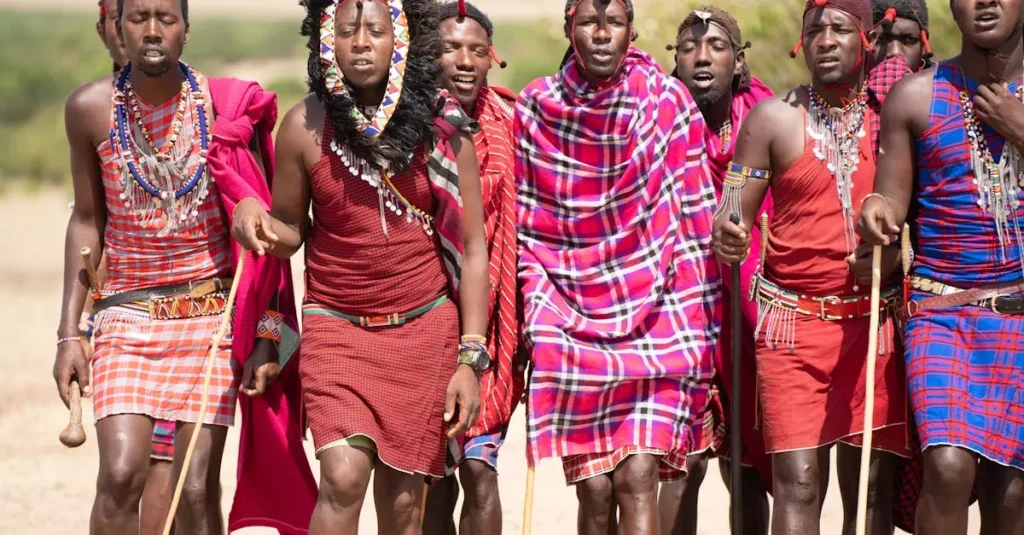
Pack strategically for the climate and wildlife. Neutral-colored, lightweight clothing blends into the landscape better. A wide-brimmed hat, sunglasses, and high-SPF sunscreen are non-negotiable. Insect repellent protects against mosquitoes and other pests. Binoculars magnify distant sightings. A camera with a zoom lens captures those magical moments. Before departure, consult your doctor about vaccinations. Yellow Fever vaccination is often required. Malaria prophylaxis is strongly recommended. Purchase comprehensive travel insurance covering medical emergencies and trip cancellations. Respect local customs and traditionslearn basic Swahili phrases and show genuine interest in Maasai culture. Visiting traditional villages offers cultural depth beyond the wildlife. Explore Wikipedia’s Maasai Mara page to deepen your understanding of the region’s geography and people.
Frequently Asked Questions (FAQs)
What is the absolute best month to visit Masai Mara?
The answer depends on your priorities. August and September peak for Great Migration viewing and predator activity. If you prefer fewer crowds and lush scenery, January or February offer excellent resident wildlife viewing with pleasant weather.
What is the cheapest time to go to Masai Mara?
April and May deliver the lowest prices. Heavy rains during the long rainy season deter most tourists, so lodges and operators slash rates dramatically. Road conditions can be challenging, but wildlife viewing remains excellent.
How many days do you need for a Masai Mara safari?
Three to four days allows multiple game drives and exploration of different reserve areas. Longer stays deepen your immersion and increase sighting odds. Even two days provides meaningful wildlife encounters, though more time is better.
Do I need a visa to visit Kenya?
Most non-African visitors require an e-visa obtained online before arrival. Ensure your passport has at least six months validity remaining and several blank pages for stamps.
Are vaccinations required for Kenya?
Yellow Fever vaccination certificates are mandatory for travelers arriving from certain countries. Your doctor should also discuss Tetanus, Hepatitis A, and Typhoid immunizations. Malaria prevention medication is strongly recommended.
Conclusion: Making Your Masai Mara Dream a Reality
A Masai Mara safari ranks among life’s great adventures. Timing and budget planning determine whether you experience it as a dream or a financial strain. The best time to visit Masai Mara cost analysis reveals clear patterns: peak season delivers the migration spectacle at premium prices with crowds. Green season offers exceptional value, lush scenery, and intimate wildlife encounters with fewer tourists. Neither choice is wrongthey’re simply different.
Account for all expenses: park fees, accommodation, transport, and guide tips. Booking ahead secures better rates and availability. Choose an operator with genuine expertise and solid reviews. Pack thoughtfully and prepare for an experience that transcends typical travel. The Masai Mara possesses something specialits ecosystems, wildlife, and sheer natural drama captivate everyone who ventures there. For deeper context on the region’s history and ecology, Wikipedia’s Maasai Mara page provides valuable background.
Your safari awaits. With careful planning and realistic budgeting, you can make it happen. The Mara’s magicthe thunder of hooves, the roar of lions, the endless golden plainsis within reach. Start planning today and prepare yourself for an unforgettable journey into one of Earth’s greatest natural wonders.