Botswana offers an unparalleled safari experience, featuring vast wilderness, abundant wildlife, and a commitment to exclusive, low-impact tourism. Selecting the right accommodation is essential for unlocking the magic of this incredible destination. From the water-filled channels of the Okavango Delta to the elephant-rich plains of Chobe, each region presents unique opportunities for adventure.
This guide will help you navigate the options and discover the best safari lodges Botswana has to offer. You’ll learn what sets these lodges apart, from exceptional wildlife encounters and sustainable practices to unique activities like mokoro excursions. We will also cover essential considerations such as budgeting, when to visit, and how to reach these remote havens, ensuring your African adventure is truly unforgettable.
Discovering Botswana’s Premier Safari Lodge Experiences
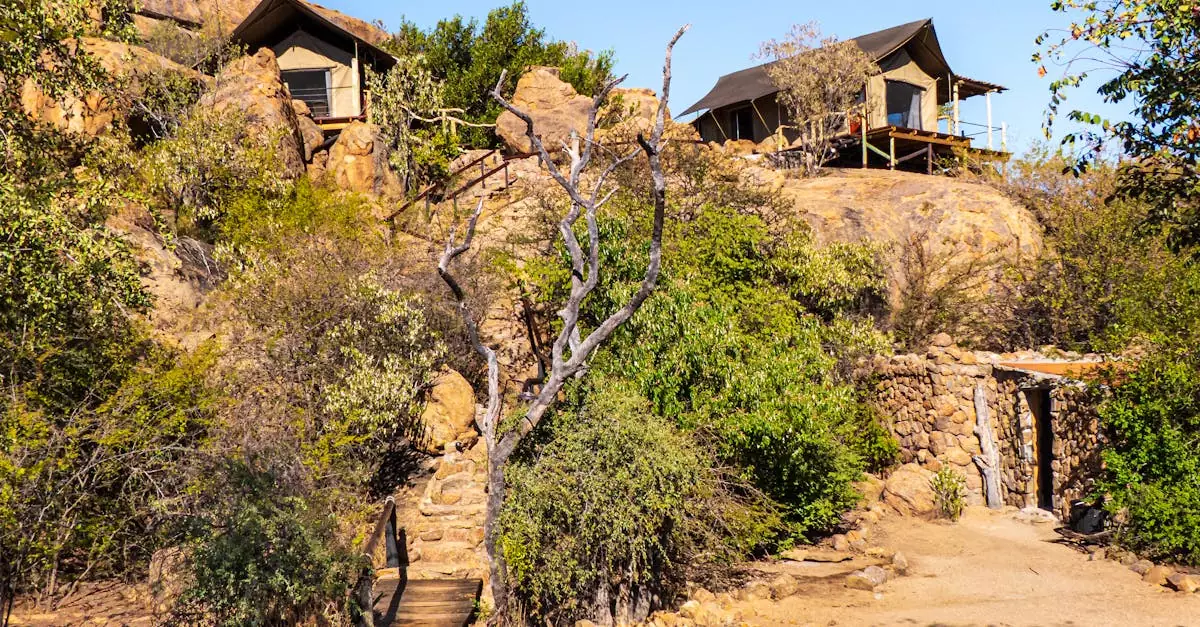
Botswana offers some of the most exclusive and rewarding safari experiences on the continent, with its lodges central to this appeal. Choosing the right lodge means aligning your desired wildlife encounters, accommodation style, and budget. The country is known for its dedication to low-impact tourism, ensuring the pristine wilderness remains protected while providing guests with unparalleled access to its natural wonders. From the water-rich Okavango Delta to the vast elephant herds of Chobe, each region tells a unique safari story.
Luxury Stays in the Okavango Delta: Top Lodge Picks
The Okavango Delta, a UNESCO World Heritage Site, is a labyrinth of waterways, islands, and floodplains teeming with wildlife. Lodges here often offer a blend of land and water-based activities, allowing for diverse game viewing. Mokoro excursions, gliding silently through channels, provide intimate encounters with smaller creatures and birdlife, while game drives venture onto the islands in search of predators and large mammals.
Consider lodges like Mombo Camp, renowned for its exceptional predator sightings and luxurious tented suites. For a more intimate experience, Nxabega Okavango Tented Camp combines classic safari elegance with personalized service, offering activities ranging from bush walks to boat safaris. These lodges typically operate on an all-inclusive basis, covering meals, drinks, and guided activities, simplifying budgeting for your trip. Access to most Okavango Delta lodges is via light aircraft from Maun or Kasane, adding a scenic touch to your arrival.
Chobe National Park’s Riverside Lodge Gems
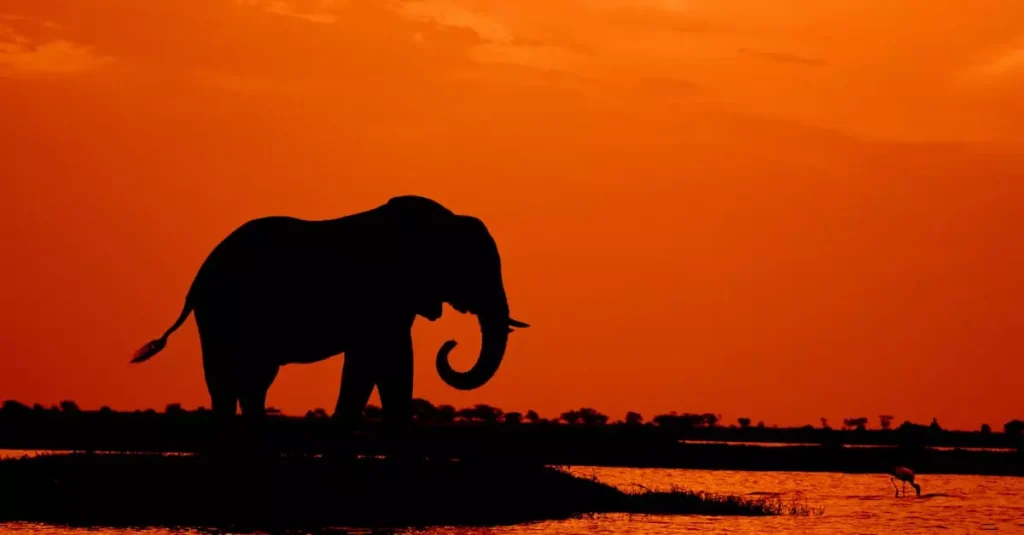
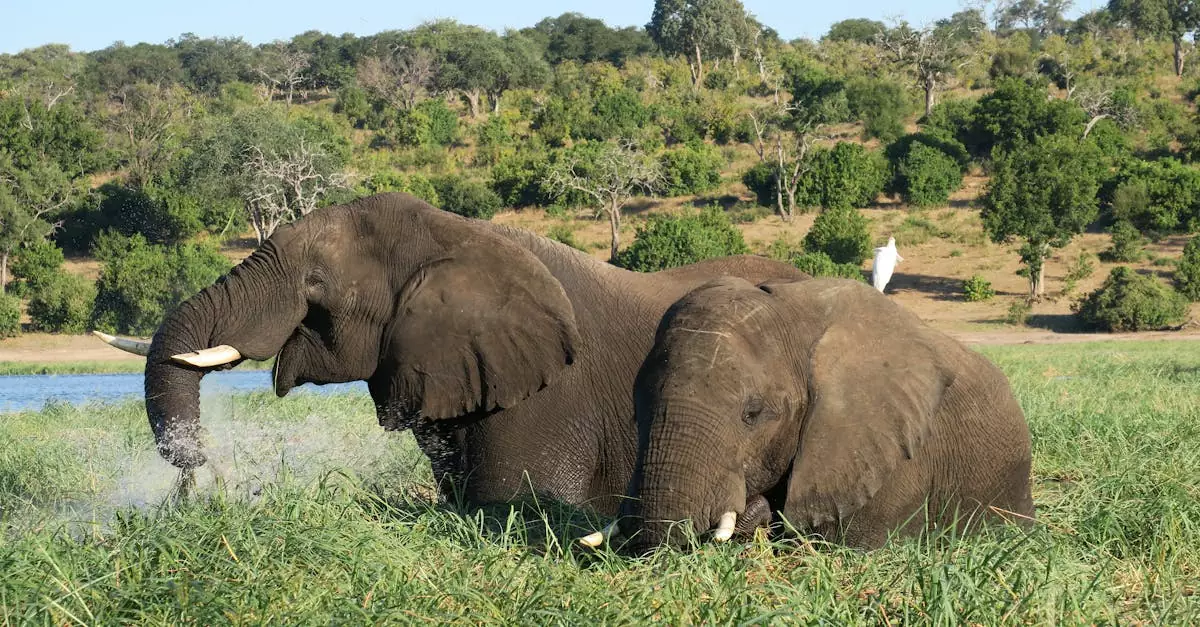
Chobe National Park is famous for its vast elephant population, particularly along the Chobe Riverfront. Lodges in this area capitalize on the river’s presence, offering fantastic boat-based safaris. These safaris provide a unique perspective, allowing you to witness elephants bathing, drinking, and crossing the river in large numbers. The birdlife here is also spectacular.
Lodges such as Chobe Game Lodge, one of Botswana’s first, offer a traditional lodge setting with comfortable amenities and excellent river access. For a more mobile experience, houseboats on the Chobe River provide a unique overnight safari adventure. While Chobe is accessible by road, many travelers prefer to fly into Kasane International Airport (BBK) and then transfer to their chosen lodge. The dry season, from May to October, is generally considered the best time for concentrated wildlife viewing along the river.
Private Concession Lodges for Exclusive Wildlife Viewing
Botswana’s commitment to conservation is exemplified by its extensive network of private concessions. These areas, leased from government and tribal lands, grant guests exclusive access to wildlife-rich territories, minimizing encounters with crowds from other camps. Lodges in these concessions, such as those in the Linyanti or Selinda reserves, focus on high-quality guiding and varied activities, including night drives, which are restricted in national parks.
These private concessions are often home to rarer species, including wild dogs and cheetahs, offering a more unhurried and personalized safari experience. Lodges like DumaTau Camp in the Linyanti Wildlife Reserve are celebrated for their prime locations and expert guides. Staying in a private concession typically costs more, reflecting the exclusivity and conservation fees that support wildlife management. Accessing these remote lodges is usually done via small aircraft, landing on private airstrips. Planning for these locations requires careful coordination with your chosen lodge or a safari specialist.
What Makes a Safari Lodge in Botswana Stand Out?
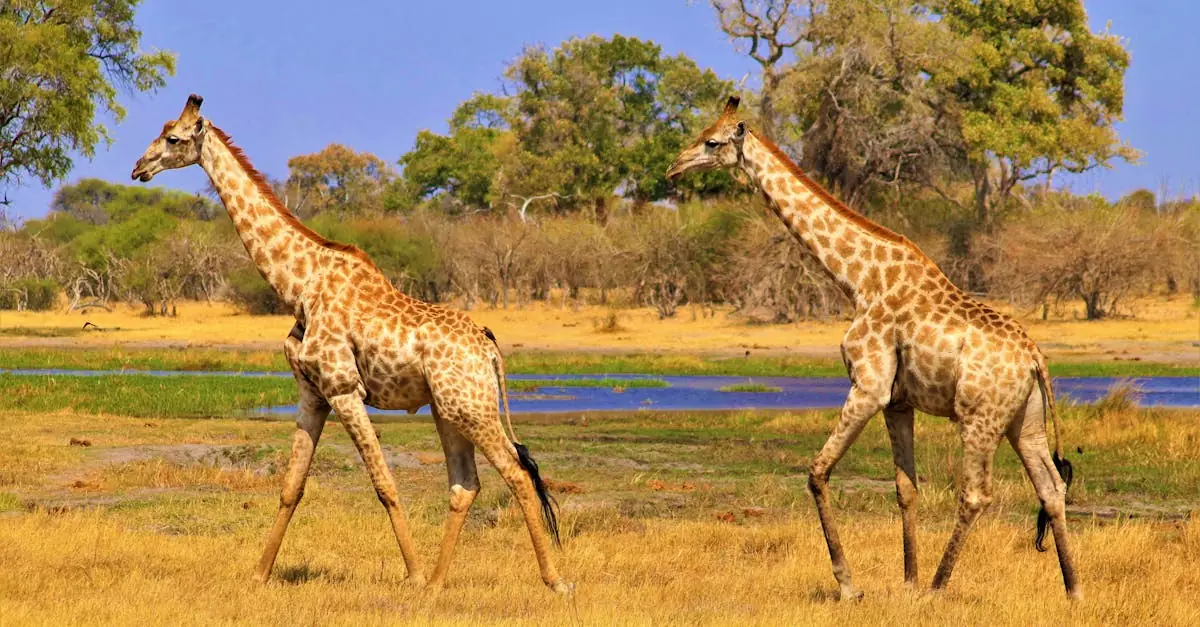
Botswana’s safari lodges provide an unparalleled African adventure, distinguished by their commitment to exclusivity, pristine wilderness, and authentic experiences. Unlike more crowded destinations, Botswana emphasizes low-impact tourism, ensuring vast, uncrowded spaces where wildlife roams freely. This approach is central to the appeal of the best safari lodges Botswana has to offer, creating a true sense of immersion in nature.
Exceptional Wildlife Encounters: Beyond the Big Five
While the iconic “Big Five” (lion, leopard, elephant, rhino, and buffalo) are certainly present, Botswana’s wildlife viewing extends far beyond these celebrated species. Lodges situated in diverse ecosystems like the Okavango Delta, Chobe National Park, and the Kalahari Desert provide opportunities to witness an astonishing array of animals. Expect to see large herds of plains game, endangered wild dogs, cheetahs, hippos, crocodiles, and a remarkable variety of birdlife. Many lodges offer specialized game drives led by expert guides who enhance the chances of unique sightings through their intimate knowledge of animal behavior and tracking. The density and diversity of wildlife, combined with the open-access nature of many concessions, ensure that encounters feel natural and unscripted.
Sustainable Tourism Practices and Community Involvement
A hallmark of Botswana’s top safari lodges is their deep commitment to conservation and sustainable tourism. This ethos translates into practices that minimize environmental impact and actively contribute to the preservation of the country’s natural heritage. Many lodges are constructed with eco-friendly materials, utilize solar power, and implement comprehensive waste management systems. A significant portion of revenue generated by these lodges often goes back into local communities through employment opportunities, education programs, and support for small businesses. This approach not only ensures the long-term viability of wildlife populations but also fosters a positive relationship between tourism and the people of Botswana. Travelers can feel confident that their visit contributes to the well-being of both the environment and its inhabitants. For those interested in responsible travel across the continent, understanding these principles is key when planning a trip to Africa.
Unique Activities: Mokoro Excursions and Walking Safaris
Beyond traditional game drives, Botswana’s lodges excel at offering unique and immersive activities that connect visitors closely with the environment. The mokoro, a traditional dugout canoe, is a signature experience in the Okavango Delta. Gliding silently through the waterways allows for peaceful observation of aquatic life, water birds, and animals coming to drink at the water’s edge. Walking safaris are another highlight, providing a ground-level perspective of the bush. Led by armed and highly trained guides, these excursions allow for learning about the smaller details of the ecosystem, from tracking animal footprints to identifying medicinal plants. These activities cater to a more adventurous spirit and foster a profound appreciation for the intricacies of the wilderness, setting these lodges apart from standard safari experiences.
Finding Your Perfect Botswana Safari Lodge: Factors to Consider
Selecting the right safari lodge in Botswana is crucial for an unforgettable African adventure. With diverse ecosystems and varying levels of luxury, understanding key considerations will help you narrow down your choices. Think about what kind of experience you envision, from rustic immersion in the wild to opulent comfort after a day of game drives.
Budgeting for Your Dream Botswana Safari Lodge
Botswana is renowned for its high-end safari experiences, and prices reflect this. When budgeting for a Botswana safari lodge, expect costs to range significantly, typically from $500 to over $2,000 per person per night. This all-inclusive rate usually covers accommodation, meals, drinks, and daily game drives.
Several factors influence the price point:
- Location: Lodges within prime wildlife areas like the Okavango Delta or Chobe National Park often command higher rates due to their exclusive access and abundant game.
- Exclusivity and Size: Smaller, more intimate camps that offer a private feel tend to be more expensive than larger lodges.
- Level of Luxury: Ultra-luxury lodges boast gourmet dining, private plunge pools, and exceptional service, which are reflected in the nightly tariff.
It’s also important to factor in additional costs such as park fees, conservation levies, and gratuities, which may not always be included in the initial lodge price. Planning your trip during the shoulder seasons (e.g., May-June or October-November) can sometimes offer slightly better value without compromising significantly on wildlife viewing.
Choosing Between All-Inclusive and Self-Catering Options
Most safari lodges in Botswana operate on an all-inclusive basis. This model is highly convenient, as it simplifies budgeting and removes the stress of managing daily expenses in remote locations. Your all-inclusive package typically includes:
- Accommodation
- All meals (breakfast, lunch, dinner, and often afternoon tea)
- A selection of alcoholic and non-alcoholic beverages
- Scheduled daily game drives (morning and afternoon)
- Transfers to and from the nearest airstrip
While self-catering is not common at traditional Botswana safari lodges due to logistical challenges, some private concessions or independent camps might offer more flexibility. However, for most visitors, the all-inclusive model is standard and highly recommended. It ensures that your focus remains on the incredible wildlife and scenery rather than meal preparation or sourcing supplies.
Family-Friendly vs. Adults-Only Safari Lodge Environments
Botswana offers a variety of lodge environments catering to different traveler types. Many lodges are family-friendly, providing amenities and activities suitable for children, such as:
- Child-friendly meal options
- Dedicated children’s programs or activities
- Family suites or interconnected rooms
- Activities tailored for younger guests, like nature walks or tracking lessons
For travelers seeking a more tranquil atmosphere, adults-only lodges offer a serene retreat. These lodges often focus on refined dining experiences, extensive wine lists, and a quieter ambiance, ideal for couples or solo travelers looking for a peaceful escape.
When making your selection, consider the age range of your travel companions and your desired pace. Some lodges may have age restrictions for certain activities, like walking safaris or mokoro excursions, due to safety considerations. Always check the lodge’s specific policies regarding children and age limits before booking.
When is the Best Time to Book a Safari Lodge in Botswana?
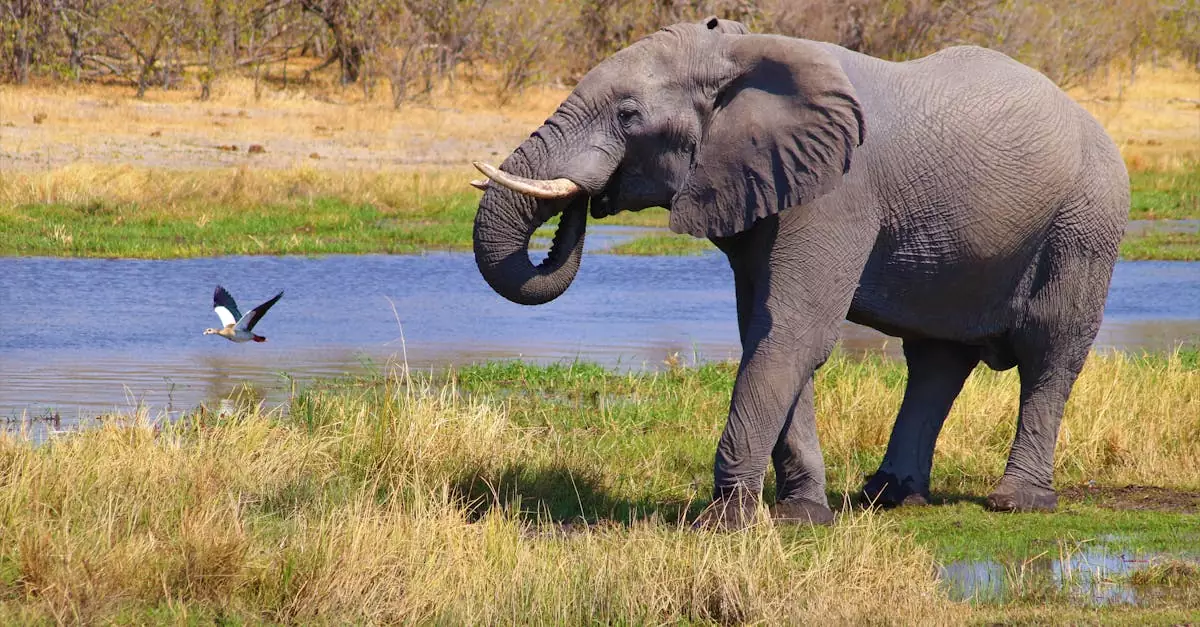
Choosing the right time to visit Botswana significantly impacts your safari experience, from wildlife viewing opportunities to overall cost and atmosphere. Understanding the distinct seasons will help you select the best safari lodge for your needs and ensure an unforgettable African adventure. The country’s climate dictates animal movements, vegetation density, and visitor numbers, making timing a crucial planning element.
Peak Safari Season: Dry Months and Animal Migration Patterns
The prime time for a safari in Botswana is during the dry season, typically running from May to October. During these months, the landscape dries out, and water sources become scarcer, forcing animals to congregate around permanent waterholes. This concentration makes wildlife spotting considerably easier, as predators and prey are more visible against the sparser vegetation. The Okavango Delta transforms into a water wonderland during this period, attracting a vast array of wildlife.
This is also when zebra and wildebeest migrations can be observed in areas like Chobe National Park, particularly along the Chobe River. The skies are generally clear with little to no rain, offering excellent photographic conditions. However, this popularity means that the best safari lodges in Botswana are in high demand. Booking well in advance, often 12 to 18 months ahead, is essential, especially for exclusive concessions or highly sought-after camps. Prices tend to be highest during this peak season due to the excellent wildlife viewing and favorable weather.
Green Season Advantages: Birdwatching and Fewer Crowds
Botswana’s Green Season, from November to April, offers a different yet rewarding safari experience. This period is characterized by summer rains that transform arid landscapes into lush ecosystems. While thick vegetation can make spotting larger mammals more challenging, it’s an exceptional time for birdwatching, as migratory species arrive, and resident birds are in full breeding plumage. Many species are also more active during the cooler mornings and evenings.
The Green Season is also the calving season for many antelope species, providing chances to witness newborn wildlife. The rains create dramatic skies, perfect for photography. Importantly, this is the low season for tourism, meaning fewer crowds at lodges and on game drives. This often results in more affordable rates at some of the best safari lodges in Botswana, making it an attractive option for budget-conscious travelers or those seeking a more intimate experience. Areas like the Makgadikgadi Pans are particularly beautiful after good rainfall.
Navigating Shoulder Seasons for Value and Experience
The shoulder seasons – April to May and October to November – represent a sweet spot for many travelers planning a trip to Botswana. These periods bridge the gap between dry and wet seasons, offering a blend of advantages from both. In April and May, the end of the rains leaves the landscape relatively green, while the dry season begins to set in, concentrating wildlife. Days are warm, and nights start to cool down, providing comfortable game viewing conditions.
October and November mark the transition into the Green Season. The heat can be intense before the rains arrive, but the anticipation of the coming storms often brings animals to water sources. Birdlife begins to increase, and early signs of new life may appear. These shoulder months generally offer a good balance of excellent wildlife viewing, pleasant weather, and slightly lower prices compared to the peak dry season. Booking during these times can provide a valuable combination of experience and cost-effectiveness when choosing from the best safari lodges in Botswana.
Here’s a look at how the seasons compare:
| Season | Months | Wildlife Viewing | Birdwatching | Crowds | Price Range | Weather |
|---|---|---|---|---|---|---|
| Peak Dry | May – Oct | Excellent | Good | High | Highest | Dry, sunny, cooler nights |
| Green Season | Nov – Apr | Good (variable) | Excellent | Low | Lower | Hot, humid, afternoon thunderstorms |
| Shoulder (Apr-May) | April – May | Very Good | Good | Moderate | Mid-High | Warm days, cooling nights, transitioning |
| Shoulder (Oct-Nov) | October – Nov | Good to Very Good | Good | Moderate | Mid-High | Hot, humid, pre-rain warmth |
When planning your safari, consider which aspects of the Botswana experience are most important to you. If maximizing sightings of large mammals is your priority and you don’t mind the crowds or higher prices, the dry season is ideal. For dedicated birders or those seeking a more tranquil and budget-friendly trip, the Green Season offers incredible value. The shoulder seasons provide a well-rounded compromise for a memorable visit to see the best safari lodges Botswana has to offer.
Getting to and Around Botswana’s Top Safari Lodges
Reaching Botswana’s renowned safari destinations often involves a multi-step journey, blending international travel with specialized regional transport. Understanding these logistics is key to a smooth and enjoyable African adventure. The primary gateways for international travelers are Maun and Kasane airports, each serving different regions of Botswana’s vast wilderness.
International Flights and Gateway Airports (Maun & Kasane)
Most international visitors arrive in Botswana via Johannesburg, South Africa, with direct flights connecting to either Maun (MUB) or Kasane (BBK). Maun serves as the main entry point for the Okavango Delta, a UNESCO World Heritage site celebrated for its unique water-based ecosystems and abundant wildlife. Kasane, located in the far northeast, is the gateway to Chobe National Park, famous for its enormous elephant herds and the confluence of four countries.
Choosing between Maun and Kasane depends on your chosen safari lodge’s location and the specific wildlife experiences you seek. Flights into these smaller airports are typically operated by regional carriers like Air Botswana or by the safari lodges themselves, often as part of a package. It’s advisable to book these connecting flights well in advance, especially during peak safari seasons (May to October).
Charter Flights: The Most Efficient Way to Reach Remote Lodges
Once you land at Maun or Kasane, the most common and efficient way to reach remote safari lodges, particularly those deep within the Okavango Delta or private concessions, is via light aircraft charter flights. These small planes, often Cessnas or Pindair P-2006Ts, offer a bird’s-eye view of the stunning landscape and significantly cut down on travel time. Many lodges operate their own scheduled charter services, flying guests directly from the main airport to a nearby airstrip.
These charter flights are an integral part of the Botswana safari experience, offering a sense of exclusivity and adventure. However, they come with strict luggage restrictions, usually around 20 kg (44 lbs) per person, packed in soft-sided duffel bags. This is due to limited space in the aircraft and the need to maintain weight balance. Always confirm luggage allowances with your lodge or tour operator before packing.
Self-Drive vs. Guided Transfers: Exploring Botswana’s Road Network
While charter flights are dominant for reaching remote camps, exploring certain areas of Botswana by road is also possible, particularly if you plan to visit national parks like Chobe or Moremi Game Reserve without staying at an exclusive lodge. Self-driving in Botswana is an option for the more adventurous, but it requires careful planning and a robust 4×4 vehicle. Roads within national parks can be sandy and challenging, and navigating can be difficult without GPS and detailed maps.
For most travelers aiming for the best safari lodges in Botswana, especially those in less accessible areas, guided transfers arranged by the lodge or a reputable tour operator are recommended. These transfers might involve a combination of 4×4 game drive vehicles and boat transfers, depending on the lodge’s location and the season. They offer local knowledge, ensuring you reach your destination safely and efficiently while also providing opportunities for wildlife viewing en route.
The choice between self-drive and guided transfers largely depends on your comfort level with off-road driving, your budget, and your specific itinerary. For a truly immersive and hassle-free safari experience at one of Botswana’s premier lodges, relying on the expertise of local guides and the convenience of charter flights is often the most rewarding approach.
Frequently Asked Questions About Botswana Safari Lodges
What is the average cost of a luxury safari lodge in Botswana?
The cost of a luxury safari lodge in Botswana can vary significantly based on the season, the exclusivity of the lodge, and the inclusions. Generally, expect prices to range from $700 to over $2,500 per person per night. This typically covers accommodation, all meals, standard beverages, and most safari activities like game drives and walking safaris. Some ultra-luxury lodges, especially those in private concessions with exclusive access and high-end amenities, can exceed $3,000 per person per night. Peak season (June to October) is usually the most expensive, while the shoulder seasons (May, November) and green season (December to April) offer better value.
Are Botswana safari lodges safe for solo travelers?
Botswana is widely regarded as one of the safest safari destinations in Africa. Safari lodges operate with highly trained guides and staff who prioritize guest safety. Solo travelers are common and often find themselves in small, intimate groups, making it easy to connect with other guests. The lodges are designed to be secure, and activities are conducted under expert supervision. Standard safety protocols include listening to your guide, staying within designated areas at the lodge, and being aware of your surroundings, especially after dark. The country’s low population density and strong tourism infrastructure contribute to a secure environment for all visitors.
What should I pack for a safari lodge stay in Botswana?
Packing for a Botswana safari lodge involves focusing on practical, comfortable clothing suitable for varying temperatures and activities. Neutral, earthy tones like khaki, beige, and olive green are recommended as they blend with the environment and avoid startling wildlife.
Here’s a breakdown of essential items:
- Clothing:
- Lightweight long-sleeved shirts and trousers for sun protection and insect defense.
- T-shirts and shorts for warmer daytime temperatures.
- A warm fleece or jacket for cool mornings and evenings, especially during winter months (May-August).
- Comfortable walking shoes or sturdy trainers.
- Sandals or flip-flops for relaxing at the lodge.
- Swimsuit for lodge pools.
- A wide-brimmed hat for sun protection.
- Accessories:
- Sunglasses.
- High SPF sunscreen.
- Insect repellent with DEET.
- A reusable water bottle.
- Binoculars for enhanced wildlife viewing.
- A camera with extra batteries and memory cards.
- A small backpack or daypack for carrying essentials on game drives.
- A headlamp or small flashlight.
- Toiletries:
- Personal toiletries.
- Any personal medications.
- Documents:
- Passport and visa (if required).
- Flight details.
- Travel insurance information.
- Copies of important documents.
It’s advisable to pack light, as most lodges offer laundry services. Avoid bright colors, camouflage patterns (which can be associated with military wear), and strong perfumes, as these can disturb wildlife.