
Introduction to Budget Travel in Cambodia
Cambodia remains one of the most wallet-friendly places in Southeast Asia in 2026, combining long-standing history with a lively contemporary scene. Many travelers search for the cambodia cheapest cities to travel so they can stretch their funds while enjoying temples, markets, and local life. Everyday expenses are lower here than in many neighboring countries, and the sceneryfrom dense jungle to iconic sites like Angkor Watadds huge value to any visit.
Finding a comfortable yet inexpensive way to travel is straightforward. A typical budget of $25 to $40 per day will usually cover a decent guesthouse, local meals, and short-distance transport. Cambodians are generally welcoming, and the economy operates with both US Dollars and Cambodian Riel, which simplifies daily spending. Keep small bills for market purchases and tuk-tuks, and plan your route to make the most of your money.
Below are the best places to consider if you’re traveling on a tight budget, including Phnom Penh and Battambang. Expect details on local costs for food, lodging, and transit, plus practical tips to sidestep common tourist traps. Whether traveling alone or with family, the information here is drawn from real-world figures to help you travel cheaply without sacrificing the experience.
Exploring Cambodia Cheapest Cities to Travel
When choosing among the cambodia cheapest cities to travel, focus first on where youll sleep and eatthose two items typically make up the largest share of costs. Secondary cities like Battambang and Kampot often offer the best bargains. A private room in a basic guesthouse can dip to about $10 per night, and dorm beds are sometimes under $5. Local market meals commonly range from $1.50 to $3, so it’s easy to stretch a stay for weeks on a modest budget.
Siem Reap draws visitors for its temples, yet significant savings are available if you avoid the main tourist strips. Neighborhood eateries and outer areas sell cheaper meals, and renting a bicycle for roughly $2 a day is a budget-friendly way to get around. If you watch your spending, most travelers keep daily costs near $30 in Siem Reap; the Angkor Wat entry pass is usually the single largest expense on a temple-focused itinerary.
Kampong Cham offers an off-the-beaten-path option along the Mekong where prices stay low due to fewer tourists. The pace is relaxedcycling bamboo bridges, visiting riverside pagodas, and staying in family-run guesthouses are common. This quieter side of Cambodia lets you experience local life affordably, with money lasting noticeably longer than in busier centers.
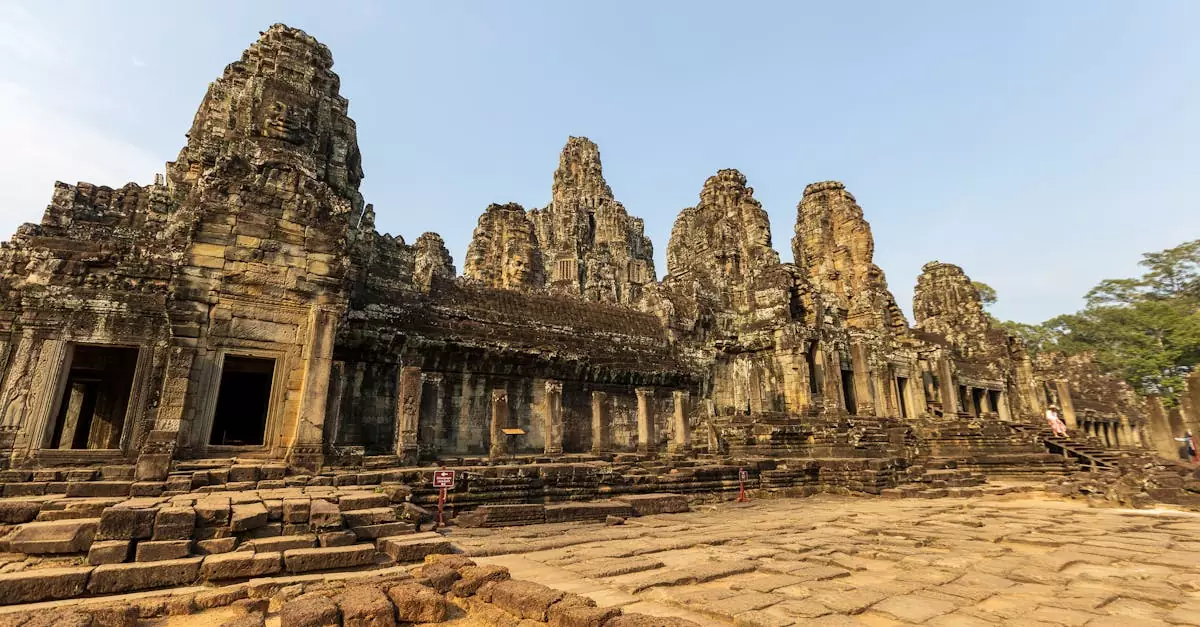
Top Cambodia Budget Destinations for Savvy Travelers
Many people searching for cambodia budget destinations end up along the southern coast. While Sihanoukville has seen price rises, nearby Kampot remains attractively priced. Known for pepper plantations and salt flats, Kampot offers riverside bungalows at reasonable rates, cheap local foodoften excellent seafoodand easy access to Bokor National Park without breaking the bank.
The official tourismcambodia.org site is handy for current travel notices. Battambang is another budget-friendly favorite, with colonial buildings, the quirky Bamboo Train, and a village-like atmosphere that keeps costs low. Cafes and eateries around the center are inexpensive, and many attractions ask for only a few dollars in entry fees, making it ideal for long-term travelers.
Kep is a quieter coastal option that costs far less than many island destinations. The Crab Market serves fresh, affordably priced seafood, and hiking in Kep National Park is free. Most guesthouses sit within walking distance of the shoreline, and standard rooms often run around $15 per night, making Kep a peaceful, low-cost addition to a budget route.
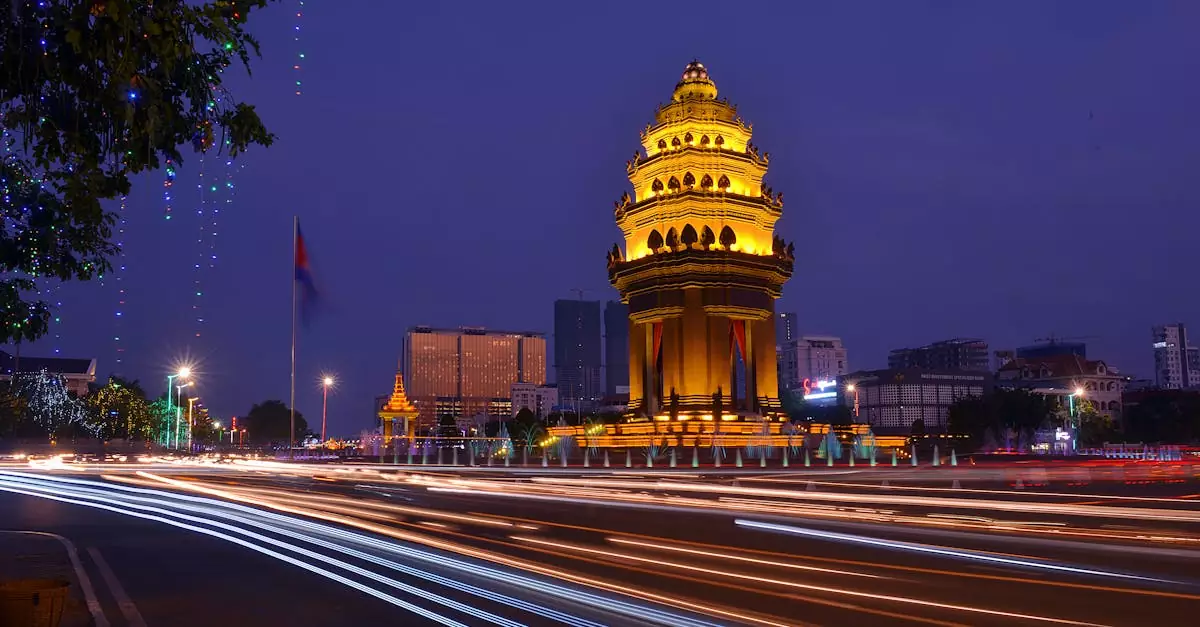
Phnom Penh: The Affordable Capital Experience
Phnom Penh bustles with activity but doesn’t have to be expensive. The capital offers a wide selection of budget hostels and inexpensive hotels, particularly if you seek options off the main riverside strip. With careful choices, $25 a day can cover a bed, meals, and some sightseeing. For historical context, readers can refer to Britannica.
Street food is one of the best ways to cut costs in the citynoodle dishes and rice plates are commonly sold for about $1.50 and are typically fresh and flavorful. Markets like the Central Market and Russian Market are great for inexpensive shopping; bargaining politely often yields better prices. For transport, ride-hailing apps such as Grab or PassApp offer set fares that remove the need to haggle with tuk-tuk drivers.
Many important sites are reasonably priced: the Royal Palace and National Museum charge modest entry fees, and the Tuol Sleng Genocide Museum provides a sobering but essential look at the country’s past. Walking through central neighborhoods is a free way to take in city lifejust stay alert with valuables in crowded areas. Phnom Penh gives travelers a choice between modern malls and traditional markets, so daily spending can be adjusted to suit your budget.
Comparing Costs: A Breakdown of Major Cities
Prices vary by season and personal travel style. The high season runs from November to February, when cooler weather often pushes rates slightly upward. During the rainy months, discounts on accommodation are more common. Intercity travel is usually by bus or shared van; for example, a bus ticket from Phnom Penh to Siem Reap typically costs $10 to $15, making overland travel an affordable way to see the countryside.
| City Name | Hostel Bed (USD) | Local Meal (USD) | Daily Budget (USD) |
|---|---|---|---|
| Phnom Penh | $5 – $8 | $2 – $4 | $25 – $35 |
| Siem Reap | $4 – $7 | $2 – $5 | $30 – $45 |
| Battambang | $3 – $6 | $1.5 – $3 | $20 – $30 |
| Kampot | $4 – $7 | $2 – $4 | $22 – $32 |
Overall, Battambang tends to be the most affordable of the major cities, offering excellent value for accommodation and meals. Siem Reap commands slightly higher prices because of its temple tourism, though it remains inexpensive by Western standards. Phnom Penh sits in the middle, with a mix of budget and upscale options, while Kampot appeals to travelers seeking nature without high costs. Picking the right base can cut expenses dramatically over the course of a month-long trip.
Pros and Cons of Budget Travel in Cambodia
Traveling cheaply here has clear advantages: your funds stretch further, allowing longer stays and a deeper engagement with local culture. Budget travel often means eating more local dishes and staying in communal spaces where meeting other travelers is easy. It also nudges you toward less-touristy areas, which can feel more authentic than the usual hotspots.
- Pros: Very low cost of living, friendly locals, amazing street food, and rich history.
- Cons: Basic accommodation, extreme heat, noisy streets, and occasional scams.
There are drawbacks to keep in mind. Many inexpensive guesthouses lack air conditioning, which is uncomfortable during the hottest months like April and May. Construction noise and busy traffic can disturb sleep in central areas. Street food is generally excellent, but choose busy stalls to reduce the risk of stomach issues. Public transport can be crowded or slow, so a flexible itinerary helps when delays occur. For most travelers, these are manageable inconveniences rather than dealbreakers.
Reality Check: Infrastructure outside major cities is still catching up. Power outages and weak internet are possible in cheaper guesthouses, and daytime temperatures can climb above 35 degrees Celsius. Keep hydrated, use sunscreen, and secure your valuables in crowded markets. With common-sense precautions, most issues can be avoided.
Essential Tips for Saving Money in Cambodia
Handling cash wisely is one of the easiest ways to save. Use Cambodian Riel for purchases under $1 to avoid poor exchange rates, and carry a reusable water bottlemany hostels provide free refills. Learning a few Khmer phrases like greetings and simple courtesies is appreciated and can sometimes lead to friendlier prices.
Important Tip 1: Rely on PassApp or Grab for city rides whenever possible. These apps display the fare before you get in, which prevents overcharging by tuk-tuk drivers.
Important Tip 2: Eat where locals eatbusy stalls with small plastic chairs usually mean fresh food at the best prices. Avoid restaurants displaying large English menus with inflated “Western” prices if you want to keep costs down.
Traveling in shoulder months such as May and October often brings lower hotel rates and fewer crowds at key sites. For long distances, consider overnight buses to save a nights accommodation; many modern night buses have reclining seats or sleeper options. Book bus tickets a day ahead to secure better seats and keep your plans on track without extra expense.
Navigating Local Transport and Food Costs
Getting around the country is generally affordable. Options include large buses, minivans, and private cars; large coach companies like Giant Ibis and Larryta are known for reliable service at fair prices. Trips to the coast typically take around four to five hours from Phnom Penh, and tickets can be purchased online or through your guesthouse. Many buses feature air conditioning and, occasionally, WiFi.
Food is another big area for savings. Local markets are the best spots for cheap, fresh produce and snacksmangoes and pineapples are widely available at low cost. A hearty bowl of Kuy Teav, a popular noodle soup, costs about $2 and makes a filling breakfast. Evening meals like Fish Amok or simple stir-fries usually range from $3 to $5. For context on social issues and safety, keep up with resources such as Human Rights Watch.
Alcohol and coffee can be very inexpensive if you stick to local options: beers like Angkor or Cambodia Beer often go for around $0.50 during happy hours, while a street-cart iced coffee with condensed milk typically costs about $1. Imported drinks and spirits are pricier, so choosing local beverages helps maintain a low daily spend.
Frequently Asked Questions
What is the cheapest month to visit Cambodia?
The most budget-friendly months tend to be May, June, and September, during the rainy season when hotels offer discounts and crowds thin out. Expect short, heavy afternoon downpours rather than nonstop rain.
Is $20 a day enough for Cambodia?
$20 a day is possible but tight. It typically covers a dorm bed and basic street-food meals, leaving little for entrance fees or longer transfers. A daily budget of $30 to $35 is more comfortable for most travelers.
Which city has the cheapest accommodation?
Battambang usually offers the lowest accommodation rates. Clean guesthouses can be found for under $10, and hostel beds sometimes drop to around $3ideal for anyone planning a longer, budget-focused stay.
Are ATMs easy to find in Cambodia?
ATMs are common in major cities and tourist hubs and typically dispense US Dollars; some also provide Cambodian Riel. Withdrawals often incur fees of $4 to $6, so taking larger amounts less frequently can reduce charges.
Do I need to tip in Cambodia?
Tipping is not required but is appreciated. Small gestureslike leaving $1 or rounding upare common in restaurants and make a meaningful difference for low-paid service workers.
Conclusion: Planning Your Budget Cambodia Trip
Cambodia remains a top pick for anyone hunting for the cambodia cheapest cities to travel. From Phnom Penhs lively streets to Battambangs tranquil riverbanks, the country offers major historical sites and natural beauty without a high price tag. Follow local tipseat where residents eat, use transport apps, and plan your routeto cut costs while still enjoying rich experiences. With a little planning, a budget-friendly and memorable trip in 2026 is entirely within reach.