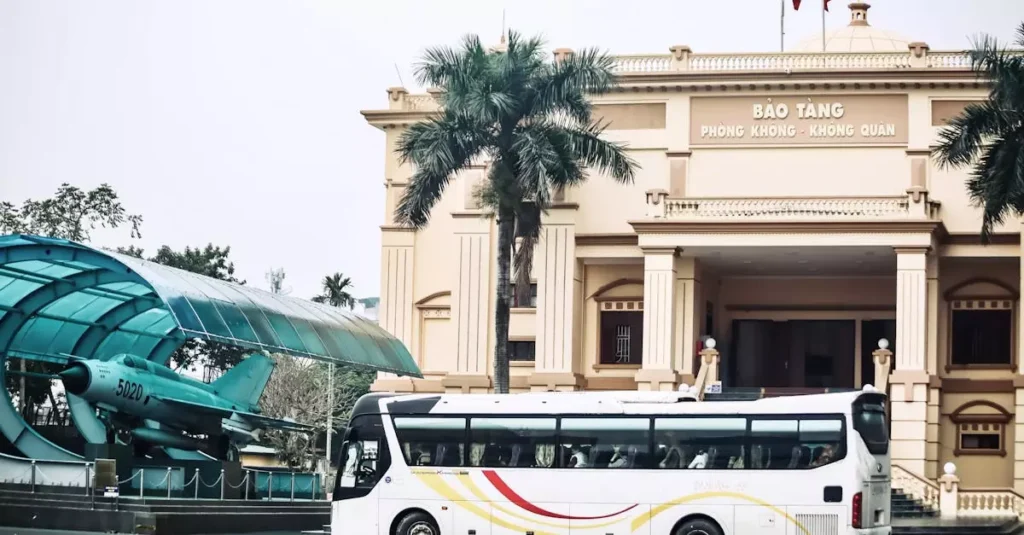
Exploring Vietnam unveils a vibrant mix of landscapes, culture, and history. For many visitors, keeping travel costs low is a priority. Among the most popular and wallet-friendly ways to move between cities is by sleeper bus. Having a clear idea of the typical vietnam sleeper bus cost helps you budget wisely, allowing you to see more without overspending.
Sleeper buses offer a distinctive way to travel, letting you cover long distances overnight while cutting down on accommodation expenses. These vehicles come equipped with reclining seats or bunk beds, providing a comfortable setting to journey through Vietnams varied sceneryfrom the energetic streets of Hanoi to the tranquil southern coastlines. Being aware of the usual pricing and amenities helps you choose the best option for your needs.
This detailed overview covers every aspect of the vietnam sleeper bus cost. Youll find insights into what affects prices, the average fares on popular routes, and comparisons with other modes of transport. Practical advice on booking and preparing for your trip will also help you get the most out of this budget-friendly travel method. Prepare to navigate Vietnam affordably and comfortably.
Understanding the Vietnam Sleeper Bus Experience
Traveling on a sleeper bus is a hallmark of backpacking through Vietnam. These buses are tailored for long distances, often linking key cities and tourist hotspots across the country. Unlike regular buses, sleeper buses feature bunk beds arranged in two or three tiers. Each bunk typically includes a pillow, blanket, and sometimes a curtain, enabling passengers to lie down fully or recline comfortably for overnight journeys.
The level of comfort and available features can differ widely depending on the operator. Some newer buses boast amenities like Wi-Fi, USB charging points, and small entertainment screens. Older buses might be simpler but still provide a decent sleeping arrangement. Its customary to remove your shoes before boarding and place them in assigned storage to maintain cleanliness. Though the bunks arent as spacious as beds at home, most travelers find them adequate to rest well and arrive feeling refreshed.
Sleeper buses offer a great chance to meet fellow travelers and enjoy Vietnams countryside as it unfolds outside your window. Trips can last anywhere from a few hours to more than 12, depending on the route. Despite occasional rough patches or winding roads, most passengers find the experience worthwhile. The ability to wake up in a new city without spending on a hotel makes sleeper buses particularly appealing. This form of transport truly captures the adventurous spirit of Southeast Asian travel.
What Influences Vietnam Sleeper Bus Cost?
Several key factors affect the vietnam sleeper bus cost. Knowing these helps you anticipate expenses and snag better deals. Distance is the most straightforward: longer trips like Hanoi to Ho Chi Minh City cost more than shorter ones such as Hanoi to Sapa. Still, the cost per kilometer typically drops on lengthier journeys, offering greater value overall.
The bus operators reputation and service quality also play a big role. Premium companies with newer fleets, extra amenities like Wi-Fi or charging ports, and a solid safety record often charge more. Local or smaller operators might offer cheaper fares but may run older vehicles with fewer comforts. Checking recent reviews before booking is a smart move, especially for extended routes.
Seasonality and how you book your ticket matter as well. Demand spikes during busy times like Tet (Vietnamese New Year) or public holidays tend to push prices up. Booking your vietnam bus ticket ahead of time, particularly online via trusted platforms or directly through bus companies, can sometimes secure better rates compared to last-minute purchases at stations. Travel agents may add commission fees, so comparing prices pays off. The choice of bunk can also impact cost, with lower bunks sometimes priced slightly higher due to easier access.
Average Vietnam Sleeper Bus Cost by Route
The vietnam sleeper bus cost varies widely depending on your route and chosen provider. Generally, sleeper buses remain an affordable travel option, favored by budget-conscious tourists. For short to mid-length trips, like Hanoi to Ninh Binh (about 2-3 hours), fares typically range from 100,000 to 150,000 VND (4 to 6 USD). This makes for a convenient day trip or overnight stop.
For popular routes such as Hanoi to Sapa (approximately 5-6 hours), prices usually fall between 200,000 and 300,000 VND (8 to 12 USD). This route attracts trekkers heading into northern mountain regions. Longer journeys like Hanoi to Hue (around 12-14 hours) generally cost between 300,000 and 450,000 VND (12 to 18 USD), providing a comfortable overnight travel option to the historic imperial city.
The longest routes, including Hanoi to Ho Chi Minh City, are often split into segments. A direct ticket, when available, might range from 600,000 to 900,000 VND (25 to 38 USD). Most travelers prefer breaking the trip into shorter legs with stops in cities such as Da Nang or Nha Trang. Keep in mind these are average estimates, and fares can fluctuate. Checking up-to-date prices is always recommended when planning your trip to Vietnam.
Comparing Sleeper Buses to Other Transport Options
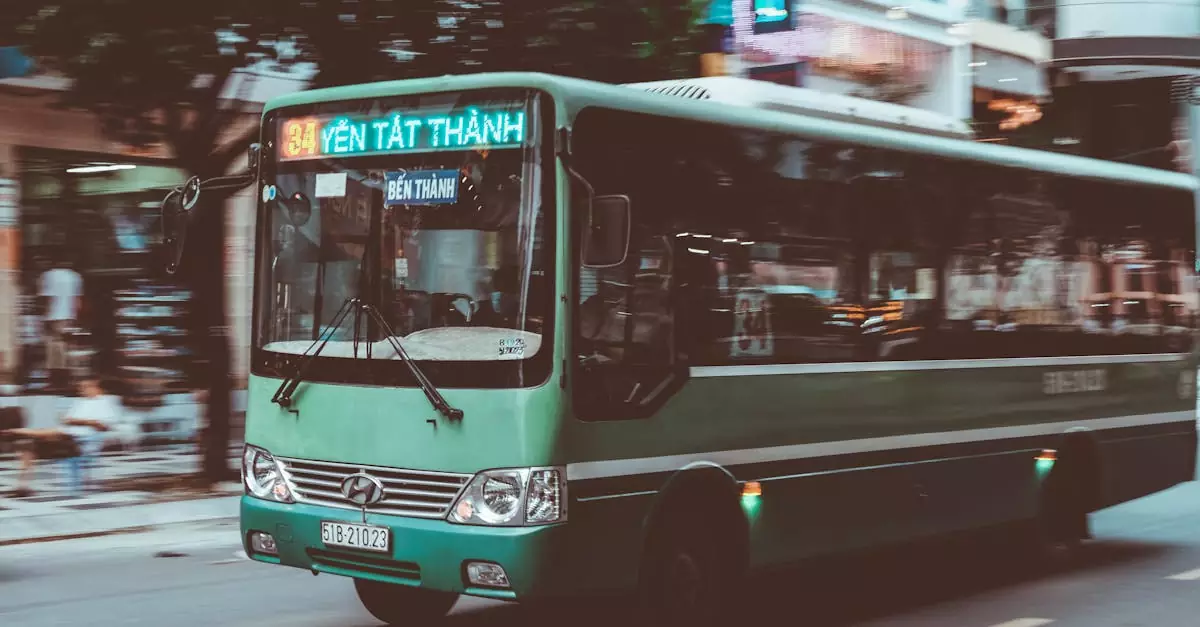
As you map out your travels across Vietnam, youll find a variety of transport options, each with pros and cons. Sleeper buses stand out for their budget-friendly prices and overnight convenience. Yet, its helpful to weigh them against trains, domestic flights, and private cars to pick the best fit for your preferences and budget. Typically, the vietnam bus ticket price remains the lowest among motorized travel choices.
Trains, especially the Reunification Express, offer a more scenic journey and tend to be smoother. They cost more than buses but provide extra space and comfort, including private cabins. Domestic flights are the speediest choice for covering large distances but come with a higher price tag and added time for airport transfers. Private cars or taxis give you maximum comfort and flexibility but at a premium cost, often economical only for groups traveling together.
For many budget travelers and backpackers, sleeper buses strike a good balance between affordability and practicality. They allow savings on both travel and lodging. While they dont match the speed of flights or the spaciousness of trains, the reduced cost is compelling. When choosing, consider whether speed, comfort, or budget is your priority. Traveling by bus also offers a unique glimpse into local life and infrastructure.
| Transport Option | Average Cost (Hanoi to Hue) | Travel Time | Comfort Level | Key Advantage |
|---|---|---|---|---|
| Sleeper Bus | 300,000 450,000 VND (12 18 USD) | 12 14 hours | Moderate (bunks) | Most affordable, saves on accommodation |
| Train (Soft Sleeper) | 600,000 900,000 VND (25 38 USD) | 12 14 hours | High (private cabin options) | Scenic, more spacious, less bumpy |
| Domestic Flight | 1,000,000 2,000,000+ VND (40 80+ USD) | 1.5 hours (flight) + airport time | High (quickest) | Fastest for long distances |
| Private Car/Taxi | 3,000,000 5,000,000+ VND (120 200+ USD) | 10 12 hours | Very High (door-to-door) | Maximum flexibility and privacy |
Pros and Cons of Traveling by Sleeper Bus in Vietnam
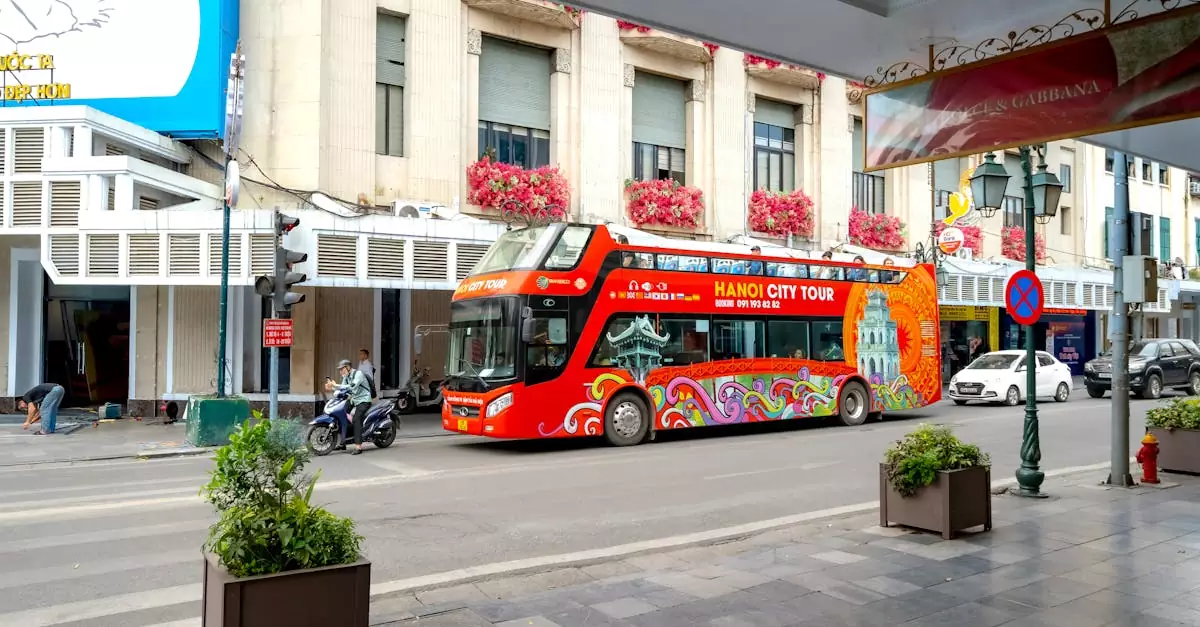
Opting for a sleeper bus in Vietnam brings a blend of benefits and drawbacks. Considering these points can help you determine if this transportation suits your travel style. The standout advantage is cost savings. The vietnam sleeper bus cost is much lower than flights or trains covering similar distances, making it ideal for travelers mindful of their budget. This leaves more funds available for experiences or accommodations once you arrive.
Traveling overnight is another plus. You cover long distances while sleeping, eliminating the need to pay for a nights lodging. This approach frees up daytime for exploring your destination. Sleeper buses also provide an authentic way to experience local travel customs. Many offer direct routes to popular attractions that might lack train stations or airports. Departures and arrivals often happen near city centers, adding to convenience.
On the downside, comfort can vary. While some buses are modern and well-kept, others might be older with less cleanliness and worn bunks. Taller passengers may find the bunks cramped. Vietnams roads can be bumpy, and aggressive driving may disrupt your rest. Noise from other travelers or the vehicle itself can be distracting. Storage space for luggage is limited, and keeping valuables secure requires attention. Delays due to traffic or road conditions are also not uncommon.
Pros:
- Cost-Effective: Much cheaper than planes or trains.
- Saves Accommodation Costs: Travel overnight and skip hotel expenses.
- Efficient Travel: Cover long distances while resting.
- Extensive Network: Connects many cities and remote regions.
- Cultural Experience: Travel as locals do and observe daily life.
Cons:
- Variable Comfort: Quality differs widely between companies.
- Limited Space: Bunks may feel tight for taller travelers.
- Potential for Noise: Road and passenger noise can interfere with sleep.
- Bumpy Rides: Road conditions can be rough.
- Security Concerns: Keep valuables secure during stops and travel.
- Delays: Traffic and road issues may cause unexpected waits.
Booking Your Vietnam Bus Ticket: Tips and Tricks
Booking your vietnam bus ticket efficiently can save both time and stress. Several dependable methods exist, each with its perks. Online booking platforms like FutaBus (Phuong Trang), vexere.com, or 12go.asia have grown popular for their convenience. These sites let you compare routes and prices, and book in advance, often providing e-tickets for easy access on your phone. Booking ahead is especially advisable during peak seasons or for heavily traveled routes to guarantee your seat and potentially snag better deals.
You can also buy tickets directly at bus company offices or major stations. This allows you to ask questions and sometimes select your bunk. However, language barriers may arise, and popular routes may sell out fast. Travel agencies and hotels often offer booking services, usually adding a small commission. This option suits those who prefer help with arrangements. Always double-check departure times and locations, since some bus stations lie outside city centers.
When reserving your seat, confirm the bus type (sleeper or seated) and exact boarding and drop-off points. Some companies provide hotel pick-up or drop-off, which can simplify your journey. Carry your passport or a copy, as many operators require ID for booking or boarding. Flexibility with travel dates might yield cheaper prices, especially if you avoid weekends or holidays. For more budget travel advice, see our travel budget guide.
Essential Tips for a Smooth Sleeper Bus Journey
Preparing well can make your sleeper bus trip through Vietnam more comfortable and hassle-free. Start by packing light and keeping essentials close at hand. Your main luggage usually goes in the buss undercarriage, so carry a small backpack with water, snacks, entertainment, and valuables. Dress in comfortable clothes suitable for sleeping, and bring layers since air conditioning on buses can be chilly.
Items like earplugs and an eye mask can greatly improve your sleep by blocking out noise and light. A travel pillow adds extra comfort, especially if the bus-provided pillows arent sufficient. Make sure your phone and power bank are fully charged, as charging ports may not always be working or available. Download movies, podcasts, or e-books in advance for entertainment during the ride.
Staying hydrated is important, so carry a water bottle. While some buses provide complimentary water, having your own is wise. Be ready for scheduled toilet breaks, usually every few hours at roadside stops or rest areas. Keep a close watch on your belongings during stops. Arriving at least 30 minutes before departure allows time for check-in and luggage loading. For more insights on timing, including the best time to visit, explore our additional resources.
Frequently Asked Questions About Sleeper Buses
Are sleeper buses safe in Vietnam?
In general, sleeper buses in Vietnam are considered safe when using reputable companies. Though accidents are rare, its wise to stay vigilant with your belongings and choose providers with positive reviews for added reassurance.
What is the best way to book a sleeper bus ticket?
Booking online through platforms like vexere.com or directly with major firms such as FutaBus is often the easiest and most reliable method. This helps you compare options and secure your seat well ahead of busy travel times.
Can I bring luggage on a sleeper bus?
Yes, you can bring luggage. Large bags are stored underneath the bus, while smaller backpacks or personal items can stay with you in your bunk. Always keep valuables within reach.
Are there toilets on sleeper buses?
Most long-distance sleeper buses include a small onboard toilet, though standards vary. Additionally, buses make regular stops every few hours at rest areas where passengers can use restrooms and grab refreshments.
Is it comfortable to sleep on a Vietnamese sleeper bus?
Comfort varies depending on the bus and individual preferences. While not as plush as a regular bed, many find the bunks good enough for a reasonable nights sleep, especially if using earplugs and an eye mask. Taller travelers might find the space a bit tight.
Final Thoughts on Your Vietnam Sleeper Bus Adventure
Traveling by sleeper bus in Vietnam combines practicality with adventure. Its an excellent way to cross the country, soak up local culture, and manage your travel expenses efficiently. The vietnam sleeper bus cost makes it a highly economical choice for long-distance trips, freeing up your budget to enjoy the bustling cities and breathtaking natural sights scattered throughout this remarkable nation. From Hanois lively streets to the peaceful Mekong Delta, these buses connect you to every corner of Vietnam.
While comfort can vary and preparation is key, the overall value of sleeper buses is hard to beat. Understanding the factors behind the vietnam bus ticket price, learning how to book smartly, and following practical advice will help you enjoy a smooth journey. Embracing this travel style adds an authentic, memorable layer to your Vietnamese adventure. It remains a staple of the backpacking trail and a genuine way to experience the country.
As you plan your itinerary, consider weaving sleeper buses into your travel plans. They offer a blend of affordability, convenience, and a real taste of Vietnamese life on the road. With the right mindset and preparation, your sleeper bus rides can become highlights of your trip. Enjoy the journey and the incredible experiences awaiting you in this beautiful country!