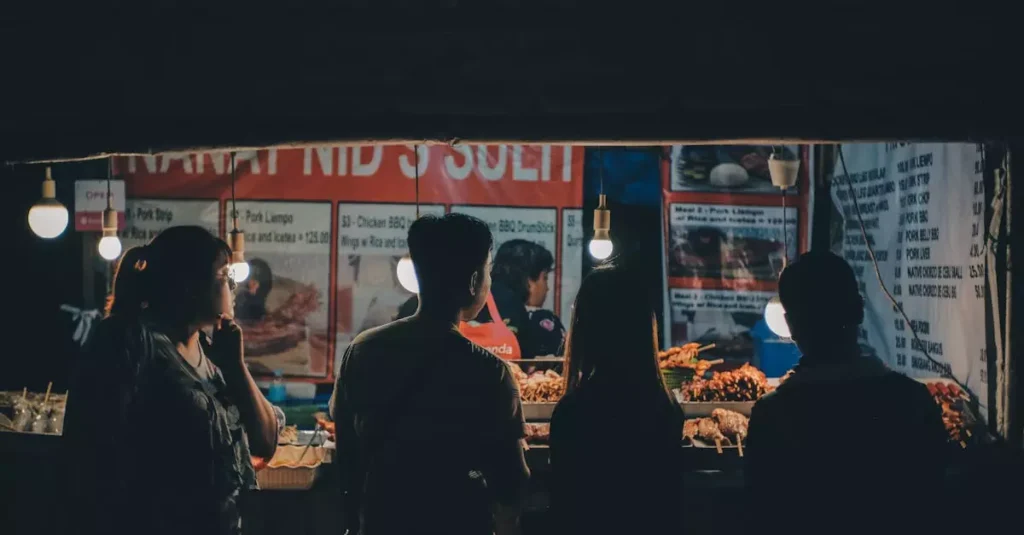
Cebu, a lively island province in the Philippines, invites visitors to experience a journey packed with beautiful beaches, rich history, and, above all, an exceptional food scene. From mouthwatering street snacks to elegant fine dining, there’s something to satisfy every taste and budget. Knowing what you might spend on food daily can make your trip planning much smoother. Many travelers ask about the average cebu food cost per day before setting foot on the island.
Exploring Cebu’s culinary options is a thrilling part of any visit, but having a sense of how much you’ll spend helps keep your budget in check. This overview details typical food prices across a variety of dining styles, from quick bites to full meals. Whether your budget is tight or youre ready to splurge, youll find helpful insights to guide your choices. The goal is to offer practical information for every type of traveler.
Whether traveling alone, vacationing with family, or enjoying a romantic escape, this detailed breakdown will assist you in estimating daily food costs. We’ll highlight local eateries, popular dining spots, and provide a handy cebu restaurant price guide. With this information, you can relish Cebus flavors without unexpected expenses, making your trip all the more enjoyable.
Understanding Cebu’s Diverse Culinary Landscape
The food culture in Cebu blends classic Filipino tastes with global influences. Visitors will discover a wide range of dining venues, from lively street stalls to cozy air-conditioned cafes and upscale restaurants. Cebu is renowned for its lechon, a roasted pig delicacy that attracts food lovers worldwide. Beyond that, fresh seafood, hearty stews, and sweet traditional desserts await. The variety available means you can easily customize your food experience to suit your preferences and budget. A typical visit often includes sampling an assortment of dishes, whether grabbing a quick snack from a street vendor or settling into a favored restaurant for a leisurely meal. Food here is deeply intertwined with local culture and hospitality.
Small, family-run places called carinderias serve home-style Filipino dishes at very affordable prices. These spots are essential to the local dining scene and offer an authentic taste of Cebuano cuisine. For those looking for a bit more comfort, mid-range restaurants provide a wider menu in a more modern environment, perfect for families or groups seeking a well-rounded meal. At the other end of the spectrum, fine dining establishments and hotel restaurants cater to guests wanting gourmet dishes and international flavors in elegant settings. These venues often showcase fusion cuisine and refined service. Exploring this range of dining options is part of the charm, letting you experience the full depth of Cebus culinary scene.
Breaking Down Cebu Food Cost Per Day for Different Budgets
Your daily cebu food cost per day will largely depend on how you prefer to dine. Food budgets generally fall into three categories: budget, mid-range, and luxury. Each level offers distinct experiences and price points. Knowing these categories makes it easier to plan your spending realistically. Most visitors mix budget and mid-range dining, enjoying simple breakfasts, moderate lunches, and nicer dinners.
For those traveling on a shoestring, daily food expenses can be quite low by sticking to street food, carinderias, and local markets. Mid-range diners can afford casual restaurants, cafes, and occasional indulgences in finer meals, allowing for more variety and comfort. Luxury travelers often choose top-tier restaurants, international cuisine, and hotel dining without worrying about price, valuing ambiance and service alongside meal quality. No matter your budget, Cebu offers excellent culinary experiencesyou just need to know where to look and what to expect.
Street Food and Carinderias: Your Budget-Friendly Options
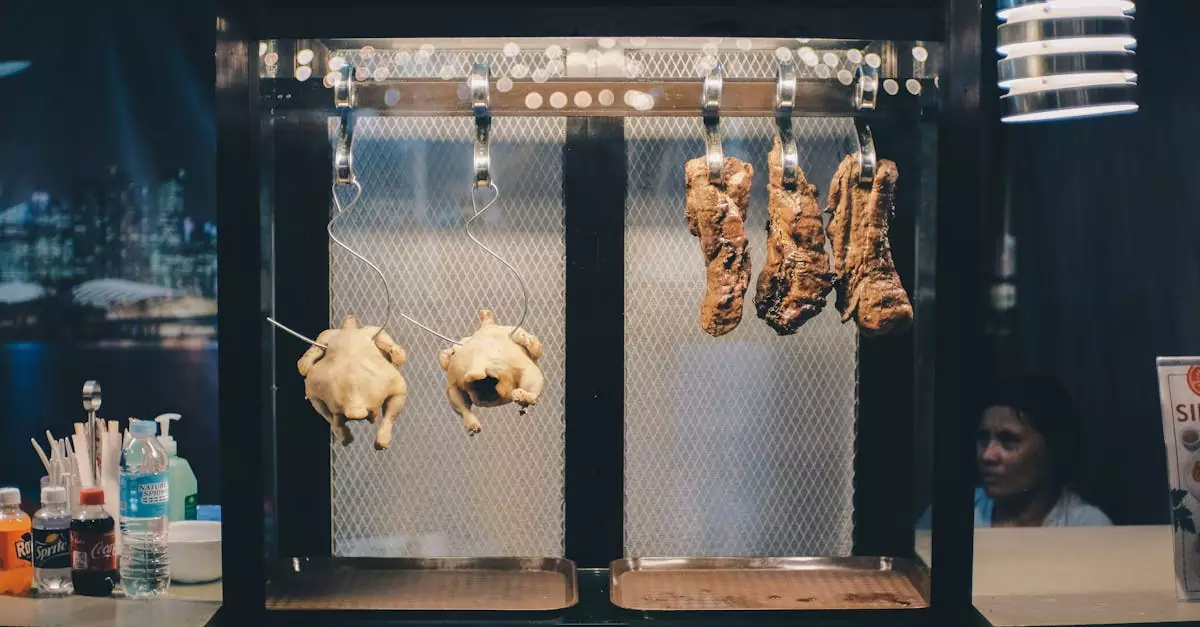
Street food stalls and carinderias form the backbone of Cebus affordable dining scene. These venues serve up authentic Filipino meals at prices that wont break the bank. Carinderias, small family-run eateries, offer pre-cooked dishes where you point to what you wanta practice known locally as ‘turo-turo’. A typical meal, including rice and one or two viands, usually costs between PHP 80 and PHP 150. Popular choices include adobo, sinigang, and various grilled meats. These spots buzz with activity during lunch and dinner, often featuring shared tables and a lively atmosphere. Dining here gives a genuine glimpse into local life and excellent value.
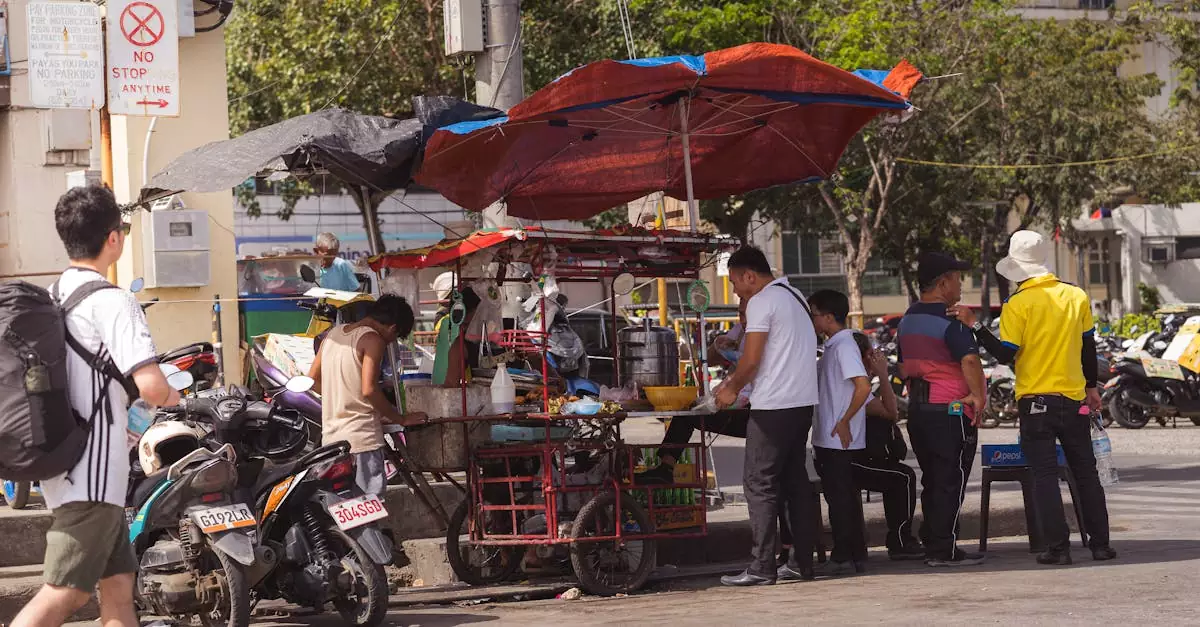
Street food carts provide a vast selection of quick snacks and treats. From grilled skewers like isaw, betamax, and kwek-kwek to sweet delights such as turon and halo-halo, prices range from PHP 10 to PHP 50 per item. A satisfying street food dinner might set you back around PHP 100 to PHP 200. To stay safe and enjoy the best flavors, choose stalls that appear clean and have many customers, which usually indicates fresh ingredients. Many find that indulging in street food is a budget-friendly way to dive into Cebuano culture, offering vibrant flavors and a lively dining experience.
Mid-Range Dining: Balancing Quality and Cost
If you want a mix of comfort and affordability, Cebus mid-range dining options are plentiful. These include casual restaurants, cozy cafes, and well-known local chains that often provide air-conditioned environments, expanded menus, and attentive service compared to carinderias. Expect to pay between PHP 250 and PHP 500 per person for a meal, typically including a main course and a beverage. Dishes range from Filipino favorites to international fare and fresh seafood. These restaurants are ideal for relaxed lunches or dinners with friends or family, offering a pleasant atmosphere without a hefty price tag.
Among mid-range favorites are grilled seafood joints, Filipino specialty restaurants, and even Japanese or Korean eateries. For example, grilled tuna belly plates might cost around PHP 300-450, while ramen bowls can be priced between PHP 350-500. Specialty coffee at cafes usually runs from PHP 100 to PHP 180. Many travelers appreciate this category for the variety it offers and its comfortable dining experience. Its a great way to explore the diverse cebu restaurant price guide without stretching your budget too far.
Fine Dining and Tourist Restaurants: Indulge in Cebu
For those seeking a more lavish dining experience, Cebu offers numerous fine dining and tourist-oriented restaurants. These establishments present high-quality cuisine, elegant settings, and polished service. Menus often feature international dishes, fusion creations, and premium local ingredients. Expect to spend anywhere from PHP 800 to over PHP 2,500 per person for a complete meal, including appetizers, main courses, and possibly dessert. Many of these venues are located within upscale hotels or popular tourist areas, perfect for special occasions or treating yourself.
Wine selections, craft cocktails, and expertly crafted meals feature prominently here. Fresh seafood is often the star, prepared with a gourmet touch. For instance, a seafood platter might cost between PHP 1,500 and PHP 3,000, while a steak could range from PHP 1,000 to PHP 2,000. Though pricier, these restaurants offer an elevated dining journey focused on presentation, unique flavors, and memorable ambiance. Visitors choosing this level usually seek more than just foodthey want an experience. For broader information about the country, you can visit the Wikipedia page on the Philippines.
Cebu Food Price Comparison Table
Heres a handy table showing average meal prices across different dining levels in Cebu. Keep in mind, prices can vary by establishment and current market conditions. This serves as a practical cebu restaurant price guide to help you compare costs quickly.
| Meal Type | Budget (PHP) | Mid-Range (PHP) | Luxury (PHP) |
|---|---|---|---|
| Breakfast (e.g., Silog meal, coffee) | 70 – 120 | 150 – 300 | 400 – 800+ |
| Lunch (e.g., Carinderia, casual restaurant) | 80 – 150 | 250 – 500 | 800 – 1500+ |
| Dinner (e.g., Street food, themed restaurant) | 100 – 200 | 300 – 600 | 1000 – 2500+ |
| Snacks/Drinks (e.g., Street food, cafe) | 10 – 50 | 100 – 250 | 200 – 500+ |
| Daily Total (Estimate) | 260 – 470 | 800 – 1650 | 2400 – 5300+ |
The figures highlight the wide range of food spending possible in Cebu. Budget travelers can easily keep daily food costs under PHP 500. Mid-range visitors might spend between PHP 800 and PHP 1,650, while those opting for luxury dining will see significantly higher totals. These estimates help you anticipate your expenses more accurately. Keep in mind that alcoholic drinks and imported beverages can quickly add to your bill. Its always wise to review menus for prices beforehand, especially in tourist-heavy zones, to avoid surprises. Understanding these costs is crucial when planning your cebu food cost per day.
Pros and Cons of Dining in Cebu
Eating in Cebu offers a rich variety of experiences, each with its own set of advantages and challenges. The abundance of food options is a clear positive. From traditional Filipino specialties to international dishes, theres always something fresh to try. The affordability of local fare is another strong point, especially for those watching their spending. Street food adds excitement and authenticity, letting you mingle with locals and enjoy genuine flavors. Many travelers appreciate the lively atmosphere and quick service that these local venues provide.
Still, there are some drawbacks to consider. Quality can be inconsistent, particularly in smaller, less established eateries. While most street food is safe, hygiene standards might not always align with Western expectations, which could concern some visitors. Popular spots and carinderias can get crowded during peak times, leading to longer waits or difficulty securing seating. Traffic congestion may also make getting to certain restaurants challenging, especially downtown. Moreover, while local food is inexpensive, international and fine dining options may carry prices similar to Western countries, requiring careful budget management. Despite these minor issues, the advantages of dining in Cebu generally outweigh the downsides, offering a flavorful and rewarding culinary adventure.
Practical Tips for Managing Your Food Budget in Cebu
Keeping your food expenses under control in Cebu is straightforward with a few practical tips. First, embrace local dining spots. Carinderias and street food vendors deliver fantastic value, letting you enjoy hearty meals at a fraction of the cost found in tourist restaurants. Choose places busy with localsthey usually indicate good quality and freshness. Dont hesitate to try new dishes, but always pay attention to cleanliness. Most find that sticking to popular local eateries leads to great meals.
- Important Tip 1: Carry Small Bills. Many vendors and carinderias prefer cash and may struggle to provide change for large bills. Having smaller denominations like PHP 20, PHP 50, and PHP 100 makes transactions smoother.
- Important Tip 2: Drink Tap Water Safely. Tap water isnt safe for tourists to drink directly, but buying large bottles of purified water from supermarkets is often cheaper than daily small bottle purchases. Bringing a reusable bottle and refilling it is a smart, economical choice.
Visiting local markets can also stretch your food budget. Public markets, such as Carbon Market, offer fresh produce, seafood, and cooked meals at very low prices. You can grab fruits for snacks or buy ingredients if you have access to cooking facilities. Preparing some meals yourself can significantly lower your cebu food cost per day. Another money-saving idea is ordering dishes ‘family style’ at mid-range restaurants. Many Filipino meals are designed for sharing, which can be more cost-effective than individual orders. Always review menus for prices before you order, especially where they arent clearly posted, to avoid surprises. For travel entry, remember to complete your eTravel registration at the official eTravel website before arriving.
Reality Check: Hidden Costs. Some restaurants, particularly those in tourist-heavy areas or hotels, may add a service charge (commonly 10%) to your bill. This fee is usually noted on menus but can catch you off guard if youre unaware. Also, be cautious with drink ordersalcohol and imported soft drinks tend to raise your total quickly. If youre budget-conscious, local juices or water are better choices. Staying alert to prices helps avoid overspending.
Frequently Asked Questions About Cebu Food Costs
Is food in Cebu expensive for tourists?
Food in Cebu remains quite affordable for visitors, especially when dining at local carinderias and street food stalls, where meals can cost as little as PHP 80-150. However, opting for international cuisine or fine dining will bring prices closer to those found in Western countries, with meals ranging from PHP 800 to PHP 2,500.
What is a typical breakfast cost in Cebu?
A common Filipino breakfast, like a ‘silog’ meal (rice, egg, and meat such as longganisa or tocino), costs about PHP 70-120 at local eateries. Cafes usually charge between PHP 150 and PHP 300 for a pastry and coffee, while hotel breakfasts can run from PHP 400 to PHP 800 or more.
Can I find vegetarian options easily in Cebu?
Strict vegetarian options can be scarce in traditional Filipino restaurants since many dishes include meat or fish sauce. That said, mid-range and upscale restaurants often offer vegetarian-friendly plates. Local markets and some carinderias also provide fresh fruits and vegetable dishes.
How much does a lechon meal cost?
Cebus famous lechon, or roasted pig, is usually sold by weight. A quarter kilo (250g), enough for one serving with rice, typically costs between PHP 250 and PHP 400 at specialty vendors. Prices vary depending on the seller and specific cut.
Is it safe to eat street food in Cebu?
Generally, street food in Cebu is safe if you choose wisely. Look for clean stalls with high customer turnover and food cooked fresh in front of you. Avoid items that have been sitting out for long periods. Most tourists enjoy street food without any problems.
Conclusion: Savoring Cebu’s Flavors on Any Budget
Cebu stands out as a food lovers paradise, offering a wide range of tastes and dining experiences suitable for any budget. From lively street vendors to tranquil fine dining venues, your palate is sure to be delighted. The variation in cebu food cost per day depends largely on where and how you choose to eat. Whether youre a thrifty traveler relishing simple carinderia fare or someone indulging in gourmet meals, the island has plenty to offer. The key lies in understanding local options and planning your meals thoughtfully.
By following practical advice, embracing local eateries, and monitoring your spending, you can enjoy Cebus culinary treasures without financial stress. The average cebu restaurant price guide highlights how affordable dining can be for many visitors. Dont miss out on local specialties like lechon, kinilaw, and fresh seafoodtheyre more than just food; theyre an integral part of Cebuano culture. Your food journey here will be as unforgettable as the islands breathtaking scenery.
Your daily food budget in Cebu is flexible and can be tailored to your style of travel. With a bit of planning and curiosity, youll savor every bite and truly enjoy the rich flavors of this beautiful Philippine island. Bon apptit!