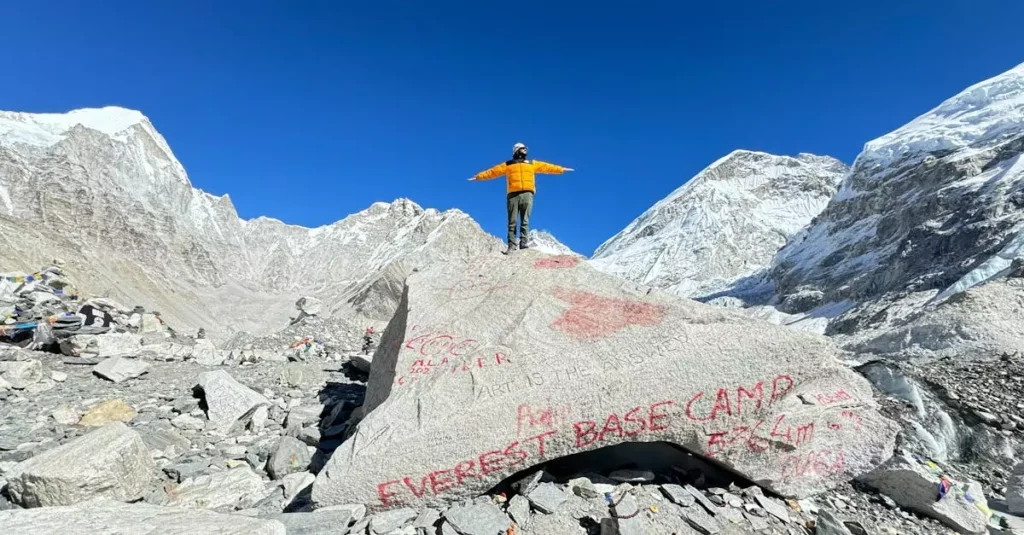
Planning Your Himalayan Adventure Budget
Many people imagine themselves arriving at the base of the world’s tallest mountain, and for a lot of trekkers the route through the Khumbu region changes how they see travel and the outdoors. Turning that idea into reality takes more than enthusiasmcareful budgeting and research are essential to avoid surprises on the trail.
Understanding the everest base camp trek cost is the logical place to begin. Costs shift with the season, the way you travel, and how much comfort you expect. From shoestring backpackers to those who want extra comforts, knowing the likely expenses keeps your plans realistic.
Nepal rewards visitors with dramatic scenery and deep cultural encounters, and most people feel the expense is justified. Using an ebc trek price guide lets you allocate money for permits, essential gear, and local services in the Everest Region without guesswork.
Breaking Down the Everest Base Camp Trek Cost
The full everest base camp trek cost typically falls anywhere from $1,200 to $4,500 per person. This spread reflects whether you travel independently or book through an international outfitter. Local companies usually run packages in the $1,400$2,000 range that cover permits, Lukla flights, and basic tea-house rooms, while international operators charge more for added safety measures and Western guides.
Daily expenses on the route also climb with altitude. Villages at lower elevations are cheaper because supplies reach them more easily; after Namche Bazaar, prices for food and services rise sharply as porters or yaks bring goods higher. Plan for those stepwise increases and carry extra Nepalese Rupees to avoid cash shortages.
Seasonal timing changes the bottom line as well. Spring and autumn bring peak demandand higher prices for flights and lodgingwhile the off-season can offer bargains at the cost of tougher weather. Many trekkers opt for shoulder months to strike a balance. A clear ebc trek price guide helps you keep track of where your money goes on the mountain.
Permit Fees and Documentation Requirements
You won’t be able to enter the Everest area without the right permits. The first is the Khumbu Pasang Lhamu Rural Municipality Permit, which costs roughly $20 per person and is used to maintain trails and facilities. Trekkers can obtain it when they arrive in Lukla or at Monjo near the park boundary.
The other required document is the Sagarmatha National Park Entry Permit, generally around $30 plus a small governmental tax. It can be issued through the Nepal Tourism Board in Kathmandu or bought at the park gate in Monjo. These fees support conservation and the protection of the mountain environment.
Rules about the TIMS card have changed in recent years, so check current requirements before departure. Bring passport-sized photos and photocopies of your passport for permit applications. Carrying valid permits ensures you travel legally and contributes directly to local communities. For broader background on tourism policy, see the tourism in Nepal page on Wikipedia.
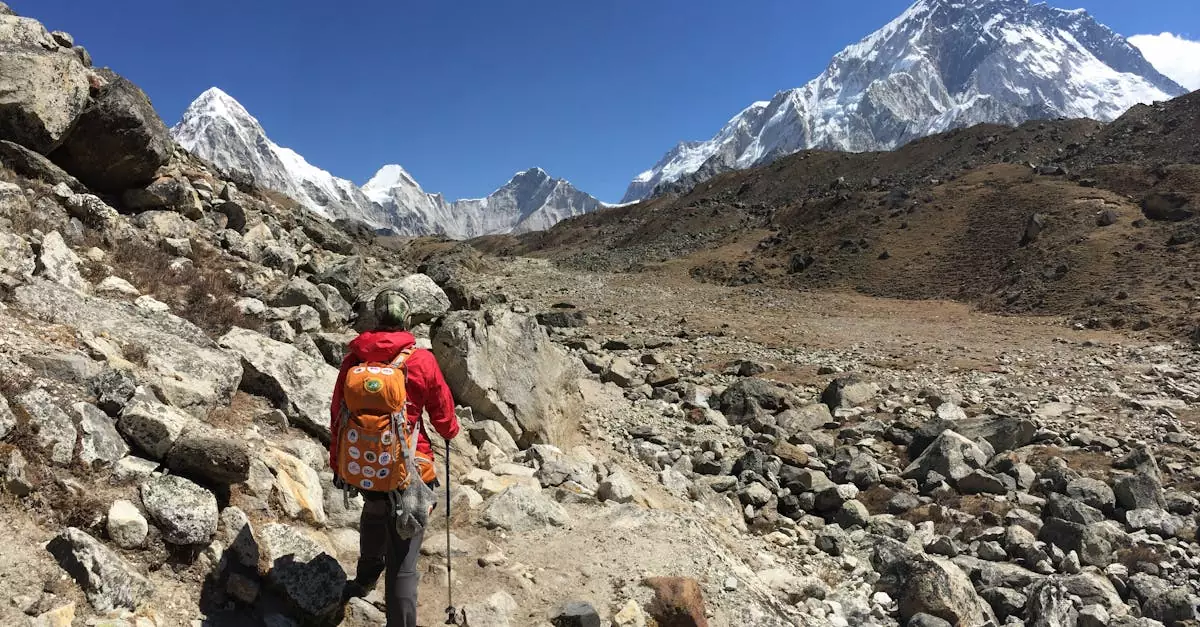
Accommodation and Meal Expenses on the Trail
Most nights on the route are spent in tea housessimple lodges with twin-share rooms and shared toilets. In lower villages a room may cost $5$7 per night, but tea houses usually expect guests to eat their meals on site; declining to do so can result in a much higher room charge.
Food often represents the biggest daily outlay. A plate of Dal Bhat typically runs $6$12 depending on altitude and is a good value because refills are commonly offered. Western dishes such as pasta or pizza are available but pricier, and hot beverages become especially expensive at higher stops: a sizable pot of tea in Gorak Shep can reach $15.
Drinking water also eats into your budget. Bottled water can cost $1 per liter in lower villages and up to $4 near base camp. Many trekkers bring purification tablets or a filter to avoid repeatedly buying plastic bottlescheaper and more environmentally friendly. Plan on roughly $30$40 per day for food and water.
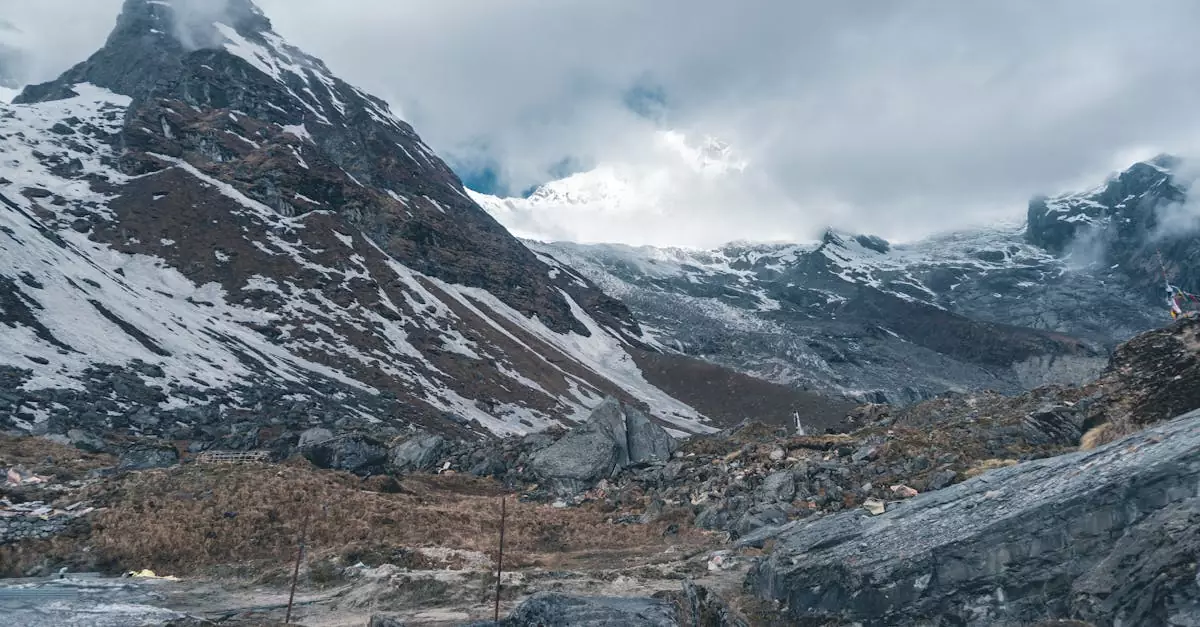
Transportation Costs and Flight Logistics
Reaching the trailhead is a major element of the everest base camp trek cost. The standard route is a return flight from Kathmandu to Lukla, which typically costs about $360$400 for foreign travelers. The flight is short but dramatic, and Luklas Tenzing-Hillary Airport is famous for its compact runway. During busy seasons some flights operate from Ramechhap to ease Kathmandus congestion.
If your flight departs from Ramechhap you must add transport to reach that airstripshared vans run about $15$20 one way from Kathmandu and take four to five hours, usually leaving very early. Travelers pick this option to improve their chances of getting to Lukla when Kathmandu flights are overbooked.
For those cutting costs, a bus to Jiri or Phaplu followed by a walk to Lukla eliminates the flight but adds several days on the trail. Bus fares to Jiri are under $15, yet the extra trekking days increase spending on food and lodges. Many people find the Lukla flight offers the best compromise between time and expense. For current transport advisories consult the official Nepal travel site.
Hiring Guides and Porters for Your Journey
Bringing a local guide or porter usually improves safety and comfort. A licensed guide typically charges $30$40 per day and can offer cultural insight, route knowledge, and early warning signs of altitude illness. They also smooth bookings and local interactions.
Porters shoulder heavy loads so you can move with a light daypack; their daily fee is commonly $20$30 and they generally carry up to 20 kilograms. Many trekkers split a porter between two people to lower the impact on the overall everest base camp trek cost while making the trek physically easier, and this also supports local employment in the region.
Tipping is an expected part of trekking culture in Nepal. Plan to leave about 15%20% of a guides and porters total pay at the end of the trekusually handed over in Luklaas a token of appreciation for their service. Include this in your upfront budget so it doesnt come as a surprise.
Gear, Equipment, and Miscellaneous Expenses
Your equipment choices will affect any ebc trek price guide. If you already own sturdy boots, a warm down jacket, and a four-season sleeping bag youll save a considerable amount; buying all-new technical gear before travel can easily top $1,000. Many travellers reduce costs by purchasing or renting items in Kathmandus Thamel neighborhood.
Renting items such as a heavy down jacket or a quality sleeping bag usually costs $1$3 per day and allows access to proper gear without a large initial outlay. Poles, hats, and gloves are also available locally, but avoid cheap imitations for key items like boots or waterproof shellsdurability matters at high altitude.
Budget for small but frequent expenses like charging electronics and hot showers. Most tea houses charge $2$5 to charge devices, showers cost about $4$7, and WiFi or data cards are usually sold for near $5. These extras can add $10$15 to your daily spend; a solar charger can cut those costs over time.
Comparison of Trekking Packages and Styles
How you organize the trek will shape your total spend. Some travelers value independence and flexibility, while others prefer the security and convenience of a guided group. The following table gives average price expectations for a typical 1214 day itinerary.
| Trek Category | Estimated Cost (USD) | What is Included | |||
|---|---|---|---|---|---|
| Independent (Solo) | $1,000 – $1,300 | Permits, basic food, basic lodging, Lukla flights. | Local Agency | $1,400 – $1,900 | Guide, porter, permits, all meals, flights, transfers. |
| International Agency | $2,500 – $4,000 | Western guide, high-end lodges, oxygen, full logistics. | |||
| Luxury (Helicopter) | $4,500 – $6,000 | Luxury hotels, helicopter return, private guide. |
Pros and Cons of Different Trekking Methods
Each approach to Everest Base Camp brings trade-offs in cost, convenience, and experience. Your background, fitness and what you value on the trail should determine which method fits you best. Below are key advantages and disadvantages for the main options.
- Independent Trekking Pros: Lowest overall cost, freedom to set your own pace and schedule, and a strong sense of personal adventure.
- Independent Trekking Cons: You must arrange and manage all logistics, have no formal safety net, and it can feel isolating at times.
- Local Agency Pros: Excellent value, direct support to the regional economy, and a local guide who knows the route and customs.
- Local Agency Cons: Less flexibility in timing and possible variability in group composition.
- International Agency Pros: Top-tier safety standards, comprehensive medical kits, and higher food and lodging quality.
- International Agency Cons: Significantly higher cost and sometimes a more insulated, less immersive local experience.
Practical Tips to Save Money on Your Trek
Keeping the everest base camp trek cost under control doesnt require discomfort. Simple choices add up: buy snacks and energy bars in Kathmandu, where chocolate, nuts, and protein bars are far cheaper than on the trail. Bringing a supply can easily save $50 or more.
A refillable bottle plus a portable filter or purification tablets eliminates frequent bottled-water purchases and reduces plastic waste. Over a two-week trek this can shave as much as $100 from your expenses. Also, bring a high-capacity power bank and charge it in lower villages where rates are cheaper rather than paying nightly fees higher up.
When trekking in the off-season, politely negotiate pricestea houses with low occupancy may offer complimentary rooms if you agree to eat all your meals there. Avoid haggling during peak months like October or April when demand fixes prices. Treat local customs with respect; good manners often lead to friendlier service and occasionally better deals.
Frequently Asked Questions
How much cash should I carry for the Everest Base Camp trek?
Bring around $400$600 in Nepalese Rupees. Most establishments along the trail are cash-only, so this amount should cover meals, water, showers, and device-charging fees for the duration of your trek.
Is travel insurance expensive for this trek?
Expect to pay about $150$250 for travel insurance that includes high-altitude trekking coverage. Make sure the policy covers emergency helicopter evacuation to at least 6,000 metersthis protection is essential.
Can I save money by not hiring a guide?
Skipping a guide can reduce your daily costs by roughly $30, but its generally not advisable for first-time trekkers. Guides manage logistics, read the trail and weather, and can detect altitude problems earlybenefits that often justify the extra expense.
What is the cheapest month to trek to Everest Base Camp?
The lowest prices are usually found during the monsoon (JuneAugust) and in mid-winter (JanuaryFebruary), though conditions are difficult. Many budget-conscious travelers prefer shoulder months such as May or late September for a better balance of cost and weather.
Are there ATMs available on the Everest Base Camp trail?
ATMs exist in Lukla and Namche Bazaar but frequently run out of cash or stop working. Its very risky to rely on them, so withdraw necessary funds in Kathmandu before you fly to Lukla.
Conclusion: Is the Trek Worth the Cost?
The everest base camp trek cost can seem substantial once you add flights, permits, equipment, and daily expenses, yet many travelers say the journey is priceless. Trekking through the Himalayas brings unrivaled mountain views and an immersion in Sherpa culture that few experiences can match.
Careful planning and a reliable ebc trek price guide let you control spending and choose the right level of support for your needs. Whether you go with a shoestring budget or opt for a fully supported trip, reaching the base of Mount Everest creates memories that justify the investment.